Via Pretoria
Die Hauptstraße von Potenza, die Via Pretoria, birgt ein Geheimnis aus ihrer römischen Vergangenheit, das inmitten des modernen Trubels sichtbar ist.
Die ganze Geschichte wird in der Tour freigeschaltet
 Redshift87 / CC BY-SA 4.0, via Wikimedia Commons
Selbstgeführte Audio-Walking-Tour durch Potenza — GPS-Route, Offline-Wiedergabe, erzählerische Narration in 32 Sprachen.
“Potenza: Wo alte Echos auf den apenninischen Himmel treffen.”
Nicht die Postkarten. Die Geschichten, die selbst Einheimische nicht kennen – dir ins Ohr geflüstert, genau dort, wo sie geschahen.
Die Hauptstraße von Potenza, die Via Pretoria, birgt ein Geheimnis aus ihrer römischen Vergangenheit, das inmitten des modernen Trubels sichtbar ist.
Der einsame Guevara-Turm zeugt von einer glorreicheren Vergangenheit, doch seine heutige Rolle ist weit von seinem ursprünglichen Zweck entfernt.
Der Schutzpatron von Potenza, San Gerardo, wird mit einer lebhaften Parade gefeiert, aber die Legende dahinter beinhaltet einen eher unerwarteten Gegner.
Entdecke jedes Geheimnis von Potenza
Jede Adresse, jede Enthüllung vollständig – in deinem Ohr, genau dort, wo es geschah.
Du wählst deine Stationen. Du gehst. Die Stimme enthüllt, was andere übersehen.


Deine selbstgeführte Audio-Tour durch Potenza ist bereit – wähle deine Sehenswürdigkeiten, deine Sprache und starte, sobald du ankommst.
KaufenLume enthält einen integrierten Augmented-Reality-Guide. Halten Sie Ihr Handy hoch: Die Kamera zeigt die Straße vor Ihnen, mit einem leuchtenden Pfeil über dem echten Bild, der immer auf Ihren nächsten Stopp zeigt — keine Karte zum Rätseln, keine falschen Abzweigungen. Wie alles bei Lume funktioniert es komplett offline.
Potenza, die Hauptstadt der italienischen Region Basilikata, ist eine Stadt, die von ihrer erhöhten Lage im Apennin-Gebirge aus Aufmerksamkeit erregt. Mit 819 Metern über dem Meeresspiegel ist sie die höchstgelegene Regionalhauptstadt Italiens und bietet einen weiten Blick über das Tal des Flusses Basento. Aufgrund seiner steilen Stadtlandschaft und des Netzes von Rolltreppen, die seine verschiedenen Ebenen verbinden, wird es oft als "Vertikale Stadt" bezeichnet. Potenza bietet eine einzigartige Mischung aus antiker Erzählung und moderner Widerstandsfähigkeit.
Trotz einer Geschichte, die von zahlreichen Erdbeben und Kriegsschäden geprägt ist, hat sich Potenza immer wieder neu aufgebaut und behält ein intimes Gefühl, auch als größte Stadt der Basilikata. Es dient als Tor zum kulturellen Erbe und zu den malerischen Landschaften der Region und ist somit ein ideales Reiseziel für diejenigen, die ein authentisches süditalienisches Erlebnis abseits der überfüllten Touristenrouten suchen. Hier verbindet sich das gemächliche Tempo des provinziellen Südens harmonisch mit einer gut ausgebauten Infrastruktur, die einen komfortablen und ansprechenden Besuch gewährleistet.
Die Ursprünge von Potenza reichen bis zu den lukanischen Stämmen zurück, wobei die erste Siedlung, ursprünglich Potentia genannt, wahrscheinlich etwa 10 Kilometer südlich der heutigen Stadt lag. Die Lukaner von Potentia stellten sich während der Konflikte mit den Samniten und Bruttiern zunächst gegen Rom. Im 4. Jahrhundert v. Chr. erlangte Rom jedoch die Kontrolle, und im 2. Jahrhundert v. Chr. wurde eine römische Kolonie Potentia gegründet, die zu einem wichtigen strategischen Punkt und einem blühenden kaiserlichen Municipium wurde. Der Name "Potentia" selbst gilt als lateinische Auguralbildung und bedeutet "die Mächtige", was vielleicht die Widerstandsfähigkeit oder strategische Bedeutung der Stadt widerspiegelt.
Nach dem Fall des Römischen Reiches kam Potenza im 6. Jahrhundert unter die Herrschaft der Langobarden und wurde Teil des Herzogtums Benevent. Die Stadt erlebte Perioden sarazenischer Überfälle, die mit der normannischen Eroberung Süditaliens aufhörten. Im 12. Jahrhundert hatte sich Potenza zu einem bedeutenden religiösen Zentrum mit eigenem Bistum entwickelt. Die Stadt erlebte schwierige Zeiten, darunter Angriffe von Kaiser Friedrich II. und die Zerstörung durch Karl I. aufgrund seiner Loyalität zu dessen Feinden. Erdbeben in den Jahren 1273, 1694 und 1857 gestalteten ihre architektonische Landschaft immer wieder neu.
1799 war Potenza eine der ersten Städte, die eine Neapolitanische Republik ausriefen, was ihren rebellischen Geist zeigte. Die Franzosen machten Potenza unter Joseph Bonaparte 1806 offiziell zum Verwaltungszentrum der Region Basilikata. Die Stadt kämpfte weiter für ihre Freiheit und wurde 1860, kurz vor der Einigung Italiens, zur ersten süditalienischen Stadt, die sich gegen die Bourbonenherrschaft erhob. Das 20. Jahrhundert brachte weitere Härten mit sich, darunter schwere alliierte Bombenangriffe im September 1943 während des Zweiten Weltkriegs und ein weiteres starkes Erdbeben im Jahr 1980. Trotz dieser Herausforderungen hat sich Potenza immer wieder aufgebaut und modernisiert, wobei sie ihre Vergangenheit umarmt und gleichzeitig in die Zukunft blickt.
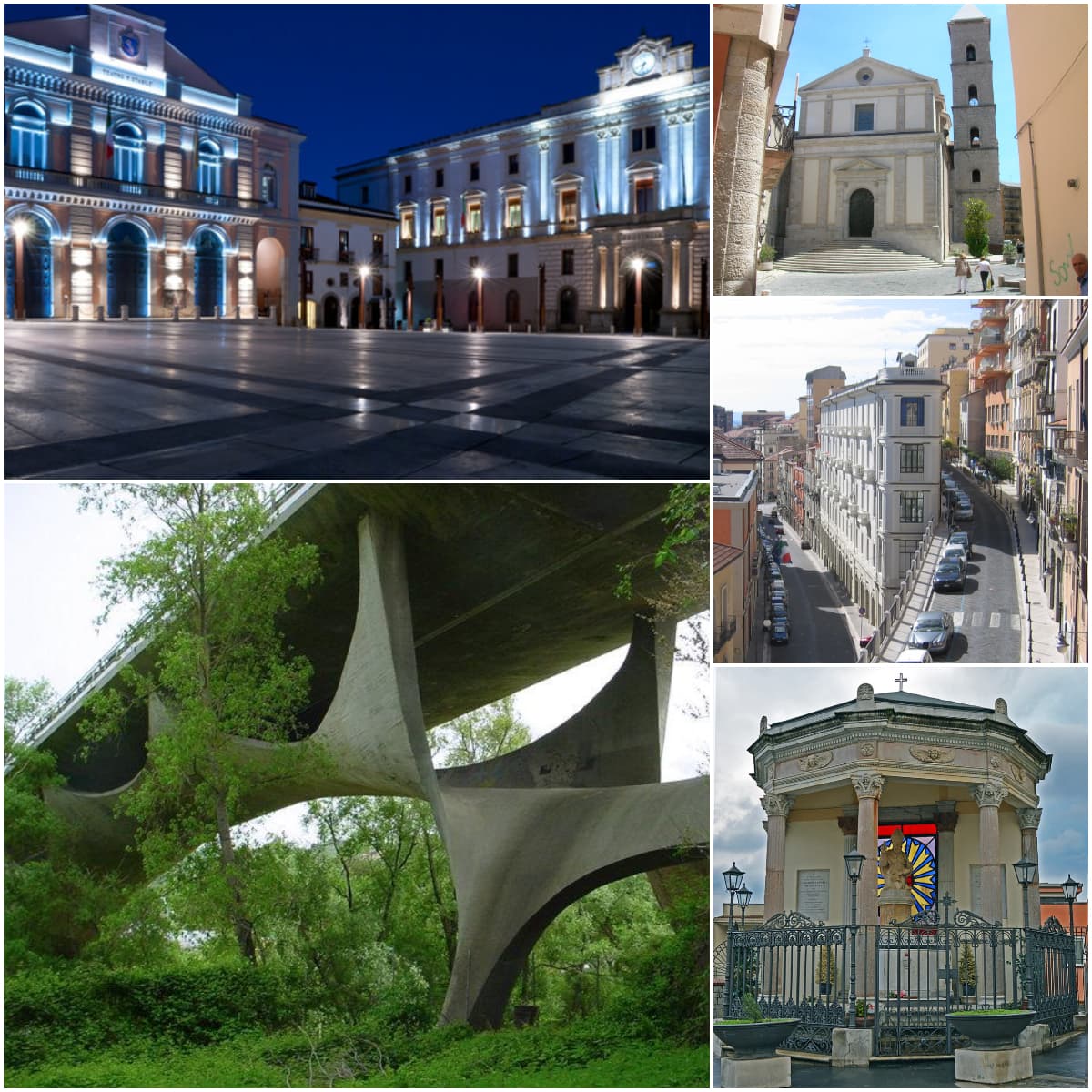
Beginnen Sie Ihre Erkundung im historischen Zentrum von Potenza, das sich im oberen Teil der Stadt befindet. Hier ist die Piazza Mario Pagano ein ausgezeichneter Ausgangspunkt, mit dem eleganten Francesco Stabile Theater und dem Palazzo del Governo in der Nähe. Spazieren Sie entlang der Via Pretoria, der Haupteinkaufsstraße der Stadt, die von Geschäften, Restaurants und historischen Gebäuden gesäumt ist. Nehmen Sie sich Zeit, die Kathedrale San Gerardo zu besichtigen, ein Bauwerk aus dem 12. Jahrhundert, das im 18. Jahrhundert wieder aufgebaut wurde und eine neoklassizistische Fassade und ein reiches Inneres aufweist. Die romanische Kirche San Michele Arcangelo aus dem 11. Jahrhundert beherbergt beeindruckende Kunstwerke, darunter Fresken aus dem 18. Jahrhundert und eine byzantinische Madonna.
Für einen Einblick in die antike Vergangenheit der Region besuchen Sie das Archäologische Nationalmuseum "Dinu Adamesteanu", das sich im historischen Palazzo Loffredo befindet. Es zeigt Artefakte von der Vorgeschichte bis zur Römerzeit mit Schwerpunkt auf den indigenen lukanischen Bevölkerungsgruppen. Das Archäologische Provinzmuseum bietet weitere lokale Sammlungen. Entdecken Sie die Villa Romana di Malvaccaro, eine wichtige archäologische Stätte mit gut erhaltenen Mosaiken aus dem 3. Jahrhundert n. Chr. Der Guevara-Turm, ein Überrest einer alten Burg, beherbergt heute kulturelle Ausstellungen. Bewundern Sie für ein einzigartiges modernes architektonisches Wunderwerk die Musmeci-Brücke, eine markante Betonkonstruktion, die als Tor zum historischen Kern der Stadt dient.
Die besten Besuchszeiten für Potenza sind das späte Frühjahr (Mai bis Mitte Juni) und der Frühherbst (September bis Oktober). In diesen Monaten ist das Wetter mild und angenehm, ideal, um die historischen Stätten und die natürliche Umgebung der Stadt zu erkunden, ohne die intensive Sommerwärme oder größere Menschenmengen. Die Sommer (Juli und August) sind warm und sonnig, obwohl die Temperaturen gelegentlich recht hoch sein können. Die Winter (Dezember bis Februar) sind kühler, mit Schneemöglichkeiten, die der Berglandschaft einen anderen Charme verleihen.
Potenza ist über die Autobahn RA5, die von der A2 abzweigt, gut mit anderen Teilen Italiens verbunden. Es ist auch ein wichtiger Eisenbahnknotenpunkt an der Hauptstrecke von Salerno nach Tarent mit Intercity-Verbindungen von Rom, Neapel und Bari. Die nächstgelegenen Flughäfen sind Salerno-Pontecagnano (ca. 85 km), Foggia-Gino Lisa (ca. 101 km) und Bari-Palese (ca. 130 km), wobei Bari ein wichtiger Knotenpunkt ist. Innerhalb der Stadt lässt sich Potenza am besten zu Fuß erkunden, insbesondere das kompakte historische Zentrum. Eine Besonderheit ist das umfangreiche öffentliche Rolltreppensystem, das hilft, die steilen Hänge der Stadt zu überwinden und moderne Gebiete mit dem historischen Kern zu verbinden. Lokale Busse sind ebenfalls für längere Strecken verfügbar. Obwohl im Allgemeinen sicher, sind Standardvorkehrungen immer ratsam. Die Unterkünfte reichen von charmanten Bed & Breakfasts bis hin zu Hotels, und lokale Trattorien bieten herzhafte, authentische lucanische Küche.
Potenza — Koreanisch, Chinesisch, Hebräisch und 29 weitere Sprachen, jede Station von einer muttersprachlichen Stimme erzählt. Die größte Sprachauswahl aller selbstgeführten Audiotouren.
Verfügbar auf: