Fontana di Nettuno
L'imponente Fontana di Nettuno della città su Hlavná Ulica nasconde una sorprendente storia d'origine che parla del diversificato passato di Prešov.
La storia completa si sblocca nel tour
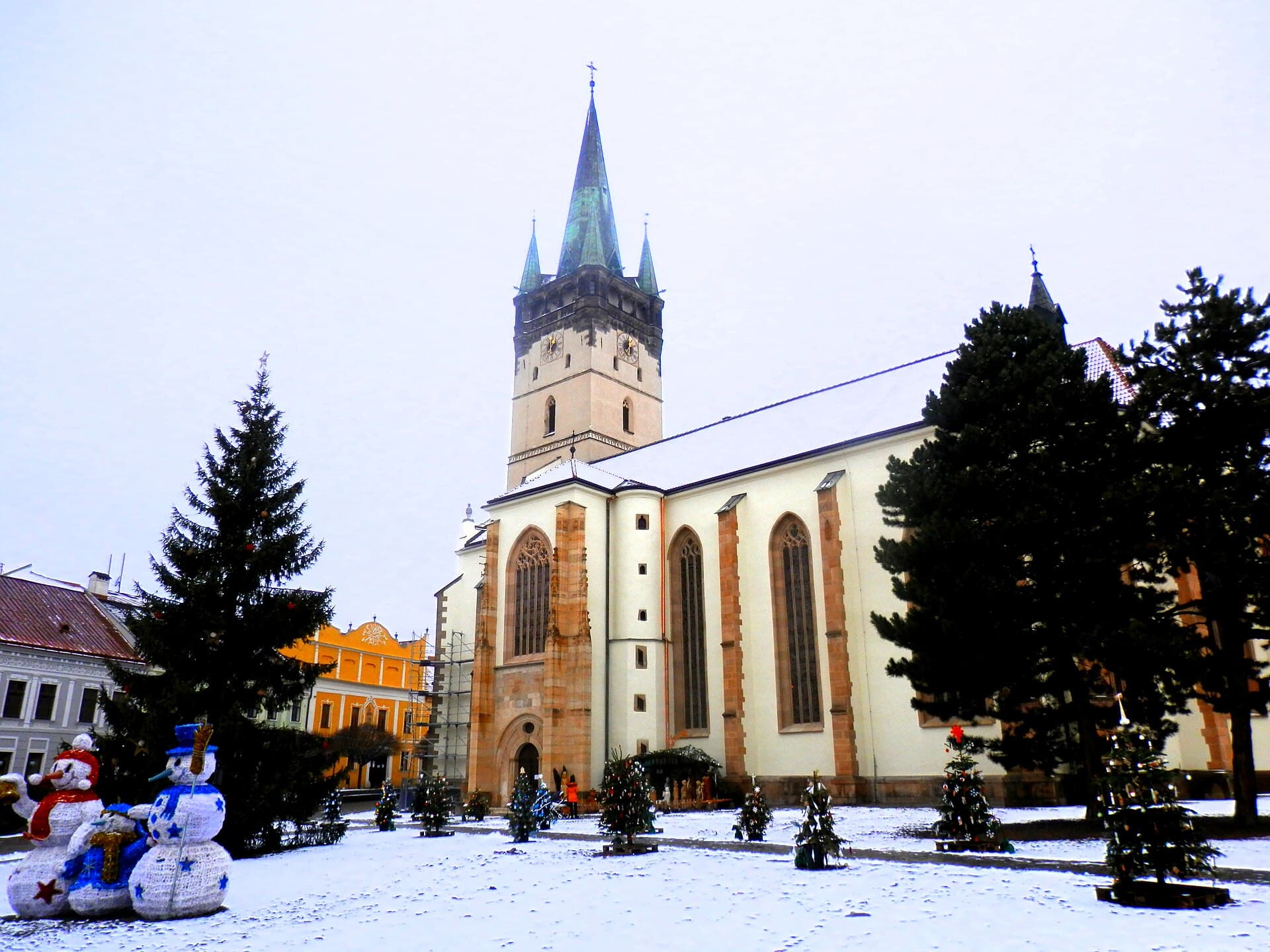 Ing.Mgr.Jozef Kotulič / CC BY-SA 4.0, via Wikimedia Commons
Tour audio autoguidato di Prešov — percorso GPS a piedi, riproduzione offline, narrazione coinvolgente in 32 lingue.
“Dove antiche rotte commerciali echeggiano e il sale un tempo scorreva come oro bianco.”
Non le cartoline. Le storie che nemmeno i locali conoscono — sussurrate nel tuo orecchio, proprio dove sono accadute.
L'imponente Fontana di Nettuno della città su Hlavná Ulica nasconde una sorprendente storia d'origine che parla del diversificato passato di Prešov.
Dietro l'apparente facciata ordinaria della Prigione di Caraffa si nasconde un agghiacciante racconto di ingiustizia e potere politico di secoli passati.
All'interno della grandezza barocca della Cattedrale Greco-Cattolica di San Giovanni Battista, troverai una reliquia con un profondo legame con un venerato manufatto cristiano.
Scopri ogni segreto di Prešov
Ogni indirizzo, ogni rivelazione completa — nel tuo orecchio, proprio dove è accaduta.
Scegli le tue tappe. Cammini. La voce rivela ciò che gli altri perdono.

Il tuo tour audio autoguidato di Prešov è pronto — scegli i tuoi punti di interesse, seleziona la tua lingua e inizia nel momento in cui arrivi.
AcquistaLume include una guida in realtà aumentata. Alza il telefono: la fotocamera mostra la strada davanti a te, con una freccia luminosa sovrapposta all'immagine reale che punta sempre verso la tua prossima tappa — nessuna mappa da decifrare, nessuna svolta sbagliata. Come tutto in Lume, funziona completamente offline.
Prešov, la terza città più grande della Slovacchia, si trova nella parte orientale del paese, cullata dalle colline Slanské Vrchy e dagli altopiani Šarišská Vrchovina, alla confluenza dei fiumi Torysa e Sekčov. È una città dove l'architettura medievale si armonizza con una vivace cultura locale, e il profumo di dolci appena sfornati si mescola spesso agli echi di secoli di commercio. Il centro storico di Prešov, in gran parte pedonale, invita all'esplorazione a piedi, con la sua arteria principale, Hlavná Ulica, che si dirama in suggestivi vicoli che rivelano monasteri, chiese e monumenti.
Spesso chiamata la "città dei mercanti di sale", la prosperità di Prešov era storicamente legata all'estrazione e al commercio del sale, un'eredità che ha plasmato il suo sviluppo e lasciato un segno indelebile sul suo carattere. Oltre al suo nucleo storico, la città è un centro culturale e amministrativo, sede dell'Università di Prešov e un connubio di fascino antico e vita contemporanea. Prešov offre un'esperienza europea più lenta e autentica, un luogo per connettersi con la vita locale e scoprire la sua distintiva miscela di influenze slovacche, ungheresi e tedesche.
L'area intorno a Prešov mostra prove di insediamenti risalenti al Paleolitico, con strumenti e ossa di mammut scoperti risalenti a 28.000 anni fa. L'insediamento continuo nella regione può essere fatto risalire all'VIII secolo. Entro la fine dell'XI secolo, il territorio divenne parte del Regno d'Ungheria. Dopo la devastante invasione mongola nel 1241, il re Béla IV d'Ungheria invitò coloni tedeschi, spesso chiamati Sassoni di Spiš, a stabilirsi nella regione e ad aiutare a ricostruire l'economia. Questi coloni giocarono un ruolo cruciale nello sviluppo iniziale di Prešov, e per secoli la città fu prevalentemente di lingua tedesca.
Prešov fu menzionata per la prima volta in documenti scritti nel 1247. Ottenne privilegi cittadini nel 1299 e fu elevata allo status di città libera reale nel 1374 da Luigi il Grande, una designazione che ne aumentò significativamente la crescita nell'artigianato e nel commercio. Nel XV secolo, Prešov si unì alla Pentapolitana, una lega di cinque importanti città commerciali nell'Ungheria nord-orientale. I secoli XVI e XVII videro Prešov prosperare, arricchendosi grazie all'opale, all'estrazione del sale e a un'industria di merletti a tombolo. L'estrazione del sale, in particolare, iniziò a Solivar, ora parte di Prešov, nel 1572, e il commercio del sale era considerato l'"oro bianco" locale, stabilendo Prešov come un vitale centro commerciale.
I secoli XVI e XVII furono anche segnati dalla Riforma e dalle rivolte anti-asburgiche, oltre a disastri naturali come pestilenze e incendi. Un capitolo particolarmente oscuro nella storia della città è il "massacro di Caraffa" del 1687, in cui 24 eminenti cittadini protestanti furono giustiziati da un generale asburgico per aver sostenuto le ribellioni anti-asburgiche. Nel XVIII secolo, Prešov conobbe una ripresa economica e un progresso, con l'introduzione dell'elettricità, del telegrafo, del telefono e di un sistema fognario nel XIX secolo. Tuttavia, un grave incendio nel 1887 distrusse una parte significativa della città.
Dopo la Prima Guerra Mondiale, Prešov entrò a far parte della neonata Cecoslovacchia nel 1920, sebbene servì brevemente come capitale della fugace Repubblica Sovietica Slovacca nel 1919. Durante la Seconda Guerra Mondiale, la sua importanza crebbe poiché molte istituzioni si trasferirono da Košice a Prešov dopo che Košice divenne parte dell'Ungheria. La città fu pesantemente bombardata nel 1944. Sotto il regime comunista dopo il 1948, Prešov subì una rapida industrializzazione, diventando un importante centro manifatturiero. Dopo la caduta del comunismo e la creazione della Repubblica Slovacca indipendente nel 1993, Prešov ha continuato a svilupparsi come un significativo centro amministrativo e accademico.
Il centro storico di Prešov è un'area compatta e percorribile a piedi, meglio esplorata a piedi, con la maggior parte delle attrazioni principali a breve distanza. Hlavná Ulica, la via principale, è un'arteria centrale fiancheggiata da case signorili e palazzi con intonaco, che offre un'esperienza museale a cielo aperto. La Concattedrale di San Nicola, una chiesa gotica risalente alla metà del 1300, è una caratteristica dominante con la sua imponente scala e i dettagli intricati. Salire sulla sua torre offre ampie viste sui tetti piastrellati della città. Nelle vicinanze, la Fontana di Nettuno, un monumento del XVIII secolo, aggiunge fascino alla piazza principale.
Appena fuori Hlavná Ulica, la Prigione di Caraffa del 1400, ora una galleria cittadina, offre uno sguardo su un passato più oscuro. La Cattedrale di San Giovanni Battista, una cattedrale barocca per la congregazione greco-cattolica di Prešov, presenta un portale altamente decorato e ospita una replica della Sindone di Torino. Per un'immersione più profonda nel patrimonio della regione, il Krajské Múzeum (Museo della Contea) nel Palazzo Rákóczi presenta mostre su armi storiche, mobili, merletti di Solivar e una cronologia della storia di Prešov. La Sinagoga Ortodossa è un altro edificio architettonicamente interessante ed evocativo, un ricordo della comunità ebraica della città. Lo storico complesso salifero di Solivar, un monumento tecnico unico, mostra la storia dell'estrazione del sale della città con attrezzature conservate del XVII secolo e un lago salato sotterraneo. Per una piacevole passeggiata e viste sulla città, il complesso del pellegrinaggio della collina del Calvario con le sue cappelle e sentieri è una buona opzione.
Prešov gode di un clima continentale moderato con quattro stagioni distinte. Il periodo migliore per visitare per attività all'aperto e temperature confortevoli va da maggio a settembre. Durante luglio e agosto, le temperature medie diurne si aggirano intorno ai 19-24°C (66-75°F), ideali per esplorare le attrazioni all'aperto della città e godersi i posti a sedere all'aperto di ristoranti e bar. Tuttavia, preparatevi a piogge più frequenti durante questi mesi estivi. Maggio e settembre offrono un clima piacevolmente mite, perfetto per lunghe passeggiate, e ottobre, nonostante il freddo autunnale, ha spesso meno giorni di pioggia, rendendolo adatto per visitare i siti. L'inverno, da dicembre a marzo, porta temperature più fresche, con gennaio che è il mese più freddo con una media di -1,5°C (29°F), e la possibilità di neve, creando una classica atmosfera invernale europea.
Prešov è ben collegata e facile da navigare. L'aeroporto internazionale più vicino è Košice (KSC), a circa 46 km di distanza, che offre voli diretti per diverse città europee e collegamenti con oltre 500 destinazioni. L'aeroporto di Poprad-Tatry (TAT) è un'altra opzione, situata a 88 km da Bardejov. La stazione ferroviaria principale di Prešov è collegata alla rete ferroviaria slovacca, con servizi frequenti per Košice e collegamenti con Bratislava e altre parti del paese. Autobus a lunga percorrenza e regionali servono anche la città, offrendo un'alternativa economica per viaggiare all'interno della Slovacchia e verso i paesi vicini.
All'interno di Prešov, il centro città è altamente percorribile a piedi. Il trasporto pubblico è fornito da un'ampia rete di autobus e filobus, gestiti da DPMP, che operano approssimativamente dalle 5:00 alle 23:00. I biglietti possono essere acquistati presso edicole, distributori automatici o tramite app mobili, con un biglietto da 30 minuti che costa circa 0,70 €. Taxi e servizi di ride-sharing sono anch'essi disponibili. La valuta locale è l'Euro (€).
Prešov — coreano, cinese, ebraico e altre 29 lingue, ogni tappa narrata da una voce madrelingua. La più ampia scelta di lingue tra i tour audio autoguidati.
Disponibile in: