Union Buildings
Die prächtigen Union Buildings, die ein vereintes Südafrika symbolisieren sollen, bergen ein Geheimnis in ihrer Konstruktion, das an ein berühmtes Londoner Wahrzeichen erinnert.
Die ganze Geschichte wird in der Tour freigeschaltet
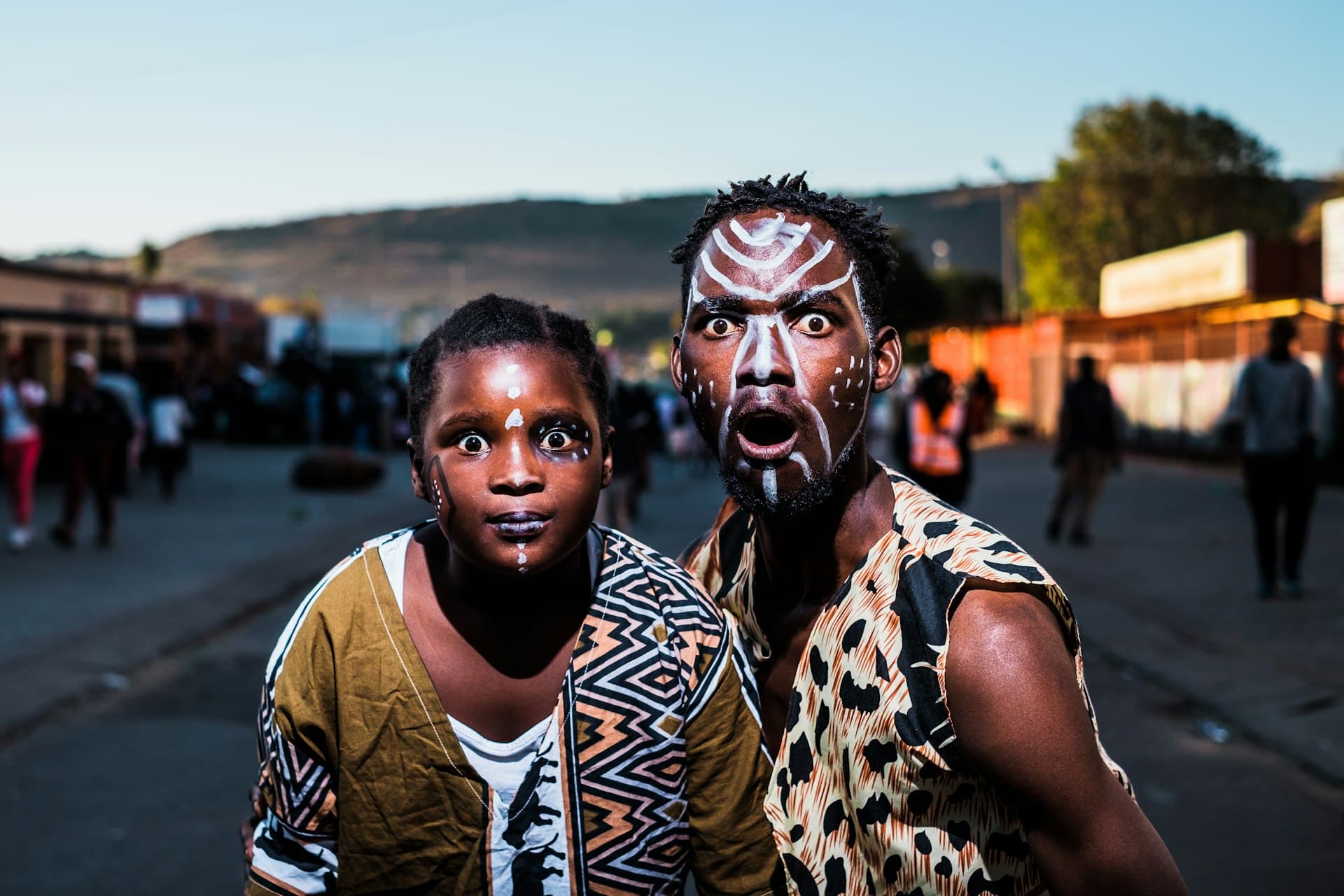 Photo: Mpumelelo Macu / Unsplash
Selbstgeführte Audio-Walking-Tour durch Pretoria — GPS-Route, Offline-Wiedergabe, erzählerische Narration in 32 Sprachen.
“Pretoria: Wo Amethystblüten auf entscheidende Geschichte treffen.”
Nicht die Postkarten. Die Geschichten, die selbst Einheimische nicht kennen – dir ins Ohr geflüstert, genau dort, wo sie geschahen.
Die prächtigen Union Buildings, die ein vereintes Südafrika symbolisieren sollen, bergen ein Geheimnis in ihrer Konstruktion, das an ein berühmtes Londoner Wahrzeichen erinnert.
Die ehemalige Residenz einer Schlüsselfigur der südafrikanischen Geschichte enthält eine ungewöhnliche Zutat in ihrer ursprünglichen Konstruktion.
In einem Naturschutzgebiet in einem geschäftigen Vorort steht ein einzelner, alter Baum, der eine überraschende Kapazität birgt.
Entdecke jedes Geheimnis von Pretoria
Jede Adresse, jede Enthüllung vollständig – in deinem Ohr, genau dort, wo es geschah.
Du wählst deine Stationen. Du gehst. Die Stimme enthüllt, was andere übersehen.


Deine selbstgeführte Audio-Tour durch Pretoria ist bereit – wähle deine Sehenswürdigkeiten, deine Sprache und starte, sobald du ankommst.
KaufenLume enthält einen integrierten Augmented-Reality-Guide. Halten Sie Ihr Handy hoch: Die Kamera zeigt die Straße vor Ihnen, mit einem leuchtenden Pfeil über dem echten Bild, der immer auf Ihren nächsten Stopp zeigt — keine Karte zum Rätseln, keine falschen Abzweigungen. Wie alles bei Lume funktioniert es komplett offline.
Pretoria, die administrative Hauptstadt Südafrikas, bietet eine besondere Mischung aus historischem Gewicht und natürlicher Pracht. Oft als "Jacaranda City" bezeichnet wegen der Zehntausenden von Jacaranda-Bäumen, die im Frühling ihre Straßen lila färben, bietet Pretoria eine entspanntere Atmosphäre als das geschäftige Johannesburg. Die Stadt liegt im nördlichen Teil der Provinz Gauteng und erstreckt sich entlang des Apies River bis in die Ausläufer der Magaliesberg-Berge.
Pretoria ist eine Stadt mit breiten, von Bäumen gesäumten Straßen und einem gut geplanten Straßennetz, was sie zugänglich und einladend für Erkundungen macht. Sie ist ein wichtiges Zentrum für Regierung, Diplomatie und Bildung und beherbergt zahlreiche Botschaften, Konsulate und renommierte Universitäten. Über ihre politische Bedeutung hinaus bietet Pretoria eine breite kulturelle Landschaft, von historischen Denkmälern und Museen bis hin zu weitläufigen botanischen Gärten und Wildreservaten, die jedem Reisenden ein vielfältiges Erlebnis bieten.
Pretoria's Ursprünge reichen bis ins Jahr 1855 zurück, als Marthinus Wessel Pretorius, ein Anführer der Voortrekker (Burenpioniere), die Stadt gründete. Er benannte sie zu Ehren seines Vaters, Andries Pretorius, eines Nationalhelden, der für seinen Sieg über die Zulus in der Schlacht am Blutsfluss im Jahr 1838 und für die Aushandlung der Sand River Convention, die die Unabhängigkeit des Transvaal anerkannte, bekannt ist. Ursprünglich wurde die neue Siedlung sogar für Namen wie "Pretoriusdorp" oder "Pretoriusstad" in Betracht gezogen, bevor man sich für Pretoria entschied. Die Stadt wurde strategisch am Ufer des Apies River gegründet, ein Standort, der ihr Wachstum und ihre Verwaltung erleichterte.
Nur fünf Jahre nach ihrer Gründung, am 1. Mai 1860, wurde Pretoria zur Hauptstadt der Südafrikanischen Republik (ZAR), auch bekannt als Transvaal-Republik. Dies markierte einen wichtigen Punkt und beendete effektiv die Siedlungsbewegungen der Buren des Großen Trecks. Die Stadt entwickelte sich zu einem administrativen und politischen Zentrum mit einem regelmäßigen Layout, das sich um den Church Square konzentrierte, wo Regierungsgebäude, der Justizpalast und das Rathaus errichtet wurden.
Während des Südafrikanischen Krieges (1899–1902) erlebte Pretoria bedeutende Ereignisse, darunter die Inhaftierung und anschließende Flucht von Winston Churchill im Jahr 1899. Der Frieden von Vereeniging, der den Krieg beendete, wurde am 31. Mai 1902 im Melrose House in Pretoria unterzeichnet. Im Jahr 1910, mit der Gründung der Südafrikanischen Union, die die Kapkolonie, die Natalkolonie und die Burenrepubliken vereinte, wurde Pretoria zur administrativen Hauptstadt des gesamten Landes gewählt. Diesen Status behielt sie auch, als Südafrika 1961 eine Republik wurde. Von 1910 bis 1994 war Pretoria auch die Hauptstadt der Provinz Transvaal. Im Jahr 2000 wurde Pretoria Teil der Tshwane Metropolitan Municipality. Obwohl es Diskussionen über die offizielle Umbenennung der Stadt in Tshwane gab, behält das Stadtzentrum den Namen Pretoria.
Pretoria bietet eine Reihe von Sehenswürdigkeiten und Naturgebieten. Die Union Buildings, entworfen von Sir Herbert Baker, sind ein architektonisches Wunderwerk und der offizielle Sitz der südafrikanischen Regierung. Ihre halbmondförmige Gestalt und die zweifachen Kuppeltürme symbolisieren die Einheit eines ehemals gespaltenen Volkes, und die weitläufigen Gärten bieten einen atemberaubenden Blick über die Stadt. Eine große Bronzestatue von Nelson Mandela steht am Fuße der Union Buildings und erinnert an seine Amtseinführung als Präsident im Jahr 1994.
Der Church Square ist das historische Herz von Pretoria, dominiert von einer Bronzestatue von Paul Kruger. Um den Platz herum befinden sich bedeutende Gebäude wie der Justizpalast, in dem der Rivonia-Prozess stattfand, und der Alte Raadsaal. Das Voortrekker Monument, eine massive Granitstruktur, erinnert an die afrikaansen Pioniere und bietet Einblicke in die Kolonialgeschichte Südafrikas sowie weite Ausblicke über die Stadt.
Für Naturliebhaber zeigt der Pretoria National Botanical Garden einheimische Pflanzenarten in Themengärten und auf Wanderwegen. Der National Zoological Gardens of South Africa, der größte Zoo Afrikas, beherbergt über 700 Arten und verfügt über eine Seilbahn. Das Rietvlei Nature Reserve etwas außerhalb der Stadt ist die Heimat vielfältiger Wildtiere, darunter Nashörner und Geparden, und bietet Wildbeobachtungsfahrten und geführte Wanderungen.
Die besten Zeiten für einen Besuch in Pretoria sind die milden Monate des Frühlings (September bis November) und des Herbstes (März bis Mai). Insbesondere der Frühling verwandelt die Stadt, wenn die Tausenden von Jacaranda-Bäumen blühen und die Straßen von Ende September bis Anfang November in Lila tauchen. Die Temperaturen im Frühling sind angenehm und reichen von 15°C bis 28°C. Der Herbst bietet ebenfalls angenehmes Wetter mit Temperaturen zwischen 10°C und 25°C, ideal für Outdoor-Aktivitäten und die Erkundung kultureller Stätten.
Pretoria hat das ganze Jahr über ein warmes und angenehmes Klima. Packen Sie leichte, atmungsaktive Kleidung für den Sommer (Dezember bis Februar), aber auch einen Regenmantel für häufige Nachmittagsgewitter. Die Winter (Juni bis August) sind mild und trocken, aber Abende und frühe Morgenstunden können kühl sein, daher ist Zwiebellook ratsam. Die Stadt ist gut angebunden; die Hochgeschwindigkeitsbahn Gautrain verbindet Pretoria mit Johannesburg und dem internationalen Flughafen OR Tambo. Innerhalb der Stadt stehen Taxameter-Taxis, Fahrdienste wie Uber und lokale Buslinien zur Verfügung. Während das Gehen in zentralen Bereichen tagsüber geeignet ist, wird empfohlen, nach Einbruch der Dunkelheit öffentliche Verkehrsmittel zu nutzen. Autovermietungen sind ebenfalls leicht verfügbar für unabhängige Erkundungen. Halten Sie wichtige Dokumente und Notfallkontakte stets griffbereit.
Pretoria — Koreanisch, Chinesisch, Hebräisch und 29 weitere Sprachen, jede Station von einer muttersprachlichen Stimme erzählt. Die größte Sprachauswahl aller selbstgeführten Audiotouren.
Verfügbar auf: