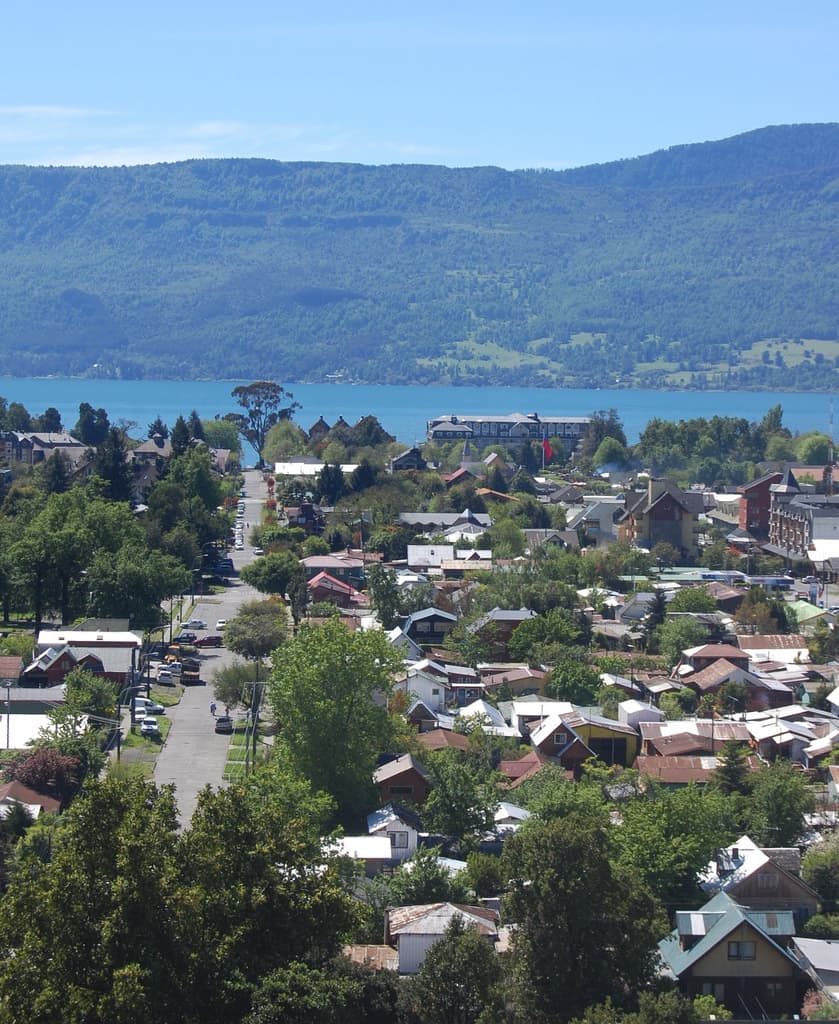
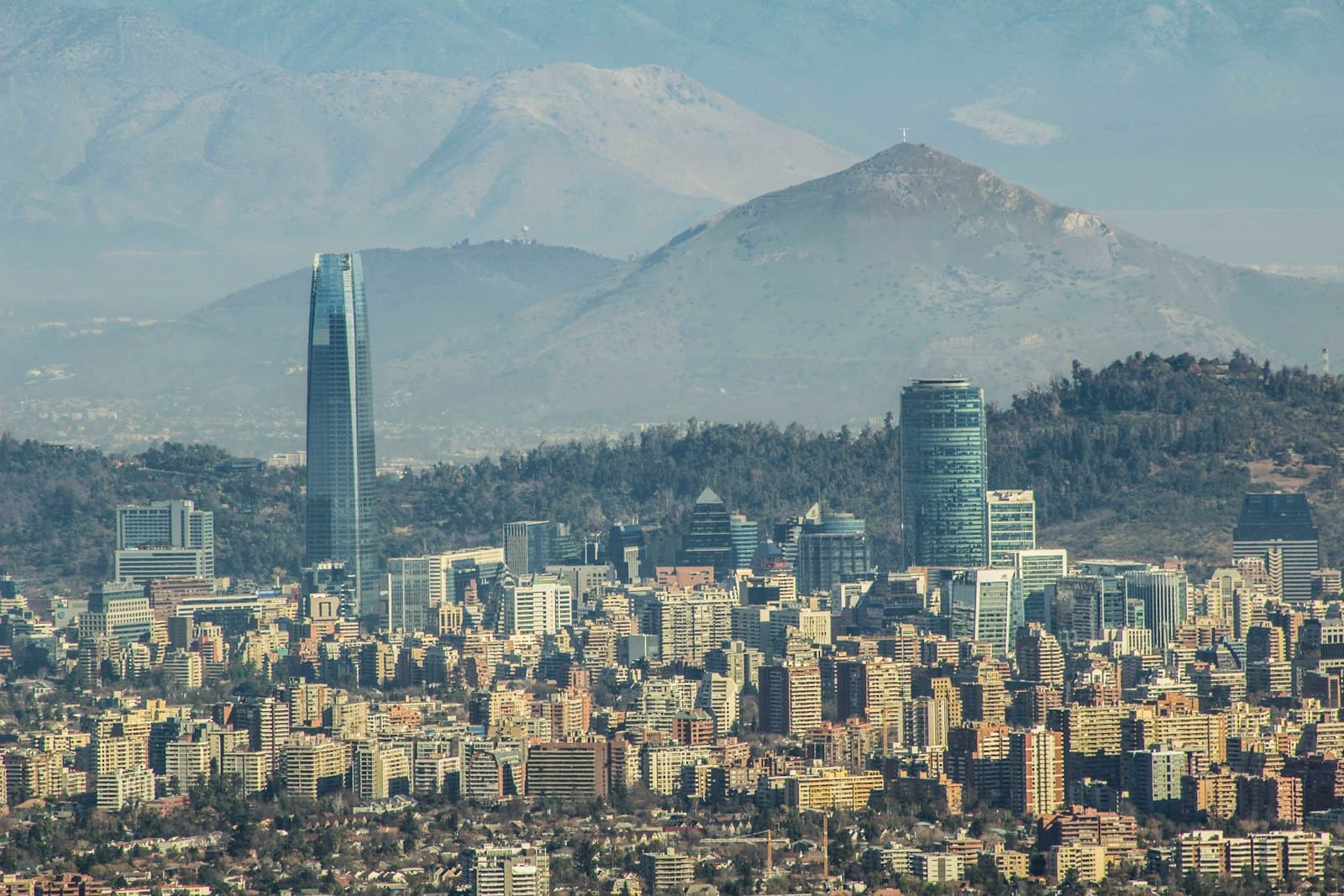
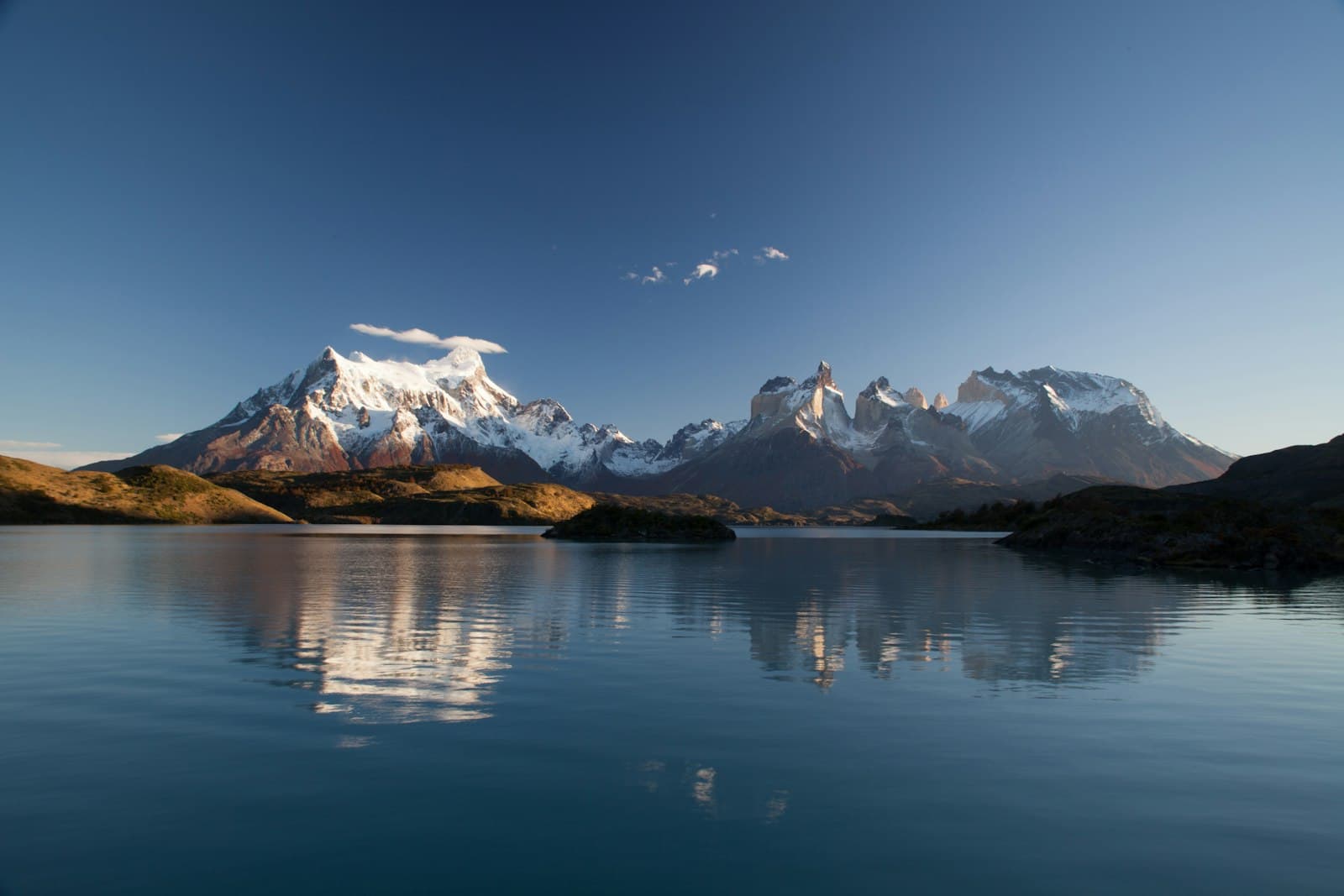
Pucón, ChilePuconino / CC BY-SA 4.0, via Wikimedia Commons
CL

Pucón

Where the earth breathes fire and water whispers secrets.

The secrets of Pucón

Pucón, as no one tells it.

Not the postcards. The stories even locals don't know — whispered in your ear, right where they happened.

3 secrets below. Many more wait inside the tour.
Villarrica Volcano

The Villarrica Volcano, one of South America's most active, invites climbers to its summit. Yet, a unique memento awaits at the top, far from what one might expect.

Full story unlocks in the tour
Pucón's Architecture

Strolling through Pucón, one might observe a distinct architectural style that seems unexpected for a Chilean town. This aesthetic choice carries a specific origin.

Full story unlocks in the tour
The Dark Sand Beaches of Lake Villarrica

Pucón rests upon the shores of Lake Villarrica, which features striking dark sand beaches. This is not merely a whimsical design by nature.

Full story unlocks in the tour
The full tour

Discover every secret of Pucón

Every address, every reveal in full — in your ear, right where it happened.

Get the key to Pucón

You pick your stops. You walk. The voice reveals what the others miss.

Choose your time

How long do you have in Pucón?

No tours available yet. Check back soon — we're preparing them.

About Pucón

The story of Pucón

Pucón, a lively town in Chile's Araucanía Region, serves as a crossroads of adventure and natural grandeur. It rests upon the eastern shore of Lake Villarrica and at the base of the active Villarrica Volcano. Frequently called Chile's adventure heartland, it beckons visitors year-round with its varied terrain of volcanoes, lakes, waterfalls, and thermal springs.

The town itself, approximately 780 kilometers south of Santiago, presents a singular blend of outdoor pursuits and a relaxed, welcoming atmosphere. From ascending a smoking volcano to navigating a river's rapids or unwinding in natural hot springs, Pucón offers a setting where nature and adrenaline converge. Its appeal lies in its ability to cater to both thrill-seekers and those seeking serenity amidst remarkable scenery.

History

From Mapuche Homeland to Frontier Outpost

The territory where Pucón now stands was originally home to Mapuche-Pehuenche communities, who revered the Villarrica Volcano, known as Ruka Pillán or "house of the spirits," as a sacred mountain. In 1552, during the Spanish conquest of Chile, the city of Villarrica was established in this area, with significant gold mining occurring in placer deposits. However, volcanic lahars, or mudflows, from Villarrica Volcano are believed to have buried these gold deposits in the 16th century, prompting settlers to relocate Villarrica further west and abandon the Pucón site.

The modern settlement of Pucón was officially founded on February 27, 1883, as a military fort following the Occupation of Araucanía. Its position at the entrance of the Trancura Valley held strategic importance for controlling Andean passes and asserting Chilean sovereignty. Early arrivals included German leather and timber merchants, and by 1904, the Chilean government granted land concessions that encouraged an influx of European, particularly German, immigrant families. These settlers contributed to the development of logging and livestock farming, and their influence remains visible in the local architecture and cuisine.

The Dawn of Tourism

Tourism began to take root in Pucón in the 1920s. The Gudenschwager, Pucón's inaugural hotel, opened its doors in 1923. A pivotal moment arrived in 1934 with the establishment of the Gran Hotel Pucón, a luxurious resort that included a park and golf courses. Initially, visitors would arrive by train in Villarrica, then cross the lake by boat to reach Pucón. The construction of a coastal road between Villarrica and Pucón in 1940 further eased access. By the 1930s, Pucón had also become a center for sport fishing, attracting anglers and, later, artists and intellectuals, lending the resort an exclusive character.

Adventure Capital Emerges

Improvements in infrastructure continued with the paving of routes in the late 1960s and early 1970s, making Pucón more accessible and paving the way for broader tourism. The 1980s witnessed the arrival of adventure sports pioneers, and by the 21st century, Pucón had cemented its reputation as one of South America's foremost destinations for outdoor activities. Today, it remains a popular center for adventure tourism, offering a wide array of activities from volcano climbing to white-water rafting, all set against a backdrop of striking natural beauty.

What to see

Pucón's appeal arises from its natural surroundings and the activities they inspire. The most prominent landmark is the Villarrica Volcano, one of Chile's most active. Guided ascents to its 2,847-meter summit offer sweeping views and the singular opportunity to gaze into its crater, sometimes revealing bubbling lava. For those seeking less strenuous volcanic experiences, the Villarrica Volcanic Caves, just 12 kilometers from Pucón, provide a chance to explore ancient lava tunnels.

Beyond the volcano, the region is a sanctuary for outdoor enthusiasts. Huerquehue National Park, recognized for its ancient araucaria trees, waterfalls, and clear lakes, offers a network of hiking trails. The Ojos del Caburgua waterfalls, with their turquoise pools, present another popular natural attraction. Lake Villarrica itself is ideal for water sports, or simply unwinding on its dark sand beaches. For relaxation after adventure, the many thermal baths and hot springs, such as Termas Geométricas, offer a soothing escape amidst verdant scenery. In winter, the slopes of Villarrica Volcano transform into a ski resort, providing opportunities for skiing and snowboarding.

When to visit

Pucón experiences two distinct tourist seasons. The warmest period, perfect for hiking, lake activities, and volcano excursions, occurs during the summer months from December to February, with January and February being the busiest. Daytime temperatures average around 20-27°C (68-81°F) during this time, with minimal rainfall. However, this is also when Pucón sees the most visitors, leading to higher prices and potential traffic.

For winter sports like skiing and snowboarding, the cold season extends from June to August, when temperatures drop to 2-10°C (36-50°F) and the mountains receive snow. The shoulder months of November, December, March, and April offer pleasant weather with fewer crowds, providing a good balance for enjoying Pucón's outdoor offerings.

Practical

Pucón is approximately 780 kilometers (487 miles) south of Santiago. The most common way to reach Pucón is by flying from Santiago to Temuco's La Araucanía International Airport (ZCO), a journey of about 1.5 hours. From Temuco, Pucón is a 1.5 to 2-hour drive by rental car, shuttle, or bus. Overnight buses from Santiago also present a popular and budget-friendly option, with a journey lasting around 9 to 10 hours.

Once in Pucón, the town center is easily navigated on foot. For exploring beyond the immediate town, such as national parks or waterfalls, renting a car offers flexibility, though public buses are available for some routes, like to Huerquehue National Park. Many tour operators in town offer excursions that include transportation to various attractions. When planning activities like ascending Villarrica Volcano, it is mandatory to engage a certified guide and possess appropriate technical equipment. Always consult volcanic alert levels and weather conditions before any ascent.

Good to know
What is Pucón known for?
Pucón is primarily recognized as Chile's adventure heartland, celebrated for the active Villarrica Volcano and a wide array of outdoor activities including hiking, white-water rafting, kayaking, and soaking in hot springs.
Is it safe to climb Villarrica Volcano?
Ascending Villarrica Volcano is a popular activity, but it involves a high-mountain climb that requires a certified guide and proper equipment. It is essential to verify the volcanic alert level and weather conditions, as access can be restricted for safety.
What kind of wildlife can be seen around Pucón?
The surrounding national parks and forests provide a habitat for diverse flora and fauna. One might observe foxes, pumas, and black woodpeckers, while the forests feature araucaria, coigüe, raulí, and lenga trees.
Are there cultural experiences available in Pucón?
Yes, Pucón is situated in the Araucanía Region, acknowledged for its profound Mapuche heritage. Visitors can explore the Quelhue Mapuche Center for workshops and ancestral cuisine, or browse the Pucón Market for local handicrafts.
What are some relaxing activities in Pucón?
For a more tranquil experience, one can unwind in natural hot springs like Termas Geométricas, enjoy the dark sand beaches of Lake Villarrica, or simply wander through the town and appreciate the views of the lake and volcano.
How long should I plan to stay in Pucón?
To fully experience Pucón's diverse offerings, a stay of at least 4 nights is recommended. Many suggest 4-7 days to allow for both adventurous and relaxing activities.
Pucón
From€9.00
No booking · activate anytime · 12h to walk it
Get the key to Pucón
Pucón, unhurried: an audio companion for the streets · Lume