Mylodon Cave Natural Monument
Before Patagonia became a destination for adventurers, it sheltered a creature so immense its discovery captivated a celebrated travel writer.
Full story unlocks in the tour
 ravas51 / CC BY-SA 2.0, via Wikimedia Commons
Self-guided audio walking tour of Puerto Natales — GPS route, offline playback, story-driven narration in 32 languages.
“Where Patagonian winds carry the memory of ancient ice and colossal beings.”
Not the postcards. The stories even locals don't know — whispered in your ear, right where they happened.
Before Patagonia became a destination for adventurers, it sheltered a creature so immense its discovery captivated a celebrated travel writer.
After a day of Patagonian exploration, two engineers identified an unexpected void in Puerto Natales' offerings.
Once a center of industrial activity, this refined hotel preserves within its walls a narrative of Patagonia's past.
Discover every secret of Puerto Natales
Every address, every reveal in full — in your ear, right where it happened.
You pick your stops. You walk. The voice reveals what the others miss.
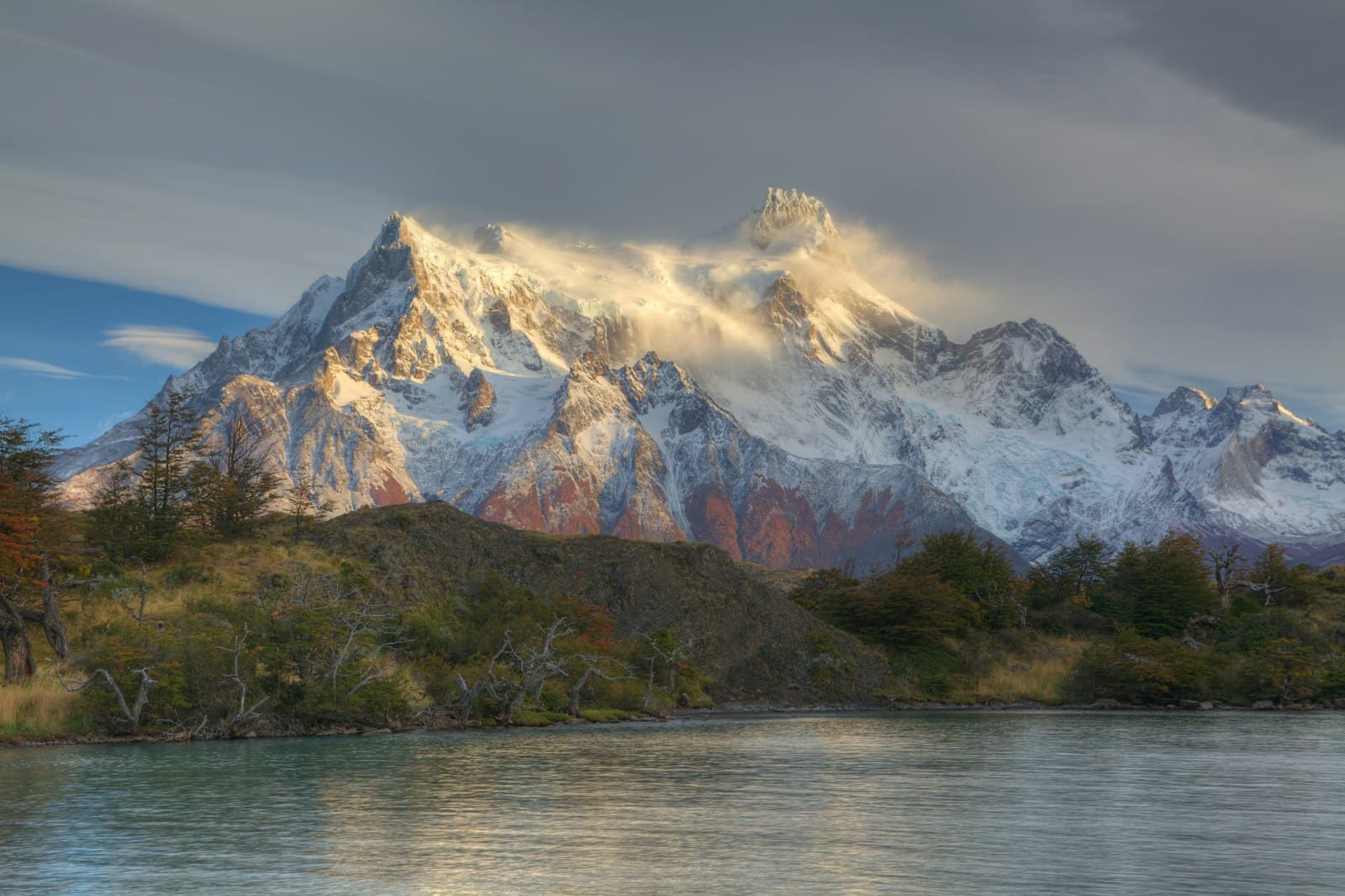
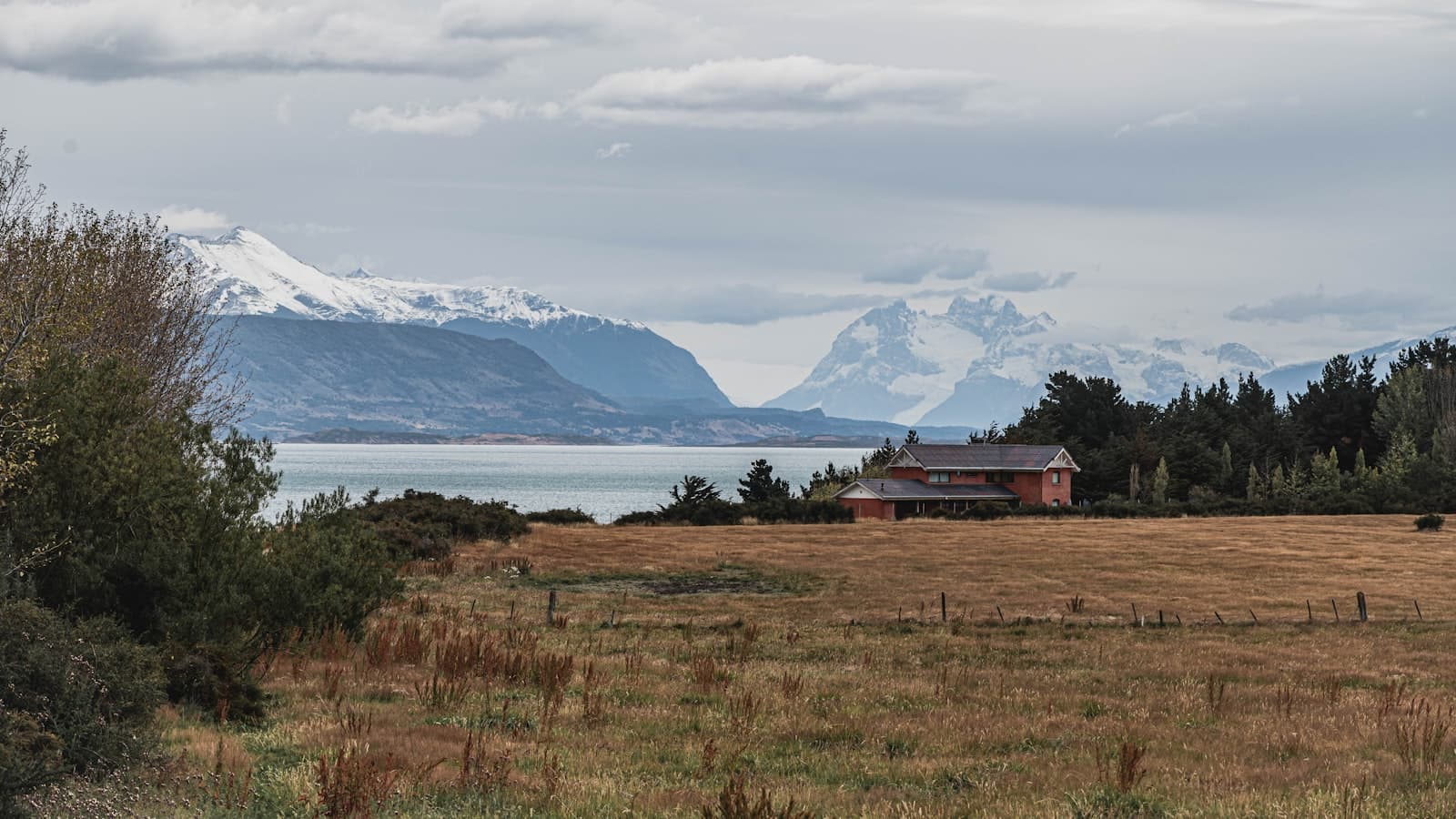
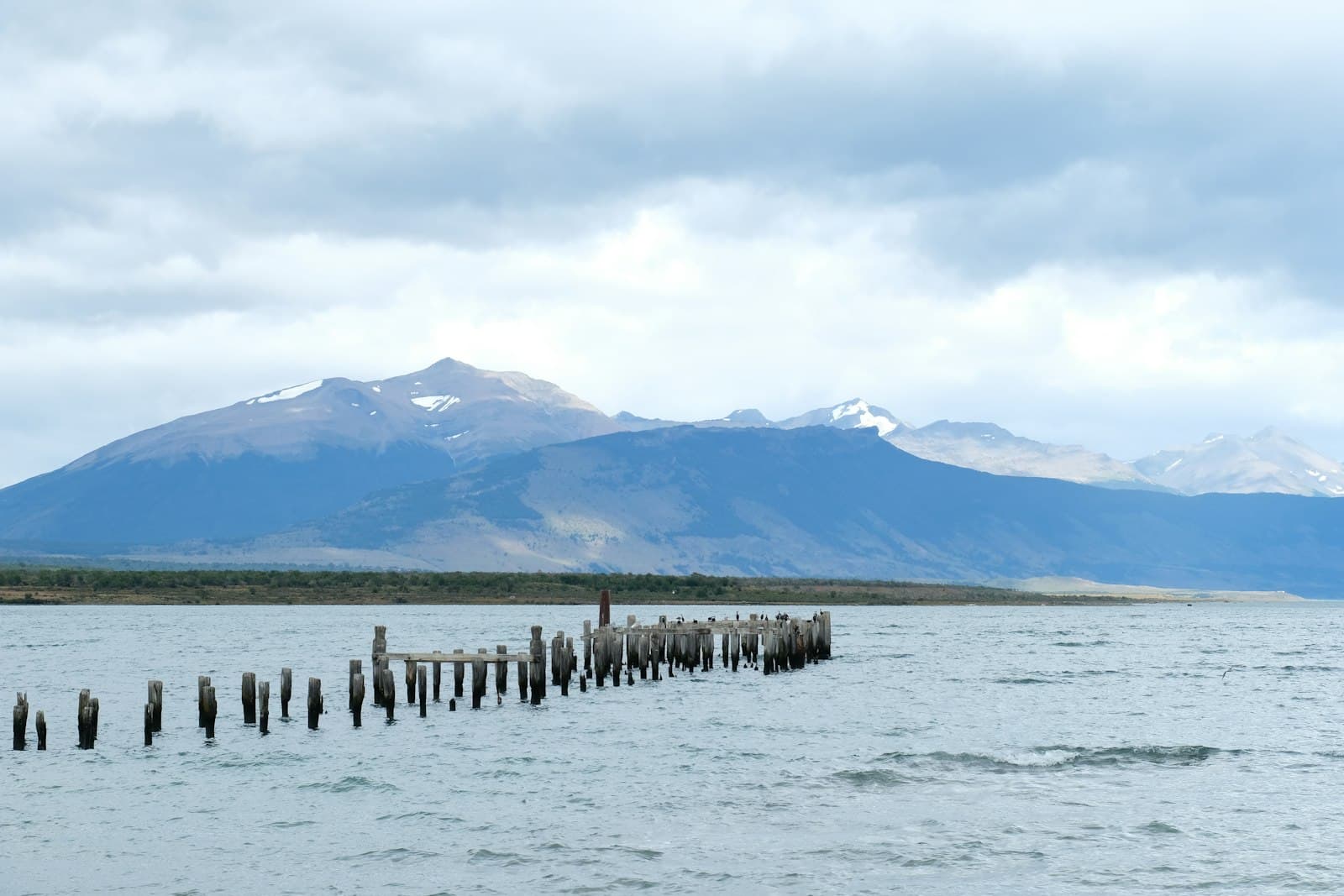
Your self-guided audio tour of Puerto Natales is ready — pick your landmarks, choose your language, and start the moment you arrive.
BuyLume has a built-in augmented-reality guide. Hold your phone up and its camera shows the street ahead of you, with a glowing arrow laid over the real view that always points to your next stop — no map to puzzle over, no wrong turns. Like everything in Lume, it works fully offline.
Puerto Natales, a lively port town on the Última Esperanza Sound in Chilean Patagonia, serves as the primary entry point to the widely recognized Torres del Paine National Park. This settlement, with its colorful structures and a clear frontier spirit, offers more than just a convenient base for those embarking on treks; it is a destination that combines rugged natural splendor with an unexpected depth of culture and history. While many travelers use it as a starting point for expeditions into the surrounding wilderness, taking time to explore Puerto Natales itself reveals an inviting atmosphere, a developing culinary landscape, and a distinctive local identity.
From its dramatic location where snow-capped peaks meet deep fjords to the palpable sense of isolation that fosters a robust community, Puerto Natales invites closer inspection. The town's waterfront, adorned with artistic sculptures and vistas across the Last Hope Sound, provides a peaceful space for reflection. Beyond its function as a logistical center, Puerto Natales is a place where the Patagonian spirit is evident, offering a genuine welcome before or after venturing into the wild core of the region.
For thousands of years, the lands surrounding Puerto Natales were home to the Kawéskar and Tehuelche indigenous tribes, who navigated the intricate waterways of southern Patagonia. The first European to officially encounter the area was Spanish sailor Juan Ladrillero in 1557, who, in his search for the Strait of Magellan, named the fjord Última Esperanza, or 'Last Hope,' believing it to be his final opportunity to find the passage. Three centuries later, in 1830, the HMS Beagle, carrying Charles Darwin and Patagonian explorer Robert FitzRoy, sailed through these fjords, further documenting the region.
The town of Puerto Natales itself was formally established on May 31, 1911, primarily to function as a crucial port for the growing sheep and wool industry. This flourishing trade drew a varied wave of immigrants from Europe, including British, Irish, German, Croatian, Italian, Spanish, and Greek settlers, alongside many Chileans from the island of Chiloé. These communities contributed to the distinct cultural fabric of the region, blending industrial rigor with traditional gaucho life. The construction of substantial cold-storage facilities, such as the one at Puerto Bories, which began operations in 1913, cemented Puerto Natales' role as an economic engine, exporting Patagonian lamb and wool to Europe.
As the sheep industry declined in the latter half of the 20th century, the town's economy gradually shifted. Many residents found employment in the coal mines of nearby Río Turbio in Argentina. Today, tourism has become the main industry, with Puerto Natales transforming into a well-appointed center for visitors heading to Torres del Paine National Park and beyond. The preserved industrial heritage, like the former Frigorífico Bories complex, now a national monument and a luxury hotel, stands as a testament to its enduring past.
Puerto Natales presents a variety of activities both within the town and its immediate surroundings. A walk along the Costanera waterfront provides expansive views of the Última Esperanza Sound and the Señoret Channel, featuring artistic sculptures and the evocative remains of the historic Braun and Blanchard pier. The Mylodon Cave Natural Monument, a short drive from town, is an important archaeological site where remains of an extinct giant ground sloth were discovered. Visitors can explore the large cavern and observe a life-size sculpture of the mylodon.
For a glimpse into local history, the Municipal Historical Museum displays artifacts from the Kawéskar and Tehuelche tribes, along with photographs and objects chronicling the area's colonization. Glacier cruises from Puerto Natales offer the opportunity to witness the dramatic landscapes of the Southern Patagonian Ice Field, including the Balmaceda and Serrano Glaciers within Bernardo O'Higgins National Park. One can also experience Patagonian ranch life by visiting a working estancia like Estancia Lago Pinto, which offers insight into sheep farming traditions. For those seeking a distinctive evening, the Last Hope Distillery provides tours and craft cocktails crafted with local ingredients.
The ideal time to visit Puerto Natales, particularly for exploring Torres del Paine National Park, is during the warmer months from October to April. Summer, from December to February, offers the longest daylight hours and most comfortable temperatures, perfect for trekking and glacier excursions. However, this period also represents peak tourist season, so anticipate more people and higher prices. The shoulder seasons of spring (October-November) and autumn (March-April) offer quieter trails, blooming wildflowers, and excellent opportunities for observing wildlife, with still pleasant temperatures. Winter (May-September) brings colder conditions, shorter daylight, and increased chances of snow, making some treks more challenging and often requiring a guide.
Puerto Natales is a compact and easily traversable town, making it simple to explore on foot. For travel to Torres del Paine National Park, frequent buses operate during trekking season (November-April) from the Terminal Rodoviario. Taxis and tour operators also provide transportation to trailheads. For arrivals, international flights land in Santiago, Chile, with domestic connections to either Punta Arenas or, more conveniently, directly to Puerto Natales (though direct flights may be less frequent). From Punta Arenas, Puerto Natales is a three-hour bus journey. Those arriving from Argentinian Patagonia can travel overland by bus from El Calafate. While generally secure, prices in Puerto Natales can be higher than in other parts of Chile due to its remote location and popularity as a tourist destination. Many locals in tourist-facing roles communicate in English.
Puerto Natales in Korean, in Chinese or in Hebrew — and 29 more languages, every stop narrated by a native voice. The widest language range of any self-guided audio tour.
Available in: