Dendera Temple
The lively colors inside Dendera Temple are unlike almost any other ancient Egyptian site.
Full story unlocks in the tour
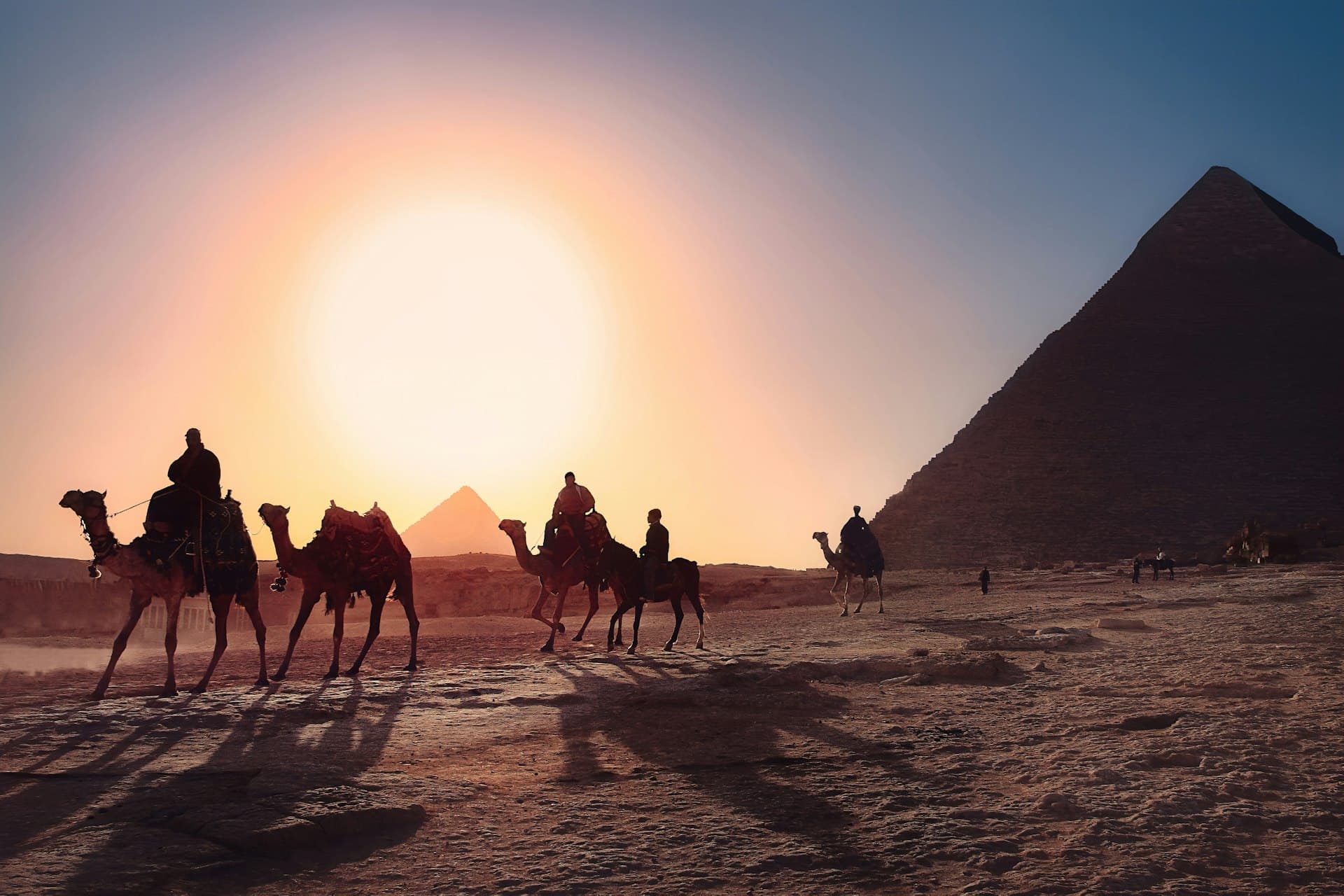 Photo: simon / Unsplash
Self-guided audio walking tour of Qena — GPS route, offline playback, story-driven narration in 32 languages.
“Where ancient echoes meet the rhythms of the Nile.”
Not the postcards. The stories even locals don't know — whispered in your ear, right where they happened.
The lively colors inside Dendera Temple are unlike almost any other ancient Egyptian site.
The very name of Qena hints at a protective embrace.
Qena is renowned throughout Egypt for a particular craft, a secret passed down through generations.
Discover every secret of Qena
Every address, every reveal in full — in your ear, right where it happened.
You pick your stops. You walk. The voice reveals what the others miss.
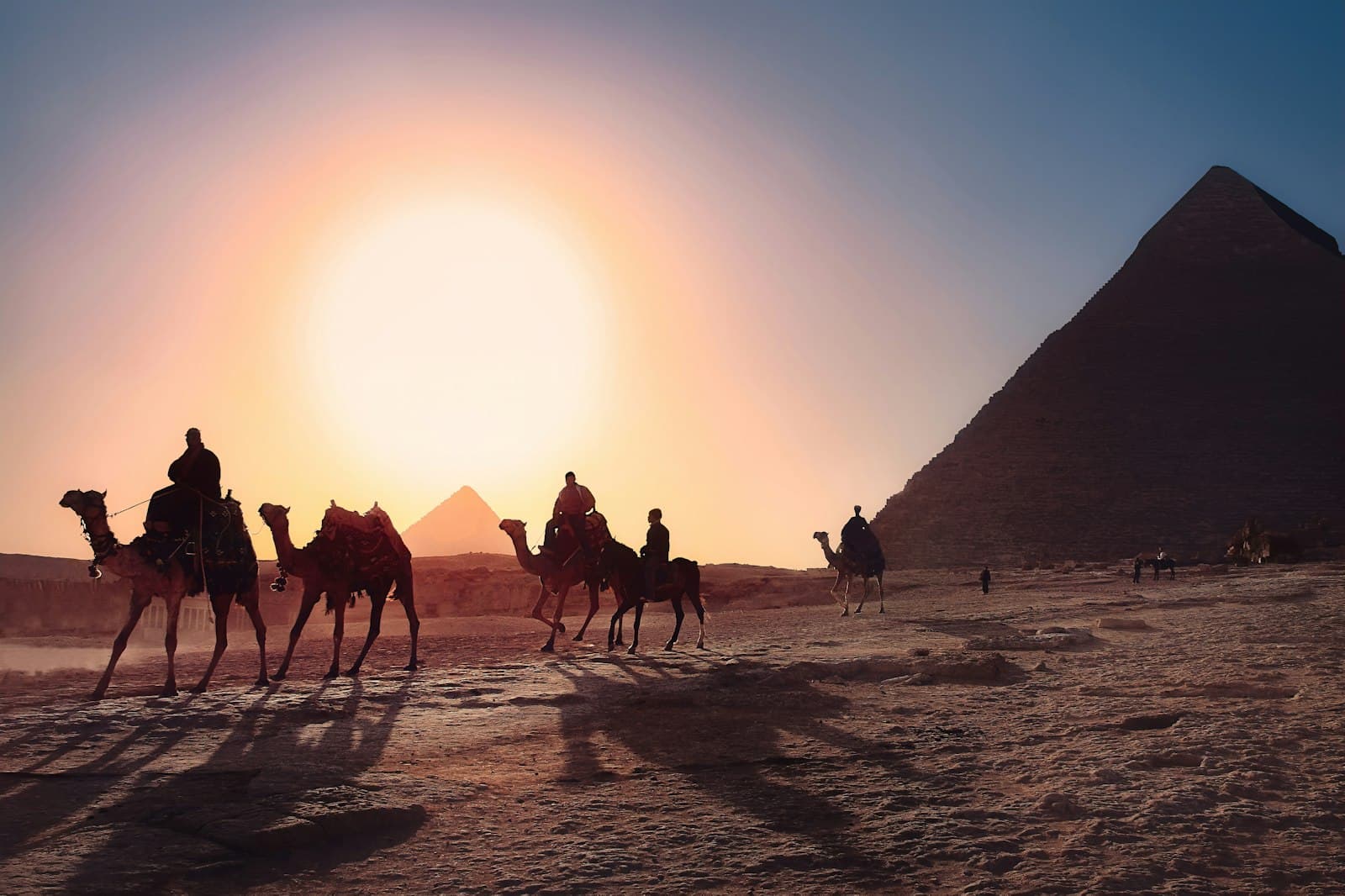
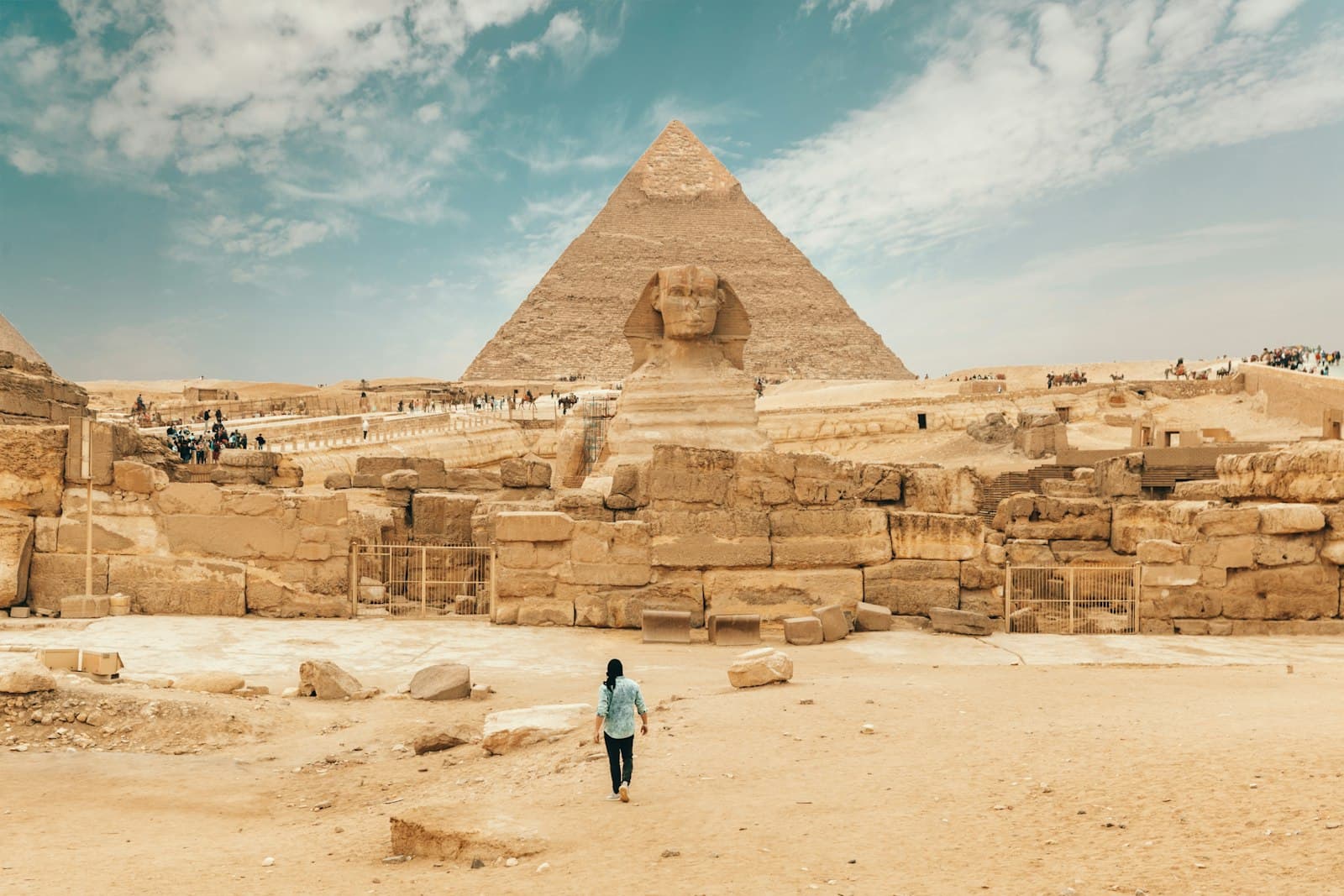
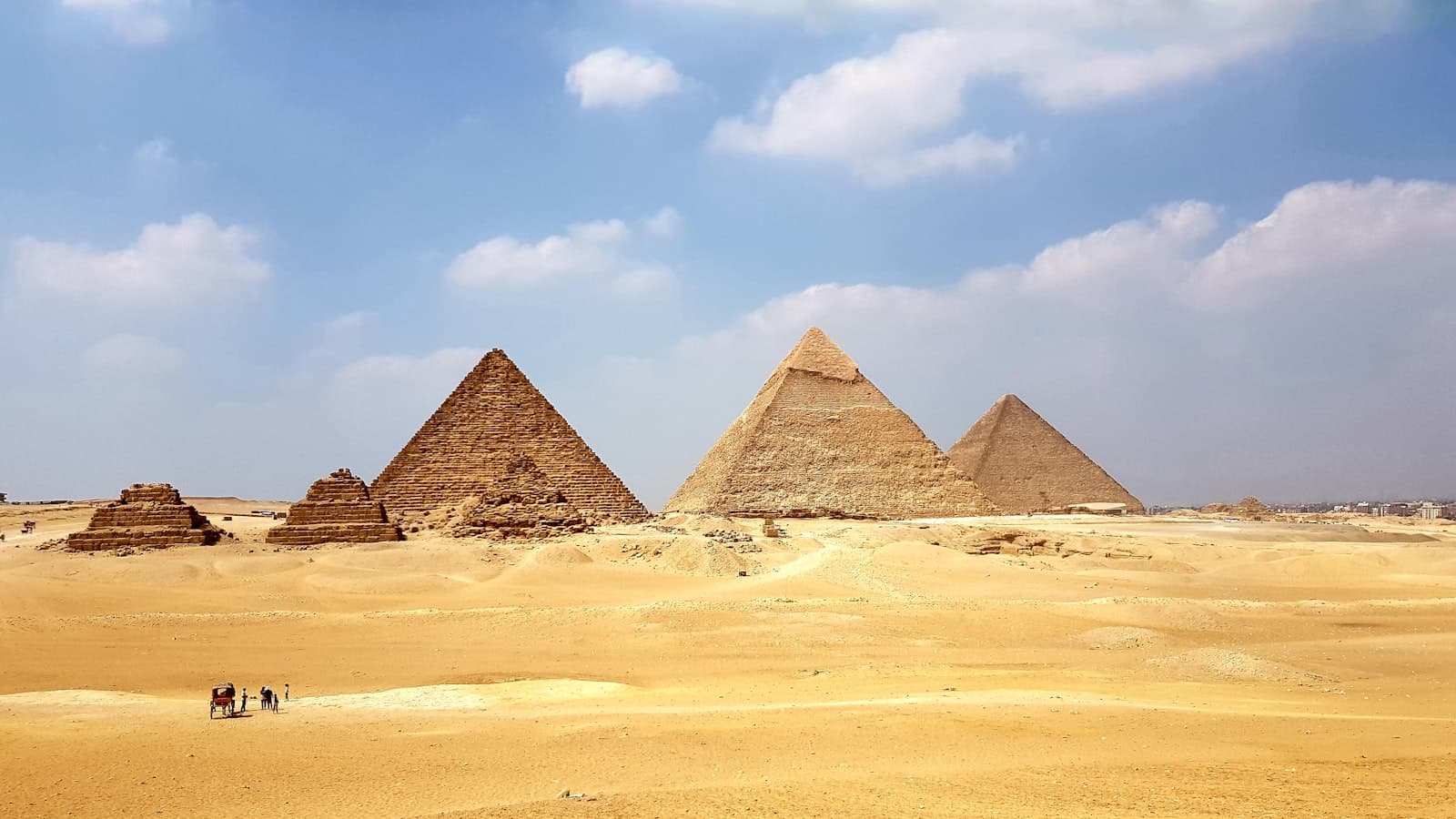
Your self-guided audio tour of Qena is ready — pick your landmarks, choose your language, and start the moment you arrive.
BuyLume has a built-in augmented-reality guide. Hold your phone up and its camera shows the street ahead of you, with a glowing arrow laid over the real view that always points to your next stop — no map to puzzle over, no wrong turns. Like everything in Lume, it works fully offline.
Qena, the capital of its namesake governorate, rests on the eastern bank of the Nile in Upper Egypt. Often serving as a portal to the magnificent Dendera Temple complex, Qena itself offers an authentic glimpse into daily Egyptian life, away from more heavily touristed areas. It is a city where traditional mud-brick houses stand alongside modern buildings, and active markets display everything from fresh produce to handmade crafts.
With a population of approximately 200,000, Qena acts as a crucial link between the Nile Valley and the Red Sea coast, a role it has played for centuries. Its strategic location has shaped its narrative, making it a crossroads for trade and cultural exchange. For travelers seeking an authentic experience, Qena provides a refreshing, unpolished encounter with Egyptian culture and hospitality.
The history of Qena stretches back to antiquity, with evidence of human presence near Taramsa Hill dating back some 68,000 BCE. In ancient Egyptian times, a settlement existed on the site of modern Qena under the name Shabt. However, it was often overshadowed by the larger religious center of Dendera.
During the Greco-Roman period, from the 4th century BCE to the 4th century CE, the city gained new prominence and was renamed Caene, or Kainepolis, meaning 'New City.' This era marked a significant shift, as Qena became an important administrative and trade hub. Its advantageous position at a large bend in the Nile made it a vital river port, and it served as the starting point for caravans traversing the Wadi Hammamat to Red Sea ports. This trade route was crucial for commerce with Arabia, India, and other Eastern countries, particularly during the Roman and later Islamic periods.
Qena continued to flourish as a commercial center during the Fatimid and Mamluk eras, from the 10th to the 16th centuries. It became a major transit point for goods like spices and textiles. The city also developed a strong Islamic heritage, becoming a center of Islamic scholarship in Upper Egypt. The Sidi Abdel Rahim al-Kenawi Mosque, built over the tomb of Sufi saint Abd el-Rahim al-Kenawi, became an important spiritual center and pilgrimage site after his death in 1195.
In more modern times, Qena experienced a revival during and after World War II, driven by its strategic location and its status as a governorate capital. The construction of a bridge across the Nile and upgrades to the Upper Egypt highway further enhanced its importance as a transport hub. Today, Qena is a significant agricultural and industrial governorate, leading Egypt in the production of sugarcane, tomatoes, bananas, sesame, and hibiscus.
The undisputed highlight of any visit to Qena is the Dendera Temple Complex, located approximately 5 kilometers from the city. Dedicated to Hathor, the goddess of love, joy, and motherhood, it is considered one of the best-preserved temples in all of Egypt. Visitors can marvel at its reliefs, intricate carvings, and the colors that still adorn its walls and ceilings. Do not miss the famous Zodiac ceiling, a unique circular depiction of the constellations, and the mysterious underground crypts.
Beyond Dendera, Qena offers a glimpse into local life. Explore the Qena Museum in the heart of the city, which houses archaeological finds illustrating the region's history over millennia. Stroll through the local markets to experience a lively hub of activity, where you can interact with vendors and sample traditional foods. The Sidi Abdel Rahim al-Kenawi Mosque is an architectural landmark with intricate designs and a serene atmosphere, reflecting the city's Islamic heritage. For a peaceful escape, take a leisurely walk along the Nile Riverbank or enjoy a boat ride, offering views of the river and its lush surroundings.
The ideal time to visit Qena is during the cooler months, from October to April. During this period, the weather is pleasant and mild, with temperatures ranging from approximately 7°C to 28°C, making it perfect for exploring outdoor attractions like the Dendera Temple. The summer months, from May to September, are generally very hot, with temperatures often exceeding 39°C, which can be uncomfortable for sightseeing.
Qena is well-connected to other major Egyptian cities. You can reach Qena by car or taxi, with day tours often available from Luxor, which is about 60-65 km away. Trains also connect Qena with Cairo and southern cities like Aswan. While Qena does not have its own airport, Luxor International Airport is nearby.
When visiting, it is advisable to dress modestly, covering shoulders and knees, especially when visiting mosques and monasteries, as Qena is a conservative city. Comfortable walking shoes are recommended for exploring sites like Dendera. The primary language spoken is Arabic, though English is generally understood in tourist areas. Carrying small denominations of Egyptian Pounds is useful for local transactions.
Qena in Korean, in Chinese or in Hebrew — and 29 more languages, every stop narrated by a native voice. The widest language range of any self-guided audio tour.
Available in: