Templo de la Cruz
Der Wanderstab eines Franziskanermönchs, der im Garten des Templo de la Cruz gepflanzt wurde, soll einen seltsamen Baum hervorgebracht haben.
Die ganze Geschichte wird in der Tour freigeschaltet
 Flores 1299 / CC BY-SA 4.0, via Wikimedia Commons
Selbstgeführte Audio-Walking-Tour durch Querétaro — GPS-Route, Offline-Wiedergabe, erzählerische Narration in 32 Sprachen.
“Wo alte Steine Geschichten flüstern und eine lebendige Gegenwart sich entfaltet.”
Nicht die Postkarten. Die Geschichten, die selbst Einheimische nicht kennen – dir ins Ohr geflüstert, genau dort, wo sie geschahen.
Der Wanderstab eines Franziskanermönchs, der im Garten des Templo de la Cruz gepflanzt wurde, soll einen seltsamen Baum hervorgebracht haben.
Der Funke der mexikanischen Unabhängigkeitsbewegung wurde heimlich innerhalb der Mauern der Residenz eines königlichen Beamten entzündet.
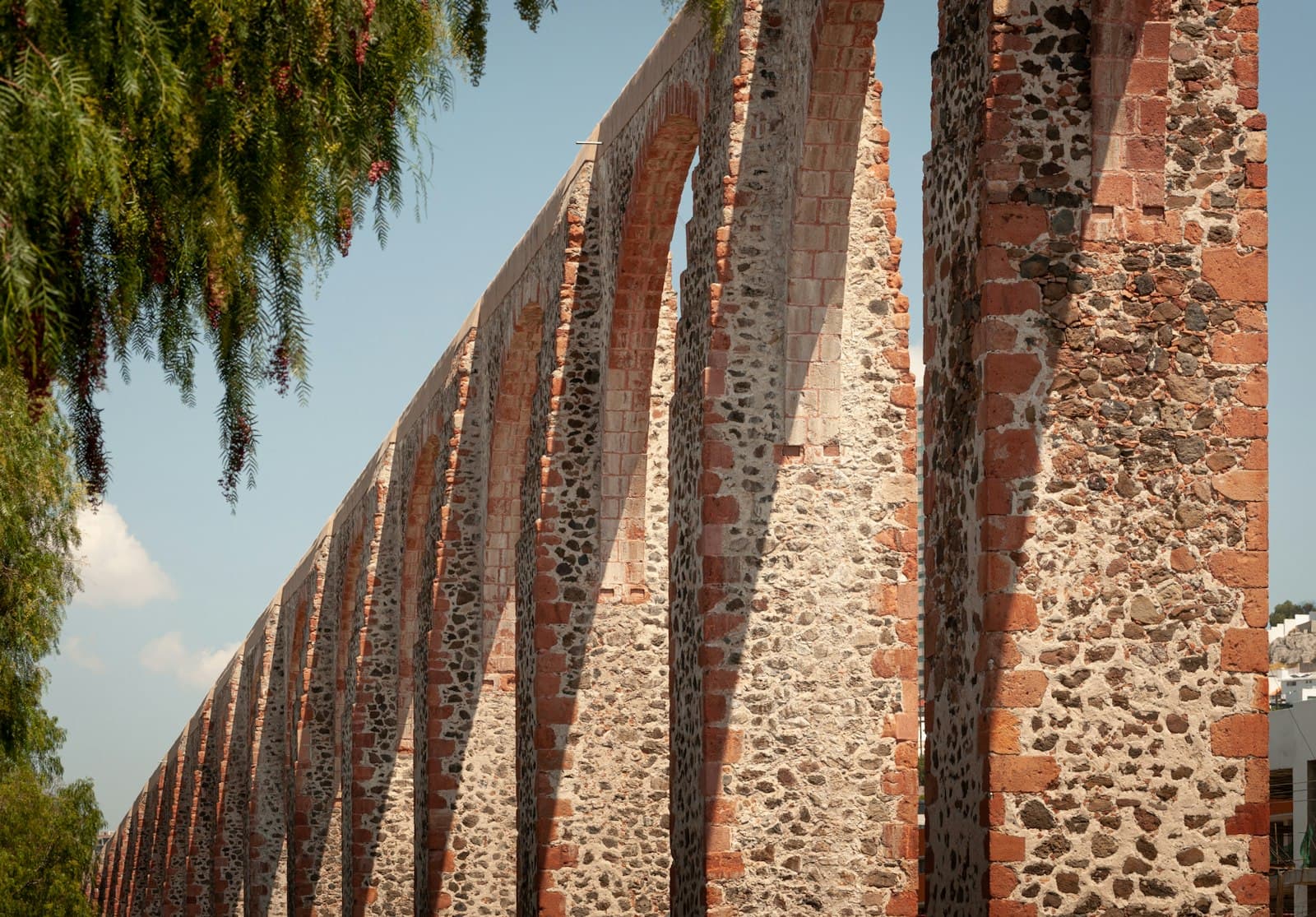
Das prägende Aquädukt der Stadt, ein ingenieurtechnisches Meisterwerk aus dem 18. Jahrhundert, soll als Liebesbeweis errichtet worden sein.
Entdecke jedes Geheimnis von Querétaro
Jede Adresse, jede Enthüllung vollständig – in deinem Ohr, genau dort, wo es geschah.
Du wählst deine Stationen. Du gehst. Die Stimme enthüllt, was andere übersehen.
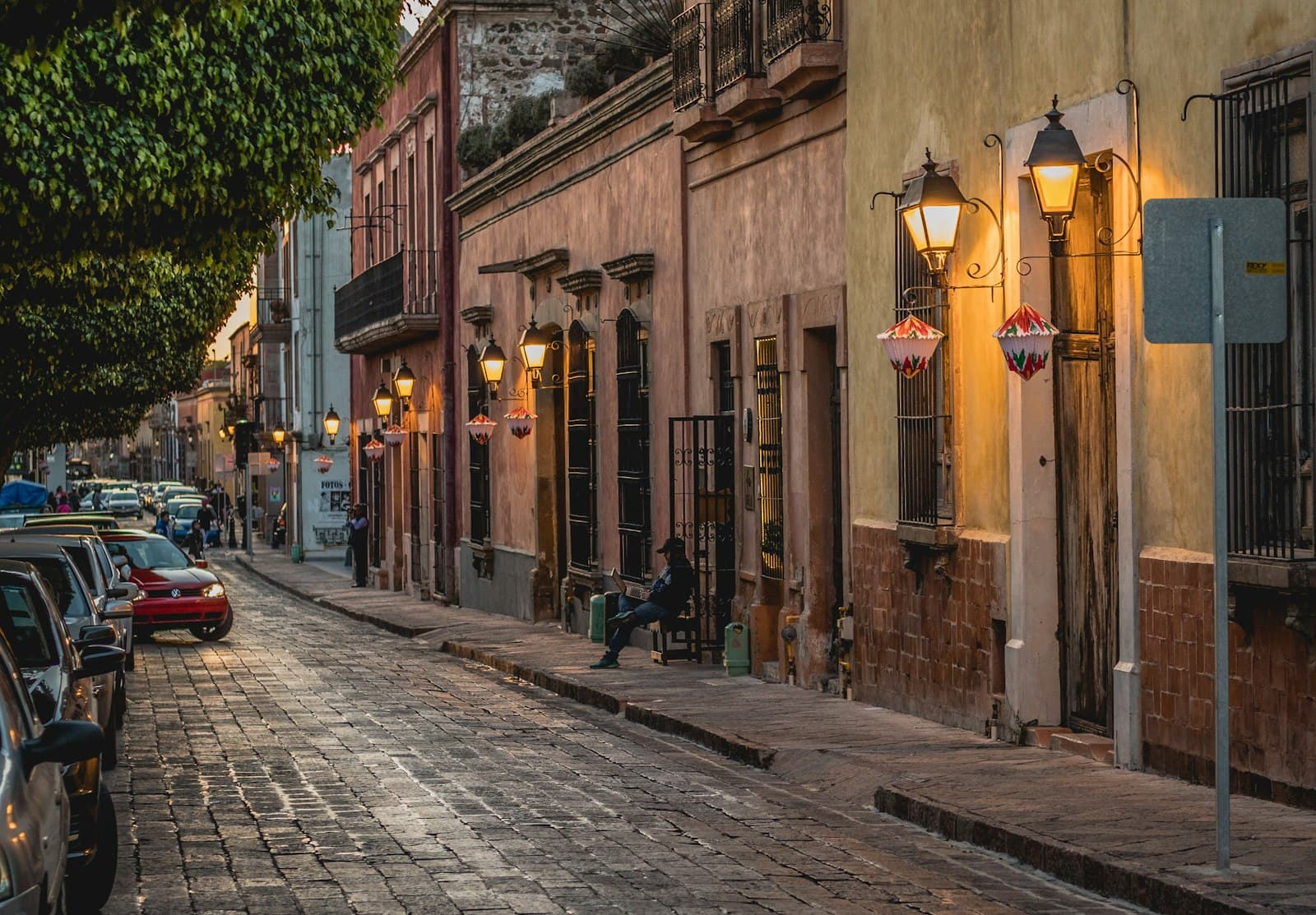
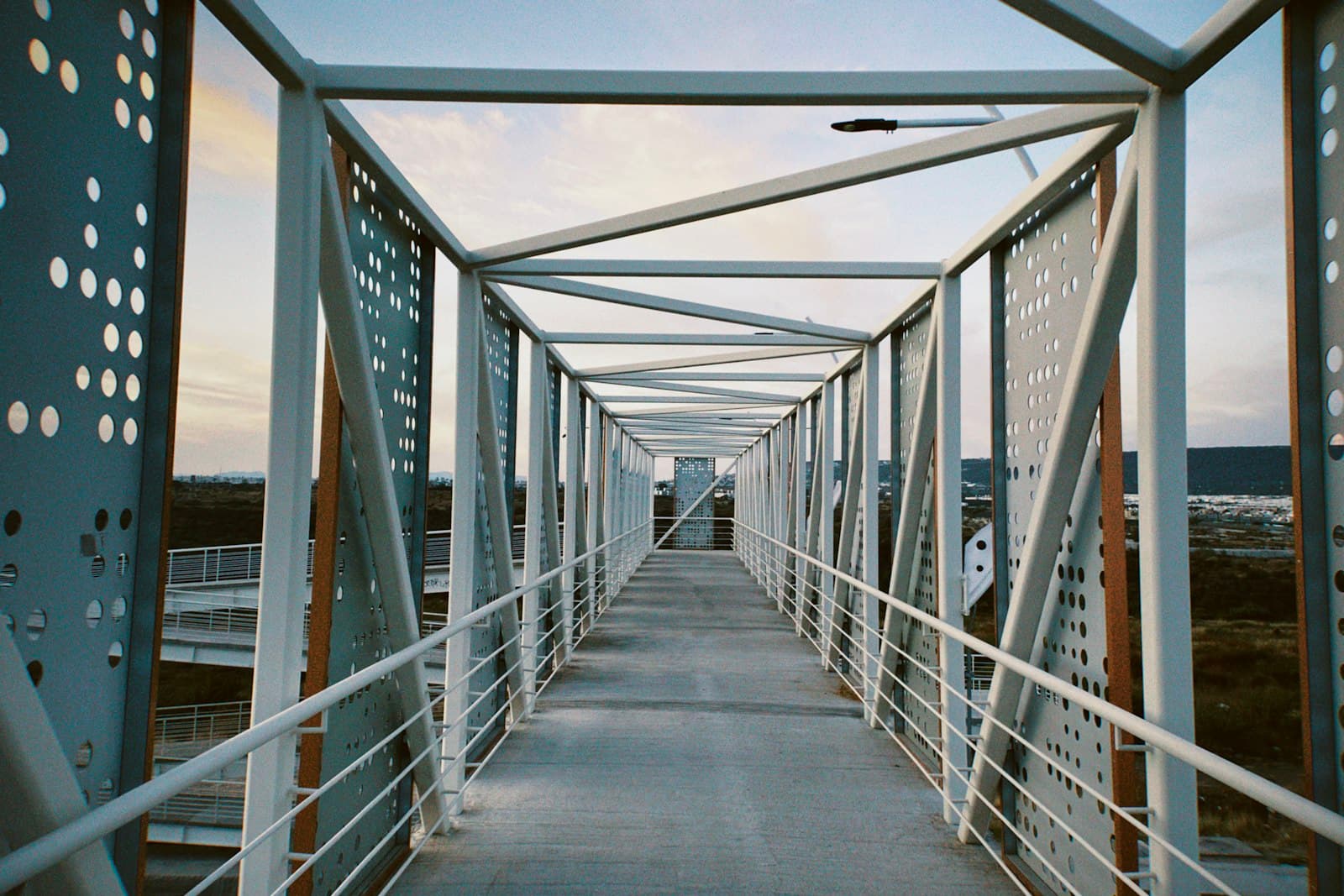
Deine selbstgeführte Audio-Tour durch Querétaro ist bereit – wähle deine Sehenswürdigkeiten, deine Sprache und starte, sobald du ankommst.
KaufenLume enthält einen integrierten Augmented-Reality-Guide. Halten Sie Ihr Handy hoch: Die Kamera zeigt die Straße vor Ihnen, mit einem leuchtenden Pfeil über dem echten Bild, der immer auf Ihren nächsten Stopp zeigt — keine Karte zum Rätseln, keine falschen Abzweigungen. Wie alles bei Lume funktioniert es komplett offline.
Santiago de Querétaro, oft einfach Querétaro genannt, liegt in Zentralmexiko, etwa 210 km nordwestlich von Mexiko-Stadt. Auf dem Mexikanischen Plateau in etwa 1.860 Metern Höhe gelegen, wurde sein gut erhaltenes historisches Zentrum 1996 zum UNESCO-Weltkulturerbe erklärt. Querétaro ist bekannt für seine spanische Kolonialarchitektur, barocke Gebäude und ein markantes Aquädukt aus rosa Stein. Es bietet eine überzeugende Mischung aus Tradition und Fortschritt und hat sich zu einem wichtigen Wirtschafts- und Kulturzentrum in Mexiko entwickelt.
Der historische Kern der Stadt präsentiert ein faszinierendes Labyrinth von Fußgängerzonen, belebten Plätzen und Gebäuden aus der Kolonialzeit, von denen einige bis ins 16. Jahrhundert zurückreichen. Neben seiner architektonischen Schönheit ist Querétaro bekannt für seine hohe Lebensqualität, sein gemäßigtes Klima und ein starkes Sicherheitsgefühl, was es zu einem attraktiven Reiseziel für Einwohner und Besucher macht.
## Von indigenen Wurzeln zu kolonialer Pracht Querétaros Geschichte reicht bis in vorspanische Zeiten zurück, mit landwirtschaftlichen Siedlungen, die um 500 v. Chr. in Gebieten wie San Juan del Río und Huimilpan gegründet wurden. Die Region spürte den Einfluss der Teotihuacan-Zivilisation und wurde später von indigenen Gruppen wie den Otomí, Tarascan und Chichimeca bewohnt. Mitte des 13. Jahrhunderts geriet die Region unter aztekische Herrschaft.
Die Stadt Querétaro wurde am 25. Juli 1531 offiziell gegründet, nachdem ein Bündnis zwischen dem spanischen Konquistador Hernán Pérez de Bocanegra und dem Otomí-Lord Conín (Fernando de Tapia) die Region unter spanische Kontrolle gebracht hatte. Die Legende besagt, dass eine wundersame Erscheinung des Heiligen Jakobus des Älteren während einer Schlacht eine friedliche Lösung sicherte, was zur offiziellen Benennung der Stadt Santiago de Querétaro führte.
## Wiege der Unabhängigkeit und Kreuzung der Reiche Während der Kolonialzeit wuchs Querétaro in strategischer und wirtschaftlicher Bedeutung und diente als wichtige Verbindung zwischen den neu eroberten nördlichen Gebieten und Mexiko-Stadt. Seine multikulturelle Bevölkerung aus Otomí, Tarascan, Chichimeca und spanischen Einwohnern trug zu seinem kulturellen Reichtum bei. Die Stadt wurde zu einer wichtigen Basis für die franziskanische Missionsarbeit und zu einem Versorgungszentrum für die produktiven Bergbaudistrikte von Guanajuato und Zacatecas.
Querétaro spielte eine entscheidende Rolle im Kampf Mexikos um die Unabhängigkeit. Anfang des 19. Jahrhunderts war es Schauplatz der Querétaro-Verschwörung, einer geheimen Bewegung, die einen Aufstand gegen die spanische Herrschaft plante. Die Verschwörung, an der Persönlichkeiten wie Miguel Hidalgo y Costilla und Josefa Ortiz de Domínguez beteiligt waren, wurde im September 1810 aufgedeckt und führte zum sofortigen Ruf nach Unabhängigkeit. Später, im Jahr 1867, wurde in Querétaro Kaiser Maximilian I. von den Truppen Benito Juárez' besiegt und anschließend auf dem Hügel der Glocken hingerichtet. Die Stadt hat auch die Auszeichnung, dass die mexikanische Verfassung von 1917 im Teatro de la República ausgearbeitet und verkündet wurde.
## Modernes Wachstum und kulturelles Erbe Im 20. Jahrhundert erlebte Querétaro eine beträchtliche Expansion und wurde zu einem wichtigen Industrie- und Wirtschaftszentrum. Heute ist es bekannt für seine vielfältigen Industrien, darunter IT, Automobil, Luft- und Raumfahrt sowie Lebensmittelverarbeitung. Das Engagement der Stadt, ihre Vergangenheit zu bewahren und gleichzeitig die Zukunft zu gestalten, zeigt sich in ihrem UNESCO-geschützten historischen Zentrum, das ihr koloniales Erbe neben modernen Annehmlichkeiten wunderschön präsentiert.
Beginnen Sie Ihre Erkundung im sehr gut zu Fuß erkundbaren historischen Zentrum von Querétaro, einem UNESCO-Weltkulturerbe. Schlendern Sie durch die Fußgängerzonen und entdecken Sie zahlreiche Plätze wie den Jardín Zenea, die Plaza de Armas und den Jardín Guerrero, auf denen oft Live-Musik und kulturelle Veranstaltungen stattfinden. Bewundern Sie die koloniale Architektur, einschließlich der kunstvollen barocken Designs von Kirchen wie Santa Rosa de Viterbo und Santa Clara.
Ein herausragendes Merkmal der Stadt ist das Aquädukt von Querétaro, eine 9 km lange Struktur mit 74 Steinbögen, von denen einige 23 Meter hoch sind. Für einen unvergesslichen Ausblick begeben Sie sich zum Aussichtspunkt Mirador de los Arcos, besonders bei Sonnenuntergang. Tauchen Sie ein in die tiefgreifende Geschichte Mexikos auf dem Cerro de las Campanas (Hügel der Glocken), wo Kaiser Maximilian I. hingerichtet wurde. Die Stätte umfasst eine Kapelle und eine kolossale Statue von Benito Juárez. Besuchen Sie das Teatro de la República, wo die mexikanische Verfassung von 1917 ratifiziert wurde.
Für einen tieferen Einblick in die Kultur erkunden Sie Museen wie das Museo Regional de Querétaro, das in einem ehemaligen Franziskanerkloster untergebracht ist, oder das Museo del Calendario (MUCAL), ein überraschend ansprechendes Kalendermuseum. Verpassen Sie nicht die Gelegenheit, eine regionale Gordita auf einem lokalen Markt wie dem Mercado La Cruz zu probieren. Für ein einzigartiges Erlebnis sollten Sie einen Tagesausflug zur nahegelegenen Peña de Bernal, einem der größten Monolithen der Welt, in Erwägung ziehen oder die sich entwickelnden Wein- und Käserouten der Region erkunden.
Querétaro genießt das ganze Jahr über ein gemäßigtes Klima. Die ideale Zeit für warmes und sonniges Wetter ist von Februar bis März. Für allgemeine touristische Aktivitäten im Freien bietet der Zeitraum von Anfang April bis Anfang Juni klare, regenfreie Tage mit angenehmen Temperaturen. Die trockensten und sonnigsten Monate sind generell Oktober bis April. Während der Regen am häufigsten von Juli bis August fällt, kommt er oft als vereinzelte Nachmittagsschauer, die zur Abkühlung der Luft beitragen. November bis Februar bietet mildere Bedingungen mit geringem Niederschlag und geringer Luftfeuchtigkeit. September ist ebenfalls eine lebhafte Zeit für einen Besuch, da die Stadt für die Feierlichkeiten zum mexikanischen Unabhängigkeitstag geschmückt ist.
Querétaro gilt als eine der sichersten Städte Mexikos mit einer geringen Kriminalitätsrate. Obwohl im Allgemeinen sicher, ist es immer ratsam, gesunden Menschenverstand walten zu lassen, z. B. nachts nicht allein spazieren zu gehen. Die offizielle Währung ist der Mexikanische Peso (MXN). Sie können Geld in lokalen Geschäften umtauschen, aber es ist oft kostengünstiger, Geldautomaten zu benutzen und sich den Betrag in mexikanischen Pesos auszahlen zu lassen, um einen fairen Kurs zu erhalten. Vermeiden Sie den Geldwechsel an Flughäfen oder Hotels, da die Kurse dort in der Regel ungünstiger sind.
Das historische Zentrum der Stadt ist gut zu Fuß erkundbar, mit vielen fußgängerfreundlichen Straßen. Für längere Strecken verfügt Querétaro über ein ausgedehntes Busnetz mit über 70 Linien, darunter einige Nachtdienste. Busse akzeptieren QROBus-Prepaid-Karten, die vor Ort erworben werden können. Taxis und Fahrdienste wie Uber sind ebenfalls leicht verfügbar. Querétaro ist per Bus gut mit Mexiko-Stadt verbunden, mit komfortablen Diensten, die häufig von den wichtigsten Terminals verkehren. Die Anreise nach Querétaro mit dem Auto ist ebenfalls über Mautstraßen effizient. Ein internationaler Flughafen (QRO) bedient die Stadt mit Flügen zu wichtigen US-Städten und anderen mexikanischen Zielen.
Querétaro — Koreanisch, Chinesisch, Hebräisch und 29 weitere Sprachen, jede Station von einer muttersprachlichen Stimme erzählt. Die größte Sprachauswahl aller selbstgeführten Audiotouren.
Verfügbar auf: