Basilica del Voto Nacional
Schauen Sie sich die Wasserspeier dieser beeindruckenden neugotischen Basilika genau an.
Die ganze Geschichte wird in der Tour freigeschaltet
 Asamblea Nacional del Ecuador / CC BY-SA 2.0, via Wikimedia Commons
Selbstgeführte Audio-Walking-Tour durch Quito — GPS-Route, Offline-Wiedergabe, erzählerische Narration in 32 Sprachen.
“Wo Vulkangipfel auf goldene Altäre treffen und alte Echos mit modernen Rhythmen verschmelzen.”
Nicht die Postkarten. Die Geschichten, die selbst Einheimische nicht kennen – dir ins Ohr geflüstert, genau dort, wo sie geschahen.
Schauen Sie sich die Wasserspeier dieser beeindruckenden neugotischen Basilika genau an.
Diese Kirche ist berühmt für ihr opulentes Inneres, aber das wahre 'Geheimnis' liegt in ihrer Konstruktion.
Sie können mit einem Fuß in jeder Hemisphäre stehen, aber nicht alle Äquatorlinien sind gleich.
Entdecke jedes Geheimnis von Quito
Jede Adresse, jede Enthüllung vollständig – in deinem Ohr, genau dort, wo es geschah.
Du wählst deine Stationen. Du gehst. Die Stimme enthüllt, was andere übersehen.


Deine selbstgeführte Audio-Tour durch Quito ist bereit – wähle deine Sehenswürdigkeiten, deine Sprache und starte, sobald du ankommst.
KaufenLume enthält einen integrierten Augmented-Reality-Guide. Halten Sie Ihr Handy hoch: Die Kamera zeigt die Straße vor Ihnen, mit einem leuchtenden Pfeil über dem echten Bild, der immer auf Ihren nächsten Stopp zeigt — keine Karte zum Rätseln, keine falschen Abzweigungen. Wie alles bei Lume funktioniert es komplett offline.
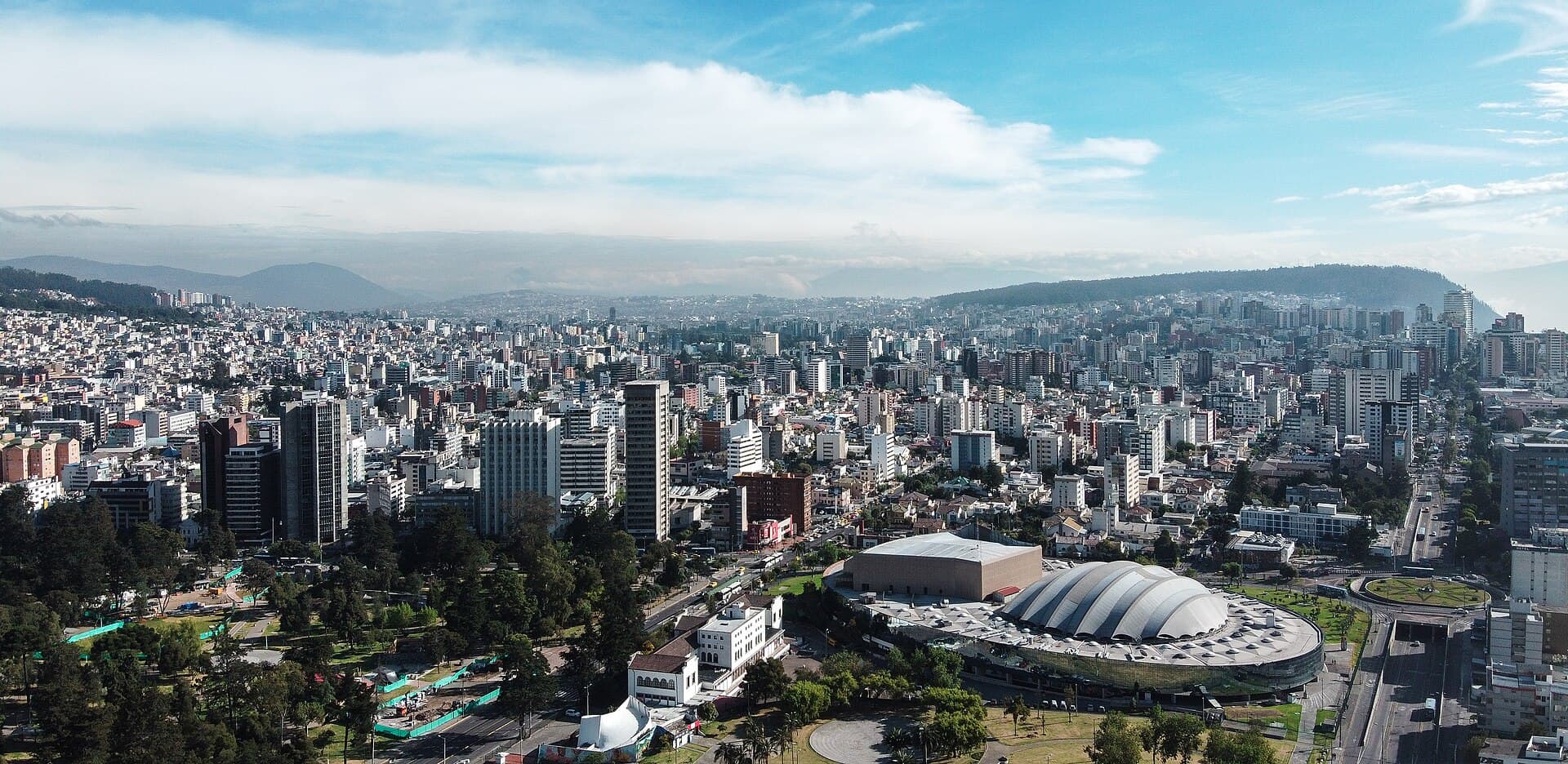
Quito, Ecuadors Hauptstadt, liegt in einem Andental auf 2.850 Metern Höhe und ist damit eine der höchstgelegenen Hauptstädte der Welt. Die Stadt wird von dramatischen Vulkanbergen eingerahmt, darunter der aktive Vulkan Pichincha, der eine beeindruckende natürliche Kulisse bietet. Ihr bemerkenswert gut erhaltenes historisches Zentrum, seit 1978 UNESCO-Weltkulturerbe, zeugt von ihrer kolonialen Vergangenheit mit engen Gassen, prächtigen Plätzen und verzierten Kirchen.
Quito ist eine Stadt der faszinierenden Kontraste, wo alte präkolumbianische Zivilisationen auf das Erbe spanischer Kolonialarchitektur treffen und indigene Kulturen mit einer geschäftigen, modernen Gesellschaft koexistieren. Von seiner zentralen Lage aus dient es als Tor zu Ecuadors vielfältigen Regionen, darunter der Amazonas-Regenwald und die Galapagos-Inseln. Die einzigartige Lage der Stadt am Äquator sorgt das ganze Jahr über für ein relativ konstantes, mildes Klima.
Das Gebiet des heutigen Quito hat eine Jahrtausende alte Geschichte. Archäologische Funde von den Hängen des Vulkans Ilaló deuten darauf hin, dass hier bereits 8000 v. Chr. Jäger und Sammler Obsidianwerkzeuge benutzten. Bis 1500 v. Chr. hatte die Cotocollao-Kultur im nördlichen Teil der Stadt permanente Siedlungen errichtet, was eine lange Tradition sesshaften Lebens im Tal belegt. Die Stadt hat ihren Namen von den Quitus, einem prä-inkaischen Stamm, der das Tal Jahrhunderte vor der Ankunft der Spanier bewohnte.
Im späten 15. Jahrhundert eroberte das Inkareich unter Kaiser Huayna Capac die Quitus und gliederte die Region in das Tahuantinsuyo ein, wodurch Quito zu einem strategischen Machtzentrum und einem Rivalen von Cusco wurde. Als die spanischen Konquistadoren unter der Führung von Sebastián de Benalcázar 1534 ankamen, soll der Inka-General Rumiñahui die Stadt niedergebrannt haben, um zu verhindern, dass ihre Schätze in spanische Hände fielen. Die Spanier gründeten am 6. Dezember 1534 offiziell San Francisco de Quito und bauten direkt auf den Ruinen der Inka. Der römische Katholizismus wurde eingeführt, und die erste Kirche Ecuadors wurde noch vor der offiziellen Stadtgründung in Quito errichtet.
Die spanische Kolonialzeit sah die Entwicklung des unverwechselbaren architektonischen und künstlerischen Erbes Quitos. Die Gründung einer Kunstschule im Jahr 1552 führte zur 'Escuela Quiteña' (Quitoer Kunstschule), einer religiösen Kunstbewegung, die indigene und spanische Einflüsse verband und ein Erbe bemerkenswerter Skulpturen und Gemälde hinterließ. Quito blieb bis ins frühe 20. Jahrhundert der Mittelpunkt der nationalen Angelegenheiten, als die Wirtschaftsmacht nach Guayaquil verlagert wurde. Die Stadt war ein Zentrum des Aufstands gegen die spanische Herrschaft mit Erhebungen in den Jahren 1765 und 1809. Am 10. August 1809 erklärte Quito als erste Stadt Lateinamerikas die Unabhängigkeit von Spanien und erhielt den Spitznamen 'Luz de América' (Licht Amerikas). Die endgültige Unabhängigkeit von Spanien wurde am 24. Mai 1822 in der Schlacht von Pichincha erreicht. 1978 wurde das historische Zentrum Quitos als eine der ersten Städte zum UNESCO-Weltkulturerbe erklärt, was seine bemerkenswert gut erhaltene Kolonialarchitektur würdigt.
Beginnen Sie Ihre Erkundung im historischen Zentrum von Quito, einem UNESCO-Weltkulturerbe seit 1978 und einem der am besten erhaltenen Kolonialzentren Lateinamerikas. Schlendern Sie über die Plaza Grande (Unabhängigkeitsplatz), umgeben vom Präsidentenpalast, der Metropolitankathedrale und anderen Kolonialgebäuden. Verpassen Sie nicht die Kirche La Compañía de Jesús, bekannt für ihr kunstvoll vergoldetes Inneres. Die Kirche und das Kloster San Francisco, einer der ältesten und größten religiösen Komplexe Südamerikas, bieten kunstvolle Holzschnitzereien und ein Gefühl der Geschichte des 16. Jahrhunderts.
Für einen atemberaubenden Blick über die Stadt nehmen Sie ein Taxi oder einen Tourbus zum Hügel El Panecillo, gekrönt von der geflügelten Marienstatue von Quito. Alternativ können Sie mit der TelefériQo-Seilbahn den Vulkan Pichincha hinauffahren und weite Ausblicke auf die Stadt und die umliegenden Andengipfel genießen. Eine kurze Fahrt nördlich des Stadtzentrums, das Denkmal Mitad del Mundo (Mitte der Welt), ermöglicht es Ihnen, auf dem Äquator zu stehen. Erkunden Sie die La Ronda Straße, eine gepflasterte Gasse mit Cafés, Galerien und Kunsthandwerksläden, die abends zum Leben erwacht. Für einen Einblick in das lokale Leben und Handwerk besuchen Sie den Mercado Central oder den Wochenend-Handwerksmarkt im El Ejido Park.
Quito hat ein subtropisches Bergklima mit konstant angenehmen Temperaturen das ganze Jahr über, bedingt durch seine Höhe und die Nähe zum Äquator. Die Stadt hat zwei Hauptjahreszeiten: eine Trockenzeit (Sommer) von Juni bis September und eine Regenzeit (Winter) von September bis Mai. Die beliebteste Reisezeit ist die Trockenzeit von Juni bis September, die klaren Himmel und angenehme Bedingungen für Erkundungen bietet. Juli und August sind besonders gute Monate mit geringen Niederschlägen und durchschnittlichen Tageshöchsttemperaturen von 18-21°C. Selbst während der Regenzeit fällt der Regen oft in kurzen, heftigen Schauern, hauptsächlich am Nachmittag, sodass die Vormittage mild und sonnig bleiben.
Quito liegt auf einer Höhe von 2.850 Metern über dem Meeresspiegel. Achten Sie daher auf mögliche Höhenkrankheit. Trinken Sie viel Wasser, ruhen Sie sich aus und ziehen Sie in Erwägung, Ihren Arzt bezüglich vorbeugender Maßnahmen zu konsultieren. Die Temperaturen sind tagsüber mild, können aber nachts kühl werden, packen Sie also Schichten, einschließlich warmer Kleidung. Sonnenschutzmittel und ein Hut sind aufgrund der hohen UV-Strahlung in dieser Höhe unerlässlich.
Der internationale Flughafen Mariscal Sucre (UIO) liegt etwa 45 Minuten vom historischen Zentrum entfernt. Taxis sind leicht verfügbar und generell erschwinglich, um sich in der Stadt und zu Aussichtspunkten wie El Panecillo fortzubewegen. Das historische Zentrum von Quito lässt sich am besten zu Fuß erkunden, und kostenlose Stadtführungen sind verfügbar. Die Hauptbusstation der Stadt, Terminal Terrestre Quitumbe, bietet Verbindungen zu anderen Regionen Ecuadors. Obwohl Quito eine moderne Stadt mit Geschäften und Märkten ist, ist es ratsam, kleine Stückelungen von US-Dollar mitzuführen, da Ecuador den US-Dollar als offizielle Währung verwendet.
Quito — Koreanisch, Chinesisch, Hebräisch und 29 weitere Sprachen, jede Station von einer muttersprachlichen Stimme erzählt. Die größte Sprachauswahl aller selbstgeführten Audiotouren.
Verfügbar auf: