Radovljica Old Town
The lively facades of Radovljica's old town are more than just a pleasant sight; they reveal a secret about the town's disposition.
Full story unlocks in the tour
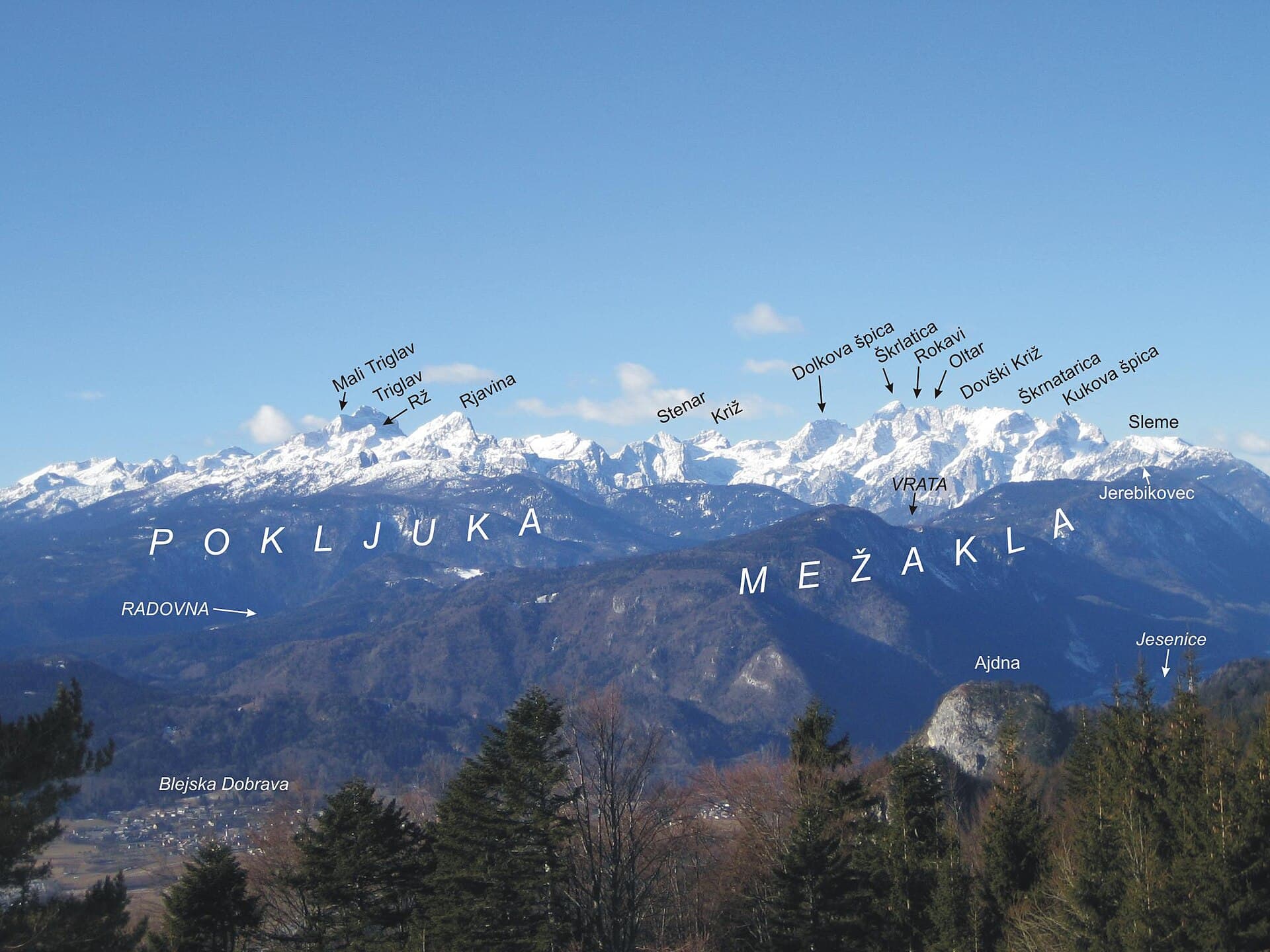 matijap / cc by-sa 2.5, via Wikimedia Commons
Self-guided audio walking tour of Radovljica — GPS route, offline playback, story-driven narration in 32 languages.
“Where ancient stone meets alpine grandeur and a legacy of sweetness.”
Not the postcards. The stories even locals don't know — whispered in your ear, right where they happened.
The lively facades of Radovljica's old town are more than just a pleasant sight; they reveal a secret about the town's disposition.
A particular defensive feature in Radovljica stands alone in Slovenia.
The central square is not merely a scenic spot; it bears the name of a pivotal figure in Slovenian culture.
Discover every secret of Radovljica
Every address, every reveal in full — in your ear, right where it happened.
You pick your stops. You walk. The voice reveals what the others miss.
Your self-guided audio tour of Radovljica is ready — pick your landmarks, choose your language, and start the moment you arrive.
BuyLume has a built-in augmented-reality guide. Hold your phone up and its camera shows the street ahead of you, with a glowing arrow laid over the real view that always points to your next stop — no map to puzzle over, no wrong turns. Like everything in Lume, it works fully offline.
Radovljica, affectionately known as Radol'ca by its residents, is a medieval town in Slovenia's Upper Carniola region. Situated on a natural terrace above the Sava River, it offers expansive views of the Julian Alps and the Karavanke mountains. Often considered a more tranquil alternative to nearby Lake Bled, Radovljica provides an authentic Slovenian experience with its well-preserved old town, winding paths, and engaging cultural scene.
The town is a center of sweet traditions, recognized for its beekeeping heritage and annual Chocolate Festival. Walking through Linhart Square, the heart of the old town, visitors can admire lively facades and historic architecture, some originating from the 14th and 15th centuries. Radovljica's dedication to safeguarding its heritage is apparent in its museums, galleries, and cultural events held throughout the year.
## From Market Town to Medieval Settlement Radovljica's origins extend to the 13th century, first mentioned in a 1296 deed as Radmansdorf. It secured market rights in 1333 from Duke Henry of Carinthia, establishing itself as an important trading hub due to its strategic location along routes connecting the Alps with the Adriatic Sea. By the close of the 15th century, it was formally recognized as a town.
Throughout the 14th century, Radovljica was under the dominion of the Carinthian Counts of Ortenburg. It then passed to the Counts of Celje in 1418, and following the death of Count Ulrich II of Celje in 1456, it came under the rule of the Habsburg Emperor Frederick III. Incorporated into the Inner Austrian lands of the Habsburg monarchy, Radovljica eventually received city rights. The town's historical importance remains visible in its remarkably preserved architecture, with Gothic and Baroque influences shaping many of its buildings.
## A Legacy of Culture and Craft The old town center has retained its medieval structure and layout from the 14th and 15th centuries, with winding paths leading through squares adorned with ornate townhouses. Many buildings are centuries old and display original frescoes from various periods. The Radovljica Mansion, constructed in the 18th century, and the nearby Church of St. Peter, a notable example of ecclesiastical art and design, are prominent historical landmarks. The town's commitment to its past is further underscored by the annual Medieval Day, held on the first Sunday in August, where ancient crafts and traditions are re-enacted.
Radovljica also played a role in the Austro-Hungarian Empire, with its post office using the bilingual name Radmannsdorf – Radovljica from 1867 to 1918. It served as the administrative capital of a district within the crown land of Carniola. Beyond its political and economic narrative, Radovljica possesses a rich cultural heritage, being the birthplace of Anton Tomaž Linhart, a key figure in Slovenian theatre, and the art historian Cene Avguštin, both honored with monuments in the old town.
Begin your exploration in Linhart Square, the lively center of Radovljica's Old Town, where colorful facades and historic houses create a memorable setting. Visit the Radovljica Mansion, an 18th-century Baroque building that contains the Museum of Apiculture, offering insights into Slovenia's renowned beekeeping tradition. Adjacent to it, the Municipal Museum presents an exhibition dedicated to Anton Tomaž Linhart.
Observe the Church of St. Peter, an excellent example of Gothic architecture with impressive vaults and a black marble altar. Explore the only preserved medieval moat in Slovenia, encircling the old town, and walk through its renovated tunnel. For a sweet experience, visit the Lectar Workshop and Museum to learn about and sample traditional gingerbread hearts.
Beyond the town center, enjoy the viewing platform at the edge of the old town for expansive views of the Julian Alps, the Sava River valley, and the Gorenjska countryside. You can also discover secessionist villas constructed at the start of the 20th century along the main road. For those interested in outdoor pursuits, Radovljica serves as a starting point for hiking and biking trails amidst the surrounding alpine scenery.
The most favorable time to visit Radovljica for pleasant weather and outdoor activities is from May to September. During these months, temperatures are comfortable, ranging from 15°C to 25°C, with July typically being the warmest. This period also offers the most sunshine. While summer can bring occasional rain, spring and early autumn provide ideal conditions for exploring the town and its natural surroundings. Winter, from December to February, is cold with snow and freezing temperatures, offering opportunities for winter sports.
Radovljica is easily accessible, situated near the A2 motorway, connecting it to Ljubljana and other key destinations. It also has excellent bus connections to nearby towns like Bled, Ljubljana, Jesenice, and Bohinj. The Ljubljana Jože Pučnik Airport is less than a half-hour's drive away. For parking in the old town center, blue zone car parks are available with time limits (2-3 hours), while unlimited parking can be found along Kajuhova ulica. An underground car park in Vurnikov trg offers daily parking for €8.
Card payments are widely accepted in most establishments, but carrying some cash for smaller purchases is advisable. ATMs are readily available in the town center. Tipping is appreciated but not mandatory, with 5-10% being common for good service. The town offers a range of accommodations, from cozy guesthouses to boutique hotels. The Radovljica Tourist Information Centre, located at the entrance to the old town, provides maps, guiding services, and information on local events and attractions.
Radovljica in Korean, in Chinese or in Hebrew — and 29 more languages, every stop narrated by a native voice. The widest language range of any self-guided audio tour.
Available in: