Sala del Tricolore
Bevor Italien geeint war, wurde eine entscheidende Entscheidung über sein Nationalsymbol in einer unerwarteten Stadt getroffen.
Die ganze Geschichte wird in der Tour freigeschaltet
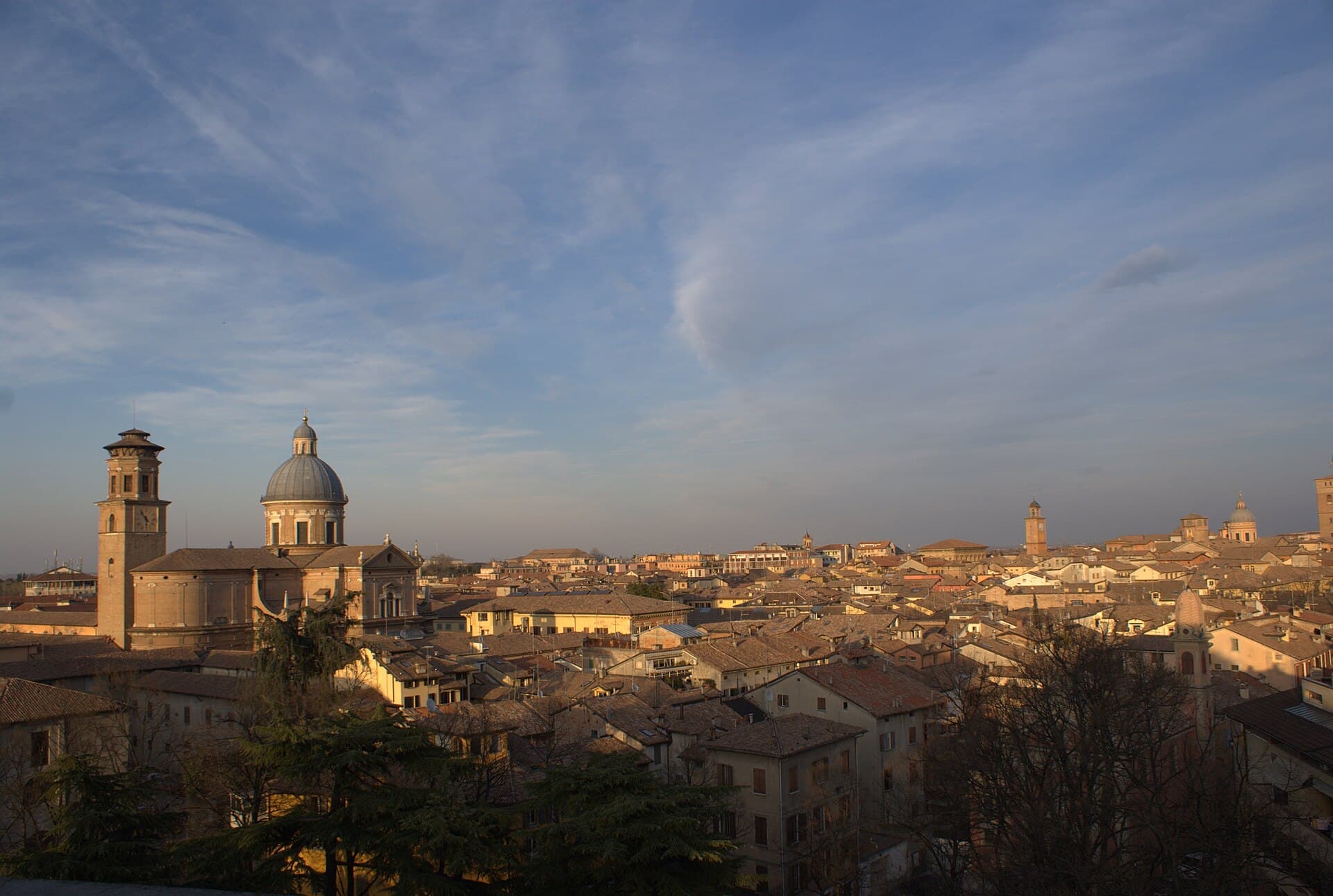 Paolo Picciati / CC BY-SA 3.0, via Wikimedia Commons
Selbstgeführte Audio-Walking-Tour durch Reggio Emilia — GPS-Route, Offline-Wiedergabe, erzählerische Narration in 32 Sprachen.
“Wo die italienische Trikolore entrollt wurde und Parmigiano Reggiano sein erstes Zuhause fand.”
Nicht die Postkarten. Die Geschichten, die selbst Einheimische nicht kennen – dir ins Ohr geflüstert, genau dort, wo sie geschahen.
Bevor Italien geeint war, wurde eine entscheidende Entscheidung über sein Nationalsymbol in einer unerwarteten Stadt getroffen.
Der weltberühmteste Hartkäse hat eine Entstehungsgeschichte, die in mittelalterlicher klösterlicher Genialität und der Notwendigkeit der Konservierung wurzelt.
Nach der Zerstörung des Zweiten Weltkriegs erfanden eine entschlossene Frauengruppe und ein visionärer Pädagoge das Lernen neu und schmiedeten einen weltweit einflussreichen Ansatz.
Entdecke jedes Geheimnis von Reggio Emilia
Jede Adresse, jede Enthüllung vollständig – in deinem Ohr, genau dort, wo es geschah.
Du wählst deine Stationen. Du gehst. Die Stimme enthüllt, was andere übersehen.

Deine selbstgeführte Audio-Tour durch Reggio Emilia ist bereit – wähle deine Sehenswürdigkeiten, deine Sprache und starte, sobald du ankommst.
KaufenLume enthält einen integrierten Augmented-Reality-Guide. Halten Sie Ihr Handy hoch: Die Kamera zeigt die Straße vor Ihnen, mit einem leuchtenden Pfeil über dem echten Bild, der immer auf Ihren nächsten Stopp zeigt — keine Karte zum Rätseln, keine falschen Abzweigungen. Wie alles bei Lume funktioniert es komplett offline.
Reggio Emilia, eine Stadt in Italiens Region Emilia-Romagna, bietet eine überzeugende Mischung aus Geschichte, Kultur und Gastronomie und wird oft von Reisenden zwischen seinen bekannteren Nachbarn wie Parma und Modena übersehen. Es ist eine Stadt, die zur gemächlichen Erkundung zu Fuß einlädt, wobei ihr historischer Kern Schichten von Erzählungen von der Antike bis zur Gegenwart offenbart. Jenseits seiner eleganten Plätze und Arkadengänge nimmt Reggio Emilia eine bedeutende Stellung in der italienischen Identität ein und pflegt stolz weltbekannte kulinarische Traditionen.
Die Stadt ist vielleicht am bekanntesten als Geburtsort der italienischen Trikolore-Flagge, ein Moment nationalen Stolzes, der sich in ihrer bürgerlichen Architektur entfaltete. Sie bildet auch einen wichtigen Teil des 'Food Valley' der Emilia-Romagna, wo ikonische Produkte wie Parmigiano Reggiano tief verwurzelte Traditionen haben. Reggio Emilia ist auch der Ursprung eines weltweit einflussreichen Ansatzes zur frühkindlichen Bildung, ein Zeugnis seines zukunftsorientierten Geistes.
Die Ursprünge Reggio Emilias reichen bis in die römische Antike zurück, als es als Regium Lepidi bekannt war und eine Station entlang der Via Aemilia bildete. Die Stadt blühte um das späte 11. oder frühe 12. Jahrhundert als freie Kommune auf, trat 1167 sogar der Lombardischen Liga bei und nahm an der Schlacht von Legnano teil. Diese Periode sah, wie Reggio seine eigenen Statuten erließ, Münzen prägte, Schulen mit angesehenen Meistern gründete und seinen Handel und seine Künste ausweitete.
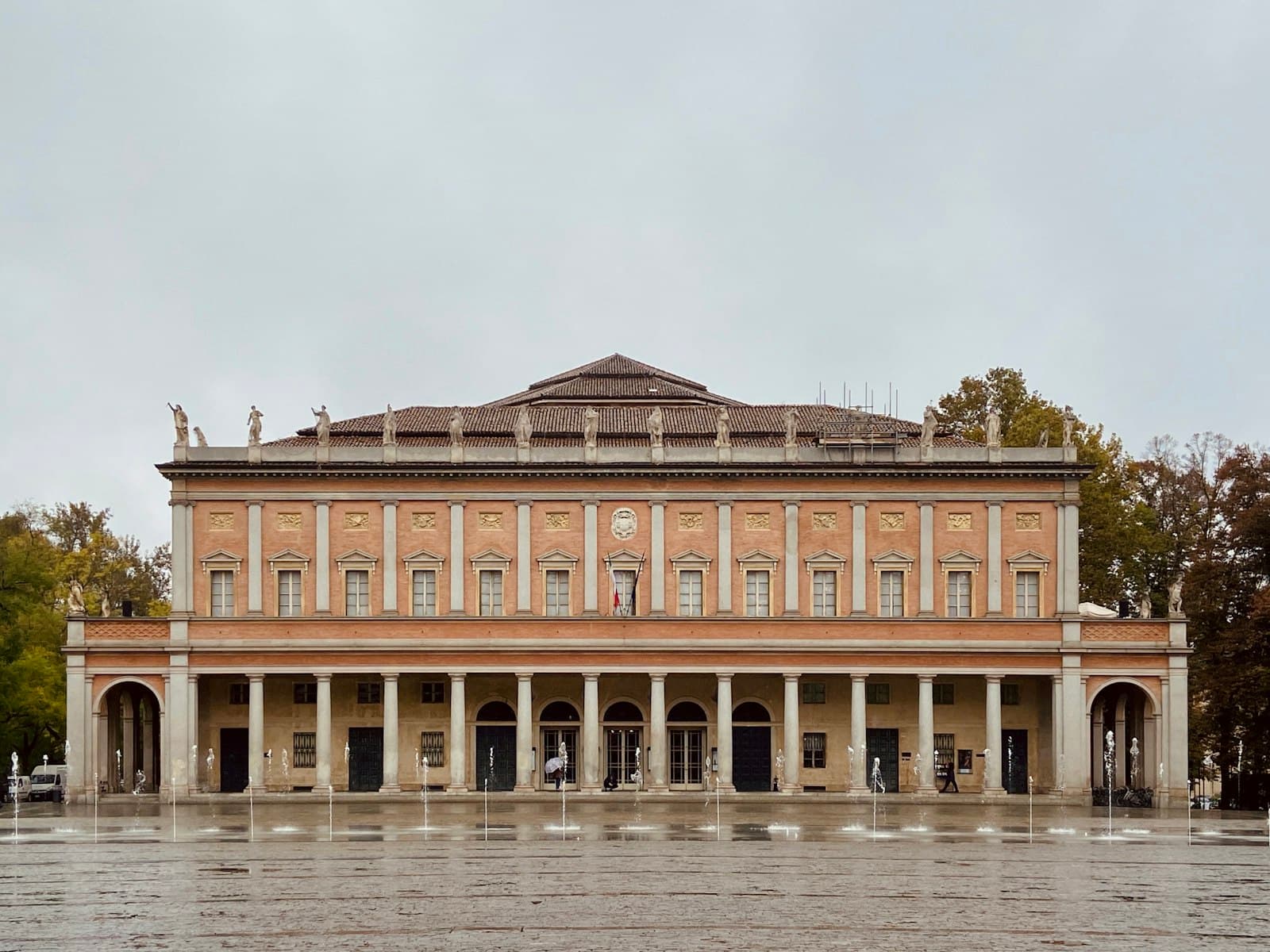
Ein entscheidender Moment in der italienischen Geschichte ereignete sich am 7. Januar 1797 in Reggio Emilia. Im Rathaus (Municipal Palace) beschlossen Vertreter der Cispadanischen Republik – eines neuen Staates unter französischem Einfluss –, dass die grüne, weiße und rote Trikolore als ihre universelle Flagge dienen sollte. Dieses Ereignis, das der Einigung Italiens vorausging, legte die Farben fest, die schließlich zur Nationalflagge wurden. Das ursprüngliche Design zeigte horizontale Streifen mit einem Köcher aus vier Pfeilen, der die Vereinigung der vier Städte symbolisierte, und den Initialen der Cispadanischen Republik.
Nach der Zerstörung des Zweiten Weltkriegs wurde Reggio Emilia zum Schmelztiegel einer bahnbrechenden Bildungsphilosophie. Unter der Leitung des Pädagogen Loris Malaguzzi arbeiteten Eltern und die Gemeinschaft zusammen, um einen neuen Ansatz für die frühkindliche Bildung zu entwickeln, der die angeborene Neugier, Kreativität und die 'hundert Sprachen' des Ausdrucks der Kinder betont. Diese kindzentrierte Pädagogik, bekannt als Reggio Emilia Ansatz, hat seitdem internationale Anerkennung gefunden und prägt weiterhin Bildungspraktiken weltweit.
Beginnen Sie Ihre Erkundung auf der Piazza Camillo Prampolini, dem Hauptplatz der Stadt, wo Sie den Palazzo Comunale (Rathaus) mit dem historischen Sala del Tricolore und dem Tricolore-Museum finden. Gleich daneben beherbergt die einladende Piazza San Prospero einen traditionellen Markt. Schlendern Sie durch die Arkaden des Broletto, um zur Piazza Fontanesi zu gelangen, einem von Bäumen gesäumten Platz, auf dem häufig lokale Märkte stattfinden.
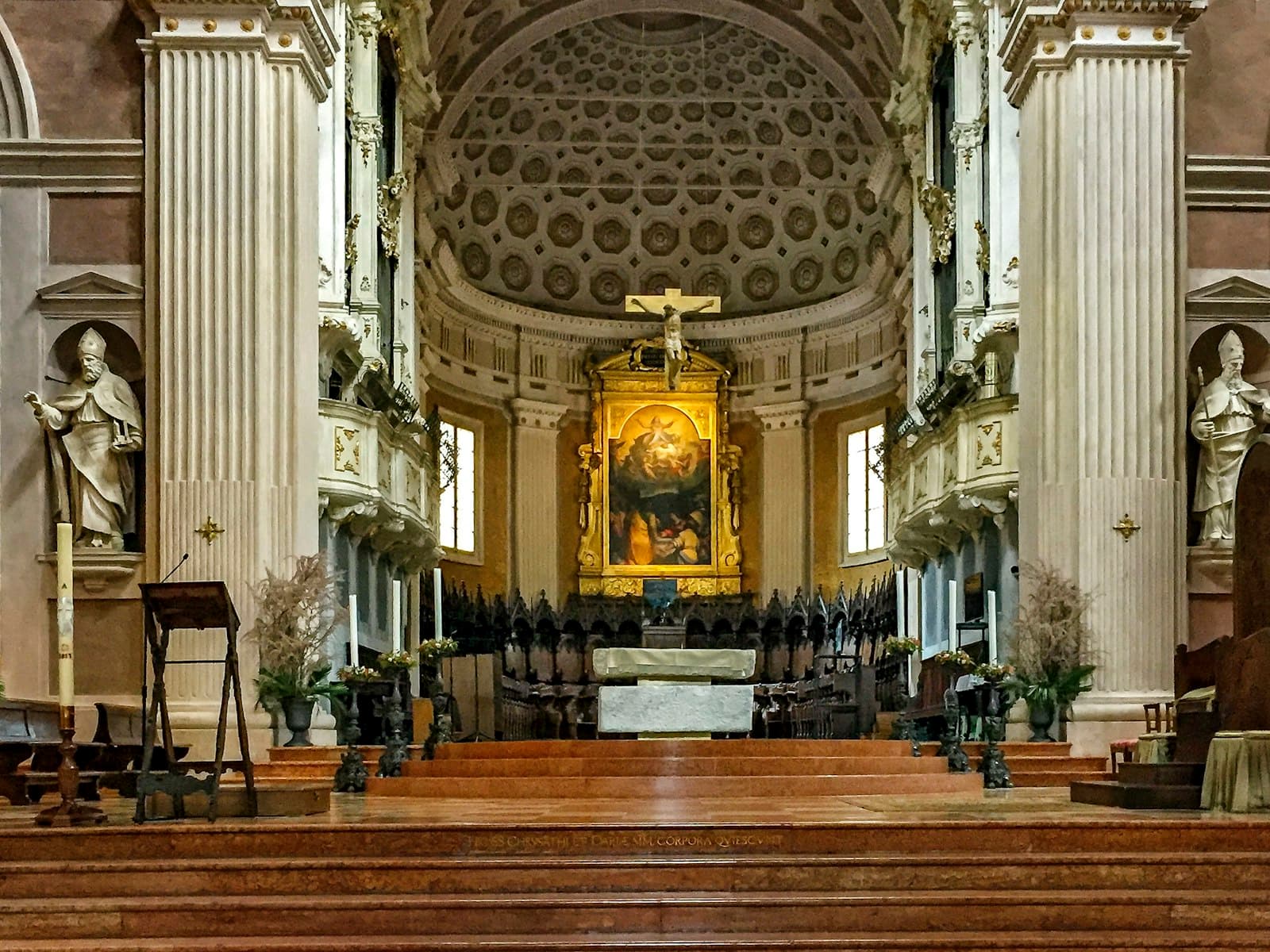
Für Kunst- und Geschichtsinteressierte bietet der Palazzo dei Musei vielfältige Sammlungen, die vom römischen Reggio bis zur zeitgenössischen Kunst reichen, darunter archäologische Funde und naturhistorische Ausstellungen. Verpassen Sie nicht die Basilica della Beata Vergine della Ghiara, eine bedeutende Barockkirche. Außerhalb des Stadtzentrums sollten Sie einen Besuch des Loris Malaguzzi International Centre in Betracht ziehen, um mehr über den renommierten Reggio Emilia Ansatz zur Bildung zu erfahren. Die umliegende Provinz bietet auch historische Stätten wie das Castello di Canossa, eine mittelalterliche Ruine mit einer dramatischen Vergangenheit.
Die angenehmsten Besuchszeiten für Reggio Emilia sind Frühling (Mitte April bis Mitte Juni) und Herbst (September). In diesen Jahreszeiten ist das Wetter mild und bietet ideale Bedingungen zum Spazierengehen und Erkunden der Plätze und Sehenswürdigkeiten der Stadt. Der Frühling bringt blühende Pflanzen, während der Herbst kühlere Temperaturen und lebendige Herbstfarben bietet. Obwohl der Sommer aktiv ist, kann er warm und feucht sein, mit Temperaturen, die oft 30°C oder höher erreichen. Der Winter ist kühler und kann feucht sein, mit mehr bewölkten Tagen.
Reggio Emilia liegt günstig an der Bahnstrecke zwischen Bologna und Mailand und ist somit gut mit dem Zug erreichbar. Es ist nur eine 15-minütige Zugfahrt von Modena und Parma entfernt. Das Stadtzentrum ist kompakt und am besten zu Fuß zu erkunden. Für diejenigen, die weiter hinaus möchten, ist Reggio Emilia auch als fahrradfreundliche Stadt mit über 250 km Radwegen bekannt. Viele Geschäfte haben eine Mittagsruhe, typischerweise von 15:00 bis 17:00 Uhr oder sogar 19:00 Uhr, planen Sie Ihre Aktivitäten entsprechend. Erwägen Sie einen Aufenthalt im Stadtzentrum für bequemen Zugang zu Sehenswürdigkeiten und dem Bahnhof.
Reggio Emilia — Koreanisch, Chinesisch, Hebräisch und 29 weitere Sprachen, jede Station von einer muttersprachlichen Stimme erzählt. Die größte Sprachauswahl aller selbstgeführten Audiotouren.
Verfügbar auf: