Правительственный дом
Помимо своего величественного фасада и тщательно отреставрированных комнат, Правительственный дом хранит неуловимое, невидимое присутствие.
Полная история открывается в туре
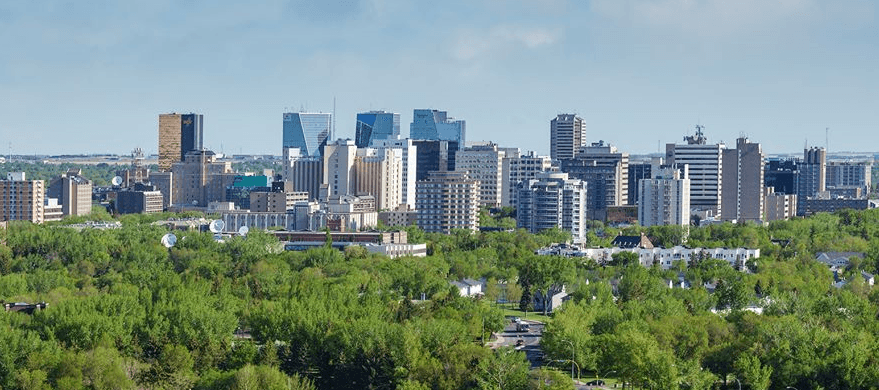 28thegreat / CC BY-SA 4.0, via Wikimedia Commons
Самостоятельная аудиопрогулка по Реджайна — GPS-маршрут, офлайн-воспроизведение, увлекательное повествование на 32 языках.
“Где прерийные небеса встречаются с удивительными глубинами.”
Не открытки. Истории, которые не знают даже местные жители — шепотом в вашем ухе, прямо там, где они произошли.
Помимо своего величественного фасада и тщательно отреставрированных комнат, Правительственный дом хранит неуловимое, невидимое присутствие.
Внимательно присмотритесь к экстерьеру Королевского музея Саскачевана, и вы можете заметить существо, которое кажется совершенно неуместным на бескрайних прериях.
Зал славы спорта Саскачевана, расположенный в одном из старейших зданий Реджайны в центре города, хранит секрет за внушительной железной дверью.
Откройте для себя каждый секрет Реджайна
Каждый адрес, каждое полное раскрытие — в вашем ухе, прямо там, где это произошло.
Вы выбираете остановки. Вы гуляете. Голос раскрывает то, что упускают другие.


Ваш самостоятельный аудиотур по Реджайна готов — выберите свои достопримечательности, выберите свой язык и начните в момент прибытия.
КупитьВ Lume встроен гид дополненной реальности. Поднимите телефон: камера показывает улицу перед вами, а поверх реального изображения светится стрелка, всегда указывающая на вашу следующую остановку — не нужно разбираться с картой и сворачивать не туда. Как и всё в Lume, это работает полностью офлайн.
Реджайна, столица Саскачевана, возвышается над бескрайними канадскими прериями, город, который трудно поддается простой классификации. Когда-то называвшаяся «Куча костей» — отсылка к костям бизонов, оставленным вдоль ручья Васкана охотниками из числа коренных народов — она была переименована в Реджайна, что на латыни означает «королева», в 1882 году принцессой Луизой, дочерью королевы Виктории. Это изменение названия стало поворотным моментом, превратив железнодорожный городок в столицу провинции с самобытной идентичностью.
В самом центре находится Васкана-Центр, городской парк, превосходящий по размерам как Стэнли-парк в Ванкувере, так и Центральный парк в Нью-Йорке. Это раскинувшееся зеленое пространство, построенное вокруг искусственного озера Васкана, является свидетельством амбициозного городского планирования, предлагая неожиданное убежище для отдыха, культуры и природной красоты. Широкие просторы неба и прерийные ветры Реджайны — постоянное присутствие, формирующее как ее климат, так и ее характер.
## От костей бизонов до Королевского города История Реджайны берет начало в начале 1880-х годов как поселение вдоль трансконтинентального маршрута Канадской тихоокеанской железной дороги. Изначально эта местность называлась Васкана, что на языке кри означает «Кости бизонов» из-за большого количества найденных там костей бизонов. В 1882 году это место было выбрано в качестве территориальной резиденции правительства, во многом благодаря настойчивости лейтенант-губернатора Эдгара Дьюдни и его резервированию значительной части земли для себя. Именно тогда принцесса Луиза, дочь королевы Виктории, предложила название «Реджайна» в честь своей матери.
Реджайна была официально инкорпорирована как город 19 июня 1903 года. Всего два года спустя, в 1905 году, Саскачеван стал провинцией, и Реджайна была выбрана ее столицей. Это решение вызвало строительный бум, приведший к строительству многих значительных общественных и частных зданий, которые стоят до сих пор. Монументальное здание законодательного собрания Саскачевана, величественное сооружение в стиле боз-ар, было завершено в 1912 году. В тот же день, 30 июня 1912 года, город поразил самый смертоносный торнадо в Канаде — Циклон Реджайны, который унес жизни 28 человек, ранил сотни и разрушил более 400 зданий. Оценочный ущерб в 5 миллионов долларов потребовал более двух лет на восстановление и 40 лет на погашение.
Реджайна также сыграла значительную роль в истории Канады во время Северо-Западного восстания 1885 года. Луи Риэль, лидер метисов, был доставлен в Реджайну после поражения своих войск и впоследствии там судим и повешен. Город также стал национальным учебным центром Королевской канадской конной полиции (RCMP), где каждый офицер RCMP проходит обучение в Депо-дивизионе в Реджайне с момента его основания в 1885 году.
Развитие Васкана-Центра началось в 1880-х годах с возведения плотины на ручье Васкана для создания водохранилища. Со временем это превратилось в обширный городской парк, с 100-летним генеральным планом, заказанным в 1961 году архитектору Минору Ямасаки, известному проектированием оригинального Всемирного торгового центра. Сегодня Реджайна продолжает развиваться как разнообразное и растущее сообщество, балансируя свои исторические корни с современным развитием.
Начните свое исследование с Васкана-Центра, огромного городского парка, окружающего озеро Васкана. Здесь вы можете арендовать лодку, покататься на велосипеде по дорожкам или покормить водоплавающих птиц. На обширной территории парка находятся несколько ключевых достопримечательностей, включая здание законодательного собрания Саскачевана, архитектурное чудо, завершенное в 1912 году, с бесплатными экскурсиями по его роскошному интерьеру. Также в парке находится Королевский музей Саскачевана, где вы можете исследовать естественную историю, культуру коренных народов и увидеть «Скотти», самый большой в мире скелет тираннозавра. Научный центр Саскачевана с его интерактивными экспонатами и IMAX-театром Kramer предлагает увлекательные впечатления для всех возрастов.
Помимо Васкана-Центра, посетите Исторический центр RCMP, расположенный в Академии RCMP, Депо-дивизион, единственной учебной академии культовых канадских конных полицейских. Центр освещает историю и истории службы посредством выставок и церемоний. Еще одним значительным историческим местом является Правительственный дом, величественное здание 1891 года, которое служило официальной резиденцией лейтенант-губернатора Северо-Западных территорий. Совершите экскурсию, чтобы увидеть отреставрированные комнаты и сады в эдвардианском стиле. Чтобы прикоснуться к местной культуре, исследуйте район Кэтедрал-Виллидж, известный своими уникальными бутиками, ремесленными магазинами, кафе и ресторанами.
Лучшее время для посещения Реджайны для занятий на свежем воздухе в теплую погоду — летние месяцы, с июня по август. Средняя температура составляет от 15°C до 25°C, с мягкой и солнечной погодой, идеальной для активного отдыха. Переходные сезоны — весна (май и июнь) и осень (сентябрь и октябрь) — также предлагают приятную погоду с меньшим количеством туристов, а в эти периоды проводится множество фестивалей и мероприятий. Для бюджетных путешественников с ноября по март действуют более низкие цены на отели, хотя температура может значительно опускаться, часто ниже -20°C.
Международный аэропорт Реджайны (YQR) расположен к западу от города, примерно в 15 минутах езды от центра города, с прямыми рейсами из крупных канадских городов и некоторых городов США. Общественный транспорт в Реджайне в основном представлен автобусами Regina Transit, которые соединяют районы, школы и торговые центры. Большинство маршрутов проходят через центр города, что делает пересадки удобными. Расписания и карты можно найти в Информационном центре для пассажиров или онлайн. Такси также легко доступны, а в аэропорту работают компании по прокату автомобилей. Реджайна, как правило, безопасный город, с уровнем насильственных преступлений ниже среднего по стране. Однако имущественные преступления, такие как взлом автомобилей и кража велосипедов, могут происходить в центральном деловом районе и в районе университета. Рекомендуется обезопасить ценные вещи и быть внимательными к окружающей обстановке, особенно в темное время суток в районах баров. Самая большая опасность — это экстремальный зимний ветер, который может вызвать обморожение за считанные минуты. Одевайтесь многослойно и прикрывайте открытые участки кожи в холодное время года. Используемая валюта — канадский доллар (CAD).
Реджайна: корейский, китайский, иврит и ещё 29 языков — каждую остановку озвучивает носитель языка. Самый широкий выбор языков среди аудиоэкскурсий без гида.
Доступные языки: