Sakrisøy
De felgele rorbuer van Sakrisøy bieden een opvallend visueel verschil met het gebruikelijke rood, maar hun kleur dient een doel dat verder gaat dan louter decoratie.
Volledig verhaal ontgrendeld in de tour
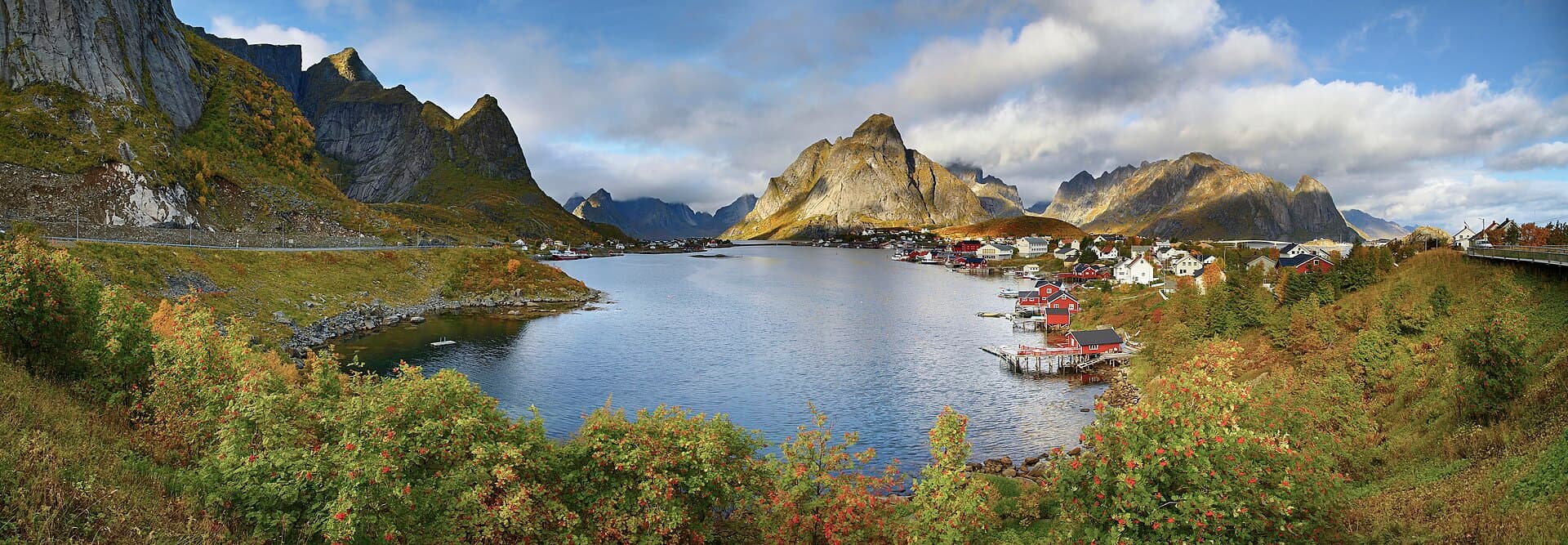 Ximonic (Simo Räsänen) / CC BY-SA 3.0, via Wikimedia Commons
Zelfgeleide audiowandeling door Reine — GPS-route, offline afspelen, meeslepende vertelling in 32 talen.
“Waar granieten pieken stille fjorden ontmoeten en rode hutten Arctisch licht reflecteren.”
Niet de ansichtkaarten. De verhalen die zelfs locals niet kennen — gefluisterd in je oor, precies waar ze gebeurden.
De felgele rorbuer van Sakrisøy bieden een opvallend visueel verschil met het gebruikelijke rood, maar hun kleur dient een doel dat verder gaat dan louter decoratie.
De befaamde Reinebringen-klim, nu een goed aangelegde stenen trap, was ooit een verraderlijke tocht.
Dit gevierde visrestaurant op Sakrisøy begon met de ondernemende geest van een lokale vissersvrouw.
Ontdek elk geheim van Reine
Elk adres, elke onthulling volledig — in je oor, precies waar het gebeurde.
Jij kiest je stops. Jij wandelt. De stem onthult wat de anderen missen.

Je zelfgeleide audiotour van Reine is klaar — kies je bezienswaardigheden, kies je taal en start zodra je aankomt.
KopenLume heeft een ingebouwde augmented-reality-gids. Houd je telefoon omhoog: de camera toont de straat voor je, met een oplichtende pijl over het echte beeld die altijd naar je volgende stop wijst — geen kaart om uit te puzzelen, geen verkeerde afslagen. Zoals alles in Lume werkt het volledig offline.
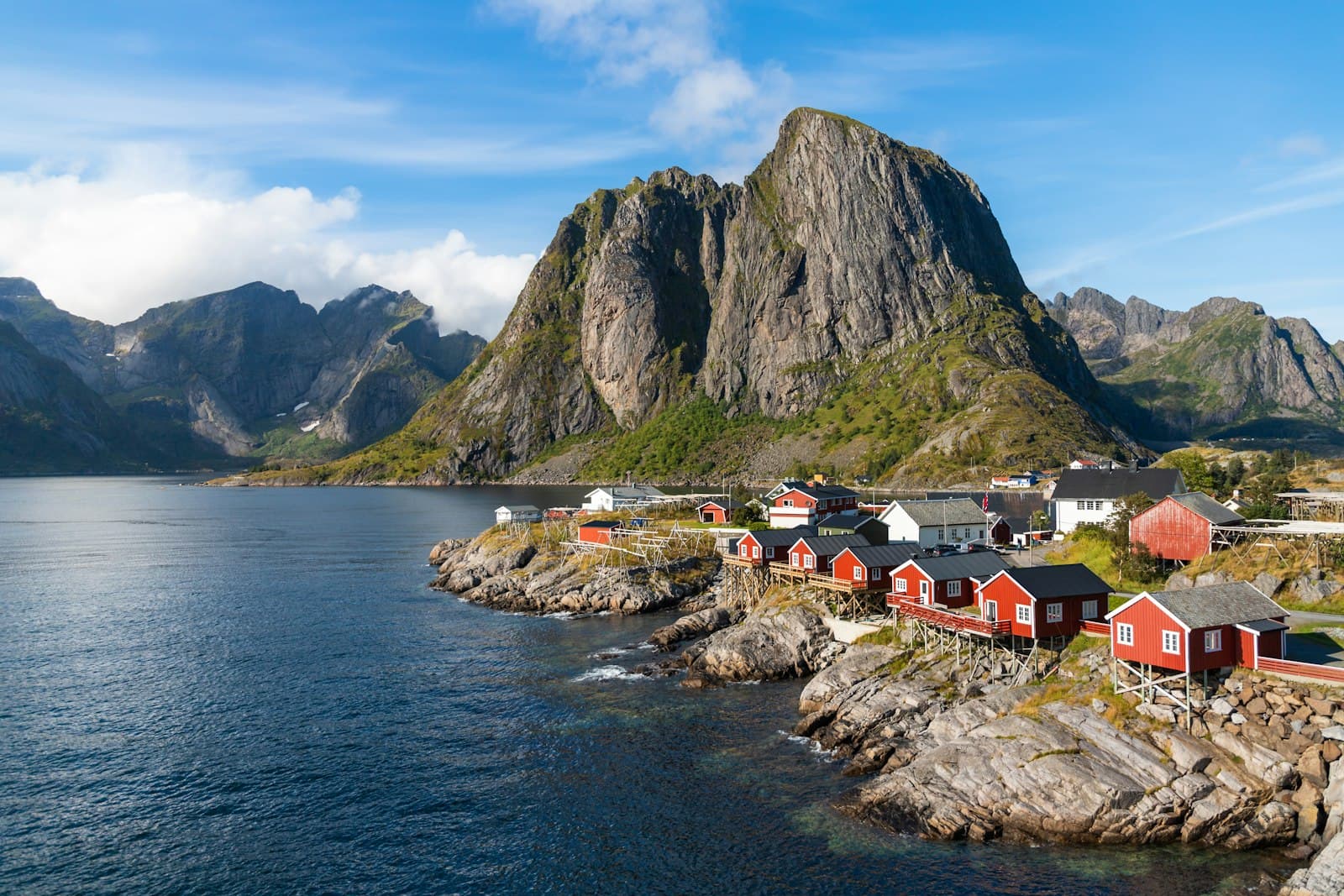
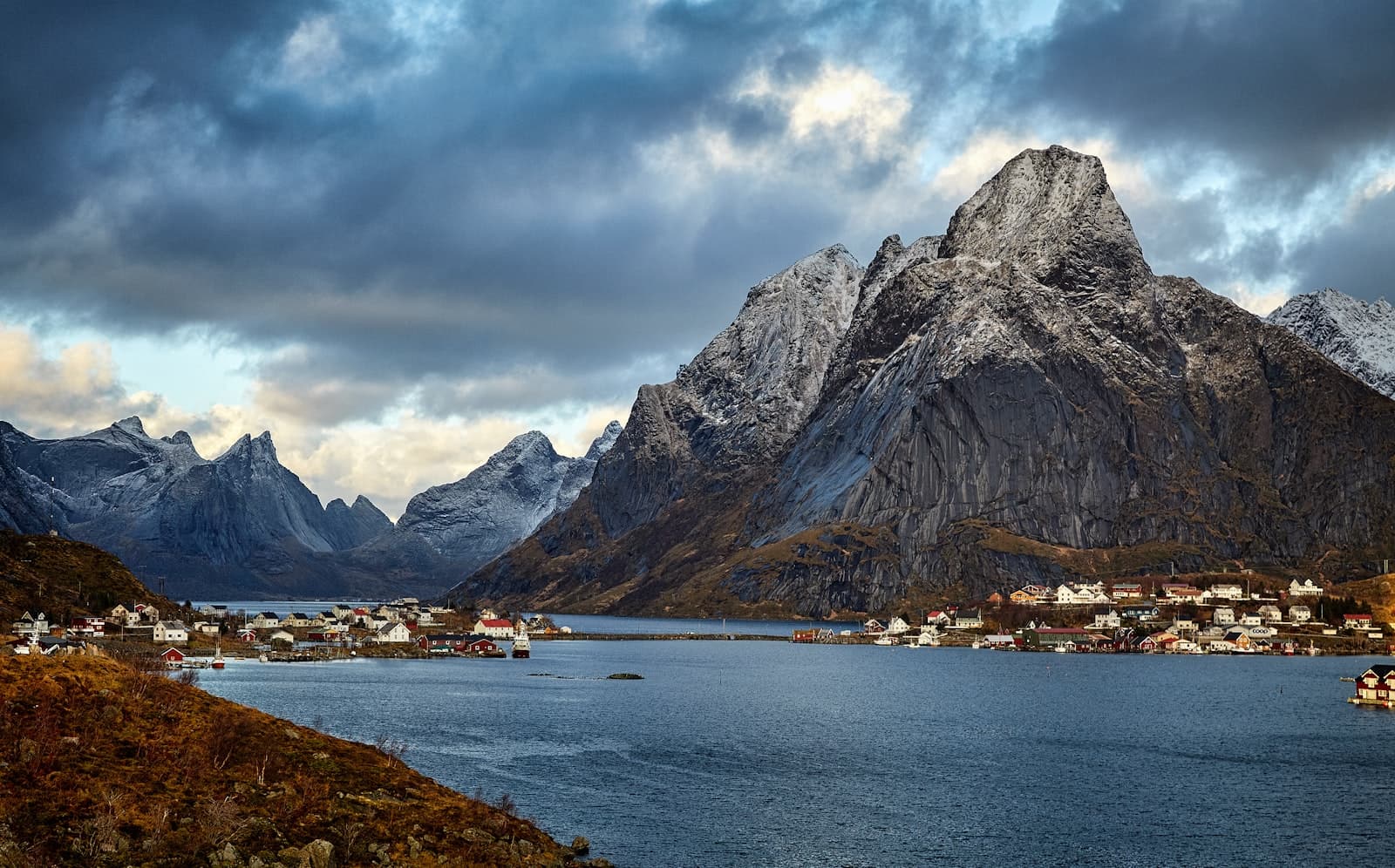
Reine, een klein vissersdorp in de Lofoten-archipel van Noorwegen, presenteert een dramatisch landschap waar grillige granieten pieken oprijzen uit diepblauwe fjorden. Vaak beschouwd als een van de mooiste dorpen van Noorwegen, sieren de karakteristieke rode en gele rorbuer (traditionele vissershutten) de kustlijn en creëren ze een levendig contrast met het wilde Arctische landschap. Gelegen op het eiland Moskenesøya, is Reine het administratieve centrum van de gemeente Moskenes en blijft het een brandpunt voor de lokale visserij-industrie, met name bekend om kabeljauw en stokvis.
Ondanks de afgelegen locatie boven de poolcirkel, is Reine een favoriete bestemming geworden voor reizigers die de unieke schoonheid van Noord-Noorwegen willen ervaren. Het dorp en de omliggende eilanden, waaronder Sakrisøy en Hamnøy, zijn verbonden door bruggen en slingerende wegen, die uitnodigen tot verkenning te voet, per kajak, of vanaf de uitgestrekte uitzichtpunten van de bergen.
## Van Handelspost tot Toeristische Icoon De vestiging van Reine als nederzetting gaat eeuwen terug, met bewijs van bewoning lang voordat het in 1743 een officiële handelspost werd. De strategische ligging in de Lofoten-archipel maakte het tot een belangrijk centrum voor de seizoensgebonden Arctische kabeljauwvisserij, bekend als Lofotfisket. Vissers van verre kusten werden aangetrokken tot het gebied, en het dorp ontwikkelde een vloot boten en faciliteiten voor de verwerking en marketing van vis, met name de zeer gewaardeerde gedroogde kabeljauw, of stokvis.
Traditionele rorbuer, of vissershutten gebouwd op palen boven het water, werden een bepalend kenmerk van Reine en boden basisaccommodatie voor de toestroom van seizoensarbeiders. Deze hutten, nu grotendeels omgebouwd tot logies voor bezoekers, bieden een tastbare verbinding met het vis-erfgoed van het dorp.
Het midden van de 20e eeuw bracht moeilijkheden. In december 1941 werden delen van Reine door Duitse troepen in brand gestoken als vergelding voor een Britse inval op de Lofoten, wat aanzienlijke wederopbouw noodzakelijk maakte. Later bedreigde een daling van de vraag naar kabeljauw de economie van het dorp. Echter, het fortuin van Reine begon te keren in de late jaren 1970 toen Allers, het grootste weekblad van Noorwegen, het tot het mooiste dorp van het land uitriep. Deze erkenning, gekoppeld aan de fotografische kwaliteiten, luidde een nieuw tijdperk van toerisme in, waardoor Reine een internationaal symbool van Arctisch Noorwegen werd.
Reine biedt een mix van natuurlijke wonderen en culturele inzichten. Een lonende activiteit is de beklimming van Reinebringen, een inspannende maar bevredigende klim van bijna 2.000 stenen treden die een ongeëvenaard panoramisch uitzicht biedt op Reinefjord, het dorp en de omliggende eilanden. Voor wie een minder intense uitkijkpunt zoekt, biedt de Reinehalsen fotospot langs de weg een klassiek uitzicht op de rode rorbuer en bergen.
Verken het dorp Reine te voet en steek de bruggen over naar de naburige eilanden Sakrisøy en Hamnøy. Op Sakrisøy vindt u de kenmerkende gele rorbuer en Anita's Sjømat, een favoriete plek voor verse zeevruchten, waaronder hun bekende visburgers. Sakrisøy herbergt ook het Lofoten Speelgoedmuseum, met een grote collectie poppen en speelgoed. Kajakken door Reinefjorden biedt een uniek perspectief op het dramatische landschap vanaf het water, met beschikbare begeleide excursies. Overweeg een boottocht van Reine naar Vindstad voor een wandeling naar het afgelegen Bunes Beach, of naar Kjerkfjorden voor de meer uitdagende tocht naar Horseid Beach.
Reine biedt verschillende ervaringen gedurende de seizoenen. De zomer (half juli tot half augustus) biedt lange daglichturen, vaak inclusief de middernachtzon, en toegankelijke wandelpaden, hoewel het de drukste tijd is. Lente en herfst bieden minder drukte, veranderend licht en onvoorspelbaarder weer. De winter transformeert Reine in een rustigere, introspectieve bestemming, met mogelijkheden om het noorderlicht te zien van september tot april en wintervisserij, maar met beperkt daglicht en voorzieningen. De optimale tijd hangt af van uw prioriteiten, aangezien elk seizoen een ander facet van de aantrekkingskracht van het dorp onthult.
Reine is het administratieve centrum van de gemeente Moskenes, met een bevolking van ongeveer 300 mensen. Het dorpscentrum heeft smalle straten en er is openbare parkeergelegenheid voor wie met de auto reist. Houd er bij uw bezoek rekening mee dat Reine een actief vissersdorp is; wees bedacht op de werkers en respecteer de lokale privacy. Stokvis, een lokale delicatesse, wordt vaak gedroogd op houten rekken; u mag het fotograferen, maar raak het alsjeblieft niet aan, want het is voedsel. Accommodatie omvat vaak traditionele rorbuer, waarvan er vele zijn omgebouwd tot moderne logies. Overweeg voor langere verblijven het nabijgelegen Å voor een breder scala aan accommodatie en directe toegang tot de veerbootterminal van Moskenes. Drones hebben regelgeving in Noorwegen, dus zorg ervoor dat u deze begrijpt voordat u gaat vliegen.
Reine — Koreaans, Chinees, Hebreeuws en nog 29 talen, elke stop verteld door een moedertaalspreker. Het grootste taalaanbod van alle zelfgeleide audiotours.
Beschikbaar in: