Dampflokomotivmuseum Reșița
Über die beeindruckende Sammlung von Lokomotiven hinaus birgt eine besondere Maschine ein Geheimnis über ihre überraschende Reise nach Reșița.
Die ganze Geschichte wird in der Tour freigeschaltet
 Eugen D. / CC BY-SA 3.0, via Wikimedia Commons
Selbstgeführte Audio-Walking-Tour durch Reșița — GPS-Route, Offline-Wiedergabe, erzählerische Narration in 32 Sprachen.
“Wo die Banater Berge auf das industrielle Herz treffen, eine Stadt, geschmiedet in Eisen und gemildert von der Natur.”
Nicht die Postkarten. Die Geschichten, die selbst Einheimische nicht kennen – dir ins Ohr geflüstert, genau dort, wo sie geschahen.
Über die beeindruckende Sammlung von Lokomotiven hinaus birgt eine besondere Maschine ein Geheimnis über ihre überraschende Reise nach Reșița.
Betrachten Sie die Gestaltung des Parks genau, und Sie könnten ein ungewöhnliches Detail entdecken, das auf eine vergessene, größere Vision für die Grünflächen der Stadt hindeutet.
Der hier aufgestellte erste Hochofen war nicht nur ein technologisches Wunderwerk; er diente auch als Grundlage für ein unerwartetes, frühes Experiment im sozialen Wohlfahrtswesen.
Entdecke jedes Geheimnis von Reșița
Jede Adresse, jede Enthüllung vollständig – in deinem Ohr, genau dort, wo es geschah.
Du wählst deine Stationen. Du gehst. Die Stimme enthüllt, was andere übersehen.

Deine selbstgeführte Audio-Tour durch Reșița ist bereit – wähle deine Sehenswürdigkeiten, deine Sprache und starte, sobald du ankommst.
KaufenLume enthält einen integrierten Augmented-Reality-Guide. Halten Sie Ihr Handy hoch: Die Kamera zeigt die Straße vor Ihnen, mit einem leuchtenden Pfeil über dem echten Bild, der immer auf Ihren nächsten Stopp zeigt — keine Karte zum Rätseln, keine falschen Abzweigungen. Wie alles bei Lume funktioniert es komplett offline.
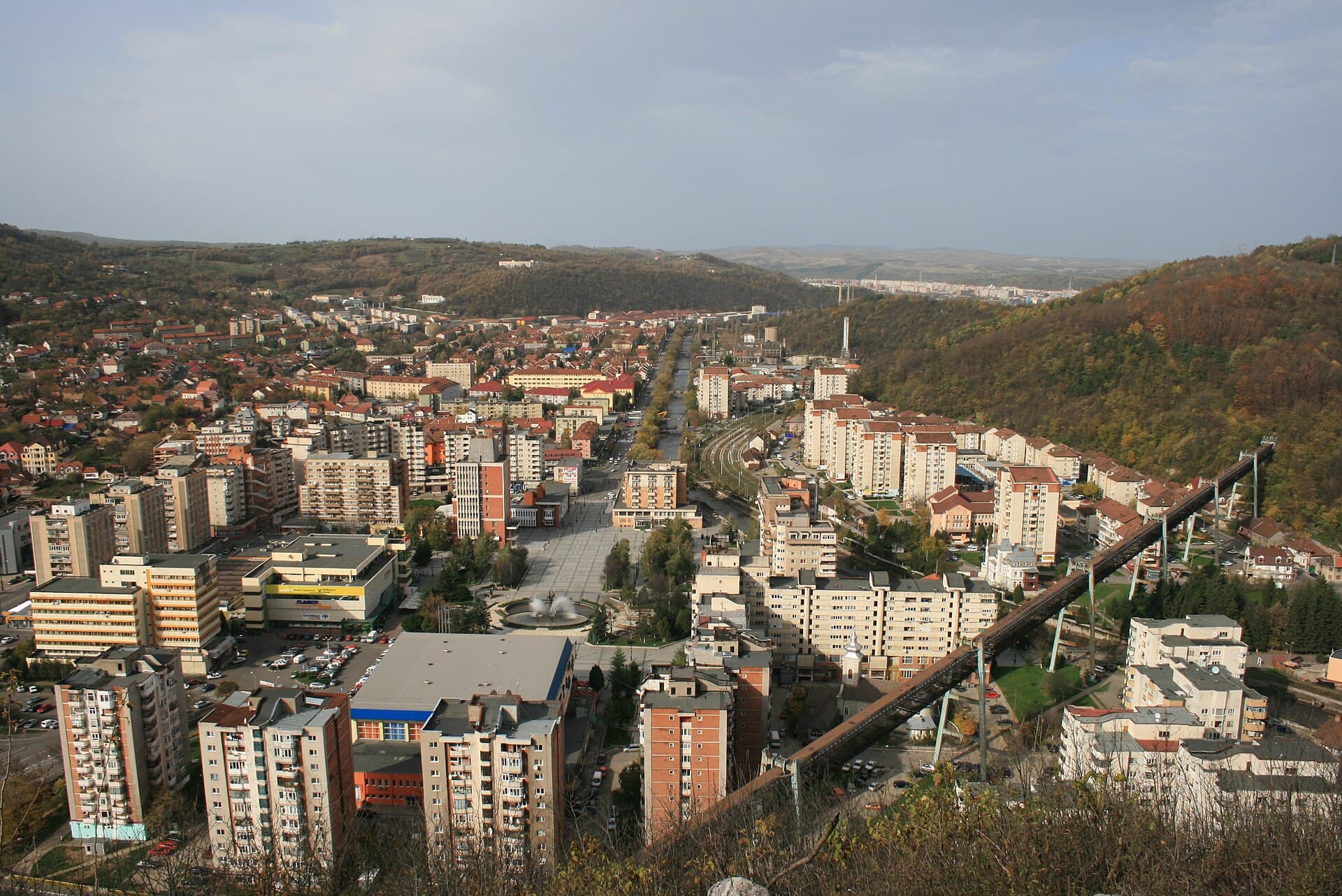
Reșița, eingebettet in die Berge des Banat im Südwesten Rumäniens, besitzt einen unverwechselbaren Charakter, geprägt von seinem industriellen Erbe und der umliegenden Naturschönheit. Als Verwaltungszentrum des Kreises Caraș-Severin war Reșița lange Zeit ein Zentrum der Schwerindustrie und trug den Beinamen 'Wiege der rumänischen Industrie'. Doch jenseits des Echos seiner industriellen Vergangenheit bietet die Stadt eine überraschende Mischung aus städtischem Leben und Zugang zu unberührten Naturlandschaften. Der Fluss Bârzava schlängelt sich durch sein Zentrum, und der nahegelegene Nationalpark Semenic-Cheile Carașului verspricht Outdoor-Abenteuer, von Wanderwegen bis zur Erkundung alter Höhlen.
Beim Spaziergang durch Reșița begegnen Sie einer Vielzahl von Architekturstilen, von den funktionalen Designs der kommunistischen Ära bis zu den prunkvolleren, älteren Gebäuden, die auf seine österreichisch-ungarischen Wurzeln verweisen. Die Identität der Stadt ist untrennbar mit ihren Stahlwerken und Lokomotivfabriken verbunden, die über Generationen hinweg das Rückgrat ihrer Wirtschaft bildeten und ihr soziales Gefüge prägten. Obwohl einige dieser Industriegiganten ihre Produktion reduziert haben, bleibt ihr Erbe in der Infrastruktur der Stadt und im widerstandsfähigen Geist ihrer Menschen sichtbar.
Reșița ist keine Stadt, die ihre Reize sofort offenbart; vielmehr lädt sie zu einer langsameren Erkundung ein, zu der Bereitschaft, über die unmittelbare Oberfläche hinauszublicken. Es ist ein Ort, an dem die Erhabenheit der Natur auf den rauen Fleiß menschlicher Bemühungen trifft und eine einzigartige Perspektive auf die Industriegeschichte Rumäniens und ihre fortlaufende Entwicklung bietet. Für diejenigen, die an einem Reiseziel interessiert sind, das historische Bedeutung mit Möglichkeiten zur Erholung im Freien verbindet, bietet Reșița ein faszinierendes und authentisches Erlebnis.
## Anfänge und Industrielle Revolution Die Ursprünge Reșițas reichen bis ins 18. Jahrhundert zurück, mit der ersten dokumentierten Erwähnung im Jahr 1673 als 'Reszinitza'. Seine wahre Transformation begann jedoch 1771, als der österreichische Kaiserhof eine Fabrik für Eisenverarbeitung und Maschinenbau gründete. Dies markierte die Geburtsstunde der Schwerindustrie in der Region und legte den Grundstein für Reșițas Zukunft als wichtiges Industriezentrum. Der erste Hochofen mit dem Namen 'Franziskus' wurde 1771 eingeweiht und signalisierte den Beginn eines langen und einflussreichen industriellen Erbes.
## Österreichisch-Ungarischer Einfluss und Expansion Im Laufe des 19. und frühen 20. Jahrhunderts erlebte Reșița unter österreichisch-ungarischer Herrschaft ein bedeutendes Wachstum und eine Modernisierung. Die Eisenwerke expandierten schnell und produzierten alles von Eisenbahnkomponenten bis hin zu komplexen Maschinen. In dieser Zeit entstanden viele der charakteristischen Industriebauten und Infrastrukturen der Stadt. Die Entwicklung des Eisenbahnsystems festigte Reșițas Position als wichtiges Industriezentrum weiter und erleichterte den Transport von Rohstoffen und Fertigprodukten. Die Stadt wurde zu einem Schmelztiegel der Kulturen, der Arbeiter und Ingenieure aus dem gesamten Reich anzog.
## Zwischenkriegszeit und Weltkriege Nach dem Ersten Weltkrieg und dem Zusammenbruch der österreichisch-ungarischen Monarchie wurde Reșița Teil Rumäniens. Die Zwischenkriegszeit brachte sowohl Herausforderungen als auch anhaltende industrielle Aktivität mit sich. Die Fabriken passten sich neuen Marktanforderungen an, und die Stadt behielt ihre industrielle Bedeutung. Die turbulenten Jahre des Zweiten Weltkriegs brachten jedoch Störungen und Zerstörungen mit sich, da die Industrieanlagen zu strategischen Zielen wurden.
## Kommunistische Ära und Nach der Revolution Unter kommunistischer Herrschaft wurden Reșițas Industrien verstaatlicht und weiter ausgebaut, was sie zu einem Symbol für Rumäniens industrielle Leistungsfähigkeit machte. Massive Investitionen flossen in Schwermaschinen, und die Bevölkerung der Stadt wuchs, da Menschen zur Arbeit abwanderten. Diese Ära hinterließ einen bedeutenden architektonischen und sozialen Fußabdruck in Reșița. Nach der rumänischen Revolution von 1989 stand die Stadt vor dem komplexen Prozess des Übergangs von einer zentral geplanten Wirtschaft zu einer Marktwirtschaft. Viele der großen staatlichen Unternehmen hatten zu kämpfen, was zu wirtschaftlicher Umstrukturierung und sozialen Herausforderungen führte.
## Reșița Heute In den letzten Jahrzehnten hat Reșița daran gearbeitet, sich neu zu definieren, seine Wirtschaft zu diversifizieren und seine natürliche Umgebung für den Tourismus zu nutzen. Obwohl die Echos seiner industriellen Vergangenheit noch stark sind, liegt ein wachsender Schwerpunkt auf Stadterneuerung, kultureller Entwicklung und Umweltinitiativen. Die Stadt entwickelt sich weiter und gleicht ihre beständige Geschichte mit Bestrebungen für eine nachhaltige Zukunft aus.
Beginnen Sie Ihre Erkundung im Dampflokomotivmuseum Reșița, einer Freiluftausstellung, die eine bemerkenswerte Sammlung historischer Dampflokomotiven zeigt, von denen einige direkt hier in Reșița hergestellt wurden. Sie ist ein Beweis für die industrielle Leistungsfähigkeit der Stadt und bietet einen faszinierenden Einblick in die Entwicklung der Eisenbahntechnik.
Für einen Hauch von Natur und Entspannung besuchen Sie den Zentralpark, eine grüne Oase im Stadtzentrum. Er ist ein angenehmer Ort für einen ruhigen Spaziergang und bietet Ausblicke auf die Mischung aus alter und neuer Architektur der Stadt. Beachten Sie das Denkmal, das dem industriellen Erbe der Stadt gewidmet ist.
Kein Besuch in Reșița ist vollständig, ohne seine industriellen Wurzeln anzuerkennen. Obwohl viele Fabriken nicht mehr voll funktionsfähig sind, vermittelt eine Fahrt durch die Industriegebiete einen Eindruck von der schieren Größe der vergangenen Betriebe. Der Standort des ersten Hochofens, obwohl vielleicht keine konventionelle Touristenattraktion, hat eine immense historische Bedeutung.
Erwägen Sie einen Ausflug zum Goțu-See (Lacul Goțu) und den umliegenden Semenic-Bergen. Diese Gegend bietet Möglichkeiten zum Wandern, für weite Ausblicke und zum Erleben der natürlichen Schönheit der Region Banat. Sie bietet einen erfrischenden Kontrast zur industriellen Landschaft der Stadt.
Erkunden Sie das Gebäude des Rathauses von Reșița, ein Beispiel für Architektur des frühen 20. Jahrhunderts, und die nahegelegene römisch-katholische Kirche, die aus dem späten 18. Jahrhundert stammt und die vielfältigen kulturellen Einflüsse in der Geschichte der Stadt widerspiegelt.
Die ideale Zeit für einen Besuch in Reșița ist das späte Frühjahr (Mai-Juni) und der frühe Herbst (September-Oktober). In diesen Monaten ist das Wetter mild und angenehm, perfekt für die Erkundung sowohl der Stadt als auch der umliegenden Naturgebiete. Die Sommer können warm sein, während die Winter kalte Temperaturen und oft Schnee bringen, was malerisch sein kann, aber weniger für ausgedehnte Outdoor-Aktivitäten geeignet ist.
Reșița ist auf dem Straßen- und Schienenweg erreichbar. Der nächstgelegene größere internationale Flughafen ist der Flughafen Traian Vuia International Airport (TSR) in Timișoara, etwa 100 Kilometer entfernt. Von Timișoara aus erreichen Sie Reșița mit dem Bus oder Zug. Innerhalb der Stadt besteht der öffentliche Nahverkehr hauptsächlich aus Bussen, und Taxis sind leicht verfügbar.
Die Unterkunftsmöglichkeiten reichen von Pensionen bis zu einigen Hotels und decken verschiedene Budgets ab. Das gastronomische Angebot in Reșița bietet einen Vorgeschmack auf die traditionelle rumänische Küche, wobei mehrere Restaurants und Gaststätten lokale Spezialitäten servieren. Obwohl Rumänisch die Amtssprache ist, finden Sie möglicherweise einige Englischsprachige in Betrieben, die sich an Besucher richten. Es ist immer hilfreich, ein paar grundlegende rumänische Sätze parat zu haben. Die lokale Währung ist der Rumänische Leu (RON).
Reșița — Koreanisch, Chinesisch, Hebräisch und 29 weitere Sprachen, jede Station von einer muttersprachlichen Stimme erzählt. Die größte Sprachauswahl aller selbstgeführten Audiotouren.
Verfügbar auf: