La Fortezza
L'imponente Fortezza veneziana, costruita per proteggere Rethymnon dagli invasori, nasconde una sorprendente segreto tra le sue mura.
La storia completa si sblocca nel tour
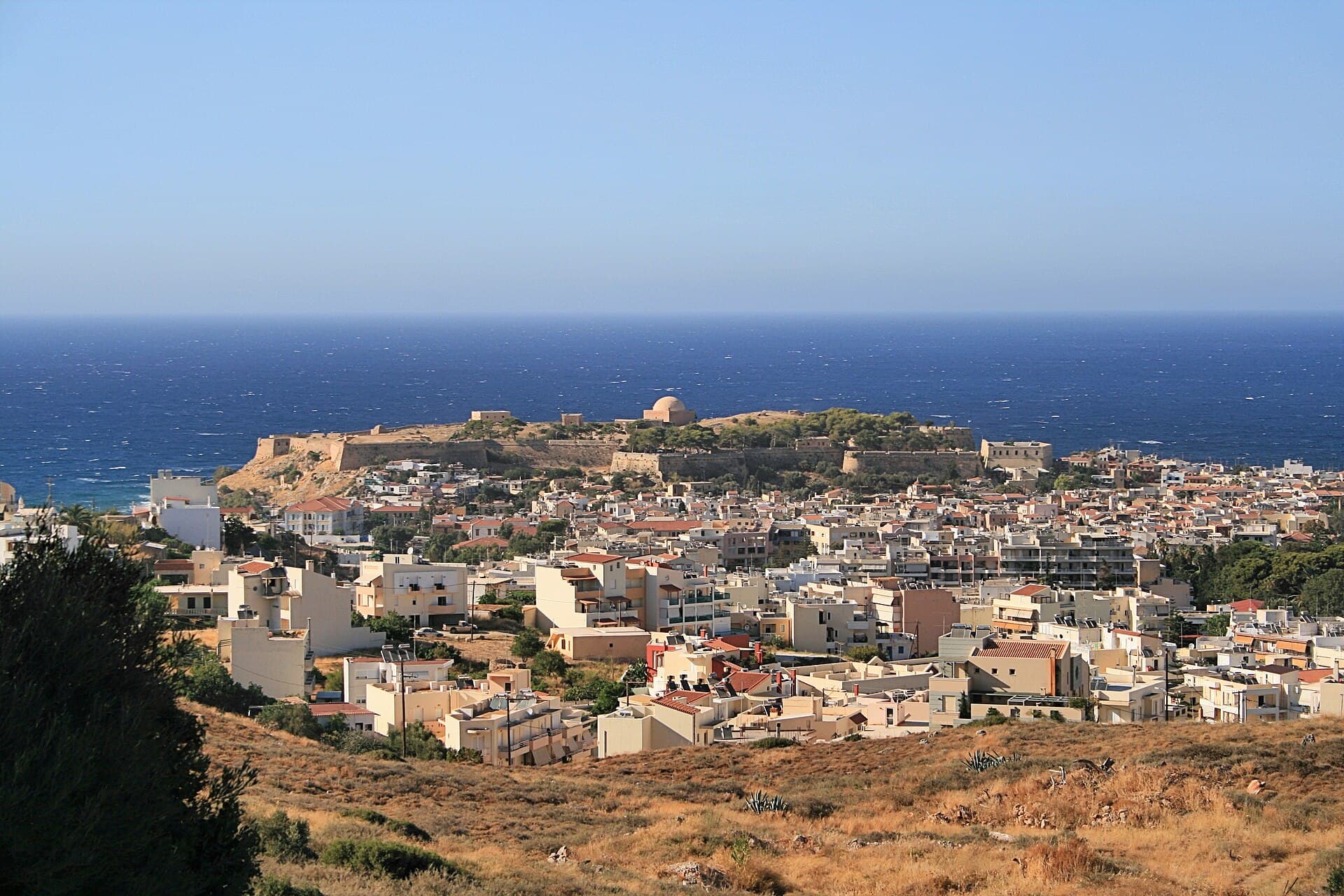 Lapplaender / CC BY-SA 3.0 de, via Wikimedia Commons
Tour audio autoguidato di Rethymno — percorso GPS a piedi, riproduzione offline, narrazione coinvolgente in 32 lingue.
“Dove l'eleganza veneziana incontra l'anima cretese.”
Non le cartoline. Le storie che nemmeno i locali conoscono — sussurrate nel tuo orecchio, proprio dove sono accadute.
L'imponente Fortezza veneziana, costruita per proteggere Rethymnon dagli invasori, nasconde una sorprendente segreto tra le sue mura.
L'imponente minareto della Moschea Neratze, una caratteristica prominente dello skyline di Rethymnon, ha un passato che potrebbe sorprenderti.
Il pittoresco faro del Porto Veneziano di Rethymnon, un faro per secoli, non è del tutto ciò che sembra.
Scopri ogni segreto di Rethymno
Ogni indirizzo, ogni rivelazione completa — nel tuo orecchio, proprio dove è accaduta.
Scegli le tue tappe. Cammini. La voce rivela ciò che gli altri perdono.


Il tuo tour audio autoguidato di Rethymno è pronto — scegli i tuoi punti di interesse, seleziona la tua lingua e inizia nel momento in cui arrivi.
AcquistaLume include una guida in realtà aumentata. Alza il telefono: la fotocamera mostra la strada davanti a te, con una freccia luminosa sovrapposta all'immagine reale che punta sempre verso la tua prossima tappa — nessuna mappa da decifrare, nessuna svolta sbagliata. Come tutto in Lume, funziona completamente offline.
Rethymnon, spesso chiamata Rethymno, è una città sull'isola di Creta, in Grecia, che offre un affascinante mix di influenze veneziane e ottomane, il tutto sullo sfondo dell'autentica vita cretese. Il suo centro storico è considerato uno dei meglio conservati di Creta, con edifici del XVI secolo ancora in piedi, caratterizzati da portali ad arco e scale in pietra. Passeggiare per le sue stradine strette e lastricate in pietra sembra un viaggio indietro nel tempo, rivelando una storia architettonica che parla del suo passato diverso.
Il fascino della città si estende dai suoi monumenti storici alla sua vivace atmosfera contemporanea. Troverai un dinamico mix di negozi, caffè e taverne nel suo nucleo storico. Oltre al centro storico, Rethymnon offre la spiaggia più lunga di Creta, che si estende per 12 chilometri, offrendo ampie opportunità di relax e attività acquatiche. Che tu sia attratto dalla storia antica, dalla bellezza architettonica o semplicemente da un ritmo mediterraneo rilassato, Rethymnon presenta un'esperienza unica e gratificante.
## Dalle Radici Antiche allo Splendore Veneziano La storia di Rethymnon risale al Neolitico, con prove di insediamenti umani sulla collina di Paleokastro tra il 6000 e il 3800 a.C. L'antica città di 'Rhithymna' fiorì tra il IV e il III secolo a.C., coniando persino le proprie monete, una delle quali raffigurava due delfini, oggi simbolo della città.
Una crescita significativa avvenne durante i periodi minoico e miceneo, ma fu sotto i veneziani, che acquisirono Creta nel 1211, che Rethymnon iniziò veramente a svilupparsi come importante centro commerciale. Posizionata strategicamente tra Heraklion e Chania, i veneziani riconobbero la sua importanza commerciale e intrapresero significativi sforzi di fortificazione. Il centro storico, o palia poli, fu quasi interamente costruito dalla Repubblica di Venezia, e gran parte della sua architettura del XVI secolo, caratterizzata da eleganti portali ad arco e scale in pietra, rimane notevolmente intatta ancora oggi.
## Dominio Ottomano e Resistenza Cretese L'era veneziana della città fu interrotta da devastanti incursioni piratesche, in particolare da parte di Barbarossa nel 1538, che spinsero alla costruzione della formidabile fortezza della Fortezza tra il 1573 e il 1580 per difendersi da ulteriori attacchi e invasioni ottomane. Nonostante queste difese, Rethymnon cadde sotto l'Impero Ottomano nel 1646 dopo un assedio di due mesi, segnando l'inizio di quasi tre secoli di dominio ottomano. Durante questo periodo, molte chiese furono convertite in moschee e l'aspetto della città si trasformò con l'aggiunta di minareti e altri elementi architettonici ottomani.
Creta fu un focolaio di resistenza contro il dominio ottomano e Rethymnon giocò un ruolo nella rivoluzione del 1866, che portò alla tragica distruzione del Monastero di Arkadi, un potente simbolo della sfida cretese. L'occupazione ottomana terminò nel 1897, seguita da un breve periodo sotto occupazione russa fino al 1907. Creta si unì finalmente alla Grecia nel 1913. Il XX secolo portò ulteriori sfide, tra cui bombardamenti durante la Battaglia di Creta nella Seconda Guerra Mondiale e la successiva occupazione tedesca, che lasciarono parti della città danneggiate. Oggi, Rethymnon prospera grazie al turismo e all'agricoltura, in particolare alla produzione di olio d'oliva, preservando la sua storia stratificata per i visitatori da esplorare.
Inizia la tua esplorazione dalla Fortezza di Rethymno, un'imponente fortezza veneziana del XVI secolo in cima alla collina di Paleokastro. Offre viste panoramiche sulla città, sul Porto Veneziano e sul Mar di Creta. All'interno delle sue mura, troverai la Moschea del Sultano Ibrahim, originariamente una chiesa veneziana, insieme a magazzini e bastioni.
Scendi nel centro storico, un labirinto di stradine strette e lastricate in pietra fiancheggiate da palazzi veneziani ed edifici dell'era ottomana. Cerca la Porta Guora (conosciuta anche come Megali Porta o Porta Grande), l'ultima sezione sopravvissuta delle mura cittadine veneziane del XVI secolo, che segna un punto di ingresso nel centro storico. La Fontana Rimondi, costruita nel 1626, presenta tre teste di leone che fanno sgorgare acqua in vasche e porta lo stemma della famiglia Rimondi.
La Loggia Veneziana, un tempo luogo di ritrovo della nobiltà veneziana, ospita ora l'ufficio informazioni del Ministero della Cultura e dello Sport. Nelle vicinanze, la Moschea Neratze, identificabile dal suo alto minareto con due balconi, era originariamente una chiesa agostiniana e ora funziona come conservatorio musicale. Concludi la tua passeggiata nel pittoresco Porto Veneziano, dove colorate barche da pesca ondeggiano accanto al faro di origine egiziana.
Rethymnon gode di un clima mediterraneo con estati lunghe e calde e inverni miti. Il periodo ideale per visitare per attività all'aperto con clima mite e un equilibrio tra visitatori è durante le stagioni intermedie: maggio, giugno, settembre e ottobre. Durante questi mesi, le temperature sono piacevoli (intorno ai 18°C-25°C) e il mare è abbastanza caldo per nuotare, mentre la folla estiva di luglio e agosto è meno intensa. Luglio è il mese più caldo, con massime medie di 32°C.
Rethymnon non ha un proprio aeroporto; i più vicini sono a Heraklion e Chania. Puoi volare in uno dei due (Heraklion per voli internazionali e nazionali, Chania per voli diretti da alcune città europee) e poi prendere un autobus o un'auto a noleggio per Rethymnon. Il centro storico è in gran parte pedonale, quindi scarpe comode sono essenziali per navigare le sue strade lastricate in pietra. Se hai intenzione di esplorare oltre la città, si consiglia di noleggiare un'auto; il parcheggio è disponibile fuori dalle mura veneziane.
Per esplorare la città stessa, tutto all'interno del centro storico è generalmente raggiungibile in 15 minuti a piedi. Autobus locali collegano alle spiagge e ai villaggi vicini. Un itinerario suggerito per una giornata a Rethymnon include l'esplorazione del centro storico, la visita della Fortezza e un pasto in una taverna tradizionale.
Rethymno — coreano, cinese, ebraico e altre 29 lingue, ogni tappa narrata da una voce madrelingua. La più ampia scelta di lingue tra i tour audio autoguidati.
Disponibile in: