Собор Рибе
Величественный собор Рибе, являющийся достопримечательностью на протяжении веков, хранит тайну своего основания, выходящую за пределы его видимого камня.
Полная история открывается в туре
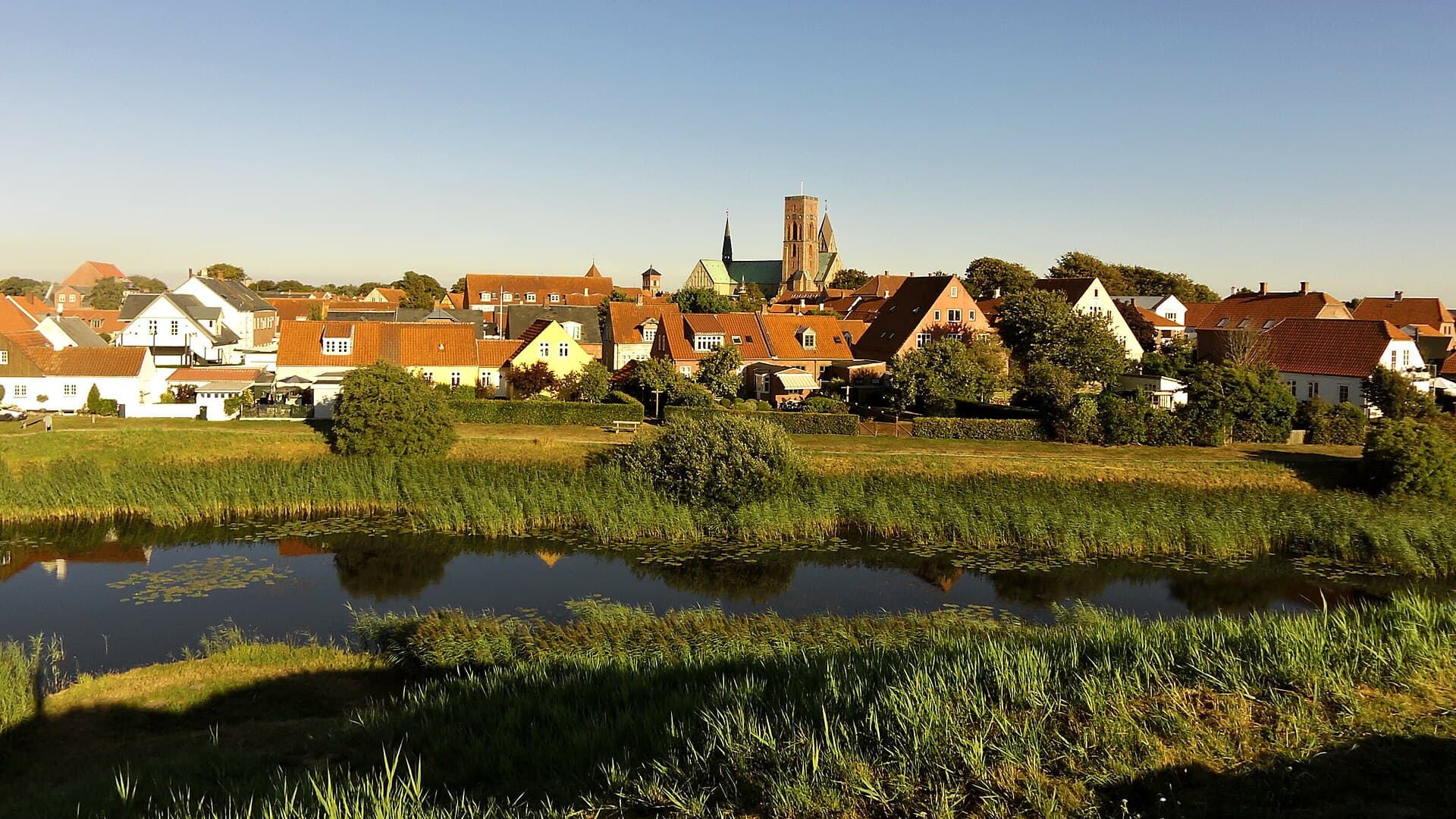 Hjart / CC BY-SA 4.0, via Wikimedia Commons
Самостоятельная аудиопрогулка по Рибе — GPS-маршрут, офлайн-воспроизведение, увлекательное повествование на 32 языках.
“Где эхо викингов встречается со средневековой грацией.”
Не открытки. Истории, которые не знают даже местные жители — шепотом в вашем ухе, прямо там, где они произошли.
Величественный собор Рибе, являющийся достопримечательностью на протяжении веков, хранит тайну своего основания, выходящую за пределы его видимого камня.
Рядом с этим историческим зданием в Рибе развернулась темная глава датской истории, связанная с одной из самых печально известных фигур страны.
Хотя ее древние стены стали свидетелями веков гражданской жизни, это здание предлагает уникальное сезонное зрелище, которое не встречается во многих муниципальных залах.
Откройте для себя каждый секрет Рибе
Каждый адрес, каждое полное раскрытие — в вашем ухе, прямо там, где это произошло.
Вы выбираете остановки. Вы гуляете. Голос раскрывает то, что упускают другие.
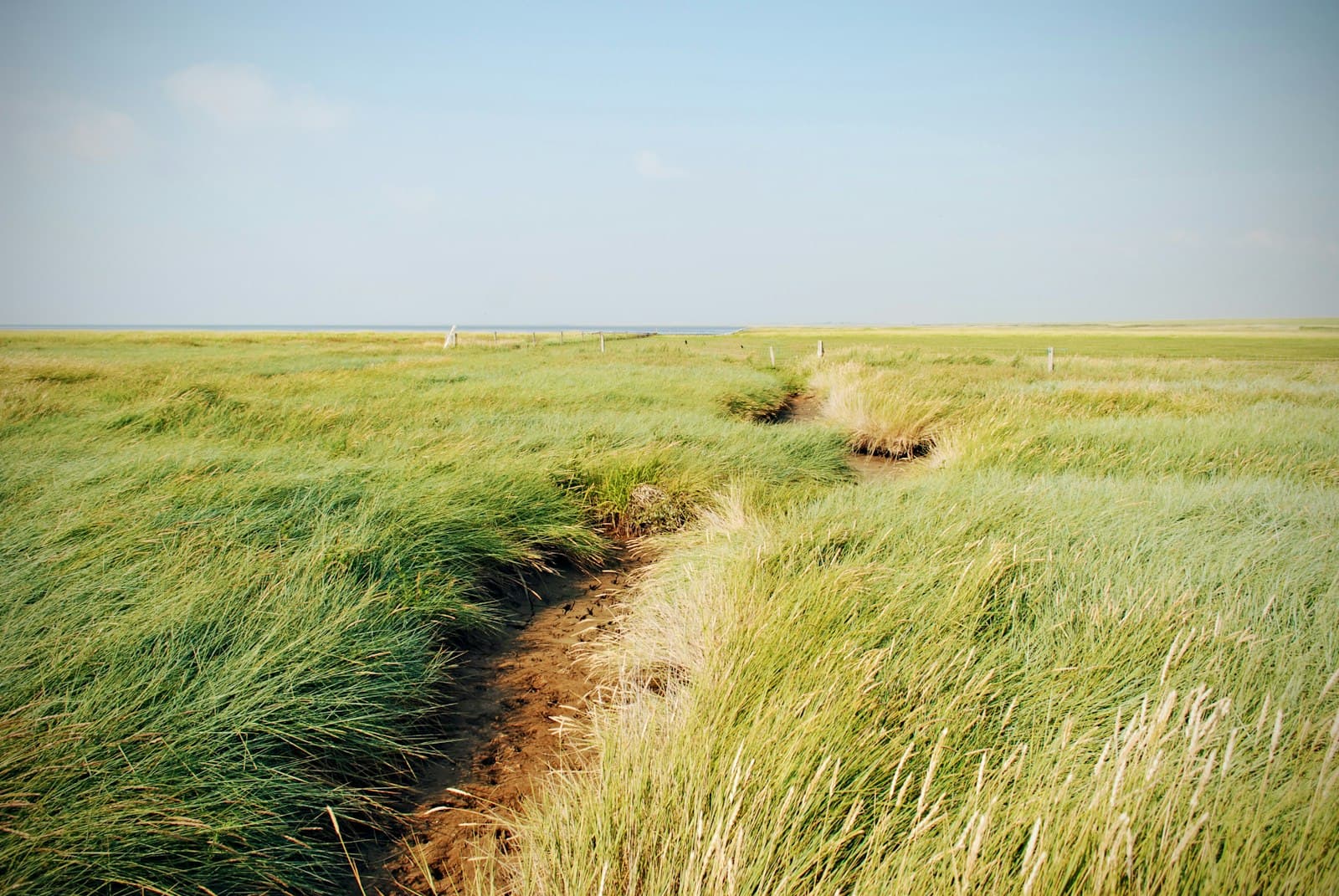
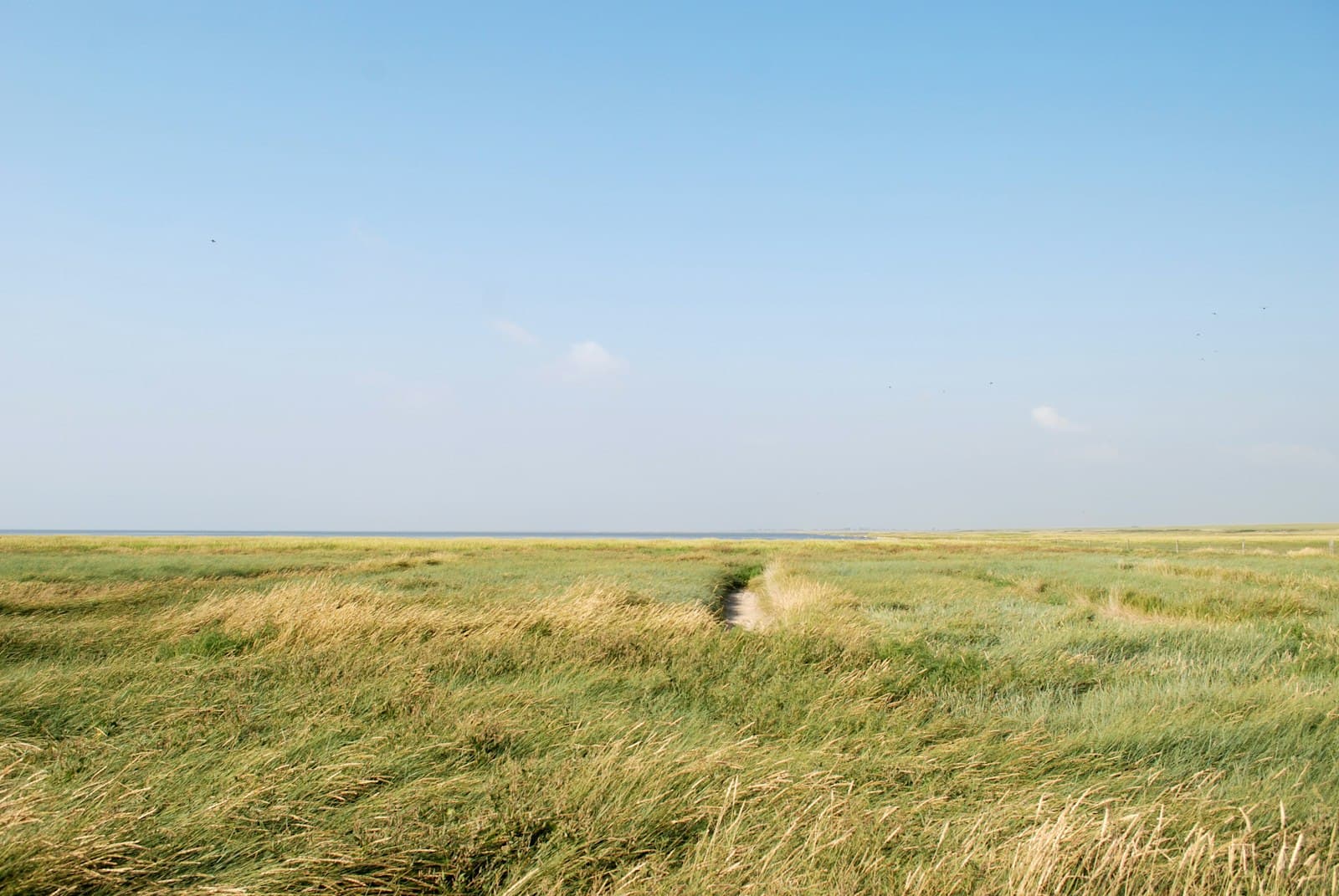
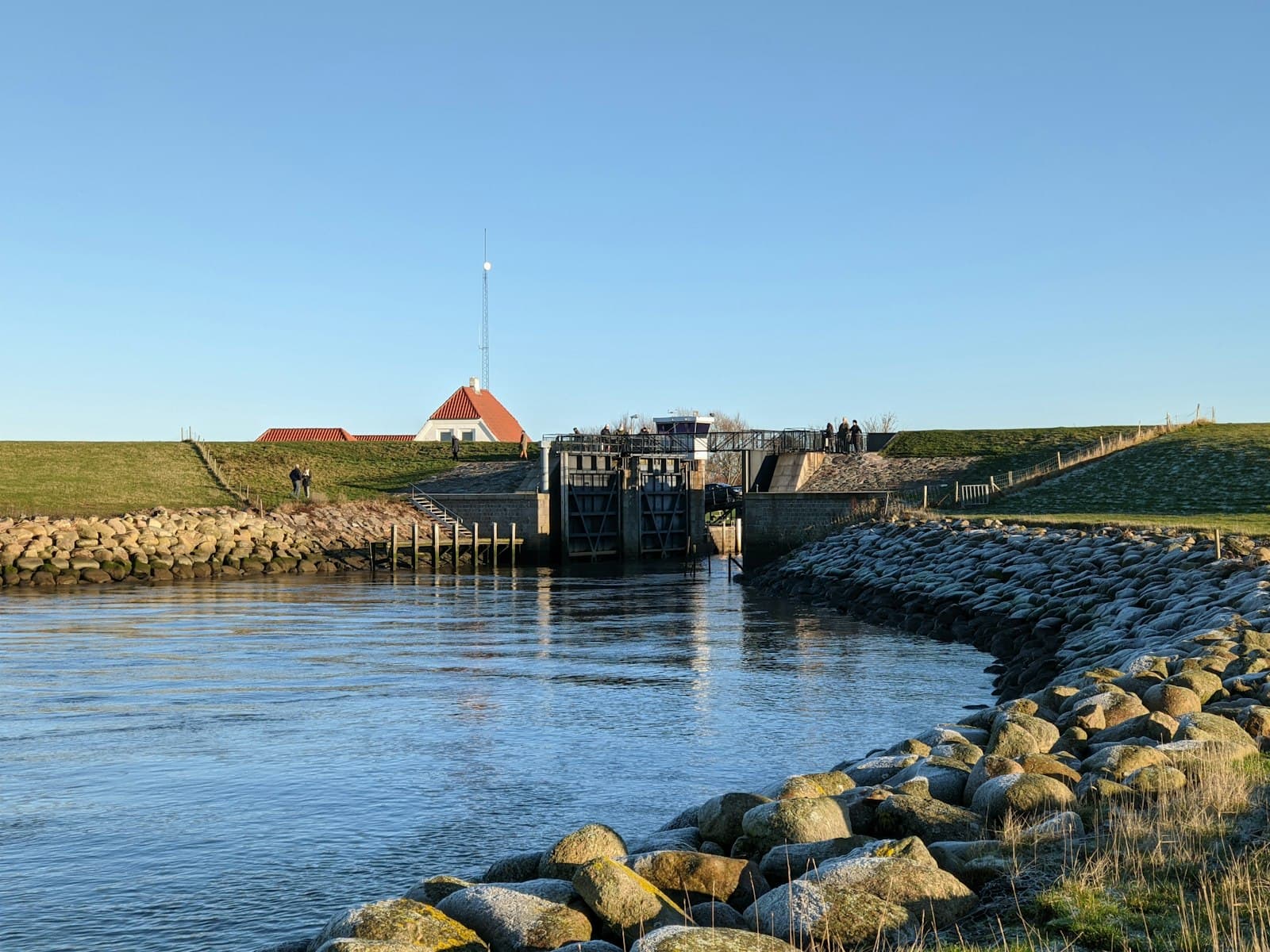
Ваш самостоятельный аудиотур по Рибе готов — выберите свои достопримечательности, выберите свой язык и начните в момент прибытия.
КупитьВ Lume встроен гид дополненной реальности. Поднимите телефон: камера показывает улицу перед вами, а поверх реального изображения светится стрелка, всегда указывающая на вашу следующую остановку — не нужно разбираться с картой и сворачивать не туда. Как и всё в Lume, это работает полностью офлайн.
Рибе, старейший город Дании, предлагает путешествие во времени, где прошлое ощущается почти на расстоянии вытянутой руки. Его узкие улочки, обрамленные фахверковыми домами, приглашают к неспешному исследованию. Неизменный характер города, сформированный веками торговли и повседневной жизни, обеспечивает ощутимую связь с прошлыми эпохами.
От величественного собора Рибе, шпиль которого устремляется в небо, до тихого течения реки Рибе — город раскрывается с мягким ритмом. Воздух несет запах соли из близлежащего Ваттового моря и далекие крики перелетных птиц, напоминая посетителям о глубоких связях Рибе как с сушей, так и с водой. Это место, где история не просто рассказывается; она ощущается в прохладном камне древних зданий и тихом шепоте ветра, проносящегося сквозь старые деревья.
История Рибе начинается в начале VIII века, во времена, когда драккары викингов бороздили мелководье реки Рибе О. Он быстро стал важным торговым постом, связывающим Скандинавию с континентальной Европой. Раскопки обнаружили свидетельства оживленных рынков, искусных ремесленников и разнообразного населения, что сделало Рибе значительным городским центром задолго до многих других европейских городов.
Приход христианства в IX веке, возглавляемый миссионерами, такими как Ансгар, ознаменовал новую главу. К XII веку начал формироваться величественный собор Рибе, свидетель растущего влияния и богатства города. Его строительство длилось веками, отражая различные архитектурные стили и меняющуюся судьбу епархии. Собор стал духовным и политическим центром, привлекая паломников и укрепляя власть.
В период Высокого Средневековья Рибе процветал. Это был королевский город, епископство и крупный порт. Китобойный промысел, рыболовство и торговля сельскохозяйственными товарами принесли значительное процветание. Купцы со всей Европы посещали его рынки. Однако изменение береговой линии, заиливание гавани, а также разрушительные пожары и чума в позднем Средневековье постепенно снизили экономическое доминирование Рибе. Реформация в XVI веке еще больше изменила его религиозный и политический ландшафт.
Несмотря на эти трудности, Рибе выстоял. В XVII веке он стал центром судебных процессов над ведьмами — мрачный период, оставивший неизгладимый след в его правовой и социальной истории. В последующие столетия Рибе сохранял свое региональное значение как административный и рыночный город. Сегодня его хорошо сохранившийся средневековый центр является свидетельством его стойкости, предлагая яркий портал в прошлое Дании.
Начните свое исследование с собора Рибе, монументального сооружения, чьи истоки восходят к IX веку. Поднимитесь на Башню горожан, чтобы полюбоваться панорамным видом на красные крыши города и плоскую гладь Ваттового моря. Прогуляйтесь по узким извилистым улочкам, любуясь фахверковыми домами и их красочными фасадами. Посетите Центр викингов Рибе (Ribe VikingeCenter), чтобы увидеть воссозданное поселение викингов с ремесленниками и длинными домами, дающее представление о повседневной жизни более тысячи лет назад. Исследуйте Художественный музей Рибе (Ribe Art Museum), расположенный в красивом здании 1864 года, где представлены датские произведения искусства с XIX века по настоящее время. Центр Ваттового моря (Wadden Sea Centre) предлагает информацию об уникальной экологии объекта Всемирного наследия ЮНЕСКО с интерактивными экспонатами и экскурсиями.
Летние месяцы, с июня по август, предлагают самую мягкую погоду и более длинные световые дни, идеально подходящие для изучения города и его окрестностей. Весна и осень предлагают более спокойный отдых, с меньшим количеством туристов и возможностью наблюдать за перелетными птицами в Ваттовом море. Зима приносит безмятежную атмосферу, с возможностью снега, придающего особый шарм древним улицам, хотя некоторые достопримечательности могут иметь сокращенные часы работы.
До Рибе легко добраться на поезде из крупных датских городов, таких как Эсбьерг и Оденсе. Центр города компактен, и его лучше всего исследовать пешком. Парковка доступна на окраинах пешеходной зоны. Варианты размещения варьируются от исторических гостиниц до современных отелей и очаровательных пансионов. Многие рестораны предлагают традиционную датскую кухню с акцентом на свежие морепродукты. Рассмотрите возможность приобретения 'Ribe Pass' для скидок на достопримечательности и мероприятия. Местный туристический информационный центр, расположенный в центре города, может предоставить карты и дальнейшую помощь.
Рибе: корейский, китайский, иврит и ещё 29 языков — каждую остановку озвучивает носитель языка. Самый широкий выбор языков среди аудиоэкскурсий без гида.
Доступные языки: