Kerk van de Hemelvaart van de Heilige Maagd Maria
Rijeka heeft zijn eigen scheve toren, een aanblik die misschien niet helemaal is zoals men zich zou voorstellen.
Volledig verhaal ontgrendeld in de tour
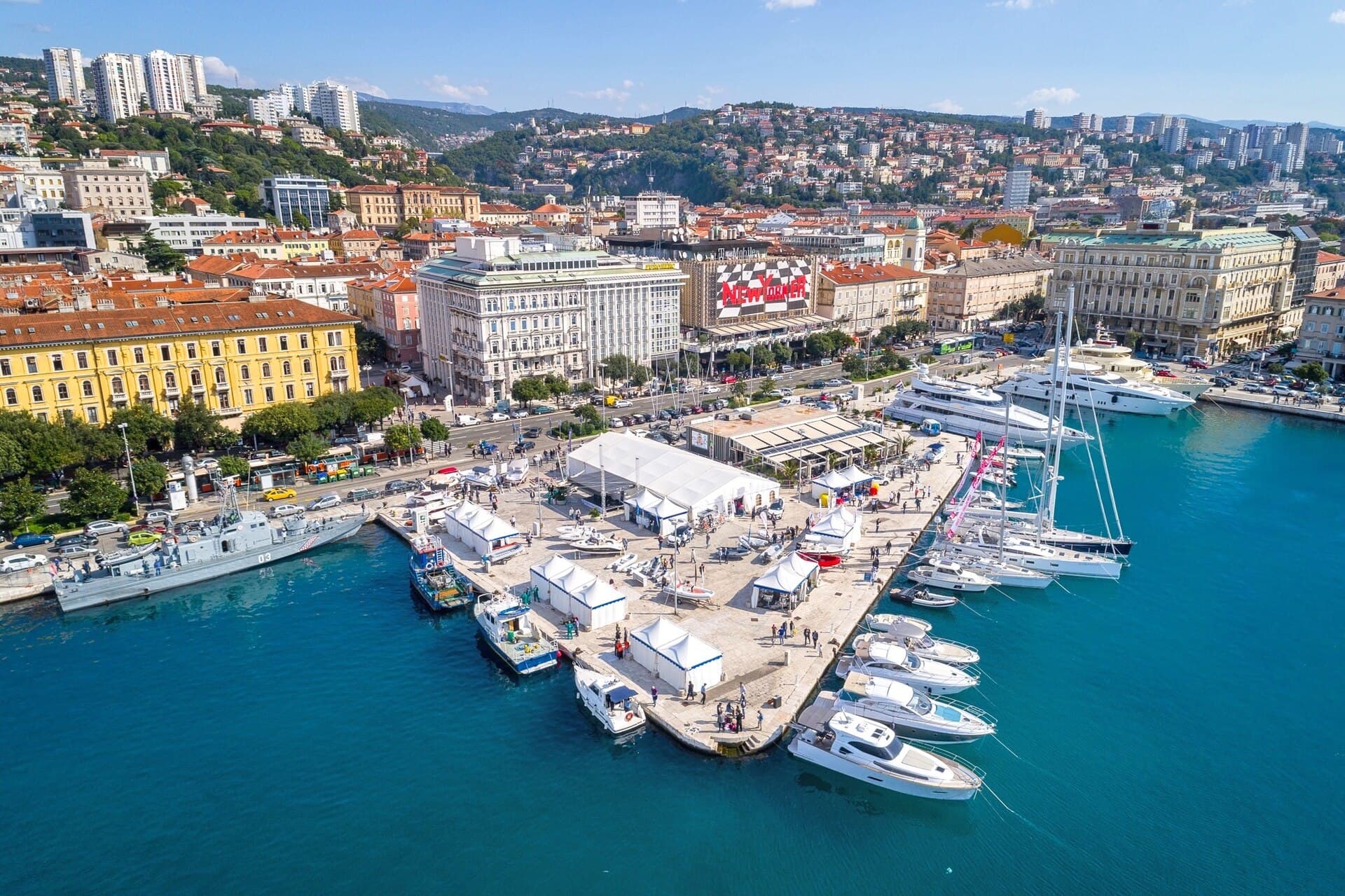 Antonio199cro / CC BY-SA 4.0, via Wikimedia Commons
Zelfgeleide audiowandeling door Rijeka — GPS-route, offline afspelen, meeslepende vertelling in 32 talen.
“Rijeka: Waar de Adriatische Zee fluistert over rijken en innovatie.”
Niet de ansichtkaarten. De verhalen die zelfs locals niet kennen — gefluisterd in je oor, precies waar ze gebeurden.
Rijeka heeft zijn eigen scheve toren, een aanblik die misschien niet helemaal is zoals men zich zou voorstellen.
Een uniek artefact van de Titanic vond zijn onwaarschijnlijke thuis in Rijeka.
Onder de actieve verkeersaders van de stad biedt een koele doorgang een reis naar een oorlogsverleden.
Ontdek elk geheim van Rijeka
Elk adres, elke onthulling volledig — in je oor, precies waar het gebeurde.
Jij kiest je stops. Jij wandelt. De stem onthult wat de anderen missen.


Je zelfgeleide audiotour van Rijeka is klaar — kies je bezienswaardigheden, kies je taal en start zodra je aankomt.
KopenLume heeft een ingebouwde augmented-reality-gids. Houd je telefoon omhoog: de camera toont de straat voor je, met een oplichtende pijl over het echte beeld die altijd naar je volgende stop wijst — geen kaart om uit te puzzelen, geen verkeerde afslagen. Zoals alles in Lume werkt het volledig offline.
Rijeka, de op twee na grootste stad en belangrijkste haven van Kroatië, biedt een boeiende fusie van industrieel karakter, gelaagde geschiedenis en een levendig cultureel landschap. Gelegen aan de Kvarnerbaai, heeft het lange tijd gediend als een cruciaal kruispunt, een feit dat terug te zien is in de gevarieerde architectuur en de complexe identiteit. In tegenstelling tot sommige van Kroatië's meer uitgesproken schilderachtige kustplaatsen, biedt Rijeka een authentieke, doorleefde ervaring, een stad die pulseert met lokale ritmes, weg van de typische toeristenmassa's.
Aangewezen als Culturele Hoofdstad van Europa in 2020, heeft Rijeka voormalige industriële zones getransformeerd tot dynamische culturele centra, en een bloeiende omgeving gecultiveerd voor straatkunst, livemuziek en cafécultuur. De locatie biedt een natuurlijke haven, die historisch het Pannonische Bekken verbond met de Adriatische Zee, en nu dient als toegangspoort tot de nabijgelegen eilanden en de bredere Kroatische kust.
Van zijn grandioze Oostenrijks-Hongaarse gevels tot zijn levendige Korzo-promenade, Rijeka nodigt uit tot verkenning. Of men nu wordt aangetrokken door zijn aanzienlijke geschiedenis, zijn kenmerkende lokale verhalen, of zijn verfrissende authenticiteit, Rijeka belooft een memorabele en verrijkende ontmoeting voor degenen die een diepere band met Kroatië zoeken.
Het verhaal van Rijeka reikt terug tot oude tijdperken, met bewijs van Neolithische nederzettingen ontdekt in de regio. De vroegst gedocumenteerde bewoningen omvatten Keltische Tharsatica op de verhoogde grond en een Liburnische zeeman gemeenschap in de natuurlijke haven beneden. De Romeinen herbouwden later Tarsatica als municipium Flumen aan de rechteroever van de Rječina rivier, en integreerden het in de Romeinse Provincie Dalmatië tot de 6e eeuw. De stad werd verwoest in 452 door de troepen van Attila de Hun. Na de 4e eeuw werd Rijeka opnieuw gewijd aan St. Vitus, zijn patroonheilige, en werd erkend als Terra Fluminis sancti Sancti Viti of Sankt Veit am Pflaum in het Duits.
Kroaten vestigden zich in de 7e eeuw en noemden het Rika svetoga Vida, wat "de rivier van Sint Vitus" betekent. Eeuwenlang functioneerde Rijeka als een feodaal bolwerk, met een fort op de hoogste ligging. Het doorstond een aanval van Frankische troepen in 799, en hoewel het oorspronkelijke beleg werd afgeslagen, bezetten de Franken uiteindelijk Trsat Castle. Van de 12e tot de 14e eeuw ontwikkelde Rijeka zich als een haven binnen het Heilige Roomse Rijk, en dreef handel met Italiaanse steden. Het kwam onder Habsburgs bestuur in 1466 en werd een vrije stad.
Tijdens de 16e en 17e eeuw werd Rijeka geconfronteerd met invallen van zowel Turkse als Venetiaanse troepen. De maritieme handel leed totdat er eind 17e eeuw vrede werd gevestigd, waarna de Habsburgers begonnen met de ontwikkeling ervan tot een belangrijke haven, met de introductie van industrieën zoals suikerraffinaderijen. In 1719 verklaarde keizer Karel VI de haven van Rijeka tot vrije haven. Een verwoestende aardbeving in 1750 noodzaakte de bijna volledige wederopbouw van de stad, waardoor het van een middeleeuwse stad veranderde in een groter commercieel en maritiem centrum.
Rijeka werd in 1779 geannexeerd aan het Koninkrijk Hongarije, waarbij het zijn autonome status behield als de enige internationale haven van Hongarije. De 19e eeuw zag verdere industriële expansie, havenmodernisering en de oprichting van een marinebasis, met spoorverbindingen naar Hongarije en Servië. Onder het Oostenrijks-Hongaarse Compromis van 1867 werd Rijeka een concurrent van de haven van Triëst in Oostenrijk. Van 1872 tot 1896, onder burgemeester Giovanni de Ciotta, onderging de stad aanzienlijke groei en wederopbouw. Tegen 1913-14 was de haven van Fiume (zoals het toen bekend stond) de tiende drukste van Europa.
Na de Eerste Wereldoorlog en de ontbinding van de Oostenrijks-Hongaarse monarchie, werd de affiliatie van Rijeka een complexe internationale strijd. De Italiaanse dichter Gabriele D'Annunzio bezette de stad met vrijwilligers voor 17 maanden en riep het uit tot een onafhankelijke staat. Het werd later onderdeel van Italië in 1924, en werd vervolgens bezet door Duitse troepen in 1943 tijdens de Tweede Wereldoorlog, waarbij het aanzienlijke schade opliep door geallieerde luchtaanvallen. Joegoslavische troepen veroverden het in mei 1945, en het werd geannexeerd aan de Socialistische Republiek Kroatië onder het vredesverdrag van Parijs in 1947. Het merendeel van de Italiaanse bevolking vertrok, vervangen door immigranten uit andere delen van Joegoslavië. Rijeka werd vervolgens de grootste haven van Joegoslavië, en ervoer aanzienlijke economische groei en industrialisatie.
Vandaag de dag blijft Rijeka zich ontwikkelen en omarmt het zijn rol als cultureel en economisch centrum binnen het onafhankelijke Kroatië.
Begin uw verkenning bij Korzo, de belangrijkste voetgangerspromenade van Rijeka, een levendig knooppunt voor zowel inwoners als bezoekers. Omringd door cafés, winkels en historische gebouwen, biedt het een ideale setting om het dagelijkse leven te observeren. De Stadsklokkentoren, een symbool van Rijeka, staat hier prominent, daterend uit de 17e eeuw.
Een korte wandeling vanaf Korzo leidt naar de Kathedraal van St. Vitus, de patroonheilige van de stad. Deze barokke rotonde uit de 17e eeuw vertegenwoordigt een onderscheidend architectonisch voorbeeld in Kroatië. Vlakbij vindt u de Kerk van de Hemelvaart van de Heilige Maagd Maria, opmerkelijk vanwege zijn 40 centimeter hellende klokkentoren. Voor een glimp van Romeinse oudheid, zoek de Romeinse Boog, een oud architectonisch monument dat een ingang naar de oude stad markeert.
Stijg op naar Trsat Castle, hetzij met de auto, hetzij door de 561 treden van de Petar Kružić Trappen te beklimmen. Dit 13e-eeuwse fort, gebouwd op de locatie van een oud Illyrisch en Romeins bolwerk, biedt een weids uitzicht over de stad en de Golf van Kvarner. Binnen de kasteelmuren vindt men een kunstgalerie en een locatie voor zomerse bijeenkomsten. Naast het kasteel ligt het Heiligdom van Onze Lieve Vrouw van Trsat, een belangrijke pelgrimsoord in Kroatië.
Duik in het verleden van Rijeka in het Maritiem en Historisch Museum van de Kroatische Kust, gevestigd in het voormalige Paleis van de Gouverneur, of verken het PEEK&POKE Computer Museum, het enige museum in Kroatië gewijd aan vroege computertechnologie. Voor een unieke ervaring, loop door de Rijeka Tunnel, een schuilkelder uit de Tweede Wereldoorlog die nu toegankelijk is voor het publiek.
Mis de actieve Rijeka Markt (Placa) niet, gelegen aan de kust, waar verse zeevruchten en lokale producten verkrijgbaar zijn. De Molo Longo-golfbreker biedt een lange wandeling met een panoramisch uitzicht over de Kvarnerbaai. Voor geïnteresseerden in industrieel erfgoed, is het Torpedo Lanceerstation, de locatie van de eerste moderne torpedo-ontwikkeling ter wereld, een boeiend, zij het verlaten, monument.
De meest gunstige periodes om Rijeka te bezoeken zijn tijdens de schouderseizoenen: van half april tot half juni en in september of begin oktober. Gedurende deze periodes is het weer aangenaam mild en ervaart de stad minder drukte vergeleken met de drukste zomermaanden juli en augustus. Hoewel juli en augustus warme zeetemperaturen bieden, ideaal om te zwemmen, brengen ze ook meer bezoekers met zich mee. De winter is koeler, maar kan een populaire tijd zijn om te bezoeken, vooral voor het gevierde Rijeka Carnaval, het grootste carnaval van Kroatië.
Rijeka is goed verbonden, met bus- en treinstations handig gelegen nabij het stadscentrum. De luchthaven van Rijeka ligt op het eiland Krk, bereikbaar via een brug, ongeveer 30 minuten rijden.
Het stadscentrum is gemakkelijk te voet te verkennen, met veel belangrijke bezienswaardigheden binnen handbereik. Voor langere afstanden of het verkennen van gebieden verder weg, zijn lokale bussen gemakkelijk beschikbaar, of men kan overwegen een e-scooter te huren. Parkeren is beschikbaar, met een groot gebied genaamd Parking Delta nabij het stadscentrum dat 500 plaatsen biedt.
Kroatië gebruikt de Euro (€), en de meeste etablissementen accepteren kaarten, hoewel het raadzaam is om wat contant geld bij u te hebben voor kleinere cafés en marktkraampjes. Kraanwater in Rijeka is veilig en van uitstekende kwaliteit om te drinken. De stad biedt ook gratis Wi-Fi in het stadscentrum en in Trsat. In vergelijking met andere West-Europese steden, wordt Rijeka als zeer veilig beschouwd, zelfs 's nachts, hoewel het altijd verstandig is om op uw persoonlijke bezittingen te letten.
Rijeka — Koreaans, Chinees, Hebreeuws en nog 29 talen, elke stop verteld door een moedertaalspreker. Het grootste taalaanbod van alle zelfgeleide audiotours.
Beschikbaar in: