Torre de Hrelyo
La estructura más antigua que se conserva en el Monasterio de Rila guarda una sombría inscripción, que insinúa un destino más oscuro para su fundador.
La historia completa se desbloquea en el tour
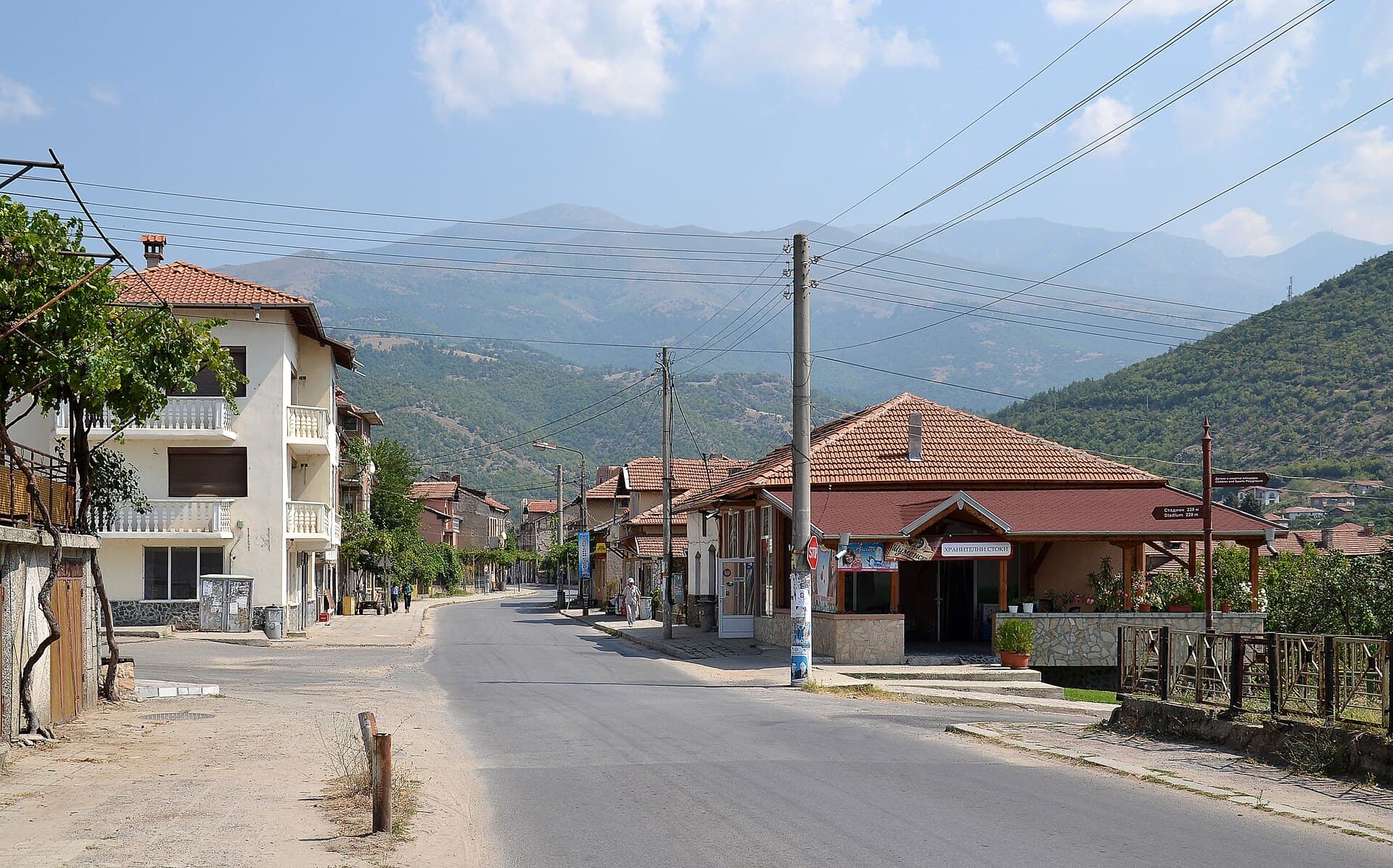 Pudelek (Marcin Szala) / CC BY-SA 3.0, via Wikimedia Commons
Tour de audio autoguiado de Rila — ruta GPS a pie, reproducción offline, narración en 32 idiomas.
“Donde las montañas se encuentran con milenios: la Rila búlgara revela arte sagrado y maravillas glaciares.”
No las postales. Las historias que ni los locales conocen — al oído, justo donde ocurrieron.
La estructura más antigua que se conserva en el Monasterio de Rila guarda una sombría inscripción, que insinúa un destino más oscuro para su fundador.
Se dice que estos prístinos lagos glaciares nacieron de la profunda pena de un gigante.
Una cruz de madera en miniatura dentro del museo del monasterio cuenta una historia de extraordinaria devoción y sacrificio.
Descubre todos los secretos de Rila
Cada dirección, cada revelación al completo — a tu oído, justo donde ocurrió.
Eliges tus paradas. Caminas. La voz te revela lo que los demás ignoran.

Tu tour de audioguía por Rila te espera — elige tus lugares, tu idioma y empieza al llegar.
ComprarLume incluye una guía de realidad aumentada. Levanta el móvil y su cámara muestra la calle que tienes delante, con una flecha luminosa sobre la imagen real que siempre apunta a tu próxima parada — sin mapas que descifrar, sin giros equivocados. Como todo en Lume, funciona completamente sin conexión.
En lo profundo de las montañas de Rila, en el suroeste de Bulgaria, se encuentra Rila, una región donde la antigua espiritualidad se entrelaza con un esplendor natural dramático. En su corazón se alza el Monasterio de Rila, un sitio declarado Patrimonio de la Humanidad por la UNESCO y un profundo símbolo de la identidad nacional búlgara. Fundado en el siglo X, este monasterio ortodoxo oriental ha servido durante siglos como un bastión espiritual, un refugio cultural y un guardián de la herencia eslava.
Más allá de la sorprendente arquitectura y los vívidos frescos del monasterio, el Parque Nacional de Rila circundante ofrece un paisaje de picos imponentes, densos bosques de pinos y más de 120 lagos glaciares. Es un lugar donde la grandeza de la naturaleza proporciona un poderoso telón de fondo a siglos de esfuerzo y devoción humanos. Ya sea atraído por el aura sagrada del monasterio o por la llamada de la naturaleza, Rila ofrece un viaje al alma de Bulgaria.
El Monasterio de Rila remonta sus orígenes al siglo X, establecido por San Iván de Rila, un ermitaño que buscó una vida de contemplación y oración en las remotas montañas de Rila. Su morada ascética y su tumba finalmente se convirtieron en un lugar sagrado venerado. Sus seguidores establecieron un complejo monástico cercano, marcando el inicio de uno de los centros espirituales más importantes de Bulgaria.
A lo largo de la Edad Media, la importancia del monasterio creció, impulsada por el apoyo de los zares búlgaros que lo protegieron y contribuyeron a su expansión. Se convirtió en un centro para eruditos y un centro de aprendizaje, donde se copiaban manuscritos y se preservaba la cultura eslava. Sin embargo, este período de rápido desarrollo fue interrumpido a finales del siglo XIV con la invasión otomana de Bulgaria. El monasterio sufrió múltiples ataques, fue saqueado y sufrió destrucción a mediados del siglo XV.
El Monasterio de Rila comenzó su resurgimiento a finales del siglo XV, ayudado por donaciones de búlgaros de todo el país. Su aislamiento de los centros de poder otomanos le permitió florecer durante los siglos posteriores de dominio otomano, convirtiéndose en un faro de la fe cristiana ortodoxa e influyendo en el desarrollo cultural de las naciones cristianas dentro del imperio. Los siglos XVIII y XIX, conocidos como el Renacimiento Nacional Búlgaro, vieron una transformación monumental. Un devastador incendio en 1833 destruyó la mayoría de los edificios residenciales monásticos. Sin embargo, un esfuerzo a nivel nacional, impulsado por el deber religioso y patriótico y liderado por figuras como Neofit Rilski, vio el monasterio reconstruido entre 1834 y 1862. Maestros artesanos, incluidos Aleksey Rilets y Pavel Milenkov, contribuyeron con sus habilidades, y la iglesia principal fue erigida entre 1834 y 1837. El monasterio también sirvió como refugio para revolucionarios búlgaros como Vassil Levski y Gotse Delchev durante este período.
En 1976, el Monasterio de Rila fue declarado monumento histórico nacional, y en 1983, fue inscrito en la Lista del Patrimonio Mundial de la UNESCO, reconociendo su profunda importancia cultural e histórica. Desde 1991, ha estado bajo los auspicios del Santo Sínodo de la Iglesia Ortodoxa Búlgara, continuando su papel como un monasterio activo y un tesoro nacional muy querido.
El complejo del Monasterio de Rila presenta un sorprendente conjunto arquitectónico. La iglesia principal, la Natividad de la Virgen, es un punto focal, con su distintivo exterior a rayas blancas y negras adornado con vívidos frescos que representan escenas bíblicas y leyendas populares. En el interior, los murales de Zahari Zograf, un renombrado artista del Renacimiento Nacional Búlgaro, cautivan con su color y detalle. El iconostasio dorado, una obra maestra de la talla en madera, tardó cinco años en ser completado por cuatro artesanos.
Dominando el patio se encuentra la Torre de Hrelyo, el edificio más antiguo que se conserva, que data del siglo XIV. Los visitantes pueden ascender sus 23 metros de altura hasta una capilla en el último piso, que ofrece vistas de los terrenos del monasterio. El monasterio alberga varios museos, incluidos el Museo de Historia, el Museo de Iconos y el Museo Etnográfico, que exhiben artefactos religiosos, manuscritos iluminados, trajes tradicionales búlgaros e incluso utensilios de cocina antiguos.
A pocos kilómetros del complejo principal se encuentra la cueva de San Iván de Rila, la ermita original. Se cree que una estrecha grieta dentro de la cueva limpia los pecados de aquellos que logran pasar a través de ella.
Más allá del monasterio, el Parque Nacional de Rila ofrece los Siete Lagos de Rila, un grupo de lagos glaciares conocidos por sus formas y nombres distintivos como 'La Lágrima' (Salzata) y 'El Riñón' (Babreka). Estos lagos están interconectados por pequeños arroyos y cascadas, creando un pintoresco destino de senderismo.
La mejor época para visitar Rila para actividades de clima cálido, incluido el senderismo por los Siete Lagos de Rila, es desde mediados de junio hasta principios de septiembre. Durante julio y agosto, el clima es ideal y los lagos glaciares están completamente derretidos. Principios de otoño, en septiembre y principios de octubre, también ofrece un clima agradable con menos multitudes y un colorido follaje otoñal, aunque algo de nieve puede persistir en las elevaciones más altas a principios de junio. La temperatura máxima promedio en julio es de 27°C (81°F), con máximas en agosto de alrededor de 30°C (86°F).
El Monasterio de Rila se encuentra aproximadamente a 120 kilómetros (75 millas) al sur de Sofía. Se puede llegar en coche en aproximadamente 1,5 a 2 horas, con carreteras bien pavimentadas que conducen al monasterio. Los autobuses públicos ofrecen un servicio limitado, que generalmente sale de la estación de autobuses Oeste de Sofía – Ovcha Kupel una vez al día. Muchos tours guiados desde Sofía combinan el monasterio con otros sitios como la Iglesia de Boyana o los Siete Lagos de Rila.
La entrada al complejo del monasterio y al patio es gratuita. Sin embargo, hay pequeñas tarifas para entrar a los museos y a la Torre de Hrelyo, generalmente alrededor de 8 BGN (4 €) por museo y 5 BGN por la torre. El monasterio es un sitio religioso activo, por lo que se requiere un código de vestimenta respetuoso: los hombros y las rodillas deben estar cubiertos, y no se permiten faldas cortas, pantalones cortos o camisetas sin mangas. La fotografía generalmente está permitida en el patio y de los frescos exteriores, pero está estrictamente prohibida dentro de la iglesia principal y los museos. Hay alojamiento básico disponible en el propio monasterio, o en el cercano pueblo de Rila.
Rila en coreano, en chino o en hebreo — y 29 idiomas más, cada parada narrada por una voz nativa. La mayor variedad de idiomas de cualquier audioguía autoguiada.
Disponible en: