Il sito originale di Riobamba
Riobamba è conosciuta come la prima città spagnola fondata in Ecuador, ma la città che visiti oggi non è la sua forma iniziale.
La storia completa si sblocca nel tour
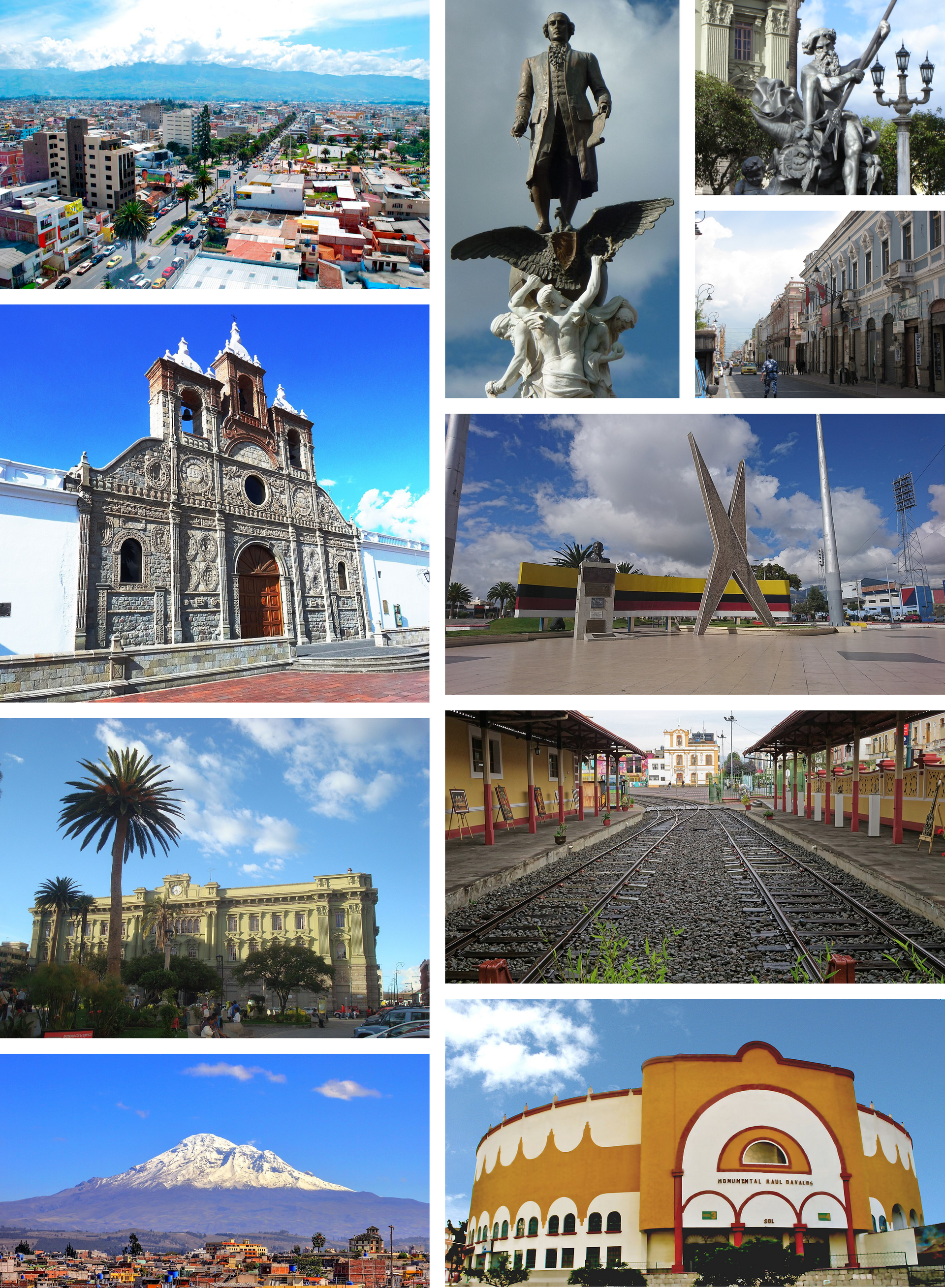 David C. S. / CC BY-SA 4.0, via Wikimedia Commons
Tour audio autoguidato di Riobamba — percorso GPS a piedi, riproduzione offline, narrazione coinvolgente in 32 lingue.
“Dove le Ande incontrano il cielo e la storia risuona attraverso strade ricostruite.”
Non le cartoline. Le storie che nemmeno i locali conoscono — sussurrate nel tuo orecchio, proprio dove sono accadute.
Riobamba è conosciuta come la prima città spagnola fondata in Ecuador, ma la città che visiti oggi non è la sua forma iniziale.
Da certi punti panoramici di Riobamba, puoi ammirare la vetta del Chimborazo, la montagna più alta dell'Ecuador. Sapevi che è anche il punto della Terra più vicino al sole?
Tra le numerose piazze pubbliche di Riobamba, il Parque Sucre custodisce un intrigante monumento che commemora un particolare miglioramento urbano.
Scopri ogni segreto di Riobamba
Ogni indirizzo, ogni rivelazione completa — nel tuo orecchio, proprio dove è accaduta.
Scegli le tue tappe. Cammini. La voce rivela ciò che gli altri perdono.


Il tuo tour audio autoguidato di Riobamba è pronto — scegli i tuoi punti di interesse, seleziona la tua lingua e inizia nel momento in cui arrivi.
AcquistaLume include una guida in realtà aumentata. Alza il telefono: la fotocamera mostra la strada davanti a te, con una freccia luminosa sovrapposta all'immagine reale che punta sempre verso la tua prossima tappa — nessuna mappa da decifrare, nessuna svolta sbagliata. Come tutto in Lume, funziona completamente offline.
Riobamba, spesso chiamata il "Sultano delle Ande", è la capitale della provincia ecuadoriana di Chimborazo. Si trova nella valle del fiume Chambo a un'altitudine di 2.754 metri (9.035 piedi) sul livello del mare. Questa città funge da importante snodo commerciale negli altopiani centrali dell'Ecuador ed è una tappa cruciale lungo la Panamericana. Sebbene non sia sempre una destinazione turistica primaria, Riobamba offre un mix di importanza storica e cultura locale, e funge da porta d'accesso ad alcuni dei paesaggi andini più spettacolari dell'Ecuador, incluso il colossale vulcano Chimborazo.
L'essenza della città è plasmata dal suo passato e dal suo presente. Le sue strade a griglia, conseguenza della ricostruzione dopo un devastante terremoto, contrastano con la forte presenza indigena visibile nei suoi mercati e nell'abbigliamento tradizionale della sua gente. Riobamba offre un'esperienza più autentica e meno incentrata sui visitatori rispetto a città più grandi come Quito o Cuenca, rendendola una tappa interessante per coloro che cercano un legame più profondo con la vita locale e la grandezza delle Ande.
Riobamba detiene il primato di essere la prima città spagnola fondata in quella che oggi è l'Ecuador, il 15 agosto 1534, da Diego de Almagro nelle pianure di San Miguel. Questo primo insediamento, noto anche come Liribamba, fu costruito sul sito di un'antica città Puruhá. Il popolo Puruhá aveva resistito ferocemente all'espansione dell'Impero Inca nella regione alla fine del XV secolo, formando infine un'alleanza con il leader Inca Huayna Capac. Nel 1563, Riobamba divenne parte della Real Audiencia di Quito dell'Impero Spagnolo.
Tuttavia, la prosperità iniziale della città come centro di produzione tessile fu tragicamente interrotta. Nel 1797, un catastrofico terremoto colpì l'Ecuador centrale, obliterando completamente Riobamba e causando una vasta devastazione nella valle interandina. La scossa, stimata tra magnitudo 7,6 e 8,3, innescò massicce frane che cancellarono l'insediamento originale e causarono la morte di 6.000-40.000 persone.
Dopo il terremoto, Riobamba fu ricostruita qualche anno dopo, a circa 14 chilometri (8,7 miglia) dalla sua posizione originale, vicino al villaggio di Cajabamba. Questo trasferimento portò a un nuovo disegno urbano, caratterizzato da un tipico schema a griglia, distinto dai centri coloniali di città come Quito o Cuenca. Nonostante la distruzione, la città conservò gran parte della sua influenza architettonica coloniale spagnola. Riobamba svolse un ruolo centrale nella prima indipendenza dell'Ecuador, con la prima Assemblea Costituente che si riunì lì il 14 agosto 1830 per redigere la prima costituzione della nazione e selezionare il suo primo presidente, Juan José Flores. Questo evento storico, tra gli altri "primi", valse a Riobamba la designazione di "Città dei Primi".
Durante il periodo coloniale e oltre, la regione di Riobamba fu nota per le frequenti rivolte indigene contro lo sfruttamento europeo, con una grave insurrezione avvenuta nel 1764 a causa dell'aumento delle tasse. Oggi, Riobamba è riconosciuta per la sua forte identità indigena e meticcia, evidente nei suoi vivaci mercati e nell'abbigliamento tradizionale dei suoi abitanti. Continua ad essere un importante centro per il trasporto e lo scambio di prodotti agricoli dalle aree circostanti.
Il centro di Riobamba offre un ambiente piacevole per passeggiare, con luoghi degni di nota che riflettono il suo passato e la sua cultura. Parque Maldonado è la piazza principale, circondata da edifici di epoca coloniale come la Cattedrale di Riobamba e il Municipio. La Cattedrale, costruita nel 1835, presenta una facciata in pietra calcarea bianca con rilievi che raffigurano influenze indigene e spagnole, e il suo interno conserva frammenti della Riobamba coloniale. Un altro punto di interesse architettonico è la Basilica, l'unica chiesa circolare dell'Ecuador, progettata principalmente da artigiani locali.
I mercati della città sono un'attrazione particolare, offrendo uno spaccato della vita locale. Il mercato del sabato, specialmente intorno al Mercato San Alfonso, è un evento vivace dove persone provenienti dai villaggi circostanti, spesso in abiti tradizionali, vendono tessuti, cibo e artigianato. Per un'esperienza più specializzata, il Mercato del Bestiame di Calpi, a circa 20 minuti dalla città, è una vivace dimostrazione di scambio di bestiame. Musei come il Museo della Città, ospitato in una dimora storica, offrono spunti sulla storia e la cultura locale, mentre il Museo di Arte Religiosa espone pezzi del XVII e XVIII secolo, tra cui un ostensorio d'oro adornato di pietre preziose. Riobamba serve anche come punto di partenza per esplorare le cime andine circostanti. Il maestoso vulcano Chimborazo, la vetta più alta dell'Ecuador, è facilmente accessibile, con tour disponibili per escursioni ai suoi rifugi a 4.800 metri. La corsa del treno Nariz del Diablo (Naso del Diavolo), sebbene ora parta da Alausí (un viaggio in autobus di due ore da Riobamba), rimane un'esperienza celebrata per le sue ripide pendenze e i panorami mozzafiato.
Riobamba gode di un clima temperato tutto l'anno grazie alla sua alta altitudine. Tuttavia, il periodo più favorevole per visitare per cieli sereni e viste ottimali sulle montagne, in particolare sul Chimborazo, è durante la stagione secca, che va da giugno a settembre. Durante questi mesi, le giornate sono spesso soleggiate, anche se le serate possono essere fresche, quindi si consiglia di vestirsi a strati. Sebbene piova comunemente nel pomeriggio al di fuori di questi mesi, le temperature rimangono relativamente costanti. Le festività nazionali, come la Pasqua e le celebrazioni di novembre, portano anche un'aumentata attività in città.
Riobamba è ben collegata in autobus alla maggior parte delle principali città dell'Ecuador, con tempi di percorrenza di circa 1,5 ore per Baños, 4 ore per Quito e 5-6 ore per Cuenca. All'interno della città, molte attrazioni chiave nel centro storico sono raggiungibili a piedi. Per distanze maggiori o gite nei siti vicini, taxi e autobus pubblici sono facilmente disponibili e convenienti. I taxi hanno solitamente una tariffa minima di $1,20 di giorno e $1,30 dopo le 19:00.
Data l'altitudine di Riobamba di 2.754 metri (9.035 piedi), è possibile sperimentare il mal di montagna. Mantenersi idratati, prendersela comoda all'arrivo e riposare può aiutare ad alleviare i sintomi. Quando si esplorano i mercati, sebbene la contrattazione possa far parte dell'esperienza, ricordate che molti beni sono fatti a mano da persone locali e indigene, quindi si incoraggia un prezzo equo.
Riobamba — coreano, cinese, ebraico e altre 29 lingue, ogni tappa narrata da una voce madrelingua. La più ampia scelta di lingue tra i tour audio autoguidati.
Disponibile in: