Castelo de Rize
O Castelo de Rize, uma estrutura com raízes que potencialmente remontam ao Imperador Bizantino Justiniano I, oferece mais do que antigas muralhas de pedra.
História completa desbloqueada no tour
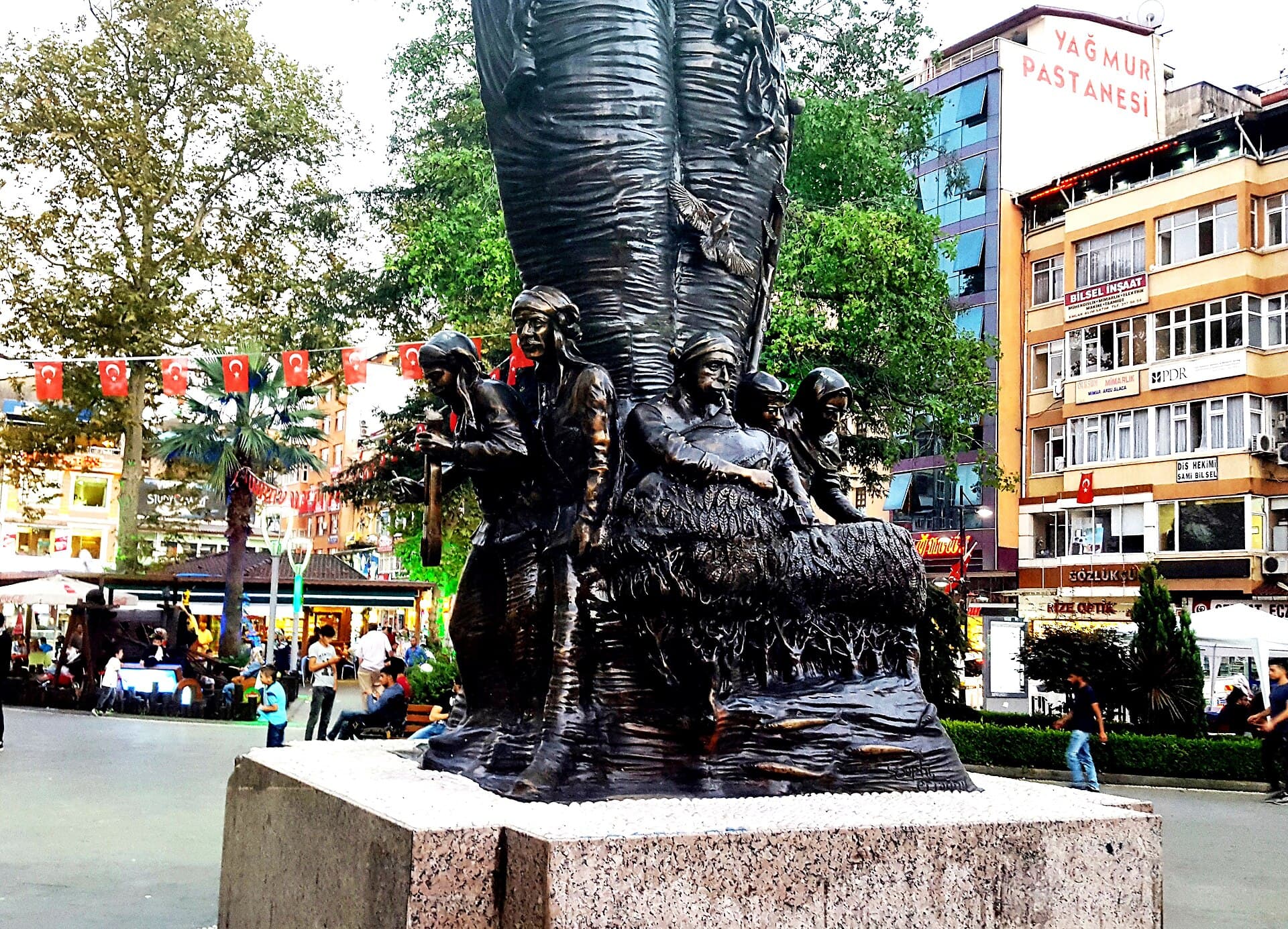 Gaga.vaa / CC BY-SA 4.0, via Wikimedia Commons
Tour de áudio autoguiado por Rize — rota GPS a pé, reprodução offline, narração envolvente em 32 idiomas.
“Onde montanhas esmeralda encontram o Mar Negro, e cada xícara conta uma história.”
Não os postais. As histórias que nem os locais conhecem — sussurradas ao seu ouvido, exatamente onde aconteceram.
O Castelo de Rize, uma estrutura com raízes que potencialmente remontam ao Imperador Bizantino Justiniano I, oferece mais do que antigas muralhas de pedra.
Rize é sinônimo de chá turco, suas encostas ondulantes cobertas por arbustos de chá verdejantes. No entanto, o cultivo de chá aqui é um desenvolvimento relativamente recente.
A paisagem culinária de Rize é rica em sabores distintos, profundamente moldada por sua localização no Mar Negro e seus abundantes recursos naturais. Um ingrediente em particular domina muitos pratos locais.
Descubra cada segredo de Rize
Cada endereço, cada revelação na íntegra — no seu ouvido, exatamente onde aconteceu.
Você escolhe as suas paragens. Você caminha. A voz revela o que os outros perdem.


O seu tour áudio autoguiado de Rize está pronto — escolha os seus pontos de interesse, selecione o seu idioma e comece no momento em que chegar.
ComprarA Lume inclui um guia de realidade aumentada. Levante o telemóvel: a câmara mostra a rua à sua frente, com uma seta luminosa sobreposta à imagem real que aponta sempre para a sua próxima paragem — sem mapa para decifrar, sem voltas erradas. Como tudo na Lume, funciona totalmente offline.
Rize, uma cidade envolvente no nordeste da Turquia, é uma terra onde as Montanhas Pônticas descem dramaticamente para encontrar o Mar Negro. Essa geografia singular cria um microclima úmido e chuvoso, promovendo uma extensão intensamente verde de florestas densas, planaltos altos e, mais famosamente, vastas plantações de chá. Frequentemente chamada de "capital do chá" da Turquia, a identidade de Rize está profundamente entrelaçada com essa amada bebida, que prospera em seu solo fértil e precipitação abundante.
A cidade em si está disposta em torno de uma pequena baía, sua expansão urbana subindo as encostas íngremes que se erguem da costa. Além dos onipresentes campos de chá, Rize oferece um vislumbre de uma cultura distinta do Mar Negro, marcada pela arquitetura tradicional, uma gastronomia única e um ritmo de vida mais deliberado. Serve como um portal para explorar as maravilhas naturais da região, desde cachoeiras em cascata até lagos alpinos e os picos dramáticos das Montanhas Kaçkar.
Embora Rize possa não ser conhecida por uma vida noturna agitada, seu encanto reside em sua tranquilidade natural e no calor genuíno de seu povo. A abertura do Aeroporto Rize–Artvin em 2022 tornou este canto verdejante da Turquia mais acessível, convidando os viajantes a descobrir sua mistura distinta de história, natureza e a fragrância penetrante de chá recém-infundido.
A história de Rize remonta à antiguidade, com seu nome pensado para derivar da palavra grega "Rhiza", que significa "encosta da montanha" ou "raiz", uma descrição adequada de seu terreno. A região aparece pela primeira vez na história escrita por volta do século VIII a.C., quando colonos gregos de Mileto estabeleceram um assentamento comercial na costa. O historiador romano Arriano mencionou posteriormente a cidade em 131 d.C. como um importante porto fortificado em seu relatório ao Imperador Adriano.
Ao longo dos séculos, Rize foi parte de vários impérios e reinos. Após a queda de Constantinopla para os Cruzados em 1204, Rize tornou-se um componente do recém-formado Império de Trebizonda. Comparações arquitetônicas sugerem que o Castelo de Rize, uma estrutura histórica significativa, foi inicialmente construído durante o reinado do Imperador Bizantino Justiniano I (527–565 d.C.), com restaurações provavelmente ocorrendo nos séculos XIII ou XIV, quando a cidade fazia parte do Império de Trebizonda. Mais tarde, no século XIV, Rize foi incorporada à histórica província georgiana de Chaneti.
Em 1461, o Sultão Mehmed II, o Conquistador, trouxe a região de Rize para o Império Otomano, marcando o fim do domínio bizantino no Ponto. Durante o domínio otomano, o Castelo de Rize provavelmente deixou de ter serviço militar ativo. A região permaneceu parte do Império Otomano até sua dissolução e, em 1924, Rize tornou-se uma província separada dentro da recém-estabelecida República da Turquia.
O período mais transformador para a economia e cultura de Rize começou no início do século XX com a introdução do cultivo de chá. Embora tenha havido tentativas anteriores e malsucedidas de cultivar chá em outras partes da Turquia durante os tempos otomanos, foi Mustafa Kemal Atatürk, o fundador da República Turca, quem, em 1924, defendeu a iniciativa de plantar chá em Rize. O engenheiro agrícola Zihni Derin desempenhou um papel fundamental, estabelecendo viveiros de chá e cítricos em Rize a partir de 1923. No final da década de 1930, sementes de chá de Batumi, Geórgia, foram distribuídas aos produtores locais, levando às primeiras plantações em larga escala. A primeira fábrica de chá local foi estabelecida em 1947 e, em 1958, foi criado um instituto regional de pesquisa de chá, solidificando a posição de Rize como a capital do chá da Turquia. Essa mudança agrícola trouxe trabalho e prosperidade a uma área outrora modesta, alterando significativamente sua população e paisagem econômica.
Rize apresenta uma mistura de esplendor natural e locais históricos. O Castelo de Rize, posicionado em uma colina a cerca de 150 metros acima do nível do mar, oferece vistas expansivas da cidade e do Mar Negro. Seu castelo interior acredita-se datar do Imperador Bizantino Justiniano I.
Para aqueles atraídos pela natureza, o Parque Nacional das Montanhas Kaçkar é um atrativo considerável, abrangendo vastas áreas florestadas e oferecendo oportunidades para caminhadas. O Riacho Fırtına (Rio Fırtına) é celebrado por suas correntes rápidas, pontes de madeira tradicionais e oportunidades para esportes de aventura como tirolesa e canoagem. Ao longo de suas margens, pode-se encontrar restaurantes que servem pratos regionais.
Os planaltos da região, conhecidos como yaylas, são particularmente evocativos. O Planalto Ayder é um destino favorito, cercado por montanhas e abundante vegetação, oferecendo fontes termais, caminhadas e rafting. O Planalto Pokut oferece vistas panorâmicas impressionantes do Vale Fırtına e apresenta casas tradicionais de madeira. Outra maravilha natural notável é a Cachoeira Gelin Tulu, com água descendo 15 metros, especialmente impressionante na primavera e no outono.
Uma visita a Rize é incompleta sem experimentar sua cultura do chá. Explore os jardins de chá em terraços, aprenda sobre as etapas de processamento em fábricas locais e participe de degustações de chá. O Jardim Botânico de Chá de Rize (Ziraat Botanik Çay Bahçesi) é um excelente local para provar o chá local e apreciar vistas panorâmicas.
O clima de Rize é definido por alta umidade e chuva consistente ao longo do ano, contribuindo para suas paisagens excepcionalmente verdes. Para aqueles que buscam clima quente e agradável, ideal para caminhadas e exploração das terras altas, o período do final de junho a agosto (ou até o início de setembro) é recomendado. Embora o verão traga temperaturas moderadas e brisas marítimas, ainda se deve antecipar alguma chuva. A primavera (março a maio) também é um momento atraente, com rododendros em flor e campos de chá vibrantes, oferecendo clima ameno perfeito para explorar vilarejos. O outono (setembro a novembro) transforma Rize com folhagem colorida e temperaturas mais frias, adequado para passeios relaxantes por plantações de chá, muitas vezes com menos visitantes.
A moeda oficial em Rize, assim como em toda a Turquia, é a Lira Turca (TRY). Embora os principais cartões de crédito sejam amplamente aceitos em estabelecimentos maiores, é aconselhável carregar algum dinheiro para lojas menores, mercados locais e áreas rurais. O idioma oficial é o turco. Aprender algumas frases básicas em turco pode enriquecer sua experiência, embora o inglês possa ser compreendido em áreas frequentadas por viajantes.
O Aeroporto Rize–Artvin (RZV) iniciou suas operações em 2022, oferecendo acesso aéreo direto à região. Alternativamente, o Aeroporto de Trabzon (TZX) fica a aproximadamente 66 quilômetros a oeste e também serve como ponto de entrada para Rize. O transporte público dentro de Rize e para cidades próximas está disponível, embora para explorar os planaltos mais remotos e atrações naturais, alugar um carro ou organizar passeios privados possa oferecer maior flexibilidade. Táxis também estão prontamente disponíveis.
Rize — coreano, chinês, hebraico e mais 29 idiomas, cada parada narrada por uma voz nativa. A maior variedade de idiomas entre os passeios de áudio autoguiados.
Disponível em: