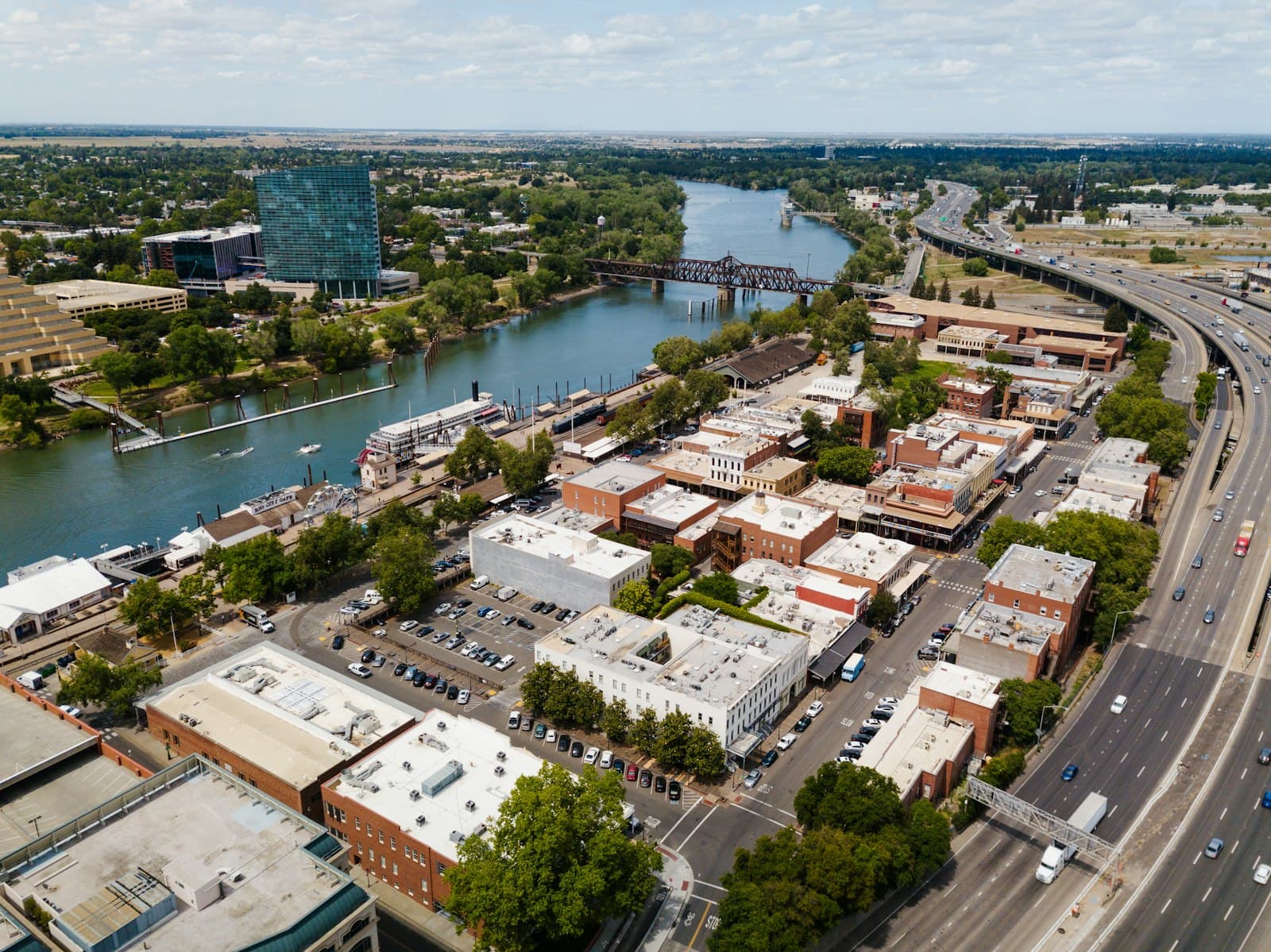
Old Sacramento Waterfront
Sob as passarelas de Old Sacramento, encontra-se uma camada anterior da construção da cidade.
História completa desbloqueada no tour
 Quintin Soloviev / CC BY 4.0, via Wikimedia Commons
Tour de áudio autoguiado por Sacramento — rota GPS a pé, reprodução offline, narração envolvente em 32 idiomas.
“Onde a garra da Corrida do Ouro encontra o sabor do campo à mesa.”
Não os postais. As histórias que nem os locais conhecem — sussurradas ao seu ouvido, exatamente onde aconteceram.
Sob as passarelas de Old Sacramento, encontra-se uma camada anterior da construção da cidade.
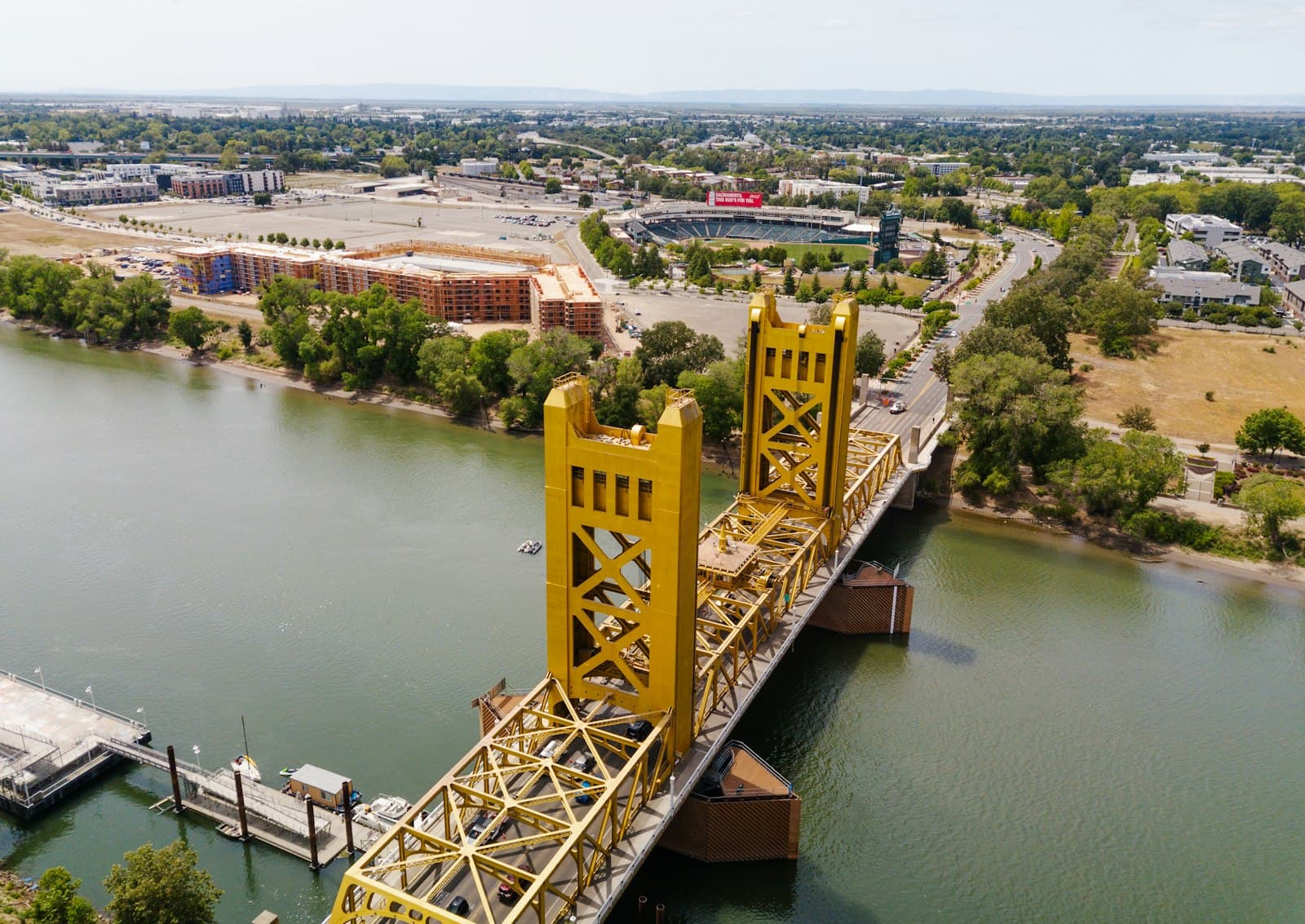
A distinta ponte dourada de Sacramento nem sempre ostentou essa cor.
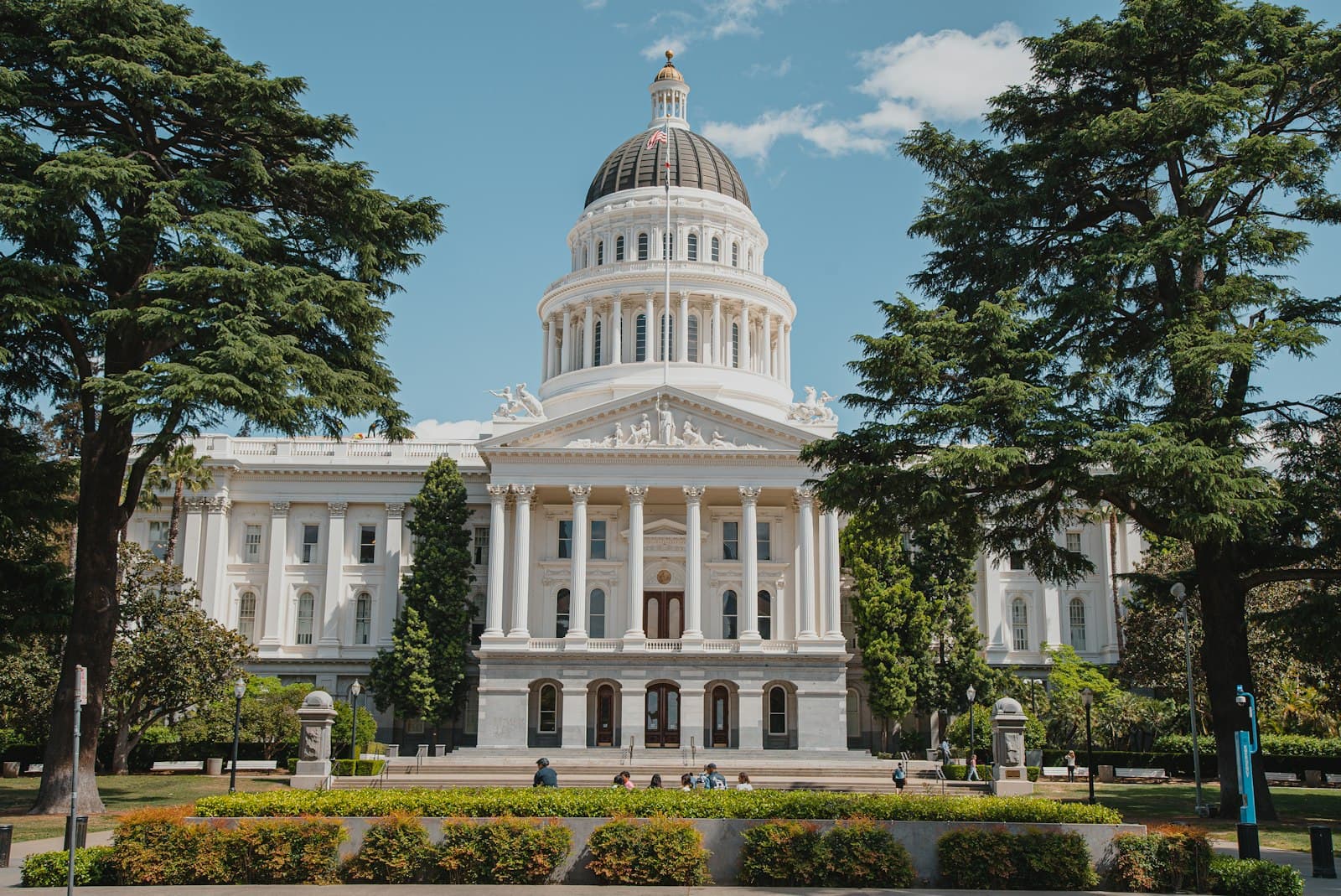
Esta grande mansão, que já foi a casa de um governador e fundador de universidade, também serviu a um propósito surpreendente por décadas.
Descubra cada segredo de Sacramento
Cada endereço, cada revelação na íntegra — no seu ouvido, exatamente onde aconteceu.
Você escolhe as suas paragens. Você caminha. A voz revela o que os outros perdem.
O seu tour áudio autoguiado de Sacramento está pronto — escolha os seus pontos de interesse, selecione o seu idioma e comece no momento em que chegar.
ComprarA Lume inclui um guia de realidade aumentada. Levante o telemóvel: a câmara mostra a rua à sua frente, com uma seta luminosa sobreposta à imagem real que aponta sempre para a sua próxima paragem — sem mapa para decifrar, sem voltas erradas. Como tudo na Lume, funciona totalmente offline.
Sacramento, a capital da Califórnia, fica na confluência dos rios American e Sacramento, um centro urbano cercado por 1,5 milhão de acres de terras agrícolas. Essa localização estratégica moldou sua identidade, desde seu papel fundamental na Corrida do Ouro da Califórnia até sua reputação moderna como 'Capital Farm-to-Fork da América'.
Com um clima mediterrâneo que oferece verões quentes e secos e invernos amenos e úmidos, Sacramento é um destino durante todo o ano para aqueles que buscam uma mistura de história, cultura e experiências culinárias. A cidade equilibra seu progresso visionário com um profundo respeito por seu passado, evidente em seus distritos históricos preservados e inúmeros museus.
A história de Sacramento começa muito antes da Corrida do Ouro, com as populações nativas americanas Nisenan e Plains Miwok habitando a área por milhares de anos. Em 1839, John Sutter estabeleceu o Sutter's Fort perto da confluência dos rios American e Sacramento, lançando as bases para um centro comercial.
A descoberta de ouro em 1848, a apenas 30 milhas a leste de Sacramento, remodelou dramaticamente a região. Milhares de caçadores de fortuna foram para a Califórnia, e Sacramento se transformou rapidamente de um pequeno assentamento em um próspero centro de comércio para garimpeiros. Em 1849, Sacramento foi incorporada e, em 1854, tornou-se oficialmente a capital do estado da Califórnia.
Os primeiros anos da cidade foram marcados por desafios, incluindo inundações devastadoras em 1850 e 1852 que destruíram grande parte dos edifícios apressadamente construídos. Isso levou a um projeto ambicioso em 1853 para elevar o nível das ruas da cidade, uma tarefa monumental que criou os espaços subterrâneos ainda visíveis hoje em Old Sacramento. A localização estratégica de Sacramento também a tornou o terminal ocidental do Pony Express de 1860 a 1861 e, posteriormente, o ponto de partida da Ferrovia Transcontinental, concluída em 1869.
Ao longo do século XX, Sacramento continuou a crescer, com um foco na preservação histórica emergindo na década de 1970 para proteger seu passado diversificado. Hoje, o R Street Corridor da cidade, outrora um vital distrito industrial e ferroviário estabelecido em 1855, foi revitalizado em um centro vibrante de gastronomia, artes e vida noturna, enquanto ainda mantém seus edifícios históricos de tijolos e seu caráter industrial.
Comece sua exploração no Old Sacramento Waterfront, um distrito histórico nacional de 28 acres que transporta os visitantes de volta à era da Corrida do Ouro. Aqui, você pode caminhar por passarelas de madeira, explorar edifícios históricos e visitar o California State Railroad Museum, que abriga 21 locomotivas restauradas e é o maior de seu tipo no país. Não perca o Pony Express Terminal, também conhecido como B.F. Hastings Bank Building, o ponto final ocidental do histórico serviço de correio.
Atravesse a Tower Bridge, uma distinta ponte elevadiça vertical que liga Sacramento a West Sacramento, conhecida por sua cor dourada e arquitetura Streamline Moderne. Mergulhe na arte no Crocker Art Museum, o museu de arte público mais antigo a oeste do Mississippi, fundado em 1885. Explore o Leland Stanford Mansion State Historic Park, uma casa vitoriana lindamente restaurada que serviu como escritório executivo para três governadores da Califórnia e agora é um parque estadual e centro oficial de recepções. Para um gostinho da revitalização moderna de Sacramento, visite o R Street Corridor, um antigo distrito industrial agora repleto de restaurantes, galerias de arte e vida noturna.
Sacramento tem um clima mediterrâneo com verões quentes e secos e invernos amenos e úmidos. A melhor época para atividades ao ar livre é de meados de junho a final de setembro, com julho sendo o mês mais quente, com média de 34°C. Para atividades turísticas gerais ao ar livre, de meados de junho a final de setembro é ideal. Se você é sensível ao calor, os meses intermediários de abril-maio e setembro-outubro oferecem temperaturas confortáveis e céus limpos. O inverno, de dezembro a fevereiro, é a estação mais fria e chuvosa, com mínimas médias em torno de 4°C em dezembro, mas oferece menos multidões para explorar museus e locais históricos.
O Aeroporto Internacional de Sacramento (SMF) é o principal aeroporto, localizado a 10,5 milhas a noroeste do centro. Ele oferece voos diretos para mais de cinquenta destinos. O transporte terrestre do SMF para o centro está disponível via táxis e serviços de transporte. Dentro da cidade, opções de transporte público estão disponíveis, e serviços de compartilhamento de viagens como Uber e Lyft operam em toda a região. Sacramento é uma cidade altamente caminhável, especialmente em áreas como Old Sacramento e o centro da cidade. O clima seco da cidade no verão significa que manter-se hidratado é essencial, e a exposição UV é alta mesmo em dias mais amenos, então óculos de sol de qualidade são uma necessidade diária.
Sacramento — coreano, chinês, hebraico e mais 29 idiomas, cada parada narrada por uma voz nativa. A maior variedade de idiomas entre os passeios de áudio autoguiados.
Disponível em: