Burg Saga
Die Burg Saga besitzt eine einzigartige Besonderheit unter den japanischen Burgen, die ihr einen ungewöhnlichen Beinamen einbrachte.
Die ganze Geschichte wird in der Tour freigeschaltet
 ascesis / CC BY-SA 3.0, via Wikimedia Commons
Selbstgeführte Audio-Walking-Tour durch Saga — GPS-Route, Offline-Wiedergabe, erzählerische Narration in 32 Sprachen.
“Wo alte Geschichte und handwerkliche Kunst zusammenfließen, eine ruhige Ecke Kyushus.”
Nicht die Postkarten. Die Geschichten, die selbst Einheimische nicht kennen – dir ins Ohr geflüstert, genau dort, wo sie geschahen.
Die Burg Saga besitzt eine einzigartige Besonderheit unter den japanischen Burgen, die ihr einen ungewöhnlichen Beinamen einbrachte.
Wenn Sie ein Gespräch in Saga belauschen, fragen Sie sich vielleicht, ob Sie unerwartet in einem anderen Land angekommen sind.
Die Anreise nach Saga kann mit einem Panorama beginnen, das nur wenige andere Flughäfen in Japan bieten können.
Entdecke jedes Geheimnis von Saga
Jede Adresse, jede Enthüllung vollständig – in deinem Ohr, genau dort, wo es geschah.
Du wählst deine Stationen. Du gehst. Die Stimme enthüllt, was andere übersehen.


Deine selbstgeführte Audio-Tour durch Saga ist bereit – wähle deine Sehenswürdigkeiten, deine Sprache und starte, sobald du ankommst.
KaufenLume enthält einen integrierten Augmented-Reality-Guide. Halten Sie Ihr Handy hoch: Die Kamera zeigt die Straße vor Ihnen, mit einem leuchtenden Pfeil über dem echten Bild, der immer auf Ihren nächsten Stopp zeigt — keine Karte zum Rätseln, keine falschen Abzweigungen. Wie alles bei Lume funktioniert es komplett offline.
Saga, die Hauptstadt der Präfektur Saga auf der japanischen Insel Kyushu, bietet eine unverwechselbare Mischung aus antiker Geschichte, engagierter Handwerkskunst und stiller natürlicher Schönheit. Mit einer geschätzten Bevölkerung von rund 227.138 Einwohnern im April 2024 bietet die Stadt Saga ein entspannteres und authentischeres japanisches Erlebnis im Vergleich zu größeren städtischen Zentren. Es ist eine Region, in der die Echos feudaler Lords und früher Zivilisationen neben der stillen Hingabe von Meisterhandwerkern widerhallen.
Obwohl von Erstbesuchern Japans oft übersehen, belohnt Saga diejenigen, die sich jenseits der ausgetretenen Touristenpfade wagen. Von seinen bedeutenden archäologischen Stätten, die viel von der aufgezeichneten japanischen Geschichte vorausgehen, bis hin zu seinen weltberühmten Porzellanstädten lädt Saga zu einer tieferen Erkundung der kulturellen Grundlagen Japans ein. Die Stadt selbst, einst eine bedeutende Burgstadt, dient als praktischer Ausgangspunkt für die Entdeckung der vielfältigen Landschaften der Präfektur, die von dramatischen Küsten entlang der Genkai-See bis zu den weitläufigen Gezeitenfeuchtgebieten der Ariake-See reichen.
Die Geschichte von Saga reicht bis in die Yayoi-Zeit (300 v. Chr. bis 300 n. Chr.) zurück, eine Gründungsära für Japan. Das bedeutendste Zeugnis dieser antiken Vergangenheit ist der Yoshinogari Historical Park, eine der größten und wichtigsten Yayoi-Ausgrabungsstätten Japans. Der 1986 entdeckte Park enthüllt eine weitläufige, von Gräben umgebene Siedlung mit rekonstruierten Erdhauswohnungen, erhöhten Speicherhäusern und über 2.000 Gräbern. Diese Stätte bietet einen unvergleichlichen Einblick in das tägliche Leben, die landwirtschaftlichen Techniken und die gesellschaftliche Entwicklung der Yayoi-Menschen und veranschaulicht den Übergang von nomadischen zu sesshaften Lebensweisen und das Aufkommen früher staatsähnlicher Regierungsformen.
Sagas Bedeutung setzte sich in der feudalen Ära fort, insbesondere während der Edo-Zeit (1603–1868), als es als jokamachi oder Burgstadt rund um die Burg Saga florierte. Die Stadt war der Sitz des mächtigen Nabeshima-Clans, der das Saga-Lehen jahrhundertelang regierte. Das Lehen, auch bekannt als Hizen-Lehen, umfasste einen Großteil der heutigen Präfekturen Saga und Nagasaki. Sagas strategische Lage und seine Verantwortung für die Bewachung des Hafens von Nagasaki, des einzigen Handelspunkts mit Europa während Japans Zeit der Selbstisolation, verschafften ihm einzigartigen Zugang zu westlicher Technologie und Wissen.
Diese Exposition führte dazu, dass Saga zu einem Pionier der industriellen Revolution Japans wurde. Das Lehen errichtete 1849 die ersten Hochöfen des Landes für moderne Waffen und baute 1852 Flammöfen. Saga spielte auch eine entscheidende Rolle bei der Wiederbelebung der japanischen Schiffbauindustrie, indem es 1855 das erste japanische Dampfschiff, die Ryōfūmaru, vom Stapel lief und das Nagasaki Naval Training Center gründete. Persönlichkeiten aus dem Saga-Lehen waren an den dramatischen politischen Veränderungen der Meiji-Restauration beteiligt und trugen zur Verlegung der Hauptstadt nach Tokio und zur Einrichtung neuer Justiz- und Bildungssysteme bei. Obwohl ein Großteil der Burg Saga im Saga-Aufstand von 1874 zerstört wurde, wurde der Honmaru-Palast von 2001 bis 2004 akribisch rekonstruiert und ist heute die größte Holzburgrekonstruktion Japans und beherbergt das Saga Castle History Museum.
Beginnen Sie Ihre Erkundung im Saga Castle History Museum, einer beeindruckenden Rekonstruktion des Honmaru-Palastes der Burg. Es bietet einen umfassenden Einblick in die Herrschaft des Nabeshima-Clans und Sagas entscheidende Rolle bei der Modernisierung Japans. Nicht weit entfernt entführt Sie der Yoshinogari Historical Park mit seinem sorgfältig rekonstruierten alten Dorf und seinen Grabhügeln in die Yayoi-Zeit und bietet interaktive Ausstellungen und Workshops.
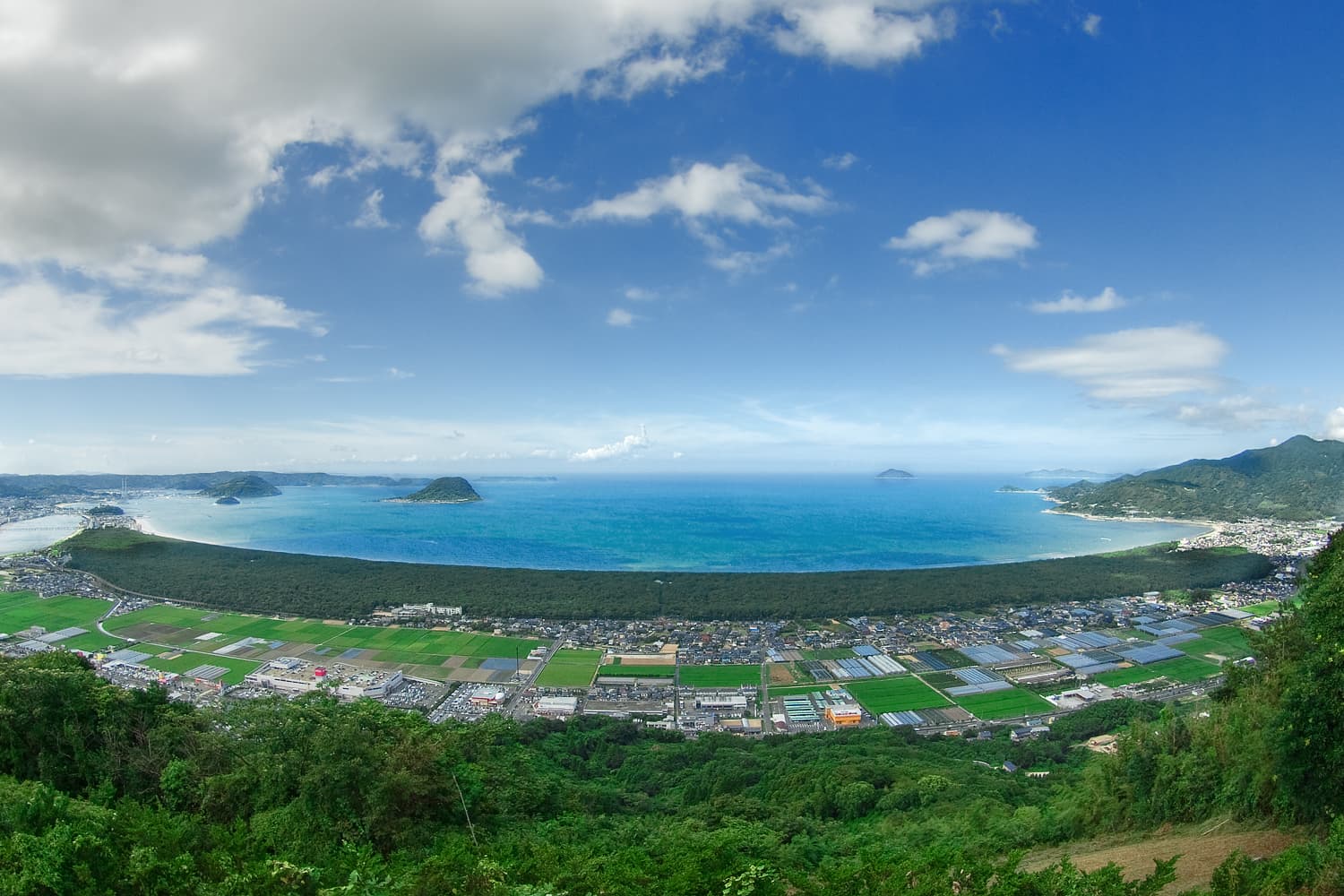
Für einen Einblick in Sagas berühmtes handwerkliches Erbe besuchen Sie die nahe gelegenen Städte Arita und Imari, die als Geburtsort des japanischen Porzellans gelten. Hier können Sie Keramikstraßen erkunden, Töpfereien besuchen und sogar selbst versuchen, etwas herzustellen. Naturliebhaber werden die dramatischen Gezeiten des Ariake-Meeres zu schätzen wissen, die bei Ebbe weite Schlammflächen freilegen, sowie die malerische Niji no Matsubara, einen Küstenwald aus über einer Million Schwarzkiefern, der sich entlang der Karatsu-Bucht erstreckt. Für Momente der Ruhe bieten die therapeutischen Gewässer von Ureshino Onsen und Takeo Onsen eine perfekte Erholung.
Saga hat ein feuchtes subtropisches Klima mit ausgeprägten Jahreszeiten. Frühling (März bis Mai) und Herbst (September bis November) gelten im Allgemeinen als die angenehmsten Reisezeiten mit milden Temperaturen und mäßigen Niederschlägen. Kirschblüten erscheinen typischerweise von Ende März bis Anfang April und verwandeln Parks wie den Ogi Park. Der Herbst bringt lebhafte Laubfärbungen und beherbergt im frühen November das Saga International Balloon Fiesta, einen der größten Heißluftballonwettbewerbe Asiens. Sommer (Juni bis August) sind heiß und feucht mit den höchsten Niederschlägen, während die Winter (Dezember bis Februar) mild, aber kühl sind.
Saga ist über den Kyushu Saga International Airport (HSG) erreichbar, mit Inlandsflügen von Tokio (Haneda) und internationalen Verbindungen nach Seoul und Taipeh. Vom Flughafen aus verbindet ein Zubringerbus in etwa 35 Minuten mit dem Bahnhof Saga. Alternativ ist der Flughafen Fukuoka (FUK) ein größerer Knotenpunkt, etwa 70 Minuten mit dem Bus von der Stadt Saga entfernt. Innerhalb von Saga sind lokale Züge und Stadtbusse die wichtigsten öffentlichen Verkehrsmittel, die die wichtigsten Sehenswürdigkeiten verbinden. Für die Erkundung ländlicher Gebiete oder Küstenrouten bietet ein Mietwagen mehr Flexibilität. IC-Karten können in den meisten Bussen und Zügen verwendet werden. Die lokale Währung ist der japanische Yen (JPY) und Japanisch ist die Amtssprache, obwohl an wichtigen Touristenorten oft englischsprachige Informationen verfügbar sind.
Saga — Koreanisch, Chinesisch, Hebräisch und 29 weitere Sprachen, jede Station von einer muttersprachlichen Stimme erzählt. Die größte Sprachauswahl aller selbstgeführten Audiotouren.
Verfügbar auf: