Echo Valley
La valle ha guadagnato il suo nome per una ragione, ma non è solo il suono che risuona qui.
La storia completa si sblocca nel tour
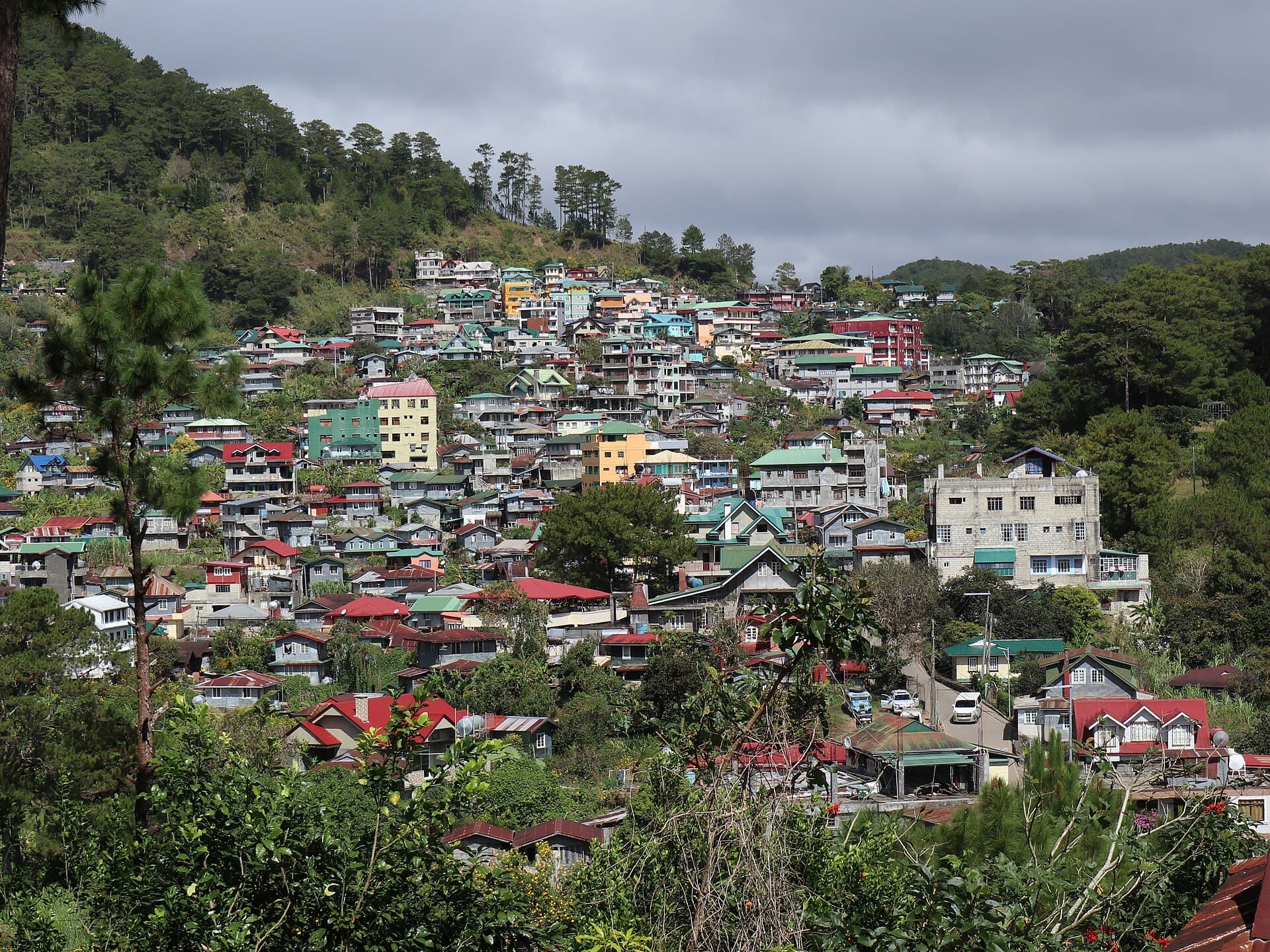 Patrickroque01 / CC BY-SA 4.0, via Wikimedia Commons
Tour audio autoguidato di Sagada — percorso GPS a piedi, riproduzione offline, narrazione coinvolgente in 32 lingue.
“Dove antiche tradizioni si aggrappano a scogliere calcaree e montagne avvolte nella nebbia parlano di un'eredità duratura.”
Non le cartoline. Le storie che nemmeno i locali conoscono — sussurrate nel tuo orecchio, proprio dove sono accadute.
La valle ha guadagnato il suo nome per una ragione, ma non è solo il suono che risuona qui.
I sarcofagi nella Grotta di Lumiang sono notevolmente piccoli, anche per gli adulti.
Costruire una casa a Sagada una volta coinvolgeva l'intera comunità, estendendosi ben oltre il semplice dare una mano.
Scopri ogni segreto di Sagada
Ogni indirizzo, ogni rivelazione completa — nel tuo orecchio, proprio dove è accaduta.
Scegli le tue tappe. Cammini. La voce rivela ciò che gli altri perdono.


Il tuo tour audio autoguidato di Sagada è pronto — scegli i tuoi punti di interesse, seleziona la tua lingua e inizia nel momento in cui arrivi.
AcquistaLume include una guida in realtà aumentata. Alza il telefono: la fotocamera mostra la strada davanti a te, con una freccia luminosa sovrapposta all'immagine reale che punta sempre verso la tua prossima tappa — nessuna mappa da decifrare, nessuna svolta sbagliata. Come tutto in Lume, funziona completamente offline.
Sagada, un comune senza sbocco sul mare nella Provincia Montuosa delle Filippine, offre una fuga distinta dalle pianure tropicali del paese. Situata tra le Montagne della Cordillera, questa tranquilla cittadina è nota per il suo clima costantemente fresco e la dedizione della sua gente alla conservazione della cultura indigena. È una destinazione dove la nebbia avvolge frequentemente valli verdi e scogliere calcaree, creando un'atmosfera di mistica quiete.
A differenza di molte parti delle Filippine, Sagada rimase in gran parte intoccata dalla colonizzazione spagnola fino alla fine del 1800 a causa della sua posizione remota e del terreno accidentato. Questo isolamento permise alla sua cultura indigena, in particolare a quella del popolo Applai-Kankanaey, di prosperare e mantenere molte pratiche pre-coloniali. Oggi, Sagada attira viaggiatori in cerca di avventura tra le sue meraviglie naturali e uno sguardo su un patrimonio unico e duraturo.
Sagada, originariamente conosciuta come Ganduyan, fu fondata da Biag, un uomo di Bika nell'Abra orientale. La sua famiglia, in fuga da cacciatori di teste predoni e successivamente resistendo all'imposizione di nomi cristiani durante il dominio spagnolo, cercò rifugio più in profondità tra le montagne, stabilendosi infine in quella che oggi è Sagada. Questa storia iniziale di ricerca di santuario stabilì un precedente per l'indipendenza duratura di Sagada.
L'isolamento geografico della città giocò un ruolo significativo nella sua conservazione culturale. Mentre gran parte delle Filippine fu pesantemente influenzata dai missionari spagnoli già dalla fine del 1500, una missione spagnola non fu stabilita a Sagada fino al 1882. Ciò significò che le pratiche e le credenze indigene di Sagada rimasero in gran parte intatte, in netto contrasto con l'ampia ispanizzazione altrove nell'arcipelago.
All'inizio del XX secolo, missionari anglicani, guidati da Rev. Fr. John Staunton, arrivarono a Sagada, costruendo la Chiesa di Santa Maria Vergine e fondando la St. Mary's School nel 1904. Ciò portò Sagada a diventare l'unica città prevalentemente anglicana nelle Filippine, con quasi il 95% della sua popolazione battezzata nella Chiesa Episcopale delle Filippine. Nonostante questa conversione, molti Sagadani continuano a mescolare la fede anglicana con le credenze animiste tradizionali, in particolare nei loro unici costumi funerari.
Sagada giocò anche un ruolo nella resistenza al Progetto della Diga sul Fiume Chico durante la dittatura di Marcos. Insieme ad altri comuni della Provincia Montuosa, Sagada sarebbe stata inondata dal progetto. Tuttavia, la forte resistenza dei popoli indigeni portò infine all'abbandono del progetto. Questa resilienza storica sottolinea il profondo legame della comunità con la loro terra e le loro tradizioni.
Sagada offre una gamma di esperienze, da antichi siti di sepoltura a paesaggi naturali esaltanti. Una delle principali attrazioni è Echo Valley, nota per la sua acustica unica e come sito dei famosi Appesi Sarcofagi. Questi sarcofagi, alcuni secolari, sono sospesi su scogliere calcaree, riflettendo una tradizione funeraria di 2.000 anni del popolo Kankanaey che crede che collocare i defunti più in alto avvicini le loro anime al cielo. È necessario un tour guidato per visitare questo luogo sacro.
Un altro importante sito di sepoltura è la Grotta Funeraria di Lumiang, dove oltre 100 antichi sarcofagi, alcuni risalenti a 500 anni fa, sono impilati all'ingresso. Molti di questi sarcofagi sono scolpiti con simboli di lucertola, che rappresentano longevità e fertilità. La Grotta di Lumiang è anche il punto di partenza per l'impegnativo tour Cave Connection, che collega alla Grotta di Sumaguing. Questa avventura di speleologia comporta la navigazione attraverso impressionanti formazioni rocciose, l'attraversamento dell'acqua e lo stretto passaggio attraverso passaggi stretti.
Per coloro che cercano la bellezza naturale, è altamente raccomandata un'escursione alle Cascate di Bomod-ok, note anche come Big Falls. Questa cascata di circa 60 metri si raggiunge tramite un'escursione panoramica attraverso villaggi locali e terrazze di riso, culminando in una rinfrescante piscina adatta per nuotare. Altri punti di interesse includono il Museo Ganduyan, che espone oggetti culturali locali, e i centri Sagada Weaving e Pottery, dove è possibile osservare artigianato tradizionale.
Il periodo migliore per visitare Sagada è durante la stagione secca, da novembre a maggio. Durante questi mesi, il clima è fresco e secco, con temperature medie che vanno dai 15 ai 18°C, rendendolo ideale per attività all'aperto come escursioni e speleologia. Le terrazze di riso sono particolarmente verdi da marzo ad aprile. Si consiglia di evitare di visitare durante le principali festività come la Settimana Santa e dicembre, poiché la città può diventare piuttosto affollata. La stagione delle piogge, da maggio a ottobre, può portare a frane e alla chiusura di alcune attrazioni per motivi di sicurezza.
Sagada è accessibile via terra, generalmente comporta un lungo viaggio in autobus da Manila a Baguio, seguito da un altro autobus per Sagada. Sono disponibili anche servizi di autobus diretti da Manila. L'intero viaggio può durare tra le 11 e le 13 ore. Durante la permanenza a Sagada, i regolamenti turistici locali richiedono ai visitatori di assumere una guida locale e un servizio navetta per la maggior parte delle attrazioni, piuttosto che intraprendere tour fai-da-te. Questo supporta la comunità locale e garantisce la sicurezza nell'esplorazione del terreno e delle grotte. Si consiglia di portare contanti sufficienti, poiché molti esercizi commerciali potrebbero non accettare pagamenti con carta, sebbene sia disponibile un bancomat presso il Centro Informazioni Turistiche. Abbigliamento comodo e calzature robuste sono essenziali per escursioni e speleologia.
Sagada — coreano, cinese, ebraico e altre 29 lingue, ogni tappa narrata da una voce madrelingua. La più ampia scelta di lingue tra i tour audio autoguidati.
Disponibile in: