Fortaleza de Sagres
Het massieve stenen kompas dat in de grond van het Fort van Sagres is gegraveerd, is niet zomaar een overblijfsel van navigatie.
Volledig verhaal ontgrendeld in de tour
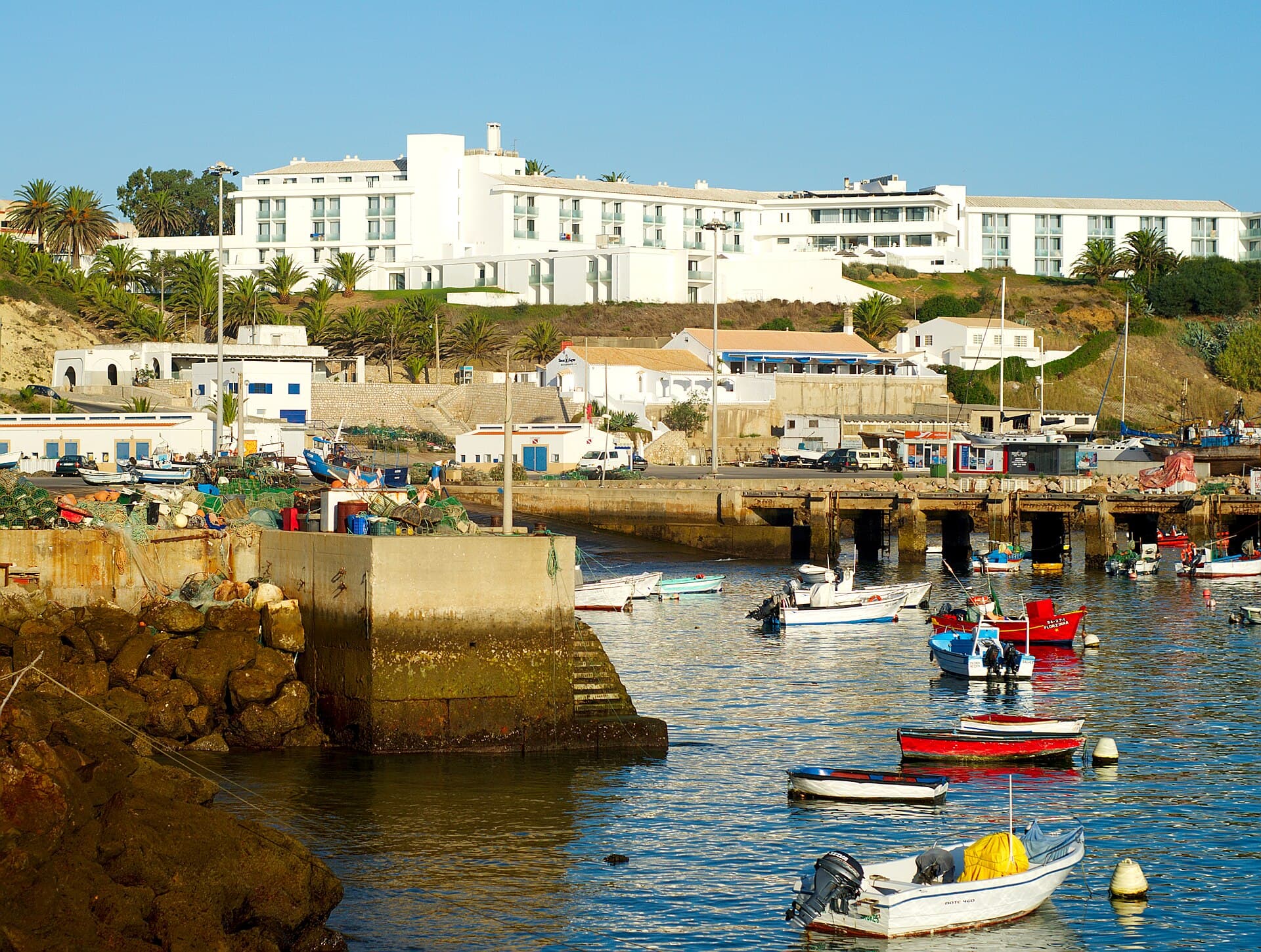 cingularite / CC BY-SA 2.0, via Wikimedia Commons
Zelfgeleide audiowandeling door Sagres — GPS-route, offline afspelen, meeslepende vertelling in 32 talen.
“Waar het land eindigt en het epische verhaal van de oceaan begint.”
Niet de ansichtkaarten. De verhalen die zelfs locals niet kennen — gefluisterd in je oor, precies waar ze gebeurden.
Het massieve stenen kompas dat in de grond van het Fort van Sagres is gegraveerd, is niet zomaar een overblijfsel van navigatie.
De krachtige straal van de vuurtoren van Cabo de São Vicente leidde ooit zeelieden die geloofden dat ze de rand van de wereld zagen.
Sagres wordt erkend als een surfparadijs, maar de reden voor de consistente golven voor alle niveaus ligt in een eigenaardigheid van zijn geografie.
Ontdek elk geheim van Sagres
Elk adres, elke onthulling volledig — in je oor, precies waar het gebeurde.
Jij kiest je stops. Jij wandelt. De stem onthult wat de anderen missen.


Je zelfgeleide audiotour van Sagres is klaar — kies je bezienswaardigheden, kies je taal en start zodra je aankomt.
KopenLume heeft een ingebouwde augmented-reality-gids. Houd je telefoon omhoog: de camera toont de straat voor je, met een oplichtende pijl over het echte beeld die altijd naar je volgende stop wijst — geen kaart om uit te puzzelen, geen verkeerde afslagen. Zoals alles in Lume werkt het volledig offline.
Sagres, een stad aan de uiterste zuidwestpunt van het vasteland van Europa, is waar de ruige kustlijn van de Algarve de uitgestrekte Atlantische Oceaan ontmoet. Deze bestemming biedt een rauwe, ongetemde geest, een schril contrast met de meer ontwikkelde resorts verder naar het oosten. Met torenhoge zeekliffen, winderige landtongen en krachtige oceaandeiningen, bezit Sagres een onmiskenbaar gevoel van aan de rand van de wereld te zijn.
Het is een toevluchtsoord voor avonturiers en onafhankelijke reizigers, voornamelijk bekend als een surfbestemming van wereldklasse. Wandelaars verkennen de wilde kustpaden en fietsers doorkruisen de verlaten wegen. De stad zelf heeft een relaxte, ongepolijste karakter, aantrekkelijk voor diegenen die op zoek zijn naar een authentieke ervaring, weg van de typische toeristische drukte.
Sagres is een plek om verbinding te maken met de kracht van de natuur, of je nu een golf pakt, historische bezienswaardigheden verkent, of gewoon de dramatische zonsondergangen over de Atlantische Oceaan bekijkt.
Sagres neemt een speciale plaats in de geschiedenis in, met name tijdens de 15e eeuw toen Portugal opkwam als een wereldwijde maritieme macht. Oude beschavingen, waaronder Feniciërs, Grieken, Carthagers en Romeinen, beschouwden dit als een heilige plaats, die het Promontorium Sacrum noemden - het Heilige Promontorium - en geloofden dat het het einde van de bekende wereld was.
Prins Hendrik de Zeevaarder (Infante Dom Henrique) wordt nauw geassocieerd met Sagres. Hij arriveerde in de Algarve als gouverneur in 1419 en wijdde zich aan het verleggen van de grenzen van de bekende wereld. Hoewel het bestaan van een formele 'Navigatieschool' wordt betwist, wordt algemeen aangenomen dat Hendrik hier zijn hoofdkwartier vestigde. Deze nederzetting, bekend als Vila do Infante (Prinsendorp), werd een centrum voor briljante geleerden die nautische kennis verzamelden en correleerden, cartografie verfijnden en revolutionaire schepen zoals de karveel ontwierpen. Vanuit Sagres plande Hendrik expedities die leidden tot de verkenning van de westkust van Afrika, wat het gouden tijdperk van de Portugese ontdekkingen markeerde.
De Fortaleza de Sagres, een driehoekig fort, werd oorspronkelijk gebouwd in de 15e eeuw, in opdracht van Prins Hendrik de Zeevaarder rond 1443. Het doel was tweeledig: de kust verdedigen tegen piratenraids en dienen als bolwerk voor maritieme exploratie. In tegenstelling tot traditionele kastelen heeft dit fort slechts één verdedigingsmuur aan de landzijde, aangezien de andere drie zijden natuurlijk worden beschermd door steile kliffen die in de Atlantische Oceaan afdalen. Binnen het fort is de Rosa dos Ventos, een groot windkompas met een diameter van 43 meter, een opmerkelijk kenmerk, hoewel het exacte gebruik ervan onderwerp van speculatie blijft.
Het oorspronkelijke fort liep door de eeuwen heen aanzienlijke schade op, waaronder aanvallen door de Engelse marinekapitein Francis Drake in 1587 en de verwoestende aardbeving en tsunami van Lissabon in 1755. Wat er vandaag staat, is een mix van originele en gereconstrueerde architectuur. De kleine kapel van Nossa Senhora da Graça, gebouwd in 1579, is een van de weinige structuren binnen het fort die na de aardbeving is gerestaureerd.
Begin je verkenning bij het Fortaleza de Sagres, een 15e-eeuws fort dat verbonden is met Prins Hendrik de Zeevaarder. Dit unieke bouwwerk wordt aan drie zijden verdedigd door immense kliffen, die een weids uitzicht op de oceaan bieden. Binnenin ontdek je de intrigerende Rosa dos Ventos, een massief stenen kompas, en een kleine kapel.
Een korte rit naar het westen leidt naar Cabo de São Vicente, het zuidwestelijkste punt van het vasteland van Europa, vaak 'het einde van de wereld' genoemd. Hier staat een dramatische vuurtoren bovenop torenhoge kliffen, die een ontzagwekkend uitzicht biedt, vooral bij zonsondergang.
Sagres is een erkende surfbestemming, met stranden die naar verschillende richtingen wijzen om aan verschillende vaardigheidsniveaus te voldoen. Praia do Tonel is populair bij surfers, met consistente golven en pittoreske kliffen. Praia da Mareta, het hoofdstrand van de stad, is geschikt voor surfers, kitesurfers en zonaanbidders. Voor een meer afgelegen ervaring biedt Praia do Beliche een baai, omlijst door steile kliffen en betrouwbare golven. Naast de stranden kun je een walvis- en dolfijnkijktocht overwegen, of de kustpaden van het Parque Natural do Sudoeste Alentejano e Costa Vicentina verkennen.
Sagres geniet van een gematigd klimaat met warme, droge zomers en milde winters. De beste tijd voor algemene buitenactiviteiten en minder drukte is het late voorjaar (mei-juni) en het vroege najaar (september-oktober), met aangename temperaturen variërend van 15°C tot 24°C. De zomer (juni-augustus) is warm, met gemiddelde maxima rond de 25°C, maar het kan erg winderig zijn, vooral door de Nortada (noordenwind). Voor surfers biedt het late najaar en de vroege winter de beste omstandigheden met krachtige deiningen. Vogelaars moeten mikken op oktober-november om de roofvogelmigratie over Kaap Sint Vincent mee te maken.
Sagres ligt op ongeveer 1,5 uur rijden van Faro Airport. Hoewel er meerdere keren per dag openbare bussen rijden tussen Lagos en Sagres (een reis van 30 minuten), wordt het huren van een auto sterk aanbevolen om de verspreide attracties, stranden en uitzichtpunten langs de kust te verkennen. De stad zelf is beloopbaar, maar de afstanden tussen belangrijke bezienswaardigheden zoals het fort en Cabo de São Vicente kunnen oplopen, en de kustpaden zijn blootgesteld aan wind en zon. Sagres biedt een reeks accommodaties, van surfhostels tot boetiekhotels. Je vindt er een selectie van moderne hotels en familierestaurants, met name op het centrale plein, Praça da República. Houd er rekening mee dat Sagres bekend staat om het hele jaar door winderig te zijn, dus neem laagjes mee, zelfs in de warmere maanden.
Sagres — Koreaans, Chinees, Hebreeuws en nog 29 talen, elke stop verteld door een moedertaalspreker. Het grootste taalaanbod van alle zelfgeleide audiotours.
Beschikbaar in: