Maison André Breton
André Breton, o fundador do Surrealismo, declarou Saint-Cirq-Lapopie seu 'único lugar de encantamento'.
História completa desbloqueada no tour
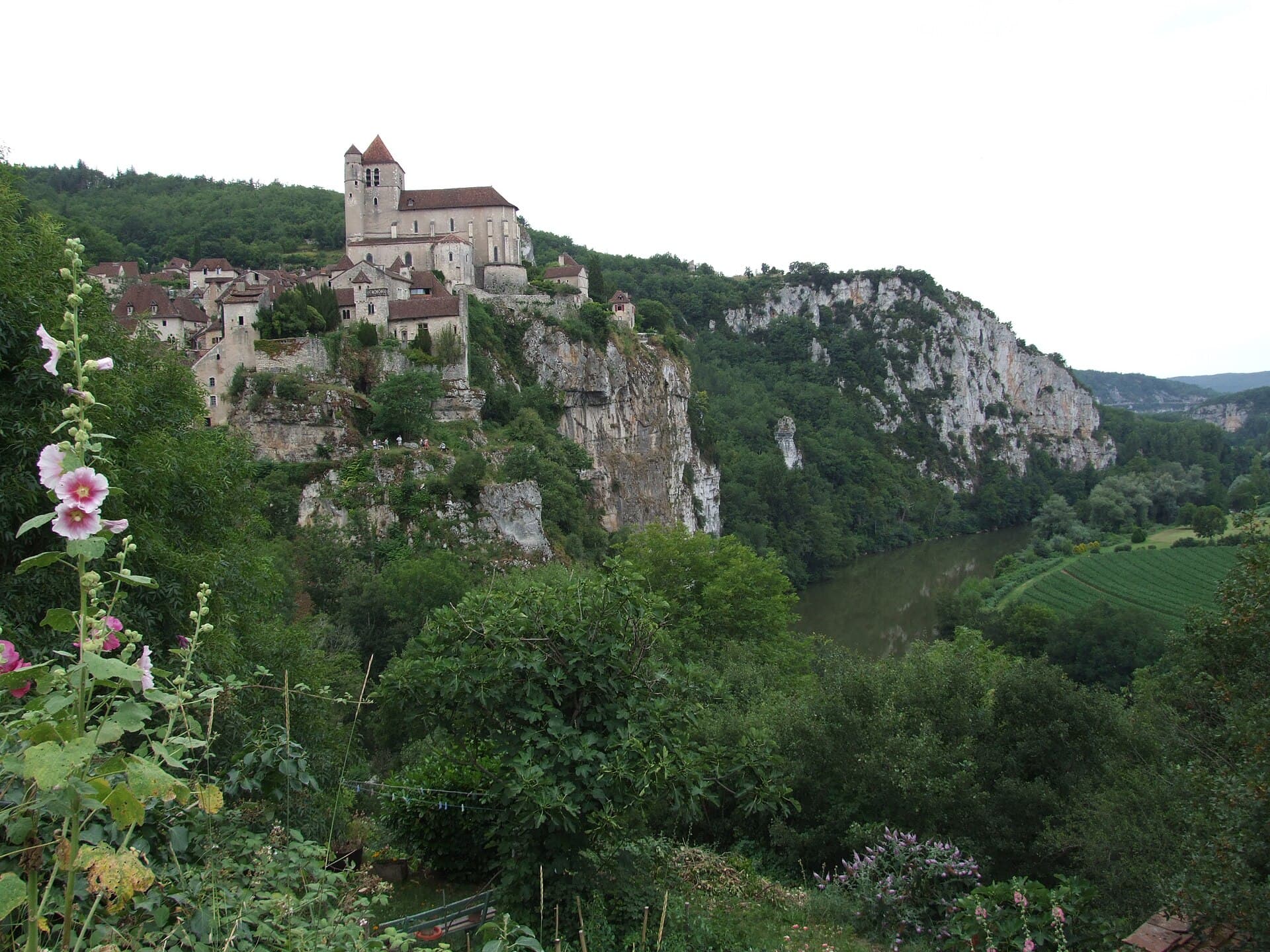 Christophe.Finot / CC BY-SA 2.5, via Wikimedia Commons
Tour de áudio autoguiado por Saint-Cirq-Lapopie — rota GPS a pé, reprodução offline, narração envolvente em 32 idiomas.
“Onde a pedra medieval se agarra a um penhasco, e o tempo desacelera ao ritmo do rio Lot.”
Não os postais. As histórias que nem os locais conhecem — sussurradas ao seu ouvido, exatamente onde aconteceram.
André Breton, o fundador do Surrealismo, declarou Saint-Cirq-Lapopie seu 'único lugar de encantamento'.
O rio Lot, que flui abaixo de Saint-Cirq-Lapopie, guarda um segredo surpreendente sobre a engenhosidade local.
Ao longo do rio Lot, um caminho esculpido na face do penhasco revela um toque artístico inesperado.
Descubra cada segredo de Saint-Cirq-Lapopie
Cada endereço, cada revelação na íntegra — no seu ouvido, exatamente onde aconteceu.
Você escolhe as suas paragens. Você caminha. A voz revela o que os outros perdem.


O seu tour áudio autoguiado de Saint-Cirq-Lapopie está pronto — escolha os seus pontos de interesse, selecione o seu idioma e comece no momento em que chegar.
ComprarA Lume inclui um guia de realidade aumentada. Levante o telemóvel: a câmara mostra a rua à sua frente, com uma seta luminosa sobreposta à imagem real que aponta sempre para a sua próxima paragem — sem mapa para decifrar, sem voltas erradas. Como tudo na Lume, funciona totalmente offline.
Dramáticamente posicionado em um penhasco a 100 metros acima do rio Lot, Saint-Cirq-Lapopie é uma vila medieval que parece suspensa no tempo. É consistentemente classificada entre "Les Plus Beaux Villages de France" (As Aldeias Mais Bonitas da França), uma distinção que conquistou por ser a primeira vila a ser coroada "vila favorita dos franceses" em um programa de televisão de 2012. Suas ruas de pedra sinuosas, portões fortificados e casas de pedra e em enxaimel, muitas datando dos séculos XIII a XVI, convidam à exploração lenta.
Esta vila, com uma população de cerca de 200 habitantes, oferece vistas amplas do Vale do Lot, uma paisagem de penhascos de calcário, campos verdes e o rio sinuoso abaixo. Além de seu apelo visual, Saint-Cirq-Lapopie tem sido um santuário para artistas e escritores, atraídos por sua atmosfera distinta. Uma visita aqui é uma imersão na história, no artesanato local e na beleza tranquila da França rural.
## Das Raízes Gallo-Romanas ao Poder Feudal A história de Saint-Cirq-Lapopie remonta aos tempos Gallo-Romanos, embora seu desenvolvimento significativo tenha começado na Idade Média. A posição estratégica da vila em um penhasco com vista para o rio Lot foi escolhida para defesa. No século VIII, o Duque da Aquitânia construiu um castelo aqui, que mais tarde se tornou propriedade da família Lapopie.
No século X, o local tornou-se parte da poderosa viscondade de Quercy, compartilhada por quatro dinastias feudais: os Lapopies, Gourdons, Cardaillacs e Castelnaus. Esta propriedade compartilhada reflete-se na arquitetura da vila, com remanescentes de três castelos e casas fortificadas construídas cada vez mais alto no penhasco. Até figuras como Ricardo Coração de Leão não conseguiram capturar a fortaleza em 1199.
## Comércio Medieval e Decretos Reais Durante a Idade Média, a vila floresceu como um centro comercial, com suas ruas cheias de artesãos, incluindo ourives, trabalhadores em couro e, particularmente, torneiros de madeira conhecidos como roubinetaïres, que fabricavam torneiras de madeira para barris de vinho. O rio Lot desempenhou um papel vital nessa prosperidade, com gabares (barcos de fundo chato) transportando produtos locais, tabaco e vinho para Cahors e Bordeaux. As eclusas do século XVII no rio facilitaram ainda mais esse comércio.
A vila também testemunhou períodos de conflito. Durante as guerras entre a Inglaterra e a França no século XIII, o sul de Quercy foi cedido à Inglaterra. Mais tarde, em meados do século XVI, tornou-se um reduto protestante e um local de intensa guerra religiosa. Em 1471, o Rei Luís XI, preocupado que a fortaleza caísse em mãos inimigas, ordenou sua destruição. Apesar disso, os remanescentes continuaram a ter importância estratégica durante as Guerras de Religião.
## Um Refúgio de Artistas No século XX, Saint-Cirq-Lapopie encontrou uma nova vida como um refúgio para artistas e escritores. O pós-impressionista Henri Martin e o artista catalão Pierre Daura foram atraídos por sua beleza. Mais famosamente, o escritor e poeta surrealista André Breton fez de Saint-Cirq-Lapopie sua casa de verão a partir da década de 1950 até sua morte, declarando-a seu 'único lugar de encantamento'. Hoje, a vila continua a inspirar, com inúmeros estúdios e galerias exibindo o trabalho de artistas contemporâneos.
Passeie pelas ruas estreitas e sinuosas para admirar as casas de pedra e em enxaimel dos séculos XIII a XVI, muitas das quais são edifícios históricos registrados. A própria vila parece um mergulho em uma pintura medieval.
Visite a igreja gótica do século XV, l'Église de Saint-Cirq, que incorpora partes de uma igreja românica anterior e apresenta uma torre sineira substancial e fragmentos de pinturas murais do século XIII. Suba às ruínas dos três antigos castelos no ponto mais alto da vila para vistas expansivas sobre os telhados e o Vale do Lot.
Passeie pelo caminho de sirga (Chemin de Halage) esculpido na face do penhasco ao longo do rio Lot, oferecendo perspectivas únicas da vila e da importância histórica do rio. Considere um cruzeiro fluvial a partir do pequeno porto na base da vila para vivenciar o Lot de um ponto de vista diferente.
Explore o Museu Rignault, instalado em uma antiga casa de guarda, que oferece um vislumbre de uma casa típica de Saint-Cirq e seus jardins com vistas para o vale. Descubra a Maison André Breton, agora um centro internacional de Surrealismo e cidadania global, homenageando a profunda conexão do escritor com a vila. A vila também abriga inúmeras lojas de artesanato e galerias de arte.
A melhor época para visitar Saint-Cirq-Lapopie para um clima agradável é de maio a outubro. Durante esses meses, as temperaturas são geralmente quentes e confortáveis para explorar. Julho e agosto podem ser quentes, com máximas médias em torno de 28-29°C (82-84°F), enquanto maio, junho, setembro e outubro oferecem condições mais amenas. Espere menos visitantes nas temporadas intermediárias (maio, junho, setembro, outubro) em comparação com os meses de pico do verão.
Saint-Cirq-Lapopie é melhor explorada a pé devido às suas ruas íngremes, estreitas e de pedra. O estacionamento está disponível, embora possa ser desafiador na alta temporada. Existem seis áreas de estacionamento, com P1 sendo gratuito, mas a 25 minutos a pé da vila. P4 e P5 (Bancourel) estão mais próximos do centro da vila, com P5 oferecendo uma vista espetacular. Taxas de estacionamento se aplicam na alta temporada, geralmente em torno de €6-€7 para carros, embora os primeiros 30 minutos sejam frequentemente gratuitos, e o estacionamento é gratuito das 19h às 8h.
A vila geralmente não é de fácil acesso para pessoas com mobilidade reduzida devido ao seu terreno íngreme. Embora dirigir seja a maneira mais fácil de chegar a Saint-Cirq-Lapopie, serviços de ônibus públicos estão disponíveis a partir de Cahors, especialmente durante o verão, com paradas na base da vila e na Place du Balat. Considere usar sapatos confortáveis para caminhar em superfícies irregulares. O escritório de turismo local pode fornecer mapas e mais informações.
Saint-Cirq-Lapopie — coreano, chinês, hebraico e mais 29 idiomas, cada parada narrada por uma voz nativa. A maior variedade de idiomas entre os passeios de áudio autoguiados.
Disponível em: