The ground where Fort Saint-Jean stands has witnessed a remarkable succession of banners.
Hayden Soloviev / CC BY 4.0, via Wikimedia CommonsSaint-Jean-sur-Richelieu
“Where the river flows with memory and the sky unfurls a canvas of color.”
Saint-Jean-sur-Richelieu, as no one tells it.
Not the postcards. The stories even locals don't know — whispered in your ear, right where they happened.
Before its skies filled with hot air balloons, Saint-Jean-sur-Richelieu was celebrated for something far more tangible, yet equally essential.
The International Balloon Festival of Saint-Jean-sur-Richelieu did not simply materialize; it was a deliberate initiative.
Discover every secret of Saint-Jean-sur-Richelieu
Every address, every reveal in full — in your ear, right where it happened.
You pick your stops. You walk. The voice reveals what the others miss.
How long do you have in Saint-Jean-sur-Richelieu?
No tours available yet. Check back soon — we're preparing them.
The story of Saint-Jean-sur-Richelieu
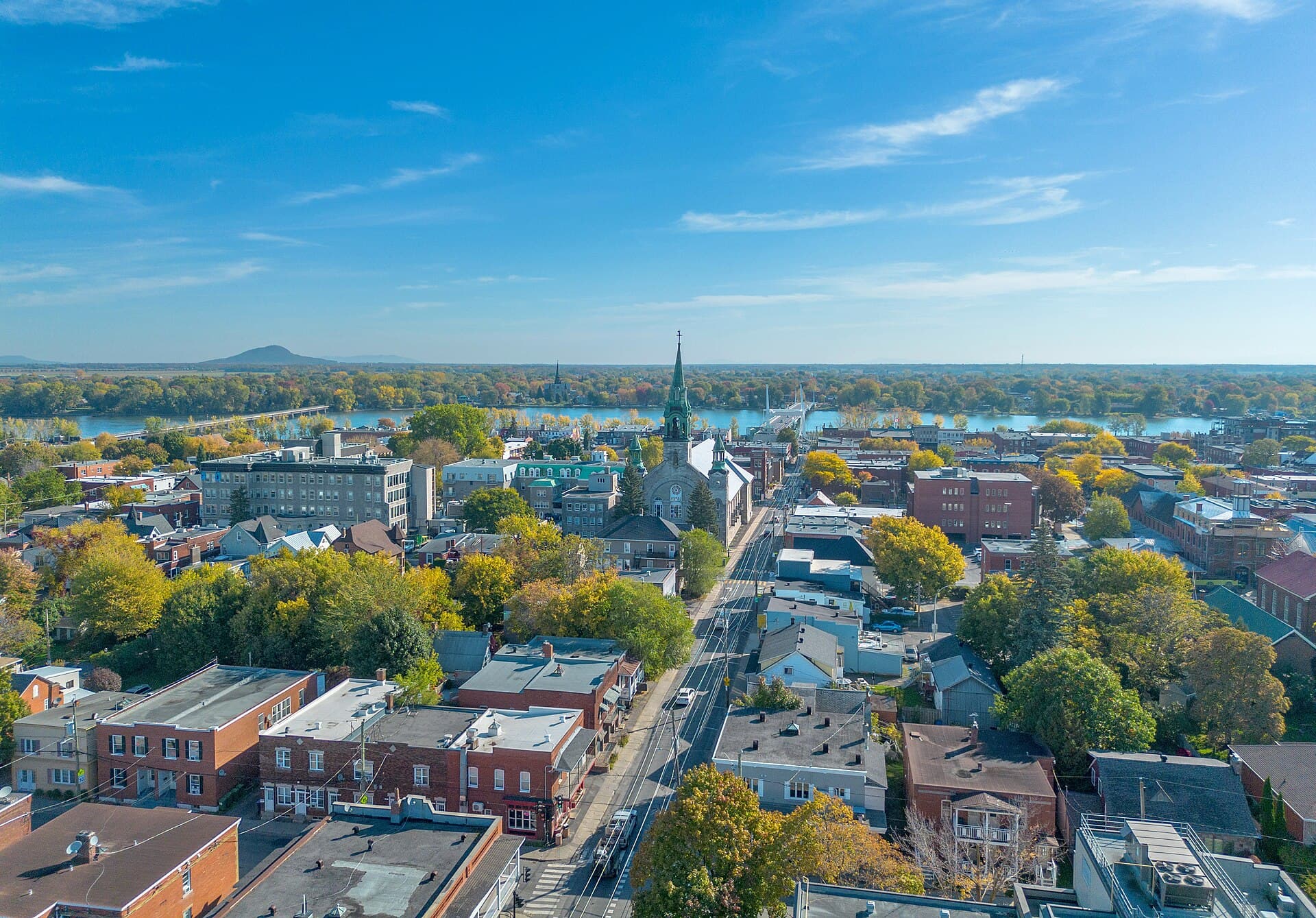
Saint-Jean-sur-Richelieu, a Quebec city, lies approximately 40 kilometers southeast of Montreal, bisected by the Richelieu River. This strategic position, roughly halfway between Montreal and the Canada–United States border, has shaped its identity as a historical transportation hub and a contemporary cultural center. The city offers a blend of historical character and modern conveniences, with a population approaching 100,000 residents.
Renowned for its International Balloon Festival, the largest of its kind in Canada, Saint-Jean-sur-Richelieu transforms into a grand spectacle each August, drawing visitors from across the globe. Beyond the colorful skies, the city invites exploration of its Old Saint-Jean district, where inviting restaurants, cafes, and shops line the avenues. The Richelieu River itself is a central feature, offering opportunities for water activities and serene cycling along the Chambly Canal.
From Fort to Flourishing City
The origins of Saint-Jean-sur-Richelieu trace back to 1666, when soldiers of the French Carignan-Salières Regiment established the first wooden fortification, Fort Saint-Jean, as part of a defensive line along the Richelieu River. This outpost was crucial for connecting the St. Lawrence Valley to Lake Champlain. Over the centuries, the fort was destroyed and rebuilt multiple times, playing a significant role in various conflicts, including the American Revolutionary War, where control of the town changed hands between British and American forces.
Civilian life gradually developed around the military garrison, attracting permanent residents and merchants, leading to the settlement receiving official parish status. The 19th century marked a period of rapid economic growth for Saint-Jean-sur-Richelieu, driven by its evolving role as a transport hub. In 1836, the Champlain and St. Lawrence Railroad, Canada's first public railway, connected Saint-Jean with La Prairie, solidifying the city's position as a vital logistics center. The completion of the Chambly Canal in 1843 further enhanced its status as an "inland port" by allowing ships to bypass river rapids.
Beyond its strategic military and transportation importance, Saint-Jean-sur-Richelieu gained renown for its industrial output. For a considerable period, it was recognized as the pottery capital of Canada, with manufactories producing tableware, bricks, and sanitary ceramics, attracting skilled craftsmen to the region. In 1952, the Royal Military College Saint-Jean opened, becoming a prestigious bilingual educational institution of national importance. The city underwent a significant administrative change in 2001, merging with Iberville, Saint-Luc, and other neighboring municipalities to form a unified center. Today, Saint-Jean-sur-Richelieu continues its legacy as a cultural and economic hub, embracing its enduring past while looking toward the future.
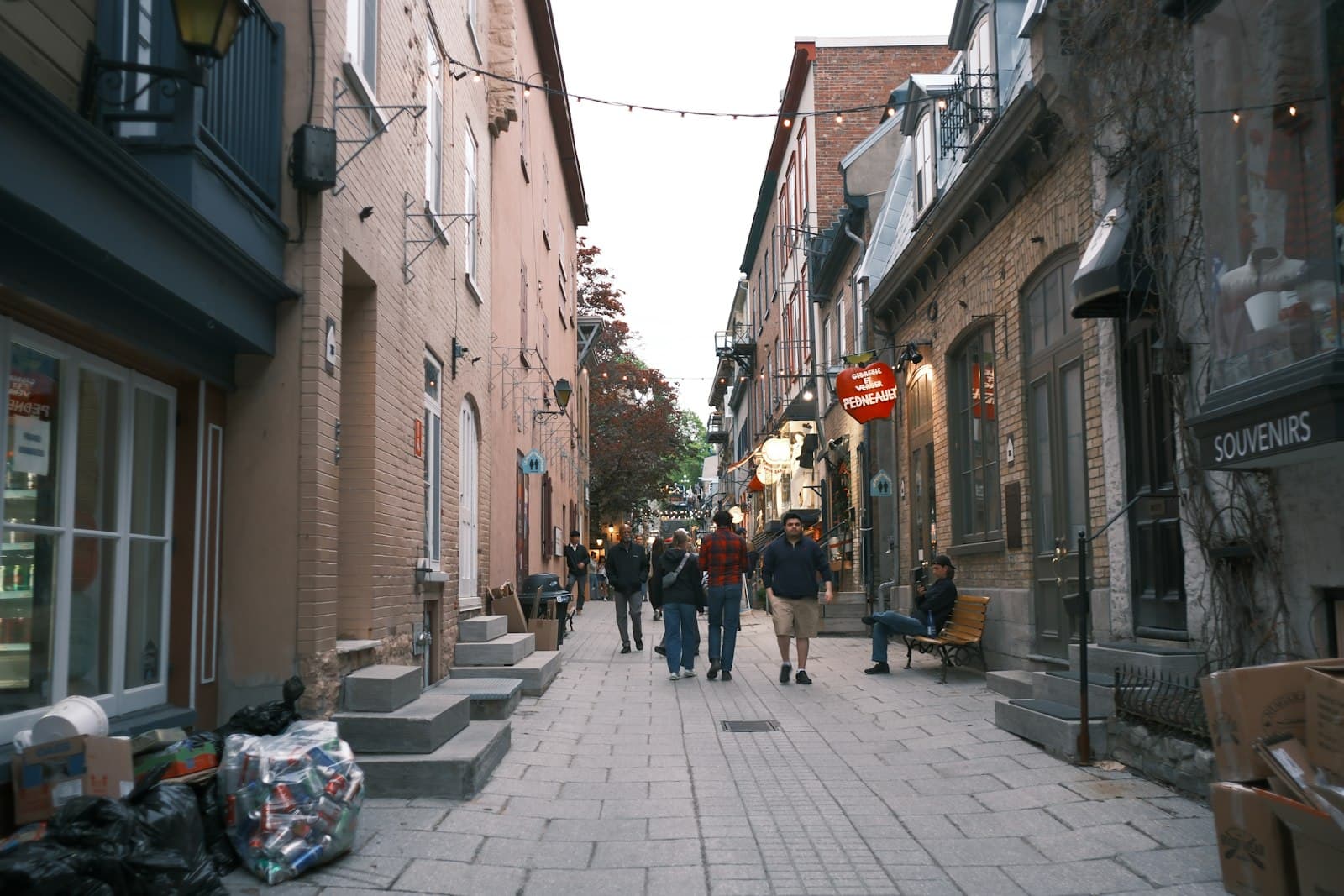
Begin your exploration in Vieux-Saint-Jean (Old Saint-Jean), the historic city center on the Richelieu River's west bank. It features an eclectic mix of French colonial, British, and 19th-century industrial architecture. Wander through its streets, discovering local shops, cafes, and restaurants. Visit the Fort Saint-Jean Museum, a National Historic Site of Canada located on the Royal Military College Saint-Jean campus. It details the site's military history, from Indigenous warriors to French, English, American, and Canadian troops.
For outdoor pursuits, the Chambly Canal offers a 20-kilometer cycling path along its eastern embankment, connecting Saint-Jean-sur-Richelieu to Chambly. In winter, parts of the canal near downtown transform into a skating rink. The Centre-de-plein-air-Ronald-Beauregard provides year-round activities, including hammocks, paddleboarding, kayaking, and canoeing in summer, and walking, snowshoeing, and cross-country skiing in winter. Agrotourism is a significant draw in the wider Montérégie region, with orchards, cider houses, vineyards, wineries, and maple sugar shacks. Do not miss the International Balloon Festival if visiting in August, a spectacular event with hundreds of hot air balloons filling the sky.
The best time to visit Saint-Jean-sur-Richelieu for warm-weather activities is from late June to early September. Summers are long and comfortable, with average daily high temperatures above 68°F (20°C). July is the warmest month, with an average high of 78°F (26°C). The International Balloon Festival, a major attraction, takes place in August. Winters are freezing and snowy, lasting from December to March, with January being the coldest month, averaging 8°F (-13°C). Spring and autumn offer shorter, scenic transition periods.
Saint-Jean-sur-Richelieu does not have its own major passenger airport. The most convenient option is Montreal-Pierre Elliott Trudeau International Airport (YUL), located about 42.5 km away. The journey from the airport to Saint-Jean-sur-Richelieu by taxi or rental car typically takes about 1 hour and 20 minutes, depending on traffic. Renting a car in the city averages around $55 per day.
Within the city, a developed network of bike paths, including scenic routes along the Chambly Canal, makes cycling a popular mode of transport during warmer months. Local bus services are available, and taxi services can be used for more flexibility, especially at night. When packing, consider the distinct seasons: warm clothing, including a parka, hat, and waterproof boots, is essential for winter visits (December to March), while light clothing is suitable for summer (June to August).
- What is Saint-Jean-sur-Richelieu best known for?
- Saint-Jean-sur-Richelieu is primarily known for hosting the International Balloon Festival, the largest hot air balloon festival in Canada, which takes place every August.
- How far is Saint-Jean-sur-Richelieu from Montreal?
- The city is located approximately 40 kilometers (25 miles) southeast of Montreal.
- What historical sites can I visit in Saint-Jean-sur-Richelieu?
- Visitors can explore the Fort Saint-Jean Museum, a National Historic Site of Canada, which details the military history of the area.
- Are there outdoor activities available?
- Yes, the city offers extensive cycling paths along the Chambly Canal, water activities on the Richelieu River, and year-round activities at Centre-de-plein-air-Ronald-Beauregard.
- What is the local cuisine like?
- The region is known for its local cheeses and wines, and visitors can enjoy gastronomic tourism with many restaurants offering regional culinary traditions.
- What was Saint-Jean-sur-Richelieu known for historically, besides its military fort?
- For a century, from 1840 to 1940, Saint-Jean-sur-Richelieu and Iberville were recognized as the pottery capital of Canada.