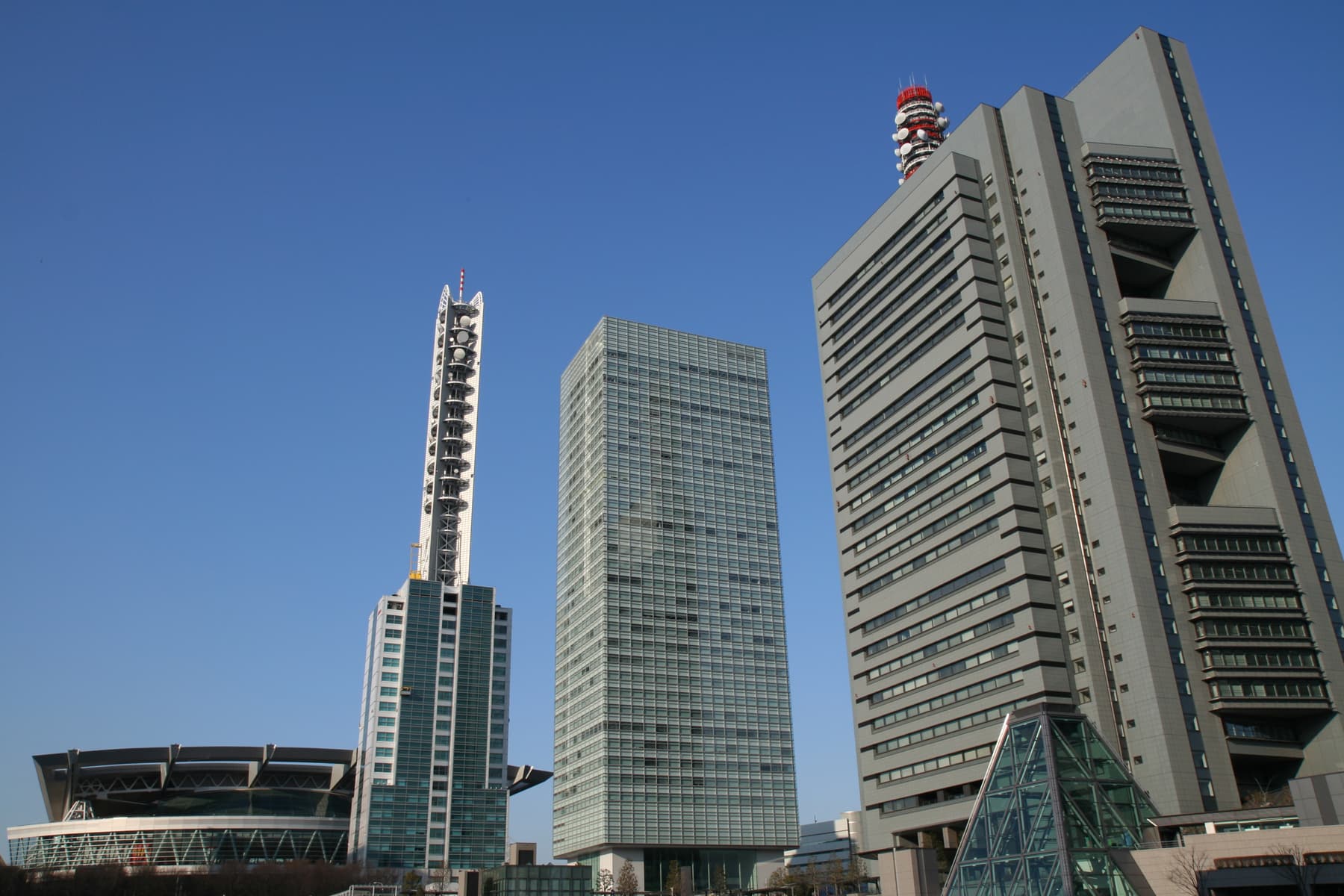
Saitama, JapanUser:PRiMENON / CC BY-SA 3.0, via Wikimedia Commons
JP

Saitama

Just north of Tokyo, Saitama weaves Edo-era elegance with contemporary ingenuity and anime fascination.

The secrets of Saitama

Saitama, as no one tells it.

Not the postcards. The stories even locals don't know — whispered in your ear, right where they happened.

3 secrets below. Many more wait inside the tour.
Omiya Bonsai Village

This village, a sanctuary for miniature trees, owes its very existence to a far greater, destructive force.

Full story unlocks in the tour
Saitama Super Arena

This colossal arena can completely reconfigure its interior in mere hours, a marvel of engineering beyond simple movable seating.

Full story unlocks in the tour
The name 'Saitama'

The name of this city, and its prefecture, carries an ancient lineage, yet its modern written form stands singular among Japan's prefectural capitals.

Full story unlocks in the tour
The full tour

Discover every secret of Saitama

Every address, every reveal in full — in your ear, right where it happened.

Get the key to Saitama

You pick your stops. You walk. The voice reveals what the others miss.

Choose your time

How long do you have in Saitama?

No tours available yet. Check back soon — we're preparing them.

About Saitama

The story of Saitama

Saitama, the capital of Saitama Prefecture, rests just north of Tokyo, presenting a compelling fusion of historical depth, cultural richness, and contemporary allure. Forged in 2001 by the unification of Urawa, Omiya, and Yono, and later joined by Iwatsuki, the city functions as a significant transportation nexus within the Greater Tokyo Area. Despite its closeness to the capital's ceaseless activity, Saitama maintains its own distinct character, cultivating a more tranquil atmosphere while remaining readily reachable.

The city's varied landscape extends from the urban expanse of its central wards to the natural splendor of regions like Chichibu, with its mountains and rivers. Saitama is a place where ancient customs, such as the refined art of bonsai and traditional doll making, exist alongside contemporary influences, including its recognition as a setting for popular anime. This singular combination renders Saitama an intriguing destination for those seeking to journey beyond Tokyo's immediate environs.

History

From Ancient Roots to Modern Metropolis

The story of Saitama stretches back to antiquity, with the name itself derived from the Sakitama District, a place referenced in the 8th-century Man'yōshū poetry anthology. Historically, the Saitama area was fertile agricultural land, vital for providing sustenance to the Kanto region. During the Edo period (1603-1867), both Omiya and Urawa flourished as post towns along the Nakasendō highway, a crucial artery connecting Osaka and Edo (present-day Tokyo).

The 20th century ushered in considerable expansion, particularly after World War II, as Tokyo's swift growth led to increased development in Saitama Prefecture. The scarcity of available land in Tokyo propelled Saitama's rapid development, with its population nearly tripling since 1960. The modern city of Saitama was officially established on May 1, 2001, through the unification of the former cities of Urawa, Omiya, and Yono. This consolidation created a new prefectural capital, which was then designated a government ordinance city on April 1, 2003. Later, Iwatsuki also joined the city, further enriching its cultural fabric with its long legacy of traditional doll making.

Today, Saitama City combines its historical standing as a regional transportation center with a growing industrial sector, producing transportation equipment, machinery, metals, and processed foods. It serves as a significant commercial and residential suburb of Tokyo, with many residents commuting to the capital. The city's progression from ancient agricultural lands and Edo-era post towns to a modern, well-connected metropolis underscores its enduring significance in the Kanto region.

What to see

Saitama offers a varied array of places to experience. Wander through the historic townscape of Kawagoe, often called "Little Edo," where Edo-period warehouse-style streets transport visitors back through time. Here, one can also savor unique local fare like sweet potato confections.

For a glimpse into traditional Japanese artistry, visit the Omiya Bonsai Art Museum and the surrounding Omiya Bonsai Village. This area is celebrated for its bonsai nurseries, displaying the intricate art form. Another significant cultural site is the Musashi Ichinomiya Hikawa Shrine in Omiya Ward, a Shinto shrine believed to have been established in the 5th century AD, recognized for its historical value and tranquil atmosphere.

Railway enthusiasts will find joy at The Railway Museum in Omiya, one of Japan's largest railway museums. It features historic trains, interactive simulators, and a grand diorama. For those intrigued by anime and manga, the Saitama Municipal Cartoon Art Museum illustrates the evolution and impact of these art forms. Additionally, the Saitama Super Arena stands as a marvel of contemporary architecture, capable of transforming its layout for various events, from concerts to athletic contests.

When to visit

The most agreeable times to visit Saitama are spring (March-May) and autumn (September-November). Spring brings mild and comfortable temperatures, averaging 10-20°C, with cherry blossoms unfurling from late March to early April in places like Omiya Park. Autumn also provides pleasant temperatures, typically between 15-25°C, and is ideal for observing fall foliage, particularly from late October to mid-November, at locations such as Musashi Kyuryo National Government Park. Summers (June-August) are warm and humid, with considerable precipitation, while winters (December-February) are cool and dry with the possibility of light snowfall.

Practical

Saitama is readily accessible from Tokyo via various train lines, including the JR Saikyo, JR Keihin-Tohoku, JR Takasaki, JR Utsunomiya, and JR Shonan-Shinjuku lines, all converging at Omiya Station, Saitama's primary transportation hub. A journey from central Tokyo to Omiya Station can take as little as 30 minutes. Within Saitama, the Tobu Noda Line and the New Shuttle from Omiya Station offer convenient access to many tourist destinations, including The Railway Museum. Prepaid IC cards like Suica and Pasmo are accepted on all trains.

While Saitama does not possess its own airport, visitors can fly into Tokyo's Narita or Haneda airports and then connect to Saitama by train or bus. A vast network of intercity and expressway buses also links Saitama with other prefectures. For those who prefer to drive, Saitama is approximately a 45-minute journey from central Tokyo via modern toll roads.

Good to know
What is Saitama known for?
Saitama is recognized for its blend of historical sites like Kawagoe's 'Little Edo' district and the Omiya Bonsai Village, alongside contemporary attractions such as the Saitama Super Arena and The Railway Museum. It is also acknowledged as a setting for popular anime.
Is Saitama a good day trip from Tokyo?
Yes, Saitama makes an excellent day trip from Tokyo due to its easy train accessibility (approximately 30 minutes to Omiya Station) and its varied attractions, offering a pleasing contrast to Tokyo's urban environment.
What local foods should I try in Saitama?
Saitama is known for its carbohydrate-focused cuisine. Popular dishes include Miso Potato, Neginuta (featuring Fukaya negi green onions), Kawagoe Sweet Potato (used in various sweets), and Kounosu Kawahaba Udon (unusually wide noodles).
What is the Saitama Super Arena?
The Saitama Super Arena is a multi-purpose indoor arena celebrated for its innovative design, which allows it to transform its seating capacity and layout for various events, from concerts to sports, in a short span of time.
Are there any natural attractions in Saitama?
Yes, Saitama offers natural beauty, particularly in the Chichibu area, which features mountains, rivers, and opportunities for outdoor activities like river boating. The prefecture is also known for its cherry blossoms in spring and vivid fall foliage.
How do I get around Saitama City?
Saitama City is well-served by several train lines, with Omiya Station functioning as a central hub. The Tobu Noda Line and the New Shuttle are useful for reaching specific attractions. Buses also provide transportation, and IC cards like Suica and Pasmo are accepted.
Saitama
From€9.00
No booking · activate anytime · 12h to walk it
Get the key to Saitama