Saltaire United Reformed Church
De grandeur van de kerk van Saltaire is niet alleen voor erediensten; het bevat een persoonlijk geheim van zijn oprichter.
Volledig verhaal ontgrendeld in de tour
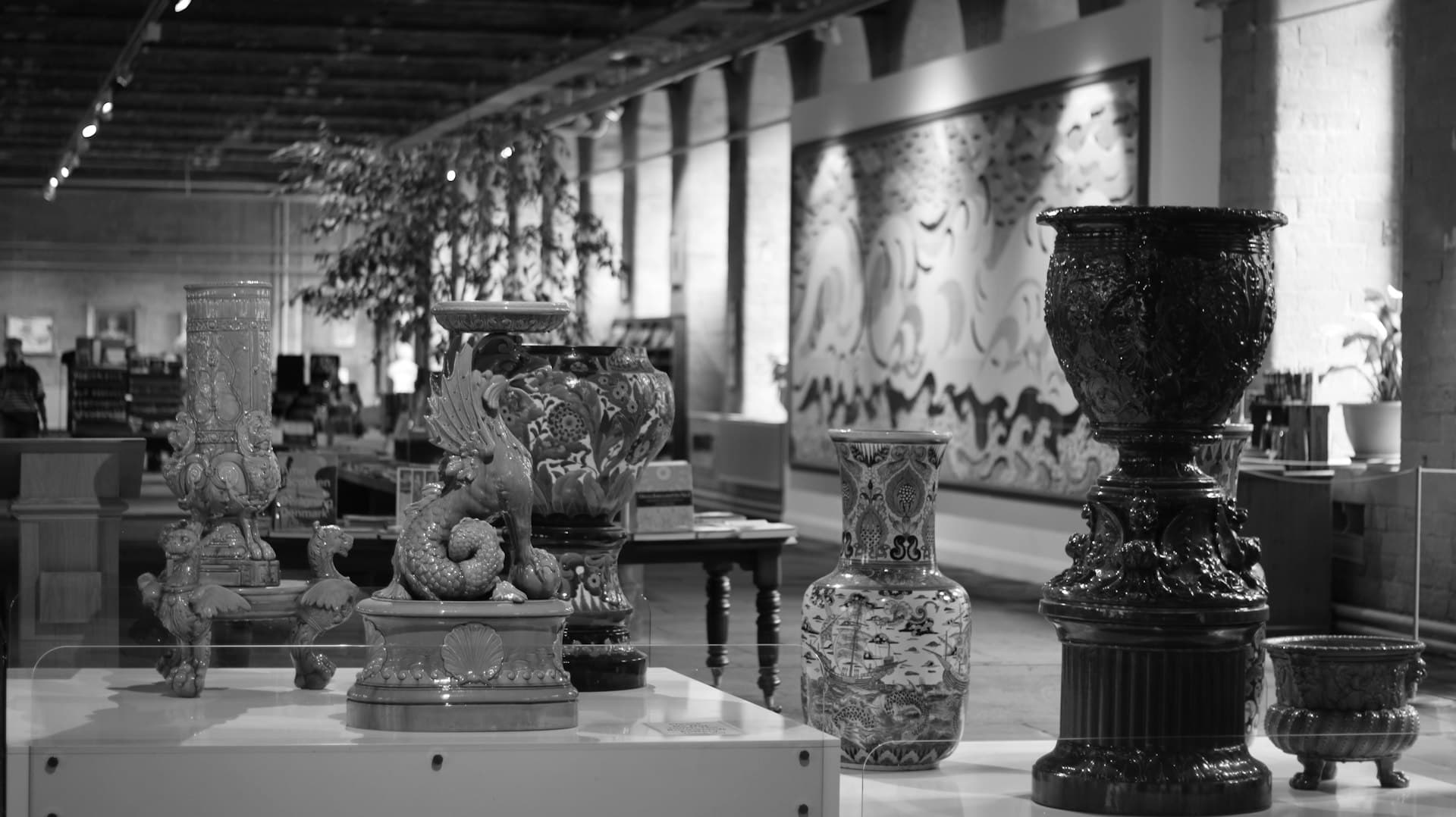 Photo: Diane Pilkington / Unsplash
Zelfgeleide audiowandeling door Saltaire — GPS-route, offline afspelen, meeslepende vertelling in 32 talen.
“Een Victoriaanse visie, zorgvuldig bewaard, waar industriële ambitie samenviel met verlicht leven.”
Niet de ansichtkaarten. De verhalen die zelfs locals niet kennen — gefluisterd in je oor, precies waar ze gebeurden.
De grandeur van de kerk van Saltaire is niet alleen voor erediensten; het bevat een persoonlijk geheim van zijn oprichter.
Deze kolossale voormalige textielfabriek, ooit het grootste industriële gebouw ter wereld, heeft een onverwachte artistieke transformatie ondergaan.
Voorbij de uniforme stenen gevels onthullen de woonstraten van Saltaire een subtiele sociale hiërarchie.
Ontdek elk geheim van Saltaire
Elk adres, elke onthulling volledig — in je oor, precies waar het gebeurde.
Jij kiest je stops. Jij wandelt. De stem onthult wat de anderen missen.


Je zelfgeleide audiotour van Saltaire is klaar — kies je bezienswaardigheden, kies je taal en start zodra je aankomt.
KopenLume heeft een ingebouwde augmented-reality-gids. Houd je telefoon omhoog: de camera toont de straat voor je, met een oplichtende pijl over het echte beeld die altijd naar je volgende stop wijst — geen kaart om uit te puzzelen, geen verkeerde afslagen. Zoals alles in Lume werkt het volledig offline.
Saltaire, een UNESCO Werelderfgoedlocatie in West Yorkshire, Engeland, is een opmerkelijk bewijs van de 19e-eeuwse industriële filantropie. Dit modeldorp, bedacht door textielmagnaat Sir Titus Salt in 1851, was ontworpen om zijn fabrieksarbeiders veel betere levensomstandigheden te bieden, een schril contrast met de armoede van het industriële Bradford. Het dorp, genoemd naar zijn oprichter en de rivier de Aire, die ernaast stroomt, is een nauwgezet geplande gemeenschap met Italiaanse architectuur, een grote fabriek en diverse burgerlijke gebouwen.
Vandaag de dag is Saltaire nog steeds een levend dorp, met een grotendeels intact gebleven oorspronkelijk stadsplan, dat bezoekers een uniek inzicht biedt in een visionair sociaal experiment. De voormalige Salts Mill, ooit het grootste industriële gebouw ter wereld, is zorgvuldig omgevormd tot een cultureel centrum met kunstgalerijen, onafhankelijke winkels en eetgelegenheden. De omliggende straten, omzoomd met goed bewaarde stenen huizen, nodigen uit tot verkenning en onthullen de zorg die aan elk aspect van het leven van de arbeiders werd besteed, van huisvesting tot onderwijs en recreatie.
Het verhaal van Saltaire begint met Sir Titus Salt, een vooraanstaande industrieel die zijn fortuin maakte in de textielindustrie van Bradford, gespecialiseerd in fijne wollen stoffen. Ontzet door de vervuilde en overbevolkte omstandigheden van het centrum van Bradford, zag Salt een gezondere en productievere omgeving voor zijn personeel voor zich. In 1851 nam hij de moedige beslissing om zijn bedrijf en werknemers te verhuizen en de creatie van een geheel nieuwe modelgemeenschap te opdracht te geven.
Lokale architecten Henry Lockwood en Richard Mawson werden ingeschakeld om het hele dorp in een klassieke stijl te ontwerpen, geïnspireerd door de Italiaanse Renaissance. De werkzaamheden begonnen in 1851 en duurden tot 1876. De kolossale Salts Mill, een uiterst efficiënte textielfabriek, was het eerste voltooide gebouw in 1853. Het dorp omvatte uiteindelijk meer dan 800 hoogwaardige woningen, twee kerken (waaronder de indrukwekkende Saltaire United Reformed Church, oorspronkelijk Congregationalistisch), een school, een instituut voor volwassenenonderwijs, een park, een ziekenhuis, badhuizen, een wasserette en armenhuizen voor ouderen.
Salt's toewijding aan het welzijn van zijn werknemers ging verder dan huisvesting. Elke cottage was voorzien van stromend water en gas, voorzieningen die destijds niet algemeen voorkwamen in arbeiderswoningen. De straten waren ontworpen met open uiteinden om voldoende zonlicht en frisse lucht toe te laten, een bewust contrast met de slecht geventileerde, donkere 'back-to-back' huizen die in andere industriesteden gangbaar waren. Recreatieve en educatieve initiatieven werden ook aangemoedigd, met faciliteiten zoals een bibliotheek, leeszaal, concertzaal, biljartzaal, wetenschapslaboratorium en gymnastiekzaal. Het dorp was zo bewonderd dat planners uit Japan het in 1872 bezochten tijdens een rondreis door industrieel Groot-Brittannië.
Salts Mill stopte de textielproductie in 1986. Het jaar daarop kocht ondernemer Jonathan Silver de fabriek en begon met de transformatie ervan tot een multifunctionele ruimte, met een kunstgalerie, winkels en restaurants. In 2001 werd Saltaire ingeschreven op de UNESCO Werelderfgoedlijst, erkend voor zijn internationale invloed op stadsplanning en als een uitstekend voorbeeld van een modelstad uit het midden van de 19e eeuw die de sociale en economische impact van de textielindustrie aantoont. De oorspronkelijke structuren van het dorp zijn opmerkelijk intact gebleven en combineren historische conservering met het hedendaagse leven.
Begin uw verkenning bij Salts Mill, het hart van het dorp. Deze imposante voormalige textielfabriek herbergt nu de 1853 Gallery, met een aanzienlijke collectie werken van David Hockney, samen met onafhankelijke winkels die boeken, woonaccessoires en kunstbenodigdheden verkopen, plus cafés en restaurants.
Wandel door de zorgvuldig geplande dorpsstraten en bewonder de Italiaanse architectuur van de arbeiderswoningen. De straten, vaak vernoemd naar de familie van Sir Titus Salt, bieden een inkijkje in de Victoriaanse stadsplanning. Haal een Saltaire Heritage Trail-kaart bij het VVV-kantoor om uw wandeling langs belangrijke bezienswaardigheden te begeleiden.
Steek de voetgangersbrug over de rivier de Aire over naar Roberts Park, een uitgestrekte Victoriaanse groene ruimte ontworpen door William Gay en geopend in 1871. Het park beschikt over een muziektent, een speeltuin en een standbeeld van Sir Titus Salt. Het is een ideale plek voor een picknick of om een lokale cricketwedstrijd te bekijken.
Overweeg de Saltaire United Reformed Church, een monumentaal pand (Grade I) dat wordt beschouwd als een van de belangrijkste Victoriaanse architectonische monumenten van het land. Het Italiaanse ontwerp, de Korinthische zuilen en de sierlijke klokkentoren zijn bijzonder opvallend.
Saltaire is een open, levend dorp, het hele jaar door toegankelijk voor bezoekers. Voor een levendige ervaring kunt u overwegen om in september het jaarlijkse Saltaire Festival te bezoeken, dat het dorp tot leven brengt met evenementen en activiteiten. Lente en zomer bieden aangenaam weer om het park en de kanaalpaden te verkennen, terwijl de historische gebouwen op koelere dagen een comfortabele schuilplaats bieden. Controleer altijd de openingstijden van individuele attracties zoals Salts Mill, aangezien deze kunnen variëren.
Saltaire is gemakkelijk bereikbaar met de trein, met station Saltaire in het hart van het dorp, met frequente verbindingen vanuit Leeds, Bradford en Skipton. Als u met de auto komt, is er gratis parkeergelegenheid bij Salts Mill (BD18 3LA), op korte loopafstand van het dorpscentrum. Extra betaald parkeren is te vinden aan Exhibition Road. Parkeren op straat heeft vaak beperkingen, dus controleer de borden zorgvuldig.
Het dorp is compact en het best te voet te verkennen. Openbare toiletten zijn beschikbaar op de parkeerplaats aan Victoria Road. Goed opgevoede honden aan de lijn zijn welkom in buitenruimtes zoals Roberts Park en sommige buitenexposities, maar over het algemeen niet in privéwoningen of veel binnenlocaties. Voor toegankelijkheidsinformatie, met name voor historische gebouwen, is het raadzaam om dit bij de individuele locaties na te vragen.
Saltaire — Koreaans, Chinees, Hebreeuws en nog 29 talen, elke stop verteld door een moedertaalspreker. Het grootste taalaanbod van alle zelfgeleide audiotours.
Beschikbaar in: