De Kathedraal van San Cristóbal
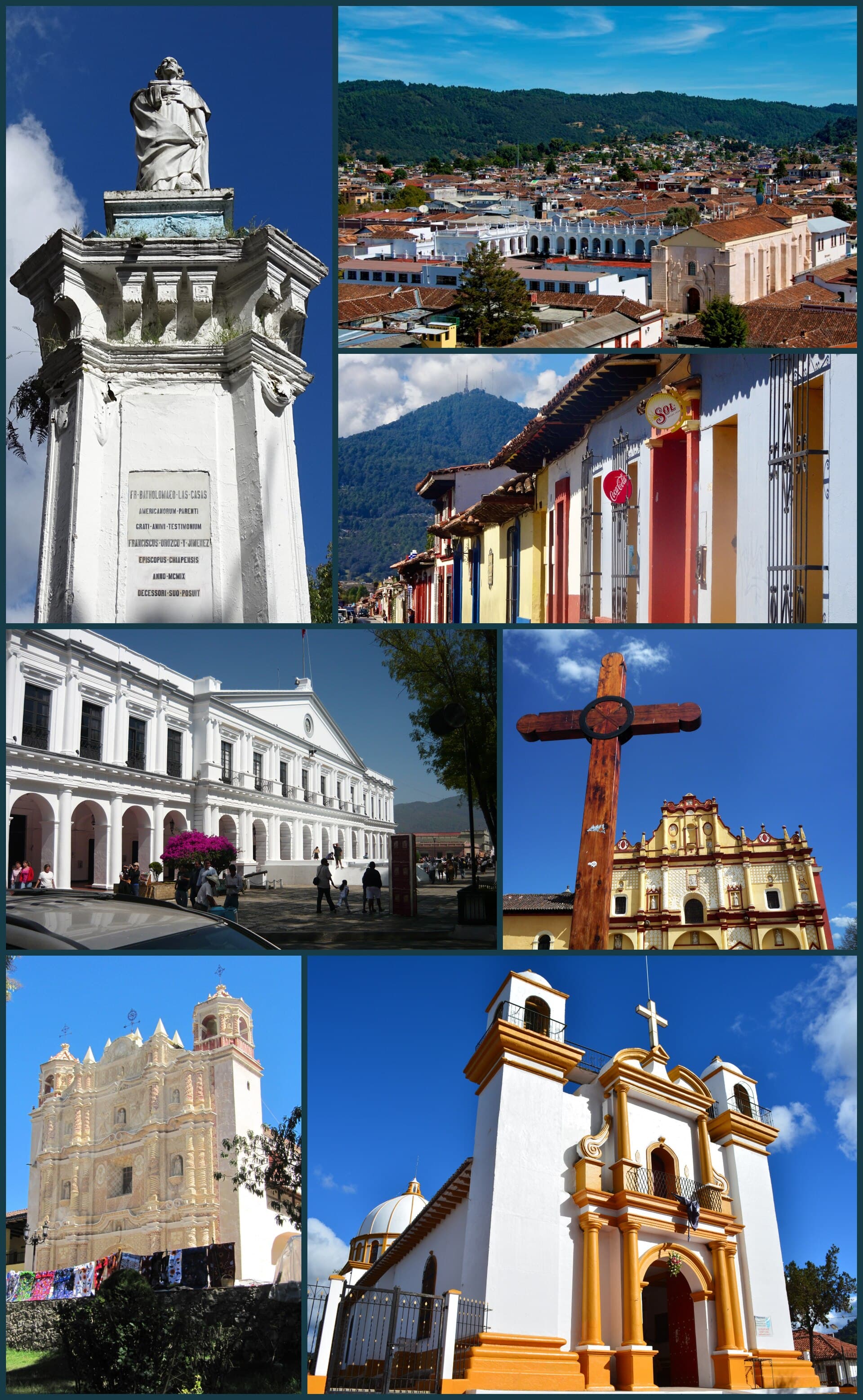
De gedurfde gele façade van de kathedraal vormt het anker van het centrale plein, maar de diepgaande historische lagen ontvouwen zich ver buiten het oppervlak.
Volledig verhaal ontgrendeld in de tour
 self. / CC BY-SA 4.0, via Wikimedia Commons
Zelfgeleide audiowandeling door San Cristóbal de las Casas — GPS-route, offline afspelen, meeslepende vertelling in 32 talen.
“Waar de blijvende geest van koloniale architectuur de levende polsslag van inheemse cultuur ontmoet in de hooglanden van Chiapas.”
Niet de ansichtkaarten. De verhalen die zelfs locals niet kennen — gefluisterd in je oor, precies waar ze gebeurden.
De gedurfde gele façade van de kathedraal vormt het anker van het centrale plein, maar de diepgaande historische lagen ontvouwen zich ver buiten het oppervlak.
Deze 16e-eeuwse kerk, geprezen om zijn uitgebreide barokke façade en vergulde interieur, staat in een omgeving die een boeiend verhaal vertelt van cultureel doorzettingsvermogen.
Meer dan een museum, Casa Na Bolom biedt een kijkje in een diepe toewijding aan de inheemse culturen van Chiapas.
Ontdek elk geheim van San Cristóbal de las Casas
Elk adres, elke onthulling volledig — in je oor, precies waar het gebeurde.
Jij kiest je stops. Jij wandelt. De stem onthult wat de anderen missen.


Je zelfgeleide audiotour van San Cristóbal de las Casas is klaar — kies je bezienswaardigheden, kies je taal en start zodra je aankomt.
KopenLume heeft een ingebouwde augmented-reality-gids. Houd je telefoon omhoog: de camera toont de straat voor je, met een oplichtende pijl over het echte beeld die altijd naar je volgende stop wijst — geen kaart om uit te puzzelen, geen verkeerde afslagen. Zoals alles in Lume werkt het volledig offline.
San Cristóbal de las Casas, liefkozend San Cris genoemd, ligt in de Centrale Hooglanden van de Mexicaanse staat Chiapas. Gelegen op een hoogte van ongeveer 2.200 meter (7.200 voet) in een klein dal omringd door heuvels, biedt de stad een gematigd klimaat, een welkome afwisseling van de tropische laaglanden van Chiapas. De historische kern heeft een Spaanse koloniale indeling behouden, met smalle, met stenen geplaveide paden, gebouwen met terracotta daken en ijzeren balkons, vaak versierd met bloesems.
San Cristóbal wordt beschouwd als het culturele hart van Chiapas, een plek waar inheemse erfgoed en koloniale verleden met elkaar verweven zijn. De stad dient als een belangrijk cultureel en politiek centrum voor de Maya's en andere inheemse volkeren van de regio, wier tradities zichtbaar zijn in het dagelijks leven, van kleurrijke stoffen tot lokale markten. Het is een bestemming die bezoekers uitnodigt om in een rustig tempo te verkennen, de unieke fusie van culturen en de natuurlijke pracht van de hooglandomgeving in zich op te nemen.
San Cristóbal de las Casas werd in 1528 gesticht door de Spaanse kapitein Diego de Mazariegos, destijds Villa Real de Chiapa genoemd. De nederzetting werd strategisch geplaatst in de Hueyzacatlán-vallei, wat in Nahuatl "weide" betekent, gekozen vanwege het aangename klimaat en de controle over omliggende inheemse gebieden. De stad onderging verschillende naamsveranderingen in haar vroege bestaan, werd Villa Viciosa in 1529, Villa de San Cristóbal de los Llanos in 1531 en Ciudad Real in 1536. In 1535 ontving het zijn wapenschild van Carlos V en werd het officieel tot stad verklaard.
Gedurende de koloniale periode fungeerde San Cristóbal als de provinciale hoofdstad van Chiapas en het diocesane centrum, hoewel de Spaanse bevolking relatief bescheiden bleef. Een sleutelfiguur in zijn geschiedenis was Bartolomé de las Casas, de eerste bisschop van Chiapas, die in 1545 arriveerde en bekend werd als de "Verdediger van de Indianen" vanwege zijn inspanningen om de rechten van inheemse volkeren te beschermen. Ter erkenning van zijn werk werd "de las Casas" in 1848 aan de naam van de stad toegevoegd.
De politieke betekenis van de stad verschoof in 1892 toen de staatskapitaal permanent werd verplaatst naar Tuxtla Gutiérrez, als gevolg van de liberale dominantie in Chiapas. Desondanks behield San Cristóbal zijn culturele prominentie. In januari 1994 kreeg de stad internationale aandacht toen het kortstondig werd ingenomen door het Zapatista Leger van Nationale Bevrijding (EZLN) tijdens een opstand van inheemse boeren, die pleitten voor betere rechten en omstandigheden. Vandaag de dag blijft San Cristóbal de las Casas een levendig centrum waar de erfenis van zijn koloniale verleden en de blijvende kracht van zijn inheemse culturen diep gevoeld worden.
Begin uw verkenning op de Plaza de la Paz en de San Cristóbal Kathedraal, een opvallende gele structuur die een mix van barokke en Moorse stijlen tentoonstelt. Dwaal vanaf daar over de voetgangersstraten zoals Real de Guadalupe, bekend om zijn levendige sfeer met artiesten en drukke eetgelegenheden.
Bezoek de Templo de Santo Domingo de Guzmán, een 16e-eeuwse kerk die wordt geprezen om zijn uitgebreide barokke façade en vergulde interieur. Rondom de kerk is de Mercado de la Caridad (Ambachtelijke Markt van Santo Domingo) een lonende stop voor traditionele ambachten, met name textiel en barnsteen creaties. Voor een dieper inzicht in inheemse weef tradities, verken het Centro de Textiles del Mundo Maya, gelegen in het voormalige klooster naast de Templo de Santo Domingo.
Beklim de 79 treden naar de Iglesia de Nuestra Señora de Guadalupe voor een weids uitzicht over de stad, vooral betoverend als de zon ondergaat. Bezoek zeker Casa Na Bolom, een museum en onderzoekscentrum gewijd aan de inheemse culturen van Chiapas. Voor een voorproefje van het lokale dagelijkse leven en de keuken, biedt de Mercado Municipal Market een authentieke ervaring, met kraampjes die alles verkopen, van specerijen tot traditionele gerechten.
Overweeg buiten de stad excursies naar de inheemse dorpen San Juan Chamula en Zinacantán om eeuwenoude tradities en levendige textiel te observeren. De Sumidero Canyon biedt boottochten door zijn grandioze kloven. Voor natuurliefhebbers bieden de El Chiflon watervallen en de Agua Azul en Misol-Ha cascades mogelijkheden om te wandelen en te zwemmen in prachtige natuurlijke omgevingen.
San Cristóbal de las Casas geniet het hele jaar door een gematigd klimaat vanwege zijn hoogte. De meest aangename tijd om te bezoeken voor buitenactiviteiten is van half maart tot half mei. Het droge seizoen, dat loopt van november tot april, biedt aangename temperaturen en minder neerslag, hoewel de avonden koel kunnen zijn. Het regenseizoen loopt van mei tot oktober, met juni en september als de natste maanden. Hoewel het regenseizoen meer bewolking brengt, blijven de dagtemperaturen aangenaam.
San Cristóbal de las Casas wordt over het algemeen als veilig beschouwd voor reizigers, hoewel kleine vergrijpen zoals zakkenrollen kunnen voorkomen. Het is raadzaam om alert te zijn op uw omgeving, vooral na donker, en om bepaalde noordelijke stadsdelen of buitenwijken zonder lokale gids te vermijden. De stad ligt op een hoogte van 2.200 meter (7.200 voet), dus bezoekers kunnen last krijgen van hoogteziekte. Voldoende drinken en rustig aan doen gedurende de eerste dagen kan helpen bij de acclimatisatie.
Het stadscentrum is gemakkelijk te voet te verkennen. Taxi's zijn gemakkelijk beschikbaar en redelijk geprijsd, met tarieven meestal rond de 25-30 pesos binnen de stad. Colectivos (gedeelde busjes) zijn een gebruikelijke en economische keuze voor openbaar vervoer, kosten ongeveer 8 pesos per rit en bedienen verschillende routes vanaf de centrale markt. Voor langere afstanden of dagtochten zijn shuttlediensten beschikbaar. Als u vanuit Palenque rijdt, houd er rekening mee dat de weg bochtig kan zijn en sommige routes, zoals Highway 199, af en toe wegblokkades kunnen hebben; reizen overdag wordt aanbevolen.
San Cristóbal de las Casas — Koreaans, Chinees, Hebreeuws en nog 29 talen, elke stop verteld door een moedertaalspreker. Het grootste taalaanbod van alle zelfgeleide audiotours.
Beschikbaar in: