Via San Giovanni
Mentre le vie principali di San Gimignano possono essere trafficate, una breve deviazione rivela un ritmo diverso.
La storia completa si sblocca nel tour
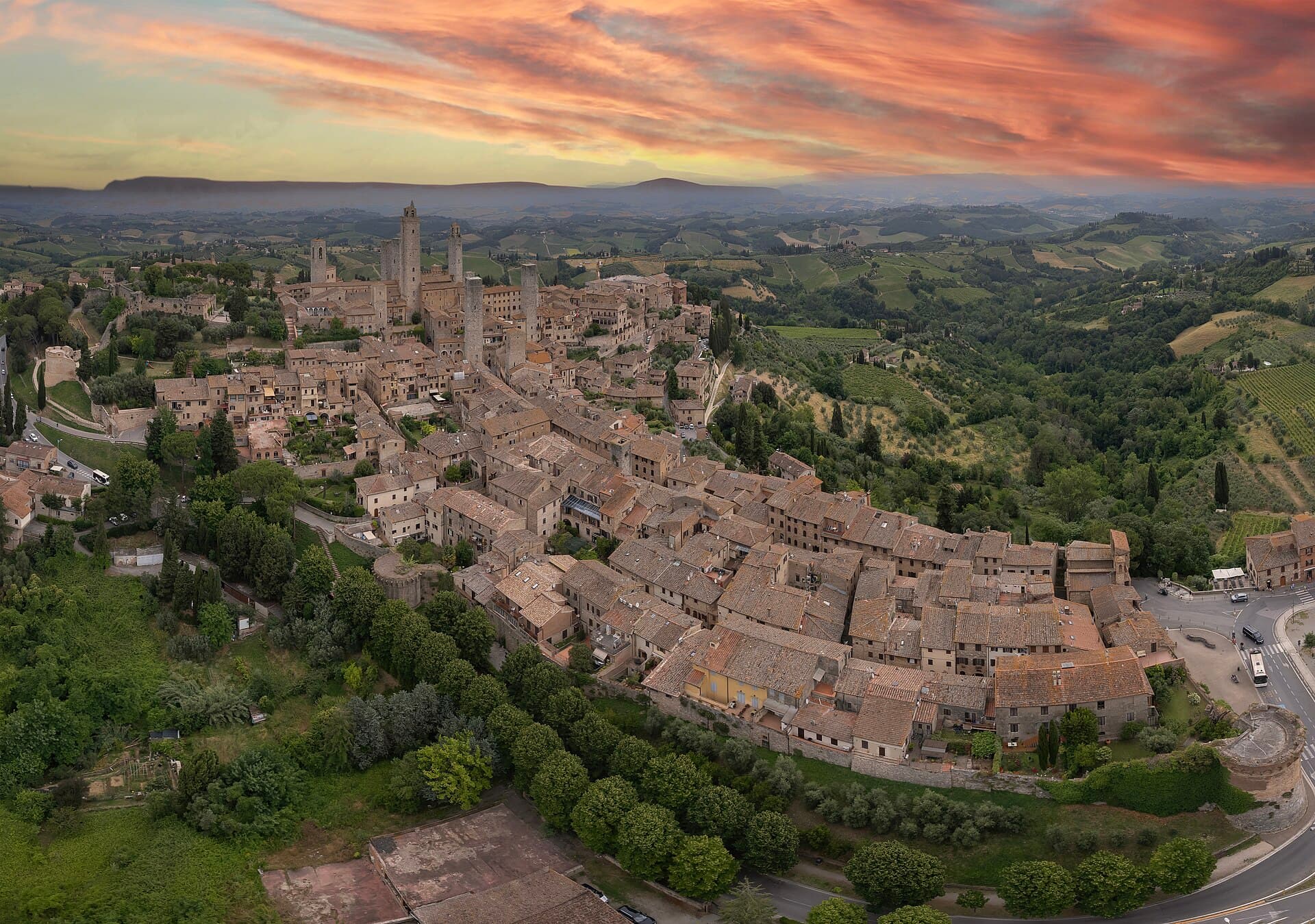 Chensiyuan / CC BY-SA 4.0, via Wikimedia Commons
Tour audio autoguidato di San Gimignano — percorso GPS a piedi, riproduzione offline, narrazione coinvolgente in 32 lingue.
“Entra in uno skyline toscano congelato nel tempo, dove torri medievali raccontano storie di rivalità e resilienza.”
Non le cartoline. Le storie che nemmeno i locali conoscono — sussurrate nel tuo orecchio, proprio dove sono accadute.
Mentre le vie principali di San Gimignano possono essere trafficate, una breve deviazione rivela un ritmo diverso.
Tra le torri rimaste, una coppia si erge quasi con sfida, testimonianza dell'ambizione di un'antica famiglia.
Oltre al famoso zafferano della città, c'è un delicato fiore legato a una santa locale.
Scopri ogni segreto di San Gimignano
Ogni indirizzo, ogni rivelazione completa — nel tuo orecchio, proprio dove è accaduta.
Scegli le tue tappe. Cammini. La voce rivela ciò che gli altri perdono.


Lume include una guida in realtà aumentata. Alza il telefono: la fotocamera mostra la strada davanti a te, con una freccia luminosa sovrapposta all'immagine reale che punta sempre verso la tua prossima tappa — nessuna mappa da decifrare, nessuna svolta sbagliata. Come tutto in Lume, funziona completamente offline.
San Gimignano, a volte chiamata la "Manhattan Medievale", è un'affascinante città collinare fortificata in Toscana, Italia, nota per il suo caratteristico skyline di torri medievali. Questo sito Patrimonio dell'Umanità UNESCO offre un viaggio indietro nel tempo, con la sua architettura romanica e gotica ben conservata, piazze storiche e sentieri tortuosi. Dalla sua posizione elevata nella Valdelsa, la città offre viste panoramiche sulla circostante campagna toscana, un paesaggio di dolci colline, uliveti e vigneti.
Un tempo tappa vitale per i pellegrini cattolici che percorrevano la Via Francigena verso Roma, San Gimignano fiorì durante il Medioevo grazie al commercio di prodotti agricoli come lo zafferano e il vino Vernaccia. Nonostante l'afflusso di visitatori, in particolare durante l'alta stagione, la città mantiene il suo carattere medievale, soprattutto nelle mattinate e serate più tranquille, dopo la partenza dei turisti giornalieri. L'esplorazione delle sue antiche mura, degli affreschi significativi e della cultura locale rende San Gimignano una meta toscana memorabile.
## Da Villaggio Etrusco a Potenza Medievale Le origini di San Gimignano risalgono al III secolo a.C., quando un piccolo villaggio etrusco occupava il suo sito. La leggenda narra che nel 63 a.C., due fratelli patrizi romani, Muzio e Silvio, in fuga dalla congiura di Catilina, stabilirono due castelli in Valdelsa, uno dei quali sarebbe diventato San Gimignano. Il nome della città cambiò in San Gimignano intorno al 450 d.C., dopo che si dice che il vescovo Geminiano di Modena intervenne miracolosamente, salvando il castello dalla distruzione dai seguaci di Attila il Flagello.
Durante il Medioevo e il Rinascimento, la posizione strategica di San Gimignano sulla Via Francigena, un'importante via di pellegrinaggio che collegava Canterbury e Roma, ne assicurò la prosperità. Divenne un punto di sosta cruciale per viaggiatori e mercanti, portando alla crescita economica e alla costruzione di edifici pubblici e chiese. Nel 1199, la città dichiarò l'indipendenza dai vescovi di Volterra, istituendo il proprio governo.
Questo periodo di autonomia, tuttavia, fu segnato da intense rivalità tra le potenti famiglie guelfe e ghibelline all'interno di San Gimignano. Queste famiglie dimostrarono la loro ricchezza e influenza costruendo torri sempre più alte, alcune delle quali raggiungevano i 70 metri. Al suo apice, San Gimignano contava secondo quanto riferito 72 torri. Il consiglio locale intervenne infine, ordinando che nessuna torre potesse superare l'altezza di quella adiacente al Palazzo Comunale.
Il periodo di fioritura della città terminò bruscamente nel 1348 con l'arrivo della Peste Nera, che decimò metà della sua popolazione. Indebolita dalla peste, San Gimignano si sottomise al dominio di Firenze nel 1353. Questo segnò un periodo di declino politico ed economico, e sebbene alcuni palazzi gotici furono costruiti in stile fiorentino, molte torri furono ridotte in altezza. Di conseguenza, San Gimignano rimase in gran parte preservata nel suo stato medievale, una circostanza unica che contribuisce al suo fascino odierno. Il suo status di destinazione turistica e artistica iniziò ad essere riconosciuto nel XIX secolo.
Il compatto centro di San Gimignano è facilmente esplorabile a piedi, offrendo una ricchezza di scorci medievali. Inizia nel cuore della città in Piazza della Cisterna, una piazza triangolare che prende il nome dalla sua antica cisterna sotterranea e pozzo. Adiacente si trova Piazza del Duomo, circondata da alcune delle torri più alte rimaste e dalla Collegiata (Duomo) di Santa Maria Assunta. L'interno del Duomo è adornato da imponenti cicli di affreschi del XIV e XV secolo di artisti come Ghirlandaio, Bartolo di Fredi e Taddeo di Bartolo.
Per ampie vedute della città e della campagna toscana, sali sulla Torre Grossa, la torre più alta con 54 metri (177 piedi) e l'unica completamente accessibile al pubblico. Un biglietto per la Torre Grossa include spesso l'accesso al Palazzo Comunale (Municipio), che ospita il Museo Civico con dipinti e affreschi medievali. Altre chiese degne di nota includono la Chiesa di Sant'Agostino, con affreschi di Benozzo Gozzoli, e la piccola Chiesa di San Lorenzo in Ponte.
Oltre alle piazze principali, passeggia per le strade secondarie e i vicoli più tranquilli per scoprire il carattere autentico della città. Visita San Gimignano 1300, un museo che espone un dettagliato plastico in miniatura in argilla della città come appariva nel XIV secolo. Per un rifugio tranquillo e altri punti panoramici, dirigiti verso i Giardini della Rocca (Parco della Rocca). Non perderti una degustazione del vino bianco locale, la Vernaccia di San Gimignano, e una pallina del gelato campione del mondo dalla Gelateria Dondoli in Piazza della Cisterna.
I periodi migliori per visitare San Gimignano sono la tarda primavera (aprile-maggio) e l'inizio dell'autunno (settembre-ottobre). Durante queste stagioni intermedie, il clima è piacevole, la campagna circostante è viva di colori e la folla è generalmente più rada rispetto ai mesi di punta estivi. Se visiti in estate, pianifica di esplorare la mattina presto o nel tardo pomeriggio/sera per evitare il caldo di mezzogiorno e le folle più numerose. San Gimignano può essere goduta come gita di un giorno, ma un pernottamento permette un'esperienza più rilassata, soprattutto una volta partiti i pullman turistici e quando emerge l'atmosfera serale della città.
Il centro storico di San Gimignano è pedonale, quindi se arrivi in auto, dovrai parcheggiare fuori dalle mura della città. Le principali aree di parcheggio includono P1 Giubileo (più grande e conveniente, a 10-15 minuti a piedi in salita) e P2 Montemaggio (più vicino ma più costoso, 5-10 minuti). La città è facilmente percorribile a piedi e la maggior parte delle attrazioni principali può essere esplorata in 2-4 ore.
Considera l'acquisto del San Gimignano Pass, un pass museale ufficiale che offre l'accesso a diverse attrazioni chiave, tra cui il Duomo, la Torre Grossa e il Palazzo Comunale, per due giorni consecutivi. Questo può essere più conveniente rispetto all'acquisto di biglietti singoli. Scarpe comode sono essenziali per navigare sui sentieri lastricati. Per mangiare, i ristoranti più popolari possono riempirsi rapidamente, quindi è consigliabile prenotare, soprattutto per la cena.
San Gimignano — coreano, cinese, ebraico e altre 29 lingue, ogni tappa narrata da una voce madrelingua. La più ampia scelta di lingue tra i tour audio autoguidati.
Disponibile in: