San José del Cabo, MexicoThelmadatter / CC BY-SA 4.0, via Wikimedia Commons
MX

San José del Cabo

Beyond the resorts, a colonial heart pulses with art, heritage, and an unexpected oasis.

The secrets of San José del Cabo

San José del Cabo, as no one tells it.

Not the postcards. The stories even locals don't know — whispered in your ear, right where they happened.

3 secrets below. Many more wait inside the tour.
Mission San José del Cabo Añuití

The serene white facade of the Mission San José del Cabo Añuití conceals a turbulent past, including a dramatic event that led to its founder's end.

Full story unlocks in the tour
San José del Cabo Art Walk

Every Thursday evening, the inviting, stone-paved lanes of San José del Cabo's Gallery District transform into an open-air exhibition, yet this event did not begin as a formal plan.

Full story unlocks in the tour
San José del Cabo Estuary

At the edge of this desert town lies a verdant, freshwater estuary, a singular ecosystem that once held a pivotal role in global commerce.

Full story unlocks in the tour
The full tour

Discover every secret of San José del Cabo

Every address, every reveal in full — in your ear, right where it happened.

Get the key to San José del Cabo

You pick your stops. You walk. The voice reveals what the others miss.

Choose your time

How long do you have in San José del Cabo?

No tours available yet. Check back soon — we're preparing them.

About San José del Cabo

The story of San José del Cabo

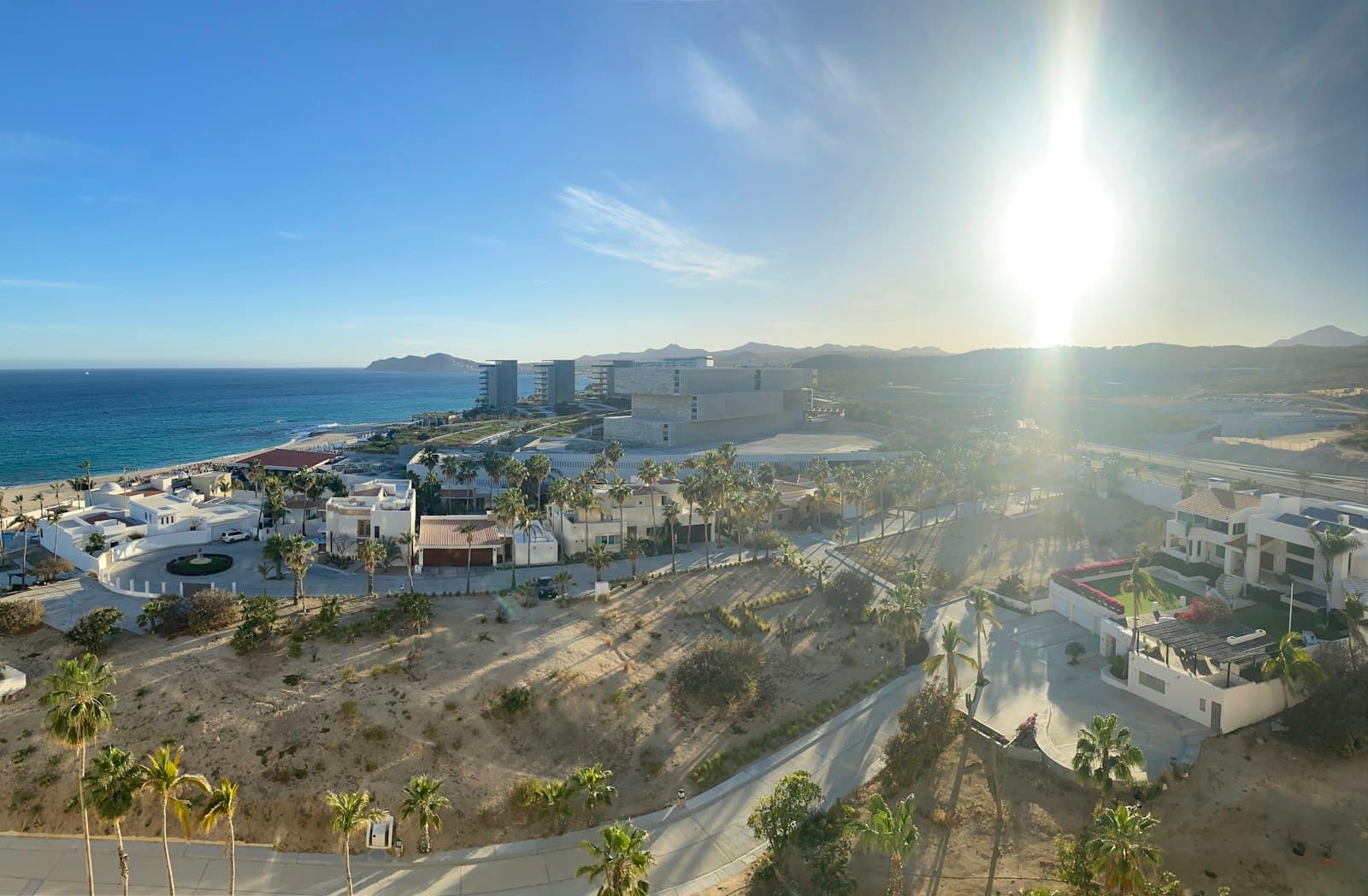
San José del Cabo, at the southern tip of Mexico's Baja California Sur, offers an experience distinct from its more lively neighbor, Cabo San Lucas. This city, with a population of 136,285 as of the 2020 census, presents a calmer, more culturally focused atmosphere. Visitors are drawn to its colonial architecture, art scene, and a relaxed pace that encourages exploration beyond the typical resort experience.

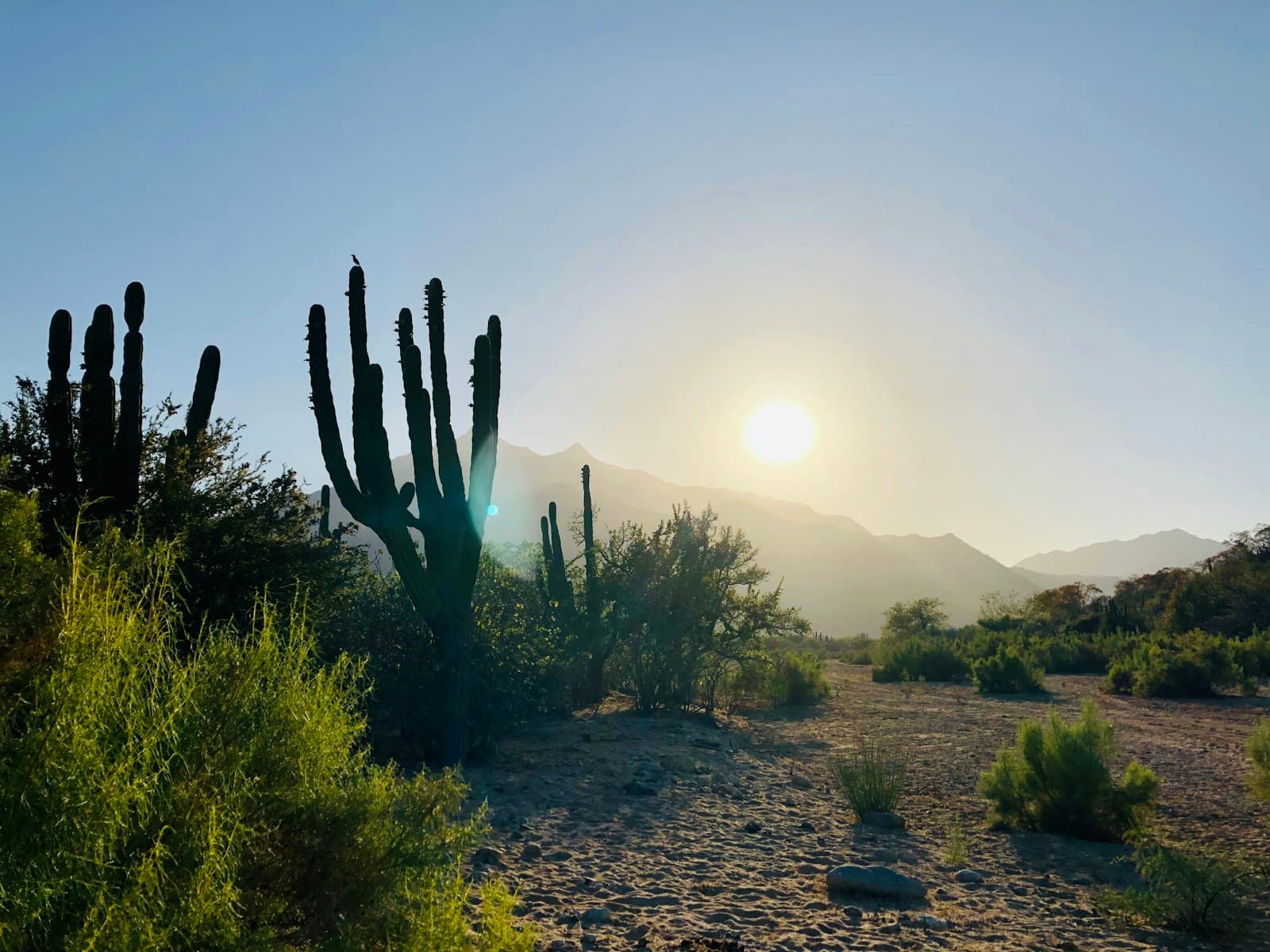
Often considered the 'soul' of Los Cabos, San José del Cabo is characterized by its historic downtown, shaded plaza, and pastel-colored buildings. It is a place where the desert meets the sea, offering a singular blend of natural beauty and cultural depth. From its active art district to its tranquil estuary, San José del Cabo invites travelers to delve into a destination that values tradition and artistic expression.

History

From Indigenous Roots to Colonial Outpost

The story of San José del Cabo extends far before European arrival, with the region inhabited by the Pericúes, an indigenous culture known for their hunting, fishing, and gathering. They cultivated pearl-bearing oysters, a practice that later inspired John Steinbeck's novel, The Pearl. The Pericúes called the area 'Añuití,' which some interpret as 'place between palm trees,' a fitting description for the area around the estuary.

Hernán Cortés organized the first expedition to explore the region in the early 1530s. The official founding of San José del Cabo as a permanent settlement dates to April 8, 1730, when Jesuit missionary Nicolás Tamaral established the Mission San José del Cabo Añuití near the San José River estuary. This location was chosen for its crucial freshwater source in the arid Baja climate, making it a vital stop for Spanish galleons returning from the Philippines.

However, the early colonial period was not without conflict. In 1734, a significant indigenous uprising occurred, leading to the destruction of the mission and the death of Father Tamaral. The mission was rebuilt multiple times, eventually moving to its present location overlooking Plaza Mijares. After Mexico's independence in 1822, the region came under Mexican jurisdiction.

Growth and Modern Development

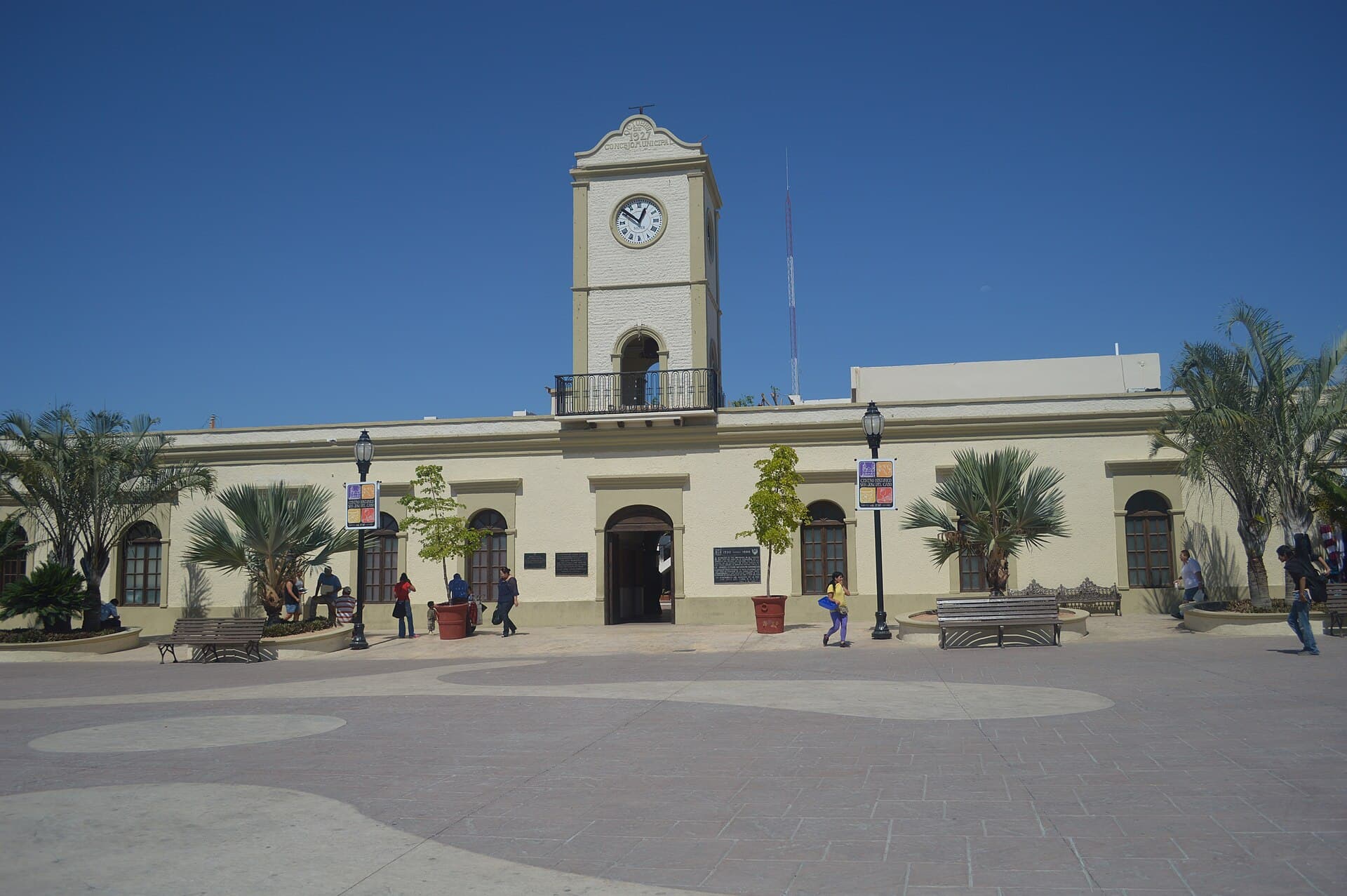
By the second half of the 19th century, San José del Cabo began to develop as a town, spurred by agriculture and livestock. Sugarcane cultivation and brown sugar production were particularly important, shaping the town's economy and leading to the construction of colonial buildings in the downtown area, including the City Hall, which dates to 1891. The early 20th century saw the town continue to grow, with the mission church retaining its missionary style until a powerful hurricane destroyed it in 1917. Construction of the new church, featuring an artistic mosaic depicting Father Tamaral's martyrdom, took decades to complete.

The mid-20th century marked the beginning of exclusive tourism, with Hollywood stars and wealthy travelers arriving for sport fishing. In 1974, Baja California Sur became a state. Today, San José del Cabo is the municipal capital of Los Cabos and continues to be a significant cultural and tourist destination, blending its history with a contemporary art and culinary scene.

What to see

San José del Cabo invites visitors to explore its singular blend of history, art, and natural beauty. The Historic Art District, centered around Plaza Mijares, offers much to see. Here, stone-paved lanes are lined with 18th-century buildings that now house art galleries, garden bistros, and colorful shops selling silver jewelry, wooden sculptures, and hand-painted ceramics. Every Thursday evening from November through June, the district comes alive with the Art Walk, where streets are closed to traffic, and galleries open their doors, often offering wine and opportunities to meet artists.

At the heart of the historic center stands the Mission San José del Cabo Añuití Church, a whitewashed beacon with twin bell towers that dates back to 1730. Its facade, rebuilt in the early 20th century, features a mosaic depicting the martyrdom of its founder. Nearby, the City Hall of San José del Cabo, an impressive building from 1891, is also worth admiring for its colonial architecture.

For nature enthusiasts, the San José del Cabo Estuary is a significant draw. This verdant wetland, where freshwater from the Sierra de la Laguna mountains meets the Sea of Cortez, is a sanctuary for over 200 species of birds, making it a prime spot for birdwatching. Early morning visits are recommended for optimal wildlife viewing. Additionally, several beaches are accessible, with Playa Palmilla and Costa Azul known for their swimmable waters.

Culinary experiences are also a highlight, with farm-to-table restaurants like Flora Farms offering fresh, locally sourced dishes in a unique setting.

When to visit

The ideal time to visit San José del Cabo is generally from November to May. During these months, the weather is sunny, dry, and comfortably warm, with daytime temperatures around 25°C (77°F), making it perfect for outdoor activities and exploration. This period also coincides with the prime whale-watching season, as humpback and gray whales journey to the area. The popular Art Walk occurs on Thursday evenings from November through June. While December is a favored month with a festive atmosphere, it also brings larger crowds. For fewer crowds and good value, consider late spring (May) or late autumn (October and November), when the weather remains pleasant. Summer months (June to August) bring warmer temperatures, higher humidity, and a greater chance of afternoon showers or tropical storms.

Practical

Los Cabos International Airport (SJD) serves San José del Cabo, located approximately 11 kilometers from downtown. While ride-share apps like Uber can drop you off at the airport, they are not permitted to pick up passengers there, so arrange for a clearly identifiable taxi for departures. The local currency is the Mexican Peso, though US dollars are widely accepted. For street vendors and smaller purchases, having pesos is advisable for better exchange rates.

San José del Cabo is considered a very safe destination for tourists, with low crime rates in its main tourist areas, including the downtown, historic arts district, and hotel zones. Minor crimes like pickpocketing are the most common concerns, so exercising common-sense precautions and keeping valuables secure is recommended. The U.S. State Department has a Level 2 advisory for Baja California Sur, similar to many European countries, indicating travelers should exercise increased caution. Remaining in well-lit areas and using trusted transportation at night is always a good practice.

Good to know
What is the Art Walk in San José del Cabo?
The Art Walk is a weekly event held every Thursday evening from November to June in San José del Cabo's Gallery District. Streets are closed to traffic, and art galleries open their doors, often offering refreshments and opportunities to meet artists.
Is San José del Cabo safe for tourists?
Yes, San José del Cabo is considered a very safe destination for tourists, with low crime rates in its main tourist areas. Minor crime is the most common concern, so general precautions like securing valuables are advised.
What is the best way to get around San José del Cabo?
The historic downtown area of San José del Cabo is very walkable, especially during events like the Art Walk when streets are closed to traffic. For longer distances, taxis are readily available.
Can you swim at the beaches in San José del Cabo?
While San José del Cabo has beautiful beaches, many are not suitable for swimming due to strong currents. Playa Palmilla and Costa Azul are known as swimmable public beaches.
What is the San José del Cabo Estuary?
The San José del Cabo Estuary is a freshwater oasis where the Río San José meets the Sea of Cortez. It is a significant ecological reserve, home to over 200 species of birds and other wildlife, making it a popular spot for birdwatching.
What kind of shopping can I do in San José del Cabo?
San José del Cabo offers a variety of shopping, particularly in its Art District, where you will find galleries, boutiques, and shops selling local handicrafts, silver jewelry, and ceramics. There are also local markets like the Mercado Municipal and the Organic Market for fresh produce and artisan goods.
San José del Cabo
From€9.00
No booking · activate anytime · 12h to walk it
Get the key to San José del Cabo