Casa Natal de Sarmiento
Esta no es solo una casa histórica; guarda una conexión inesperada con la identidad nacional argentina.
La historia completa se desbloquea en el tour
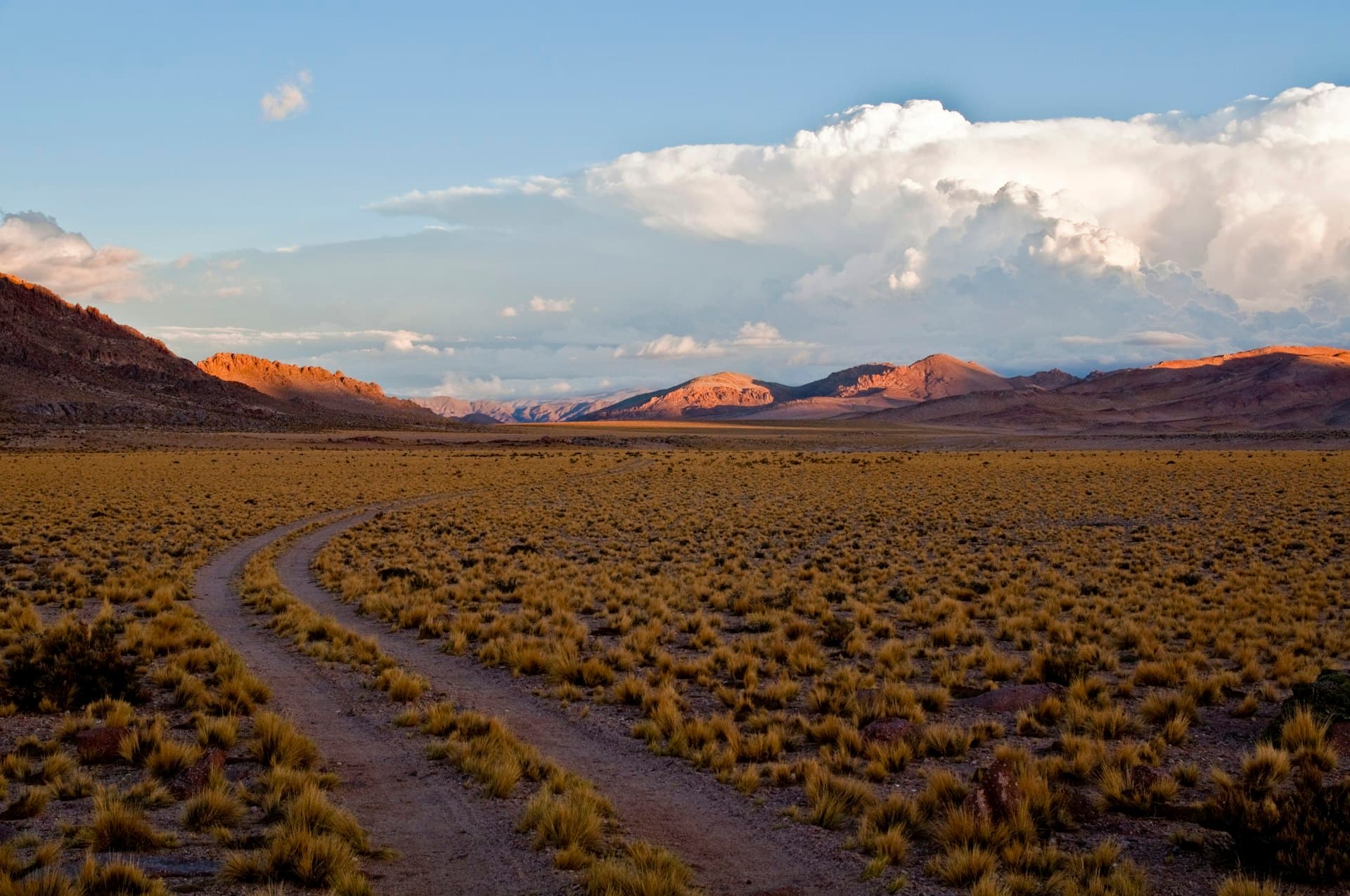 Photo: Mario Rodriguez / Unsplash
Tour de audio autoguiado de San Juan — ruta GPS a pie, reproducción offline, narración en 32 idiomas.
“San Juan: donde los paisajes áridos se encuentran con vinos de clase mundial, bajo algunos de los cielos más claros de la Tierra.”
No las postales. Las historias que ni los locales conocen — al oído, justo donde ocurrieron.
Esta no es solo una casa histórica; guarda una conexión inesperada con la identidad nacional argentina.
Un edificio en San Juan se erige como testimonio de la resistencia de la ciudad frente a una fuerza de la naturaleza que lo transformó todo.
Más allá de su impresionante paisaje diurno, este parque ofrece un secreto celestial que pocos lugares en la Tierra pueden igualar.
Descubre todos los secretos de San Juan
Cada dirección, cada revelación al completo — a tu oído, justo donde ocurrió.
Eliges tus paradas. Caminas. La voz te revela lo que los demás ignoran.


Tu tour de audioguía por San Juan te espera — elige tus lugares, tu idioma y empieza al llegar.
ComprarLume incluye una guía de realidad aumentada. Levanta el móvil y su cámara muestra la calle que tienes delante, con una flecha luminosa sobre la imagen real que siempre apunta a tu próxima parada — sin mapas que descifrar, sin giros equivocados. Como todo en Lume, funciona completamente sin conexión.
San Juan, la capital de la provincia de San Juan en el centro-oeste de Argentina, es una ciudad renacida de las cenizas. Situada en el fértil Valle de Tulum, flanqueada por la majestuosa Cordillera de los Andes, ofrece una mezcla única de planificación urbana moderna y dramáticos paisajes naturales. Conocida como la 'Tierra del Sol', San Juan recibe aproximadamente 300 días de sol al año, lo que proporciona un clima ideal para su floreciente viticultura y actividades al aire libre.
Aunque en gran parte de aspecto contemporáneo debido a la extensa reconstrucción después de un catastrófico terremoto en 1944, San Juan conserva una profunda conexión con su pasado, evidente en sus sitios culturales y el espíritu perdurable de su gente. La ciudad sirve como puerta de entrada a extraordinarias formaciones geológicas, observatorios de gran altitud y una ruta del vino en desarrollo, lo que la convierte en un destino intrigante para quienes buscan aventura y tranquilidad.
San Juan de la Frontera fue establecida el 13 de junio de 1562 por el conquistador español Juan Jufré. Su ubicación inicial a lo largo del río San Juan resultó problemática debido a las frecuentes inundaciones, lo que llevó a su reubicación aproximadamente 2.5 kilómetros al sur en 1593 a su sitio actual. Durante siglos, San Juan siguió siendo una tranquila ciudad provincial, centrada principalmente en la agricultura, particularmente la viticultura y la producción de frutas secas, dentro de la región de Cuyo.
En 1776, el control de San Juan pasó de la capitanía general de Chile al Virreinato del Río de la Plata, y para 1825, declaró su estatus de provincia. La ciudad desempeñó un papel pequeño pero significativo en la independencia de Argentina, con figuras como Francisco Narciso de Laprida, presidente del Congreso de Tucumán de 1816, oriundo de San Juan. Domingo Faustino Sarmiento, un prominente educador argentino y futuro presidente, también nació aquí en 1811, y su lugar de nacimiento es ahora un monumento nacional.
La historia de San Juan está profundamente marcada por la actividad sísmica. La ciudad ha sido el epicentro de graves terremotos en 1776, 1944 y 1977. El terremoto de 1944, un evento de magnitud 7.4, fue particularmente devastador, destruyendo el 80% de la ciudad y causando aproximadamente 10,000 muertes, convirtiéndolo en uno de los eventos sísmicos más mortíferos en la historia argentina. Esta tragedia llevó a una reconstrucción completa de San Juan, resultando en su apariencia moderna con amplias avenidas arboladas y arquitectura resistente a terremotos. Los esfuerzos de reconstrucción también impulsaron la creación de instituciones como el IDIA, dedicado al análisis de efectos sísmicos en la construcción.
Hoy, San Juan es la segunda provincia productora de vino más grande de Argentina, reconocida por sus Syrah, Malbec y otras variedades, que prosperan en el clima árido gracias al riego de los ríos San Juan y Jáchal. Continúa evolucionando, mezclando su resiliencia histórica con un enfoque prospectivo hacia el turismo, enfatizando sus maravillas naturales y patrimonio cultural.
Comience su exploración en la Plaza 25 de Mayo, la plaza principal de la ciudad, un espacio verde para relajarse y observar a la gente, con estatuas de Domingo Faustino Sarmiento y Fray Justo Santa María. Cerca, visite la Casa Natal de Sarmiento, un Monumento Histórico Nacional que ofrece un vistazo a la vida del influyente expresidente y educador. Para una comprensión más profunda del pasado de la ciudad y su historia sísmica, el Museo de la Memoria Urbana ofrece fotografías y exposiciones que detallan el terremoto de 1944 y la posterior reconstrucción de San Juan.
Fuera de la ciudad, la Ruta del Olivo San Juan invita a los visitantes a explorar la producción de aceite de oliva, mientras que numerosas bodegas ofrecen catas de vino, mostrando el Syrah y Malbec de la región. Un corto trayecto en coche lleva a la Quebrada de Dique Ullum, un embalse popular para deportes acuáticos y vistas panorámicas con un telón de fondo montañoso. Para una experiencia verdaderamente de otro mundo, aventúrese al Parque Provincial Ischigualasto, también conocido como Valle de la Luna, un sitio declarado Patrimonio de la Humanidad por la UNESCO, reconocido por sus distintivas formaciones geológicas y fósiles de dinosaurios. Finalmente, el Parque Nacional El Leoncito ofrece excepcionales oportunidades de observación de estrellas en sus observatorios astronómicos de renombre mundial.
San Juan experimenta un clima semiárido con veranos calurosos e inviernos suaves. Los momentos más agradables para visitar para disfrutar de un clima agradable y actividades al aire libre son desde principios de febrero hasta mediados de abril y desde mediados de octubre hasta finales de diciembre, con un pico en la tercera semana de marzo. La primavera (septiembre a noviembre) ofrece temperaturas cálidas, mientras que el verano (diciembre a febrero) puede ser intensamente caluroso, a menudo superando los 35°C (95°F), aunque también es cuando tienen lugar muchos festivales locales. El invierno (junio a agosto) trae días más frescos y noches frías, con heladas ocasionales. San Juan celebra la Fiesta Nacional del Sol durante cinco días en la última semana de febrero.
San Juan está bien conectada por aire, con un aeropuerto comercial en la capital que recibe vuelos de pasajeros, principalmente de Aerolíneas Argentinas. La provincia también es accesible en autobús y por rutas bien mantenidas desde varias partes de Argentina y el vecino Chile. A menudo se recomienda alquilar un coche para explorar la provincia a su propio ritmo, especialmente para llegar a las atracciones naturales más remotas.
Dado el clima semiárido, es aconsejable llevar varias capas de ropa. Ropa ligera y transpirable, un sombrero y gafas de sol son esenciales para la protección solar durante los meses más cálidos. Incluso en invierno, aunque los días pueden ser frescos, las noches suelen ser frías, por lo que son necesarias chaquetas y jerséis abrigados. San Juan observa la siesta, con la mayoría de las tiendas, oficinas públicas y bancos cerrando aproximadamente de 13:30 a 17:00. Planifique sus recados en consecuencia y adopte la costumbre local de descansar durante estas horas.
San Juan en coreano, en chino o en hebreo — y 29 idiomas más, cada parada narrada por una voz nativa. La mayor variedad de idiomas de cualquier audioguía autoguiada.
Disponible en: