Real Mosteiro de San Lorenzo de El Escorial
Sob a grandiosidade da basílica, uma câmara menos conhecida guarda um segredo sobre a linhagem real.
História completa desbloqueada no tour
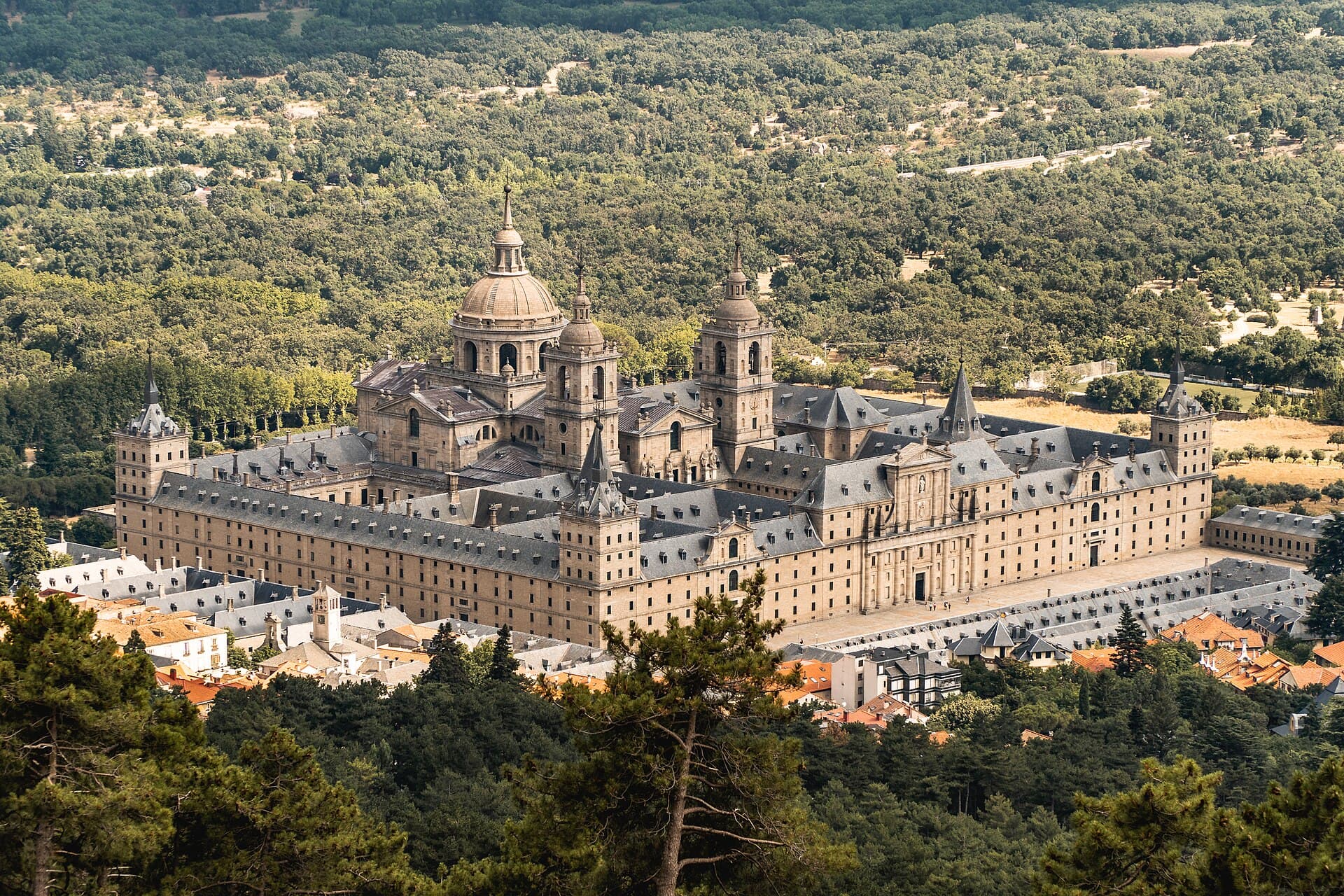 Zvonimir Stamenov / CC BY-SA 4.0, via Wikimedia Commons
Tour de áudio autoguiado por San Lorenzo de El Escorial — rota GPS a pé, reprodução offline, narração envolvente em 32 idiomas.
“Onde a dor de um rei construiu uma maravilha do mundo.”
Não os postais. As histórias que nem os locais conhecem — sussurradas ao seu ouvido, exatamente onde aconteceram.
Sob a grandiosidade da basílica, uma câmara menos conhecida guarda um segredo sobre a linhagem real.
Até um rei que governou um império tinha um espaço privado surpreendentemente humilde, revelando um hábito pessoal peculiar.
Além de sua vasta coleção de textos antigos, esta biblioteca possui uma característica arquitetônica única projetada para proteger seus bens mais valiosos.
Descubra cada segredo de San Lorenzo de El Escorial
Cada endereço, cada revelação na íntegra — no seu ouvido, exatamente onde aconteceu.
Você escolhe as suas paragens. Você caminha. A voz revela o que os outros perdem.


O seu tour áudio autoguiado de San Lorenzo de El Escorial está pronto — escolha os seus pontos de interesse, selecione o seu idioma e comece no momento em que chegar.
ComprarA Lume inclui um guia de realidade aumentada. Levante o telemóvel: a câmara mostra a rua à sua frente, com uma seta luminosa sobreposta à imagem real que aponta sempre para a sua próxima paragem — sem mapa para decifrar, sem voltas erradas. Como tudo na Lume, funciona totalmente offline.
San Lorenzo de El Escorial, situado na Sierra de Guadarrama, é mais do que apenas uma cidade; é o cenário de um complexo monumental que personifica o poder e a piedade da Espanha do século XVI. Este Patrimônio Mundial da UNESCO, o Real Mosteiro de San Lorenzo de El Escorial, domina a paisagem, um testemunho colossal da visão de Filipe II. Concebido como um mosteiro, palácio real, basílica, panteão, biblioteca e museu, foi projetado para comemorar a vitória espanhola na Batalha de São Quintino em 1557 e para servir como local de sepultamento de seu pai, Carlos V.
A escala impressionante e a arquitetura austera de granito de El Escorial podem parecer imponentes, mas dentro de suas paredes reside uma mistura cativante de arte, história e intriga real. Dos opulentos Apartamentos do Rei ao solene Panteão Real, onde os monarcas espanhóis são sepultados, o complexo oferece uma jornada profunda a uma era crucial da história europeia. A cidade circundante, embora menor, oferece uma base agradável para explorar o monumento e desfrutar do ar puro da montanha.
A história de El Escorial começa com uma promessa solene. Após a vitória espanhola sobre os franceses na Batalha de São Quintino em 10 de agosto de 1557, Filipe II jurou construir um mosteiro dedicado a São Lourenço, em cujo dia a batalha foi vencida. Este ato de devoção também estava entrelaçado com uma busca mais pessoal: criar um local de sepultamento adequado para seu pai, o Imperador Carlos V, e para si mesmo e seus sucessores.
A construção começou em 1563 sob a direção de Juan Bautista de Toledo, um aluno de Michelangelo. Após sua morte em 1567, Juan de Herrera assumiu, dando ao complexo seu estilo Herreriano distintivo – uma estética austera e clássica caracterizada por granito, telhados de ardósia e ornamentação mínima. Essa escolha arquitetônica refletia a própria personalidade austera de Filipe II e os ideais da Contrarreforma da época. O edifício foi amplamente concluído em 1584, uma façanha notável para sua época.
El Escorial serviu como centro do vasto Império Espanhol durante o reinado de Filipe II. De seus modestos aposentos, o rei governou um domínio global, debruçando-se sobre documentos e tomando decisões que moldaram o curso da história. Foi aqui que ele cultivou sua imensa biblioteca, repleta de manuscritos preciosos e instrumentos científicos, refletindo a curiosidade intelectual da época. O complexo também funcionou como um importante centro religioso, abrigando uma comunidade de monges hieronimitas que mantinham o mosteiro e suas instituições associadas. Ao longo dos séculos, El Escorial continuou a ser uma residência real e local de sepultamento, com monarcas subsequentes adicionando seus próprios toques, embora sempre respeitando a visão original de Filipe II.
O Real Mosteiro de San Lorenzo de El Escorial é a peça central inegável. Comece sua exploração na Basílica, uma estrutura grandiosa e imponente que serve como o coração espiritual do complexo. Abaixo dela, o Panteão Real é uma câmara circular sombria e magnífica onde reis e rainhas espanhóis são sepultados. Não negligencie o Panteão dos Infantes, um cemitério separado para príncipes, princesas e rainhas não reinantes.
Os Apartamentos do Rei pessoais de Filipe II oferecem um vislumbre de seu estilo de vida surpreendentemente espartano, contrastando acentuadamente com a grandiosidade das salas de estado. As Salas do Capítulo exibem uma coleção de arte, incluindo obras de El Greco, Ticiano e Velázquez. A Biblioteca é um espaço notável, renomado por seus tetos afrescados e vasta coleção de manuscritos antigos, muitos exibidos com as bordas voltadas para fora.
Fora do complexo principal, considere um passeio pelos Jardins dos Frades para vistas serenas do mosteiro. Para vistas panorâmicas de El Escorial e da paisagem circundante, dirija-se à Cadeira de Filipe II (Silla de Felipe II), uma formação rochosa natural que se acredita ser um ponto de observação de onde o rei supervisionava a construção.
As épocas ideais para visitar San Lorenzo de El Escorial são a primavera (abril a junho) e o outono (setembro a outubro). Durante esses meses, o clima é agradável para explorar, com temperaturas confortáveis e menos multidões do que na alta temporada de verão. O verão pode ser bastante quente, embora a altitude ofereça algum alívio. Os invernos são mais frios e podem ser bastante rigorosos, mas oferecem uma experiência mais tranquila do monumento.
San Lorenzo de El Escorial é facilmente acessível a partir de Madri. Você pode pegar um trem direto das estações Atocha ou Chamartín até a estação El Escorial, seguido por um curto trajeto de ônibus ou caminhada até o mosteiro. Alternativamente, ônibus partem regularmente do intercâmbio de Moncloa em Madri diretamente para San Lorenzo de El Escorial.
Use sapatos confortáveis, pois você caminhará bastante dentro do vasto complexo do mosteiro e, possivelmente, pela cidade. Reserve pelo menos meio dia, se não um dia inteiro, para apreciar totalmente o mosteiro. Os ingressos podem ser comprados online com antecedência para evitar filas, especialmente durante a alta temporada. A fotografia é geralmente restrita em muitas partes do mosteiro.
San Lorenzo de El Escorial — coreano, chinês, hebraico e mais 29 idiomas, cada parada narrada por uma voz nativa. A maior variedade de idiomas entre os passeios de áudio autoguiados.
Disponível em: