Terrazas del Portezuelo
San Luis ist führend bei nachhaltiger Energie, und eines seiner beeindruckendsten architektonischen Meisterwerke versorgt sogar die Regierung mit Strom.
Die ganze Geschichte wird in der Tour freigeschaltet
 Enrique Guardia / CC BY-SA 4.0, via Wikimedia Commons
Selbstgeführte Audio-Walking-Tour durch San Luis — GPS-Route, Offline-Wiedergabe, erzählerische Narration in 32 Sprachen.
“Wo trockene Ebenen auf Bergflüstern treffen und Innovation unter einem grenzenlosen Himmel blüht.”
Nicht die Postkarten. Die Geschichten, die selbst Einheimische nicht kennen – dir ins Ohr geflüstert, genau dort, wo sie geschahen.
San Luis ist führend bei nachhaltiger Energie, und eines seiner beeindruckendsten architektonischen Meisterwerke versorgt sogar die Regierung mit Strom.
Dieses ruhige Bergdorf birgt eine überraschende Vergangenheit, die mit einem Edelmetall und einem modernen Streben nach grünem Leben verbunden ist.
Sie glauben vielleicht, Empanadas zu kennen, aber San Luis bietet eine besondere Variante dieses argentinischen Grundnahrungsmittels, die seine regionalen Aromen widerspiegelt.
Entdecke jedes Geheimnis von San Luis
Jede Adresse, jede Enthüllung vollständig – in deinem Ohr, genau dort, wo es geschah.
Du wählst deine Stationen. Du gehst. Die Stimme enthüllt, was andere übersehen.


Deine selbstgeführte Audio-Tour durch San Luis ist bereit – wähle deine Sehenswürdigkeiten, deine Sprache und starte, sobald du ankommst.
KaufenLume enthält einen integrierten Augmented-Reality-Guide. Halten Sie Ihr Handy hoch: Die Kamera zeigt die Straße vor Ihnen, mit einem leuchtenden Pfeil über dem echten Bild, der immer auf Ihren nächsten Stopp zeigt — keine Karte zum Rätseln, keine falschen Abzweigungen. Wie alles bei Lume funktioniert es komplett offline.
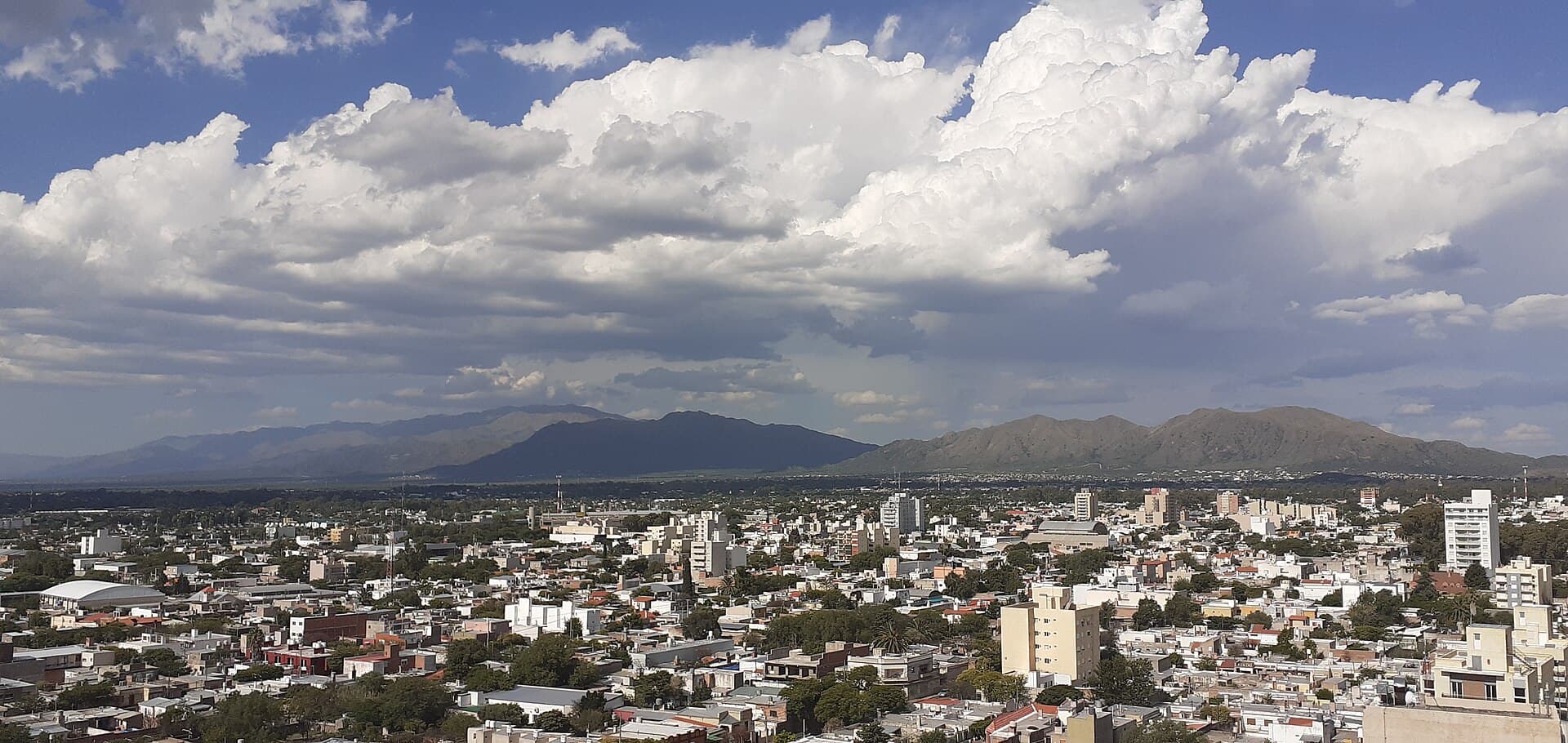
San Luis, die Hauptstadt seiner gleichnamigen Provinz in Argentiniens Cuyo-Region, bietet eine überzeugende Mischung aus historischer Tiefe und zukunftsorientierter Innovation. Am Fuße der Sierras Grandes und entlang des Flusses Chorrillos gelegen, weicht das trockene Pampa-Plateau der Stadt dramatischen Berglandschaften. Die Bewohner, die liebevoll als 'Puntanos' bezeichnet werden – eine Anspielung auf den ursprünglichen Kolonialnamen der Stadt, San Luis de la Punta de los Venados, der auf die 'Spitze der Hirsche' am Ende des Gebirges und die Hirschpopulation der Region verweist –, verkörpern eine einzigartige regionale Identität.
Über seine historischen Wurzeln hinaus ist San Luis eine Stadt, die Modernität und Nachhaltigkeit umarmt. Sie ist bekannt für ihren fortschrittlichen Ansatz in Bezug auf Konnektivität und Umweltinitiativen, was sie zu einem unverwechselbaren Reiseziel in Argentinien macht. Von neoklassizistischer Architektur bis hin zu modernen ökologischen Regierungsgebäuden bietet San Luis ein dynamisches Stadterlebnis, das von der beeindruckenden natürlichen Schönheit der Provinz mit ihren üppigen Tälern, sanften Hügeln und sogar alten Felsformationen eingerahmt wird.
Die Ursprünge von San Luis reichen bis zum 25. August 1594 zurück, als Luis Jufré de Loaysa y Meneses eine Siedlung gründete, die wahrscheinlich San Luis de Loyola Nueva Medina de Río Seco hieß. Dieser erste Versuch war jedoch von kurzer Dauer, da die Siedlung wegen Wassermangels und der ständigen Bedrohung durch indigene Stämme aufgegeben wurde. Sie wurde 1632 von Martín García Oñez de Loyola erneut unter einem ähnlich langen Namen, San Luis de Loyola Nueva Medina de Río Seco, wiedergegründet. Die strategische Lage der Stadt an der Südspitze des Gebirges Sierra de San Luis, einem Punkt, der als 'Punta de los Venados' (Hirschspitze) bekannt ist, war entscheidend. Sie bot Zugang zu Frischwasser in einer halbtrockenen Region und diente als wichtiger Verkehrsknotenpunkt auf der Handelsroute, die Chile und die Cuyo-Region mit Buenos Aires verband.
Während der Kolonialzeit blieb San Luis eine Grenzansiedlung, die häufig von indigenen Gruppen wie den Puelches und Pehuenches angegriffen wurde. Ihre Wirtschaft war hauptsächlich agrarisch geprägt, wobei der Weinanbau, der Obstbau (insbesondere Feigen) und die Viehzucht wichtige Aktivitäten waren. Die Entwicklung der Stadt wurde durch den Mangel an reichlich Schmelzwasser aus den Anden oder die erhöhte Niederschlagsmenge der feuchteren Pampa etwas behindert.
Das späte 19. und frühe 20. Jahrhundert markierten eine Periode bedeutenden Wachstums. Bis 1882 erreichte die Argentine Great Western Railway San Luis und verband die Stadt mit wichtigen Zentren, was die wirtschaftliche Expansion förderte. In dieser Zeit wurden auch monumentale Gebäude im neoklassizistischen und eklektischen Stil errichtet, darunter die neoklassizistische Kathedrale von San Luis, deren Bau 1883 begann, und das von der französischen Renaissance inspirierte Gouverneursgebäude, das 1911 fertiggestellt wurde. Nach den 1960er Jahren folgte ein schnelles Bevölkerungswachstum, angetrieben durch die Abwanderung von Leichtindustrie und Rentnern in die Region. Das moderne San Luis entwickelt sich weiter, mit einem Schwerpunkt auf der Integration von Technologie und Natur in seiner Architektur, wie in Projekten zu sehen ist, die Glas, Stahl und Solarpaneele verwenden und sich harmonisch in die umliegende Berglandschaft einfügen.
Beginnen Sie Ihre Erkundung im Stadtzentrum auf der Plaza Pringles, einem historischen Kern, der von bedeutenden Gebäuden umgeben ist, darunter die neoklassizistische Kathedrale von San Luis mit ihren beiden Glockentürmen. Von hier aus können Sie zum Plaza de la Independencia schlendern, der ein Denkmal für General José de San Martín, eine Schlüsselfigur der argentinischen Unabhängigkeit, beherbergt. Der Platz ist auch ein guter Ort, um Kolonialarchitektur zu beobachten.
Für einen tieferen Einblick in die regionale Geschichte und Kultur besuchen Sie das MUHSAL Historische Museum von San Luis (Museo Historico de San Luis), das die Geschichte der Ureinwohner und Migrationswellen zeigt. Eine weitere Option ist das Museo Dora Ochoa de Masramón, das sich auf Naturgeschichte und Archäologie konzentriert.
Etwas außerhalb der Stadt bietet das Pueblo Memorial Puntano eine landschaftlich gestaltete Stätte mit einer großen Skulptur, die an die Teilnehmer der Unabhängigkeitsrevolution aus San Luis erinnert. Für Outdoor-Enthusiasten ist eine kurze Fahrt zum See Potrero de los Funes möglich, einem malerischen Stausee, der sich ideal zum Bootfahren und Schwimmen eignet. Weiter entfernt, etwa 122 km nordwestlich, liegt der Nationalpark Sierra de las Quijadas, wo Sie durch rote Felsenschluchten wandern und Dinosaurierspuren beobachten können.
San Luis genießt ein warmgemäßigtes Klima, das sich durch heiße, relativ feuchte Sommer und kühle, trockene und sonnige Winter auszeichnet. Die Stadt verzeichnet jährlich rund 330 Sonnentage, was zu ihrem Ruf als eines der besten Mikroklimata der Welt beiträgt.
Die ideale Zeit für allgemeine Outdoor-Aktivitäten sind die Übergangsjahreszeiten: Mitte Oktober bis Mitte April, mit einem Höhepunkt im März, oder speziell April (Herbst) und September (Frühling). In diesen Monaten sind die Temperaturen mild und angenehm, was Erkundungen komfortabel macht. Die Sommer (Dezember bis Februar) sind heiß, mit durchschnittlichen Tageshöchsttemperaturen über 28 °C (82 °F), während die Winter (Juni bis August) kühl und trocken sind, mit durchschnittlichen Tageshöchsttemperaturen unter 19 °C (66 °F). Im Winter kann es in der Stadt gelegentlich schneien, in den Bergen häufiger.
Die lokale Währung in San Luis ist der Argentinische Peso (ARS). Während große Hotels und Restaurants oft Kreditkarten akzeptieren, wird Bargeld in kleineren Geschäften und ländlichen Gebieten bevorzugt. Geldautomaten sind verfügbar, aber seien Sie sich möglicher niedriger Abhebungslimits und hoher Transaktionsgebühren bewusst. Trinkgeld von etwa 10 % in Restaurants ist bei gutem Service üblich.
San Luis gilt im Allgemeinen als sichere Stadt, insbesondere in gut beleuchteten Bereichen wie Alleen und Hauptplätzen. Dennoch sind Standardvorkehrungen ratsam, wie z. B. das Vermeiden der Zurschaustellung teurer Gegenstände bei Nacht und das Aufhalten in belebten Gegenden. Für nächtliche Transporte wird empfohlen, Remises (private Funk-Taxis), die von einem Restaurant oder einer Bar gerufen werden, oder eine seriöse mobile App zu nutzen, um Sicherheit und Festpreise zu gewährleisten.
Die Stromversorgung in San Luis erfolgt mit 230 V / 50 Hz und verwendet Steckdosen vom Typ I. Reisende aus Ländern mit anderen Standards (z. B. 110 V in den Vereinigten Staaten) benötigen einen Reisesteckeradapter und einen Spannungswandler. Geschäfte haben in der Regel eine Siesta-Pause, öffnen gegen 9:00 Uhr, schließen zwischen 13:00 und 17:00 Uhr und öffnen wieder bis 21:00 Uhr oder später, obwohl große Supermärkte und Einkaufszentren normalerweise den ganzen Tag geöffnet bleiben.
San Luis — Koreanisch, Chinesisch, Hebräisch und 29 weitere Sprachen, jede Station von einer muttersprachlichen Stimme erzählt. Die größte Sprachauswahl aller selbstgeführten Audiotouren.
Verfügbar auf: