Plaza de Armas
L'imponente palco nella piazza principale di San Luis Potosí, costruito nel 1947, sembra una reliquia coloniale, ma la sua vera storia è un po' più recente.
La storia completa si sblocca nel tour
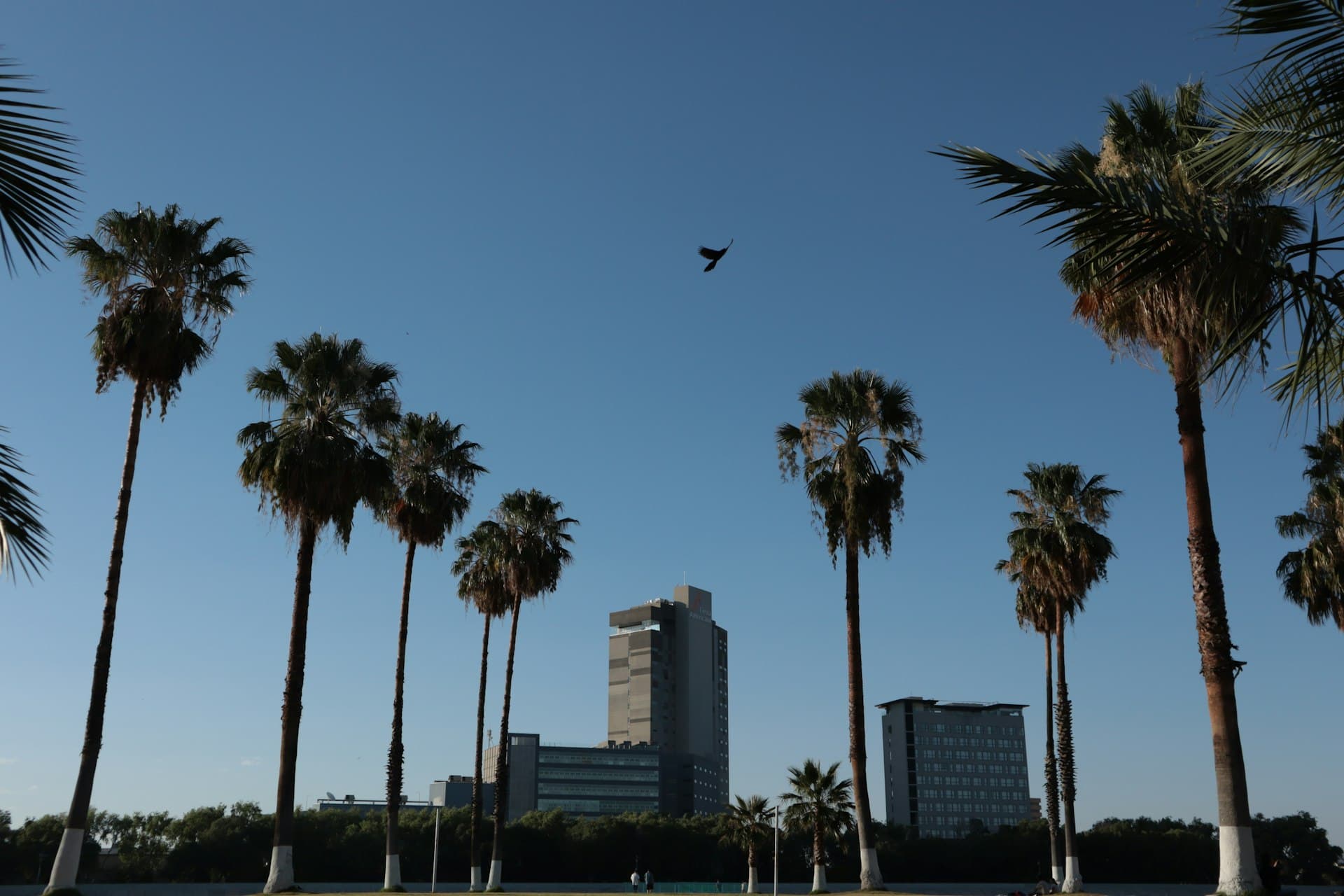 Photo: gus / Unsplash
Tour audio autoguidato di San Luis Potosí — percorso GPS a piedi, riproduzione offline, narrazione coinvolgente in 32 lingue.
“Dove il fasto coloniale incontra sogni surrealisti e acque a cascata.”
Non le cartoline. Le storie che nemmeno i locali conoscono — sussurrate nel tuo orecchio, proprio dove sono accadute.
L'imponente palco nella piazza principale di San Luis Potosí, costruito nel 1947, sembra una reliquia coloniale, ma la sua vera storia è un po' più recente.
Il 'Potosí' in San Luis Potosí si riferisce a una città mineraria lontana e incredibilmente ricca, un confronto che rivela le speranze originali per questo insediamento messicano.
Questo edificio suggestivo, ora municipio, ebbe uno scopo iniziale sorprendente che parla dei tempi turbolenti della sua storia iniziale.
Scopri ogni segreto di San Luis Potosí
Ogni indirizzo, ogni rivelazione completa — nel tuo orecchio, proprio dove è accaduta.
Scegli le tue tappe. Cammini. La voce rivela ciò che gli altri perdono.
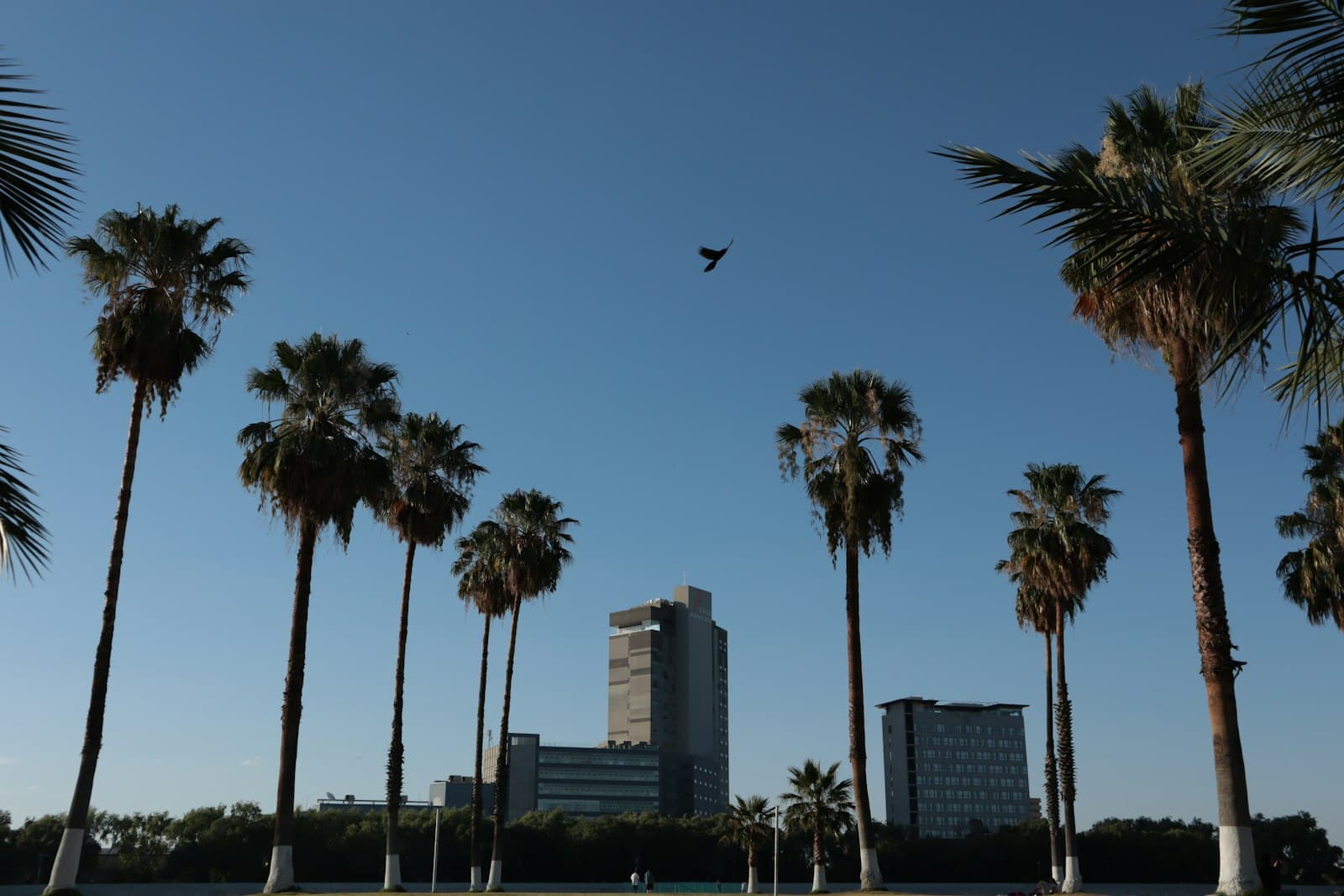
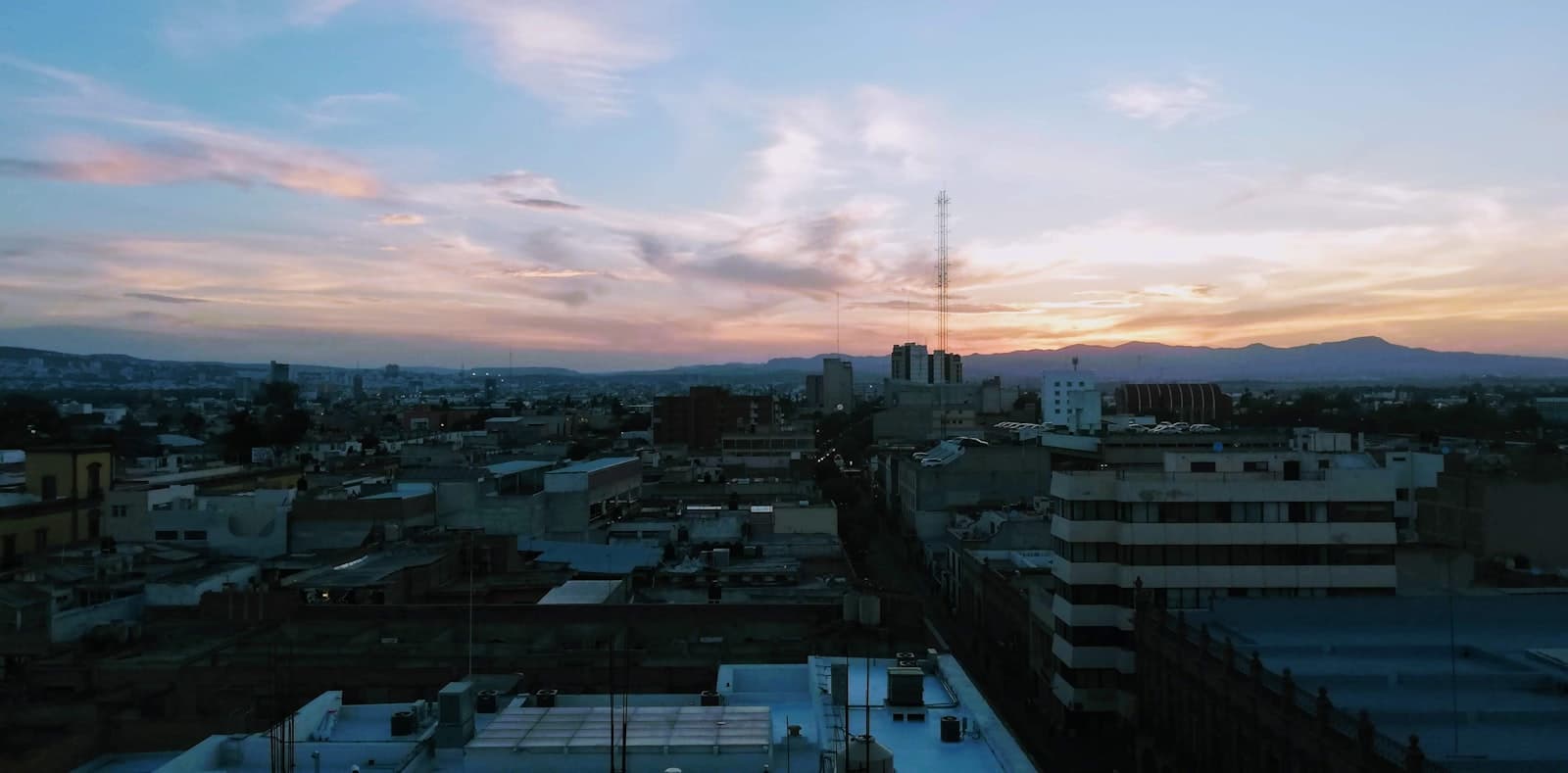
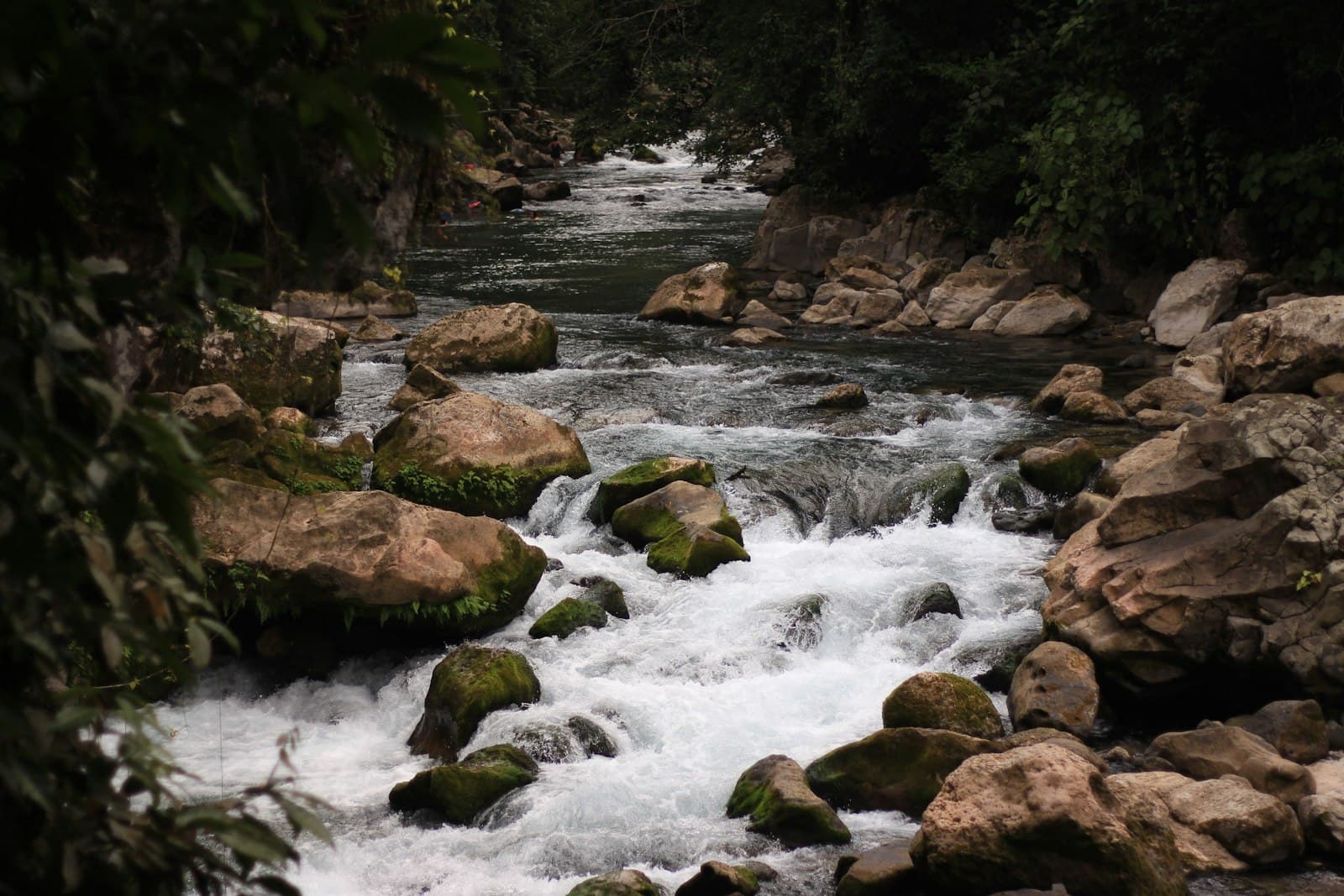
Il tuo tour audio autoguidato di San Luis Potosí è pronto — scegli i tuoi punti di interesse, seleziona la tua lingua e inizia nel momento in cui arrivi.
AcquistaLume include una guida in realtà aumentata. Alza il telefono: la fotocamera mostra la strada davanti a te, con una freccia luminosa sovrapposta all'immagine reale che punta sempre verso la tua prossima tappa — nessuna mappa da decifrare, nessuna svolta sbagliata. Come tutto in Lume, funziona completamente offline.
San Luis Potosí, spesso abbreviato in SLP, è una città nel Messico centrale che offre un affascinante mix di storia coloniale, cultura vivace e paesaggi naturali straordinari. Il suo centro storico, Patrimonio dell'Umanità UNESCO, è caratterizzato da grandi piazze, chiese ornate ed eleganti palazzi, che riflettono secoli di prosperità derivante dal suo passato minerario.
Oltre allo splendore architettonico della città, lo stato di San Luis Potosí si apre su diversi ecosistemi, dalle aride montagne desertiche alla lussureggiante regione ricca di cascate della Huasteca Potosina. Questa geografia unica offre un netto contrasto, invitando i viaggiatori a esplorare sia il fascino urbano che emozionanti avventure all'aria aperta.
San Luis Potosí è una destinazione che premia coloro che cercano un'autentica esperienza messicana, lontano dalle rotte turistiche più affollate. È un luogo dove la tradizione incontra la vita moderna, offrendo una ricca varietà di sapori, suoni e panorami.
Prima dell'arrivo degli spagnoli, il territorio di San Luis Potosí era abitato da vari gruppi indigeni, tra cui le tribù nomadi Otomi e Chichimeca nelle aree settentrionali e centro-occidentali. Le regioni meridionali e orientali erano occupate dai regni Otomi e Huastec.
La città di San Luis Potosí fu ufficialmente fondata il 3 novembre 1592, a seguito della scoperta di ricchi giacimenti d'oro e d'argento nelle vicine montagne del Cerro de San Pedro. La mancanza d'acqua nel sito minerario portò alla creazione di un insediamento in una fertile valle, che divenne l'odierna San Luis Potosí. La città fu chiamata così in onore di Luigi IX di Francia (San Luis Rey de Francia) e fu aggiunto 'Potosí' nella speranza di rivaleggiare con la ricchezza delle famose miniere d'argento di Potosí, Bolivia.
Durante il XVII e XVIII secolo, San Luis Potosí fiorì come un importante centro minerario della Nuova Spagna. La ricchezza generata dall'estrazione mineraria alimentò la costruzione di magnifici edifici e attirò vari ordini religiosi—Francescani, Agostiniani e Gesuiti—che fondarono monasteri, chiese e scuole, plasmando lo stile architettonico barocco distintivo della città.
Il XIX secolo portò sconvolgimenti politici a San Luis Potosí. La città si unì al movimento d'indipendenza nel 1821 e nel 1824 divenne la capitale del nuovo stato libero e sovrano. Durante la guerra messico-americana (1846–1847), lo stato guadagnò il soprannome di "San Luis de la Patria" per i suoi contributi. In particolare, durante l'intervento francese nel 1863, la città di San Luis Potosí servì brevemente come capitale del paese sotto il presidente Benito Juárez.
Il XX secolo segnò un passaggio verso l'industrializzazione, con San Luis Potosí che divenne un centro leader per l'industria automobilistica. Oggi, il centro storico della città è riconosciuto come Patrimonio dell'Umanità UNESCO, preservando il suo fascino coloniale. Lo stato abbraccia anche il suo diversificato patrimonio culturale, inclusa la vivace cultura Huasteca, riflessa nella sua musica, danza e cucina.
San Luis Potosí offre una ricchezza di attrazioni, dall'architettura storica alle meraviglie naturali. Inizia la tua esplorazione nella Plaza de Armas, la piazza principale della città, adornata da alberi di magnolia e flamboyán e dotata di un elegante palco per concerti. Ai lati della piazza si ergono l'imponente Cattedrale Metropolitana del XVIII secolo e il Palacio de Gobierno, dove un tempo governava il presidente Benito Juárez.
A pochi passi si trova la Plaza del Carmen, sede del Templo del Carmen, una chiesa barocca del XVIII secolo con una cupola piastrellata multicolore. Sempre in questa zona si trovano il Teatro de la Paz, un opulento teatro degli anni '90 dell'Ottocento, e il Museo Nacional de la Máscara, dedicato all'arte delle maschere messicane. Da non perdere il Museo Federico Silva, che espone sculture contemporanee.
Per un cambio di scenario, avventurati nella regione della Huasteca Potosina, nota per le sue spettacolari cascate, le lussureggianti foreste e le piscine naturali. Tra i punti salienti spiccano l'imponente Cascata di Tamul, le serene Cascate di Tamasopo e il giardino surrealista di Las Pozas a Xilitla, creato da Edward James. La città fantasma di Real de Catorce, un ex centro minerario d'argento tra le montagne desertiche, offre un'esperienza storica unica.
San Luis Potosí gode di un clima generalmente piacevole, semi-arido e temperato durante tutto l'anno, senza caldo estremo o freddo intenso. La stagione calda va da inizio aprile a metà giugno, con maggio che è il mese più caldo, con una media di 28°C. La stagione fresca va da fine novembre a inizio febbraio, con gennaio che è il più freddo, con una media di 5°C di notte. La stagione secca va da novembre ad aprile, offrendo giornate soleggiate e piogge minime, rendendola ideale per passeggiate ed escursioni. La stagione delle piogge si verifica da maggio a ottobre, con luglio che registra le maggiori precipitazioni, solitamente sotto forma di brevi acquazzoni pomeridiani. Per attività all'aperto con clima caldo, è consigliato il periodo da fine aprile a metà giugno. Se il tuo itinerario si concentra sulle cascate della Huasteca Potosina, l'inverno o qualsiasi periodo tra marzo e giugno è il migliore, poiché le piogge estive possono causare inondazioni e forti correnti.
San Luis Potosí è servita dall'Aeroporto Internazionale Ponciano Arriaga (SLP), con voli diretti da alcune città statunitensi e collegamenti da Città del Messico e altri hub messicani. Dall'aeroporto, sono disponibili trasferimenti privati, servizi di autista di lusso e navette per raggiungere il centro città, a circa 11 km di distanza.
All'interno della città, il trasporto pubblico è principalmente su autobus, che collegano varie aree. Sono disponibili anche servizi di ride-sharing come Uber, comodi e pratici. Per esplorare la regione della Huasteca Potosina, noleggiare un'auto, preferibilmente con un'elevata altezza da terra, offre la massima flessibilità, sebbene siano disponibili anche tour organizzati da Ciudad Valles.
Sebbene generalmente considerata sicura, soprattutto nella capitale, è sempre saggio usare cautela, in particolare in alcuni quartieri e sulle autostrade rurali di notte. Il Dipartimento di Stato USA consiglia maggiore cautela nello stato a causa di attività criminali, sebbene queste siano spesso localizzate e raramente interessino i viaggiatori stranieri. Controlla sempre gli avvisi di viaggio aggiornati. La valuta locale è il Peso Messicano (MXN).
San Luis Potosí — coreano, cinese, ebraico e altre 29 lingue, ogni tappa narrata da una voce madrelingua. La più ampia scelta di lingue tra i tour audio autoguidati.
Disponibile in: