Horti Leonini
За формальным дизайном эпохи Возрождения Ортика Леонинского скрывается намеренный выбор, отличающий его от почти всех других садов той эпохи.
Полная история открывается в туре
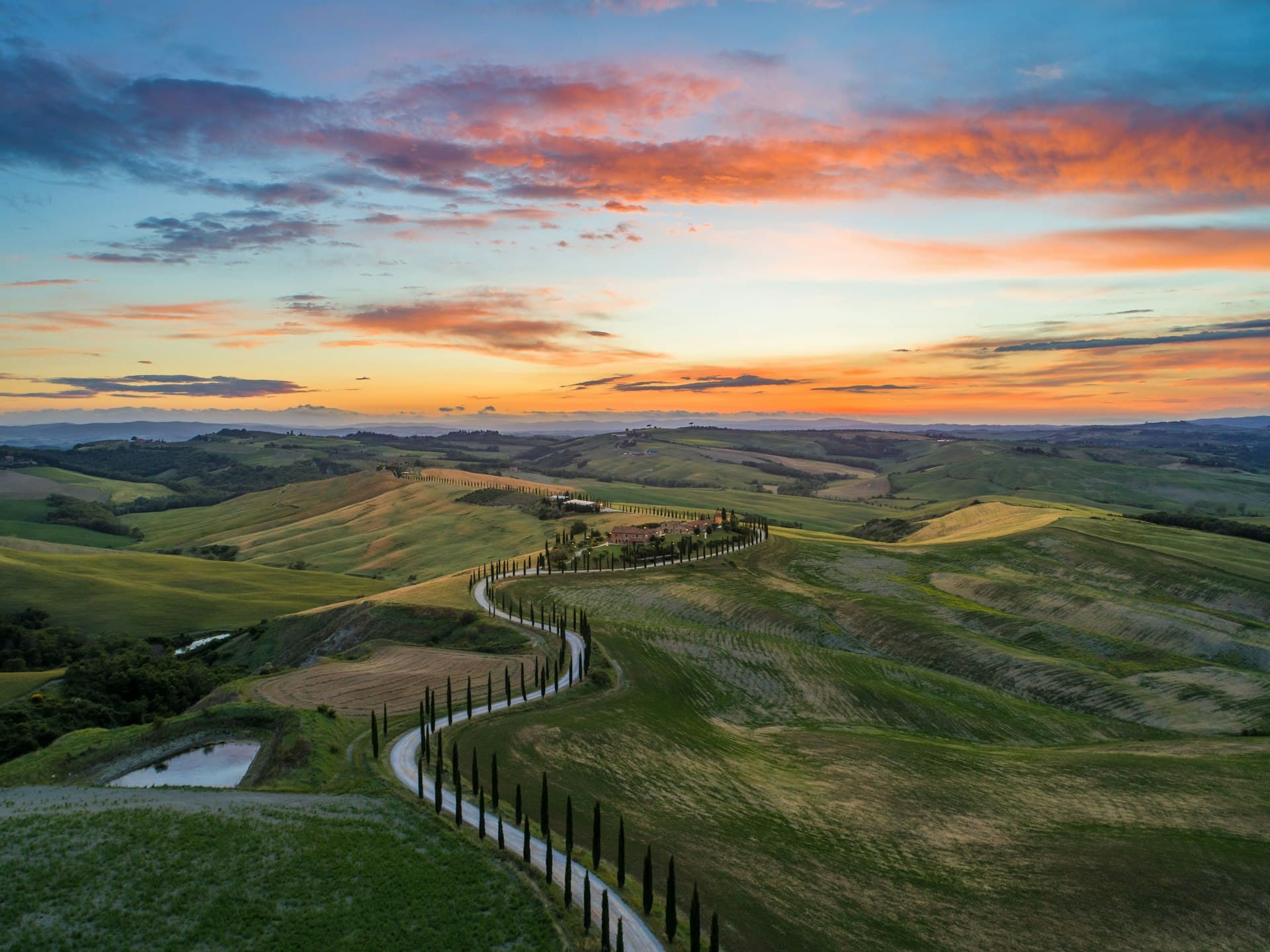 Photo: Luca Micheli / Unsplash
Самостоятельная аудиопрогулка по Сан-Квирико-д'Орча — GPS-маршрут, офлайн-воспроизведение, увлекательное повествование на 32 языках.
“Древние тропы сходятся с культовыми пейзажами в тихой тосканской деревне.”
Не открытки. Истории, которые не знают даже местные жители — шепотом в вашем ухе, прямо там, где они произошли.
За формальным дизайном эпохи Возрождения Ортика Леонинского скрывается намеренный выбор, отличающий его от почти всех других садов той эпохи.
Центральный фонтан на главной площади Сан-Квирико, Пьяцца делла Либерта, может показаться типичным украшением эпохи Возрождения, однако его название имеет неожиданную связь с близлежащей термальной деревней.
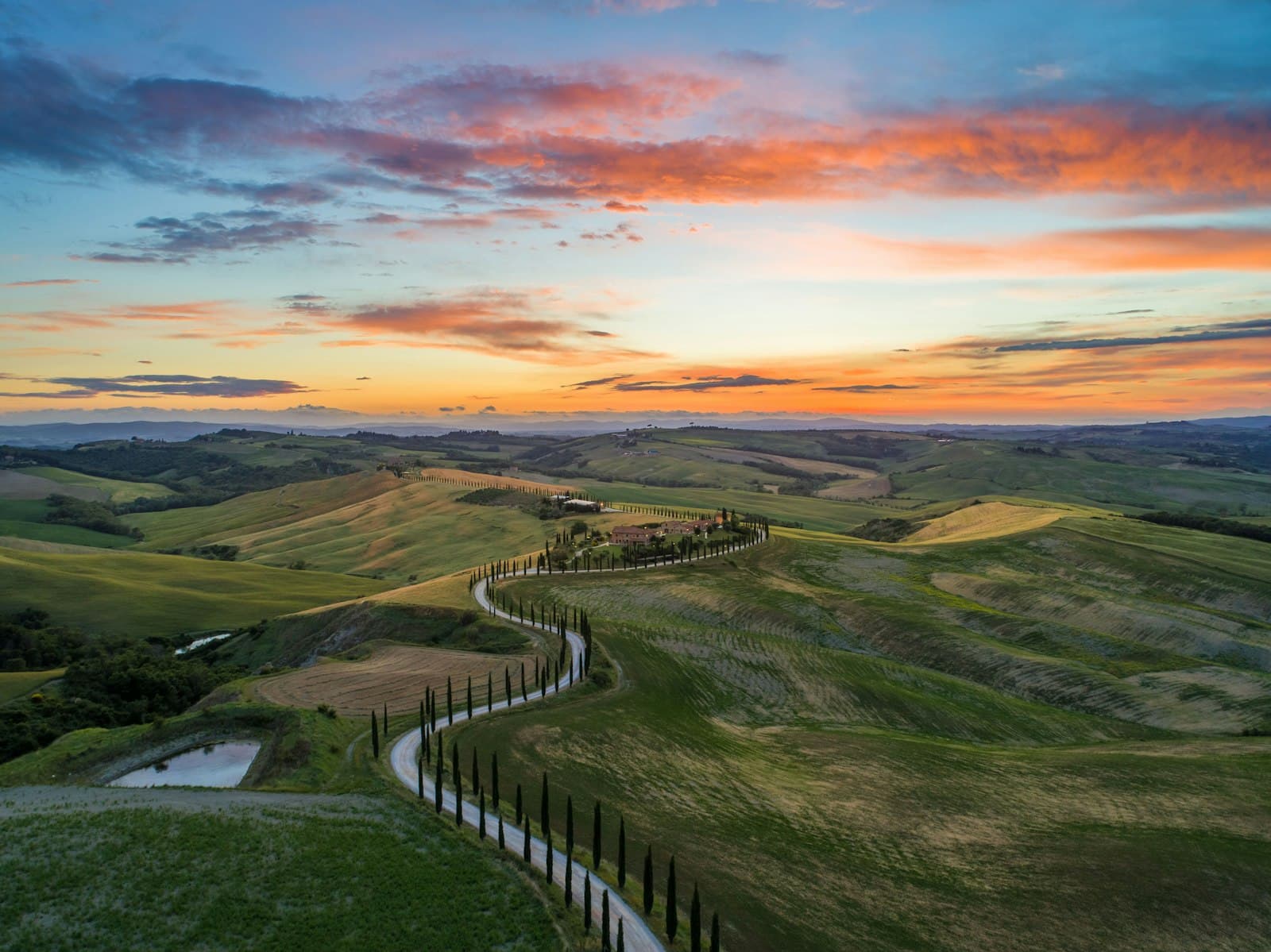
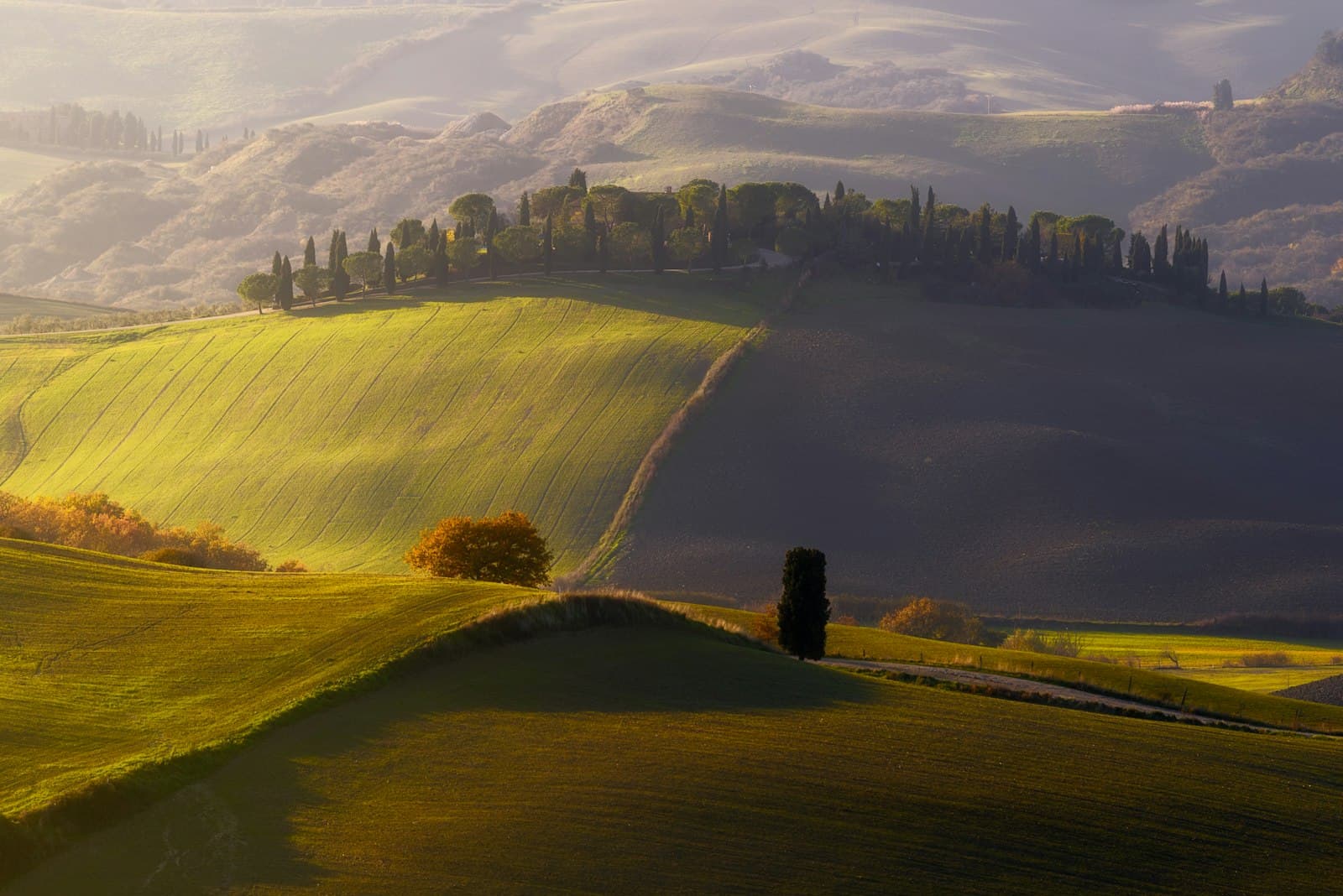
Типичный тосканский пейзаж Валь-д'Орча с его холмистыми холмами и кипарисами кажется вечным, хотя одно из его самых знаковых кинематографических появлений почти произошло в другом месте.
Откройте для себя каждый секрет Сан-Квирико-д'Орча
Каждый адрес, каждое полное раскрытие — в вашем ухе, прямо там, где это произошло.
Вы выбираете остановки. Вы гуляете. Голос раскрывает то, что упускают другие.

Ваш самостоятельный аудиотур по Сан-Квирико-д'Орча готов — выберите свои достопримечательности, выберите свой язык и начните в момент прибытия.
КупитьВ Lume встроен гид дополненной реальности. Поднимите телефон: камера показывает улицу перед вами, а поверх реального изображения светится стрелка, всегда указывающая на вашу следующую остановку — не нужно разбираться с картой и сворачивать не туда. Как и всё в Lume, это работает полностью офлайн.
Сан-Квирико-д'Орча, деревня в самом сердце Тосканы, предлагает безмятежный отдых. Ее истоки уходят в этрусские времена, а нынешняя планировка во многом сформирована средневековым градостроительством. Прогуливаясь по ее воротам, посетители попадают в место, где время, кажется, замедляется, приглашая к созерцанию ее непреходящей красоты.
Деревня расположена среди холмов Валь-д'Орча, ландшафта, известного своим сельскохозяйственным наследием и поразительными природными очертаниями. Этот район, признанный во всем мире своим культурным значением, представляет собой место, где сохраняются ритмы сельской жизни, переплетенные с веками искусства и архитектуры. Сан-Квирико-д'Орча служит тихим якорем в этом обширном, вызывающем воспоминания регионе.
История Сан-Квирико-д'Орча начинается задолго до его нынешнего облика. Свидетельства предполагают, что когда-то здесь располагались этрусские поселения, привлеченные плодородными землями и господствующими видами. Само название деревни, происходящее от Святого Кирикуса, указывает на раннее христианство и последующее основание Пьеве, сельской церкви с баптистерием, которая стала центром окружающих общин.
Настоящий расцвет Сан-Квирико-д'Орча пришелся на Средние века, в основном благодаря его расположению вдоль Виа Франчиджена. Этот древний паломнический путь соединял Кентербери с Римом, направляя через деревню постоянный поток путников, торговцев и религиозных деятелей. Поток людей принес процветание, что привело к строительству важных гражданских и религиозных зданий. Коллегиата Санти-Кирико-э-Джулитта с ее романской архитектурой является свидетельством этого периода, ее замысловатые порталы и окна-розы отражают искусное мастерство эпохи.
К XIII веку Сан-Квирико-д'Орча попал под влияние Сиены, став важным форпостом в территориальном контроле Сиенской республики. Укрепления были усилены, и деревня сыграла роль в продолжающихся конфликтах между Сиеной и Флоренцией. Несмотря на политическую суматоху, деревня продолжала развиваться. Эпоха Возрождения принесла новые художественные и архитектурные тенденции, что видно в таких сооружениях, как Палаццо Чиги, демонстрирующий утонченный вкус того периода. Создание Ортика Леонинского, общественного сада, спроектированного в стиле итальянского Возрождения, еще больше иллюстрирует эту эпоху культурного прогресса, предлагая пространство упорядоченной красоты для всех, кто входил в его ворота. Таким образом, Сан-Квирико-д'Орча превратился из древнего перевалочного пункта в место непреходящего культурного и архитектурного значения.
Начните свое исследование с Коллегиаты Санти-Кирико-э-Джулитта, романской церкви с очаровательными порталами и детализированным интерьером. Прогуляйтесь по Ортикам Леонинского, итальянскому саду XVI века, необычному для своего времени как общественный сад. Геометрические изгороди и вековые деревья предлагают мирное уединение. Посетите Палаццо Чиги, элегантное здание, отражающее архитектурные стили Возрождения. Прогуляйтесь по сохранившимся участкам средневековых стен и через Порта Нуова, одни из оригинальных ворот деревни. Площадь Пьяцца делла Либерта, главная площадь, имеет исторический фонтан и служит центральной точкой для наблюдения за повседневной жизнью. За пределами деревни знаменитые кипарисы Сан-Квирико-д'Орча стоят как прославленный символ тосканского пейзажа, предлагая незабываемый вид.
Весна и ранняя осень обеспечивают самые приятные условия для посещения. С апреля по июнь пейзаж зеленеет и усеян полевыми цветами, а температура умеренная. Сентябрь и октябрь предлагают комфортную погоду для прогулок и меньше толп, а виноградники начинают свою осеннюю трансформацию. Лето может быть жарким, а зимы тихими и прохладными.
Сан-Квирико-д'Орча доступен на машине, парковка имеется за пределами исторического центра. Варианты общественного транспорта ограничены, хотя автобусы соединяют с более крупными городами, такими как Сиена. Сама деревня компактна и лучше всего исследуется пешком. Носите удобную обувь, так как улицы вымощены камнем. Многие местные рестораны подают традиционную тосканскую кухню, часто с использованием ингредиентов из окрестностей Валь-д'Орча. Размещение варьируется от очаровательных гостевых домов в деревне до агритуризмо в близлежащей сельской местности. Рекомендуется бронировать заранее, особенно в пиковые сезоны, чтобы обеспечить предпочтительное проживание.
Сан-Квирико-д'Орча: корейский, китайский, иврит и ещё 29 языков — каждую остановку озвучивает носитель языка. Самый широкий выбор языков среди аудиоэкскурсий без гида.
Доступные языки: