Laberinto de Borges
Un extenso laberinto de viñedos aquí guarda un mensaje secreto, visible solo desde un punto de vista específico.
La historia completa se desbloquea en el tour
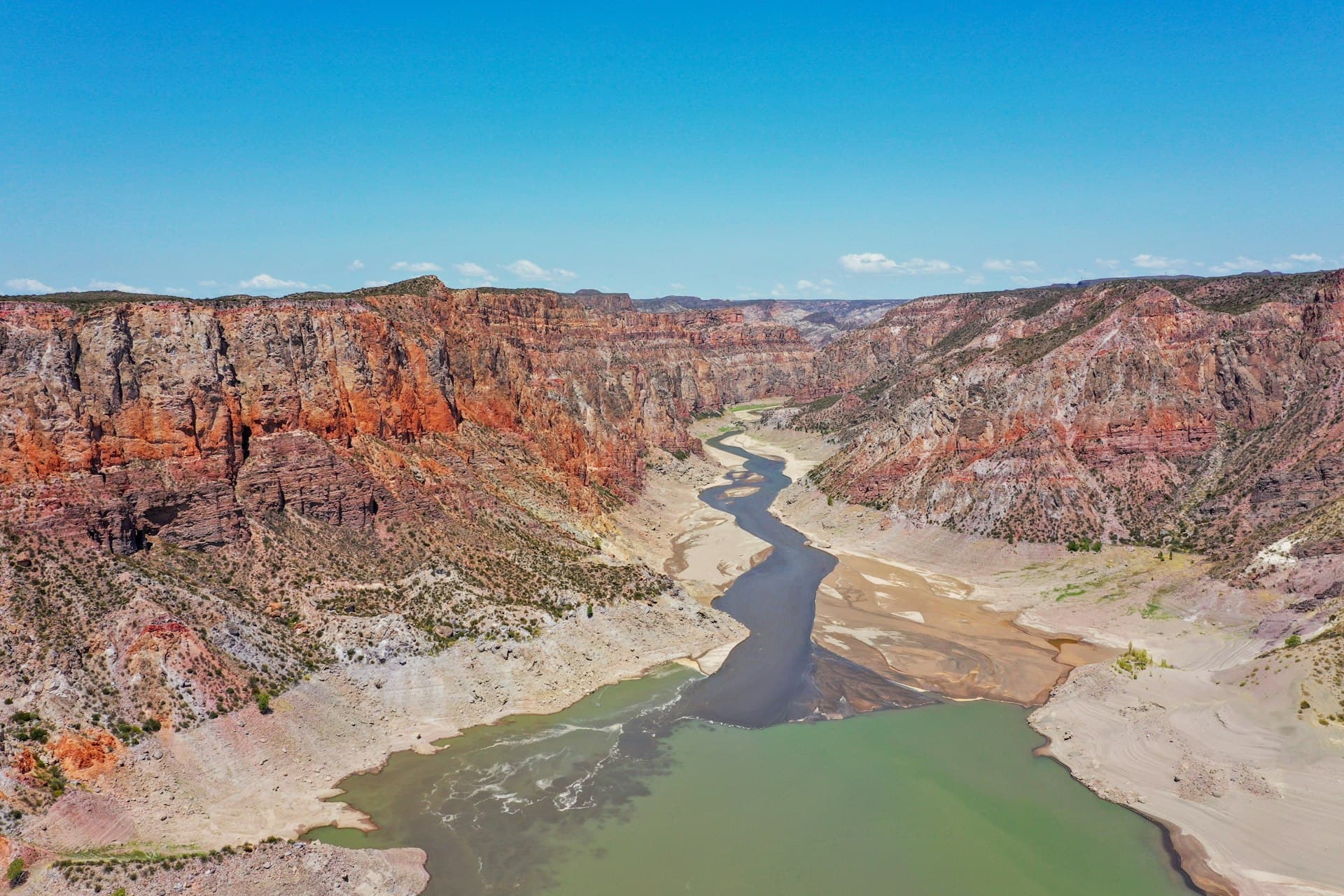 Photo: Jaume Galofré / Unsplash
Tour de audio autoguiado de San Rafael — ruta GPS a pie, reproducción offline, narración en 32 idiomas.
“Donde las aguas andinas se encuentran con el sol del desierto, forjando aventura y vinos exquisitos.”
No las postales. Las historias que ni los locales conocen — al oído, justo donde ocurrieron.
Un extenso laberinto de viñedos aquí guarda un mensaje secreto, visible solo desde un punto de vista específico.
Las vías de la ciudad están bordeadas por canales de agua corriente, una característica sorprendente en una región semiárida.
Una de las bodegas más antiguas de San Rafael todavía utiliza equipos que datan del siglo XIX.
Descubre todos los secretos de San Rafael
Cada dirección, cada revelación al completo — a tu oído, justo donde ocurrió.
Eliges tus paradas. Caminas. La voz te revela lo que los demás ignoran.


Tu tour de audioguía por San Rafael te espera — elige tus lugares, tu idioma y empieza al llegar.
ComprarLume incluye una guía de realidad aumentada. Levanta el móvil y su cámara muestra la calle que tienes delante, con una flecha luminosa sobre la imagen real que siempre apunta a tu próxima parada — sin mapas que descifrar, sin giros equivocados. Como todo en Lume, funciona completamente sin conexión.
San Rafael, la segunda ciudad más grande de la provincia de Mendoza en Argentina, ofrece una atractiva combinación de esplendor natural, aventura y herencia vitivinícola. Ubicada en la base oriental de la Cordillera de los Andes, donde convergen los ríos Diamante y Atuel, la ciudad florece como un oasis en medio de un paisaje árido. Su ambiente relajado, con avenidas arboladas y plazas acogedoras, proporciona un contrapunto tranquilo a las actividades llenas de adrenalina disponibles justo más allá de sus límites.
Más allá de su reputación como centro de turismo de aventura, San Rafael es una parte integral de la reconocida región vinícola de Mendoza. Las tierras fértiles, nutridas por los ríos andinos, sustentan extensos viñedos y huertos frutales, contribuyendo a una floreciente industria agrícola. Los visitantes pueden explorar bodegas históricas, degustar excepcionales Malbecs y otras variedades, y descubrir el terruño único que distingue los vinos de San Rafael. Esta ciudad sirve como una base ideal para explorar los dramáticos paisajes del sur de Mendoza, ofreciendo una experiencia diversa para aquellos que buscan tanto emociones al aire libre como placeres refinados.
La historia de San Rafael está profundamente arraigada en el pasado colonial de Argentina, comenzando como un puesto militar estratégico. La fecha oficial de fundación es el 2 de abril de 1805, cuando se estableció el Fuerte San Rafael del Diamante en la margen norte del río Diamante. Esta fortificación fue crucial para defender las fronteras contra las poblaciones indígenas y sirvió como bastión para las negociaciones con las tribus Pehuenches.
Durante décadas después de la independencia de Argentina en 1816, San Rafael permaneció relativamente aislada. Sin embargo, su potencial agrícola y su ubicación estratégica finalmente atrajeron la atención del gobierno federal. En 1871, el ingeniero civil Julio Balloffet fue encargado de supervisar el desarrollo de la zona. La verdadera transformación comenzó a finales del siglo XIX con la llegada de inmigrantes europeos, principalmente italianos y franceses. Estos colonos, como el ingeniero francés Rodolfo Iselin, quien adquirió tierras en 1883, trajeron tecnologías agrícolas avanzadas y vides, cambiando fundamentalmente el paisaje económico y cultural de la región. Iselin fue fundamental en el diseño de la "Colonia Francesa", que sentó las bases de la ciudad moderna con sus amplias calles e intrincados canales de riego.
La década de 1890 vio la construcción a gran escala de estos canales de riego, o acequias, que convirtieron tierras áridas en fértiles huertos y viñedos. Este ingenioso sistema, alimentado por los ríos Diamante y Atuel, se convirtió en la base de la prosperidad agrícola de San Rafael. A principios del siglo XX, San Rafael había emergido como un importante centro agroindustrial en la provincia de Mendoza, especializándose en uvas, frutas como duraznos y damascos, y granos. La llegada del sistema ferroviario en 1903 impulsó aún más su crecimiento y conectividad. La ciudad obtuvo oficialmente el estatus de ciudad por la Legislatura Provincial el 7 de octubre de 1922.
Después de mediados del siglo XX, la región experimentó un mayor desarrollo con la puesta en marcha de represas hidroeléctricas, como la represa El Nihuil en 1947, que impulsó significativamente la energía hidroeléctrica y el turismo. Hoy en día, San Rafael se erige como el segundo centro más importante de la provincia de Mendoza y un centro turístico clave en Argentina, celebrado por sus paisajes naturales, viticultura y actividades de aventura.
Comience su exploración en el centro de la ciudad en la Plaza San Martín, una plaza pública bien mantenida con fuentes y bancos a la sombra, ideal para un paseo tranquilo. Cerca, la Catedral San Rafael Arcángel exhibe un diseño simple pero llamativo, ofreciendo un respiro fresco y tranquilo. Para una experiencia literaria única, visite el Laberinto de Borges en la finca Los Álamos, un extenso laberinto de setos diseñado como un homenaje a Jorge Luis Borges.
Fuera de la ciudad, el Cañón del Atuel ofrece dramáticas formaciones rocosas esculpidas por el río Atuel. Esta zona es perfecta para el rafting, el kayak y el senderismo en medio de paisajes multicolores. El embalse Valle Grande, formado por una presa en el río Atuel, ofrece oportunidades para deportes acuáticos como el esquí acuático y la pesca, así como lugares pintorescos para picnics. Otro impresionante cuerpo de agua es la Presa Los Reyunos en el río Diamante, rodeada de escarpadas montañas rocosas y que ofrece aguas cristalinas para paseos en bote y otras actividades. No pierda la oportunidad de explorar las numerosas bodegas de la región, muchas de las cuales ofrecen recorridos y degustaciones de Malbecs, Cabernet Sauvignons y Chardonnays locales. Para una visión de la historia antigua, el Parque Arqueológico Villa Las Tinajas conserva pinturas rupestres de los pueblos indígenas del sur de Mendoza.
San Rafael experimenta un clima semiárido con estaciones distintas, caracterizado por días soleados y bajas precipitaciones durante todo el año. Los veranos (diciembre a febrero) son calurosos, con temperaturas diurnas que a menudo alcanzan los 30–31°C (86-88°F), lo que lo hace ideal para actividades acuáticas como el rafting. Las noches traen una frescura notable, con temperaturas que descienden a alrededor de 17°C (62°F). Los inviernos (junio a agosto) son frescos y suaves durante el día, con temperaturas alrededor de 14°C (57°F), adecuados para paseos al aire libre, aunque las noches pueden ser frías con posibles heladas. Las temporadas intermedias, de mediados de abril a mediados de mayo (otoño) y de mediados de septiembre a mediados de octubre (primavera), se consideran excelentes momentos para visitar por el clima agradable, menos multitudes y paisajes animados, con temperaturas más suaves perfectas para el senderismo y la degustación de vinos.
San Rafael está bien conectado y es accesible. El Aeropuerto de San Rafael (AFA) está a solo 6,5 km del centro de la ciudad, ofreciendo el acceso más rápido, principalmente con vuelos directos desde Buenos Aires en ciertos días. Alternativamente, muchos viajeros vuelan al Aeropuerto Internacional El Plumerillo (MDZ) en la ciudad de Mendoza, un centro más grande ubicado a unos 240 km al norte. Los autobuses conectan San Rafael con varias ciudades de Argentina y dentro de la provincia de Mendoza.
Dentro de la ciudad, el centro es compacto y se puede recorrer a pie. Para explorar el Cañón del Atuel, Los Reyunos y las bodegas más distantes, se recomienda encarecidamente alquilar un coche para mayor flexibilidad, ya que los autobuses públicos a estas atracciones pueden ser poco frecuentes. También hay taxis y remises (servicios de coches privados). El clima semiárido de la ciudad significa fluctuaciones significativas de temperatura entre el día y la noche, por lo que es aconsejable empacar capas, especialmente para excursiones a las montañas o cañones. Zapatos cómodos para caminar, protector solar de alto SPF y un sombrero son esenciales para las actividades al aire libre.
San Rafael en coreano, en chino o en hebreo — y 29 idiomas más, cada parada narrada por una voz nativa. La mayor variedad de idiomas de cualquier audioguía autoguiada.
Disponible en: