O Passo Arlberg
Antes de St. Anton se tornar um resort de esqui celebrado, era uma passagem de montanha exigente.
História completa desbloqueada no tour
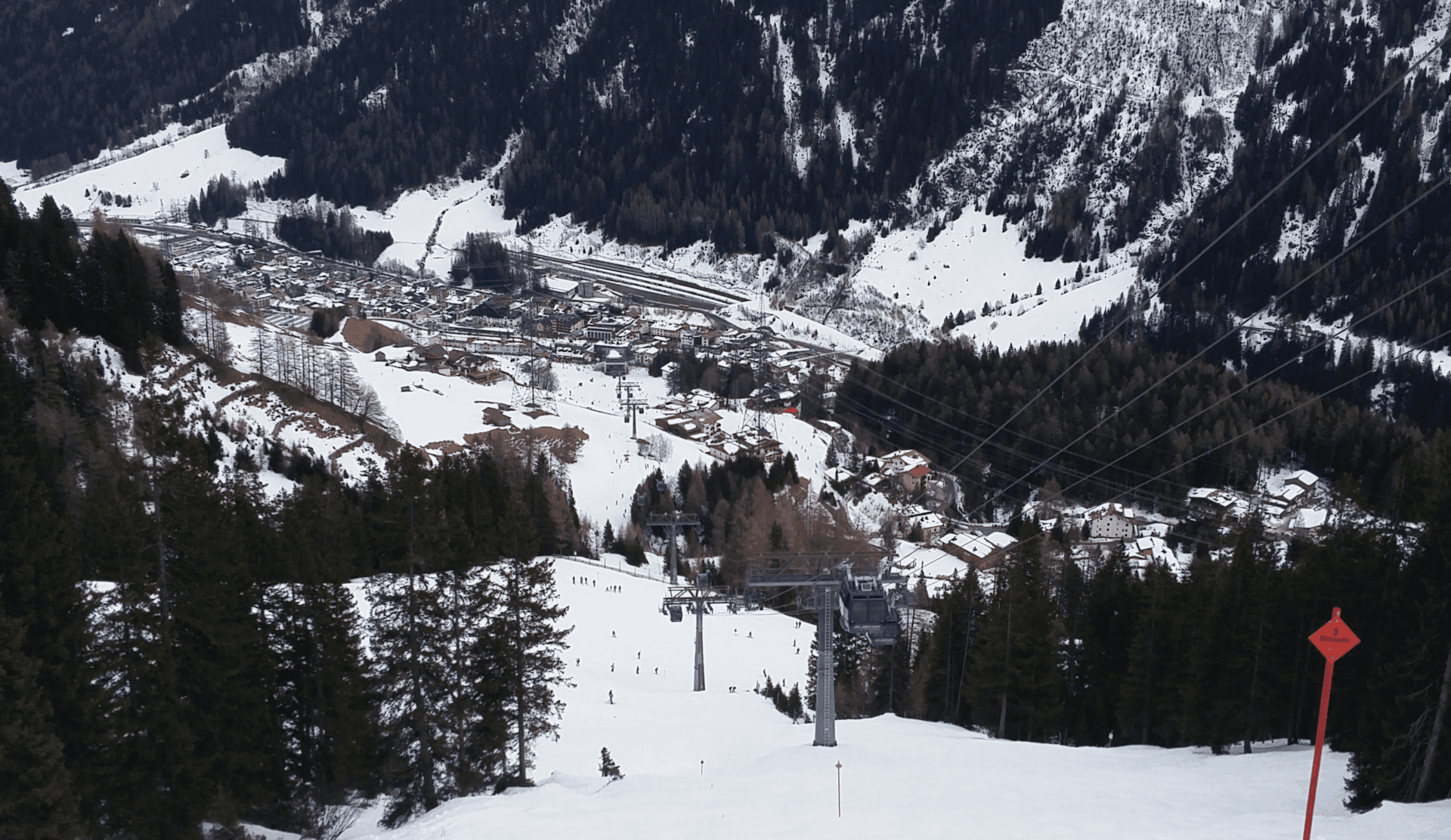 24seven / CC BY-SA 4.0, via Wikimedia Commons
Tour de áudio autoguiado por Sankt Anton am Arlberg — rota GPS a pé, reprodução offline, narração envolvente em 32 idiomas.
“Onde a tradição alpina encontra pistas emocionantes, e o espírito do esqui nasceu.”
Não os postais. As histórias que nem os locais conhecem — sussurradas ao seu ouvido, exatamente onde aconteceram.
Antes de St. Anton se tornar um resort de esqui celebrado, era uma passagem de montanha exigente.
O teleférico Galzigbahn é mais do que uma forma de subir a montanha; é um testemunho de engenharia inventiva.
O 'berço do esqui alpino' tem uma conexão direta com a expansão global do esporte.
Descubra cada segredo de Sankt Anton am Arlberg
Cada endereço, cada revelação na íntegra — no seu ouvido, exatamente onde aconteceu.
Você escolhe as suas paragens. Você caminha. A voz revela o que os outros perdem.
O seu tour áudio autoguiado de Sankt Anton am Arlberg está pronto — escolha os seus pontos de interesse, selecione o seu idioma e comece no momento em que chegar.
ComprarA Lume inclui um guia de realidade aumentada. Levante o telemóvel: a câmara mostra a rua à sua frente, com uma seta luminosa sobreposta à imagem real que aponta sempre para a sua próxima paragem — sem mapa para decifrar, sem voltas erradas. Como tudo na Lume, funciona totalmente offline.
Sankt Anton am Arlberg, frequentemente chamado de St. Anton, é uma vila e estação de esqui nos Alpes Tirolês da Áustria. É amplamente reconhecido como o 'berço do esqui alpino', um lugar onde as técnicas modernas de esqui foram pioneiras e a história do esporte é profunda. A vila fica a uma altitude de 1.304 metros (4.278 pés), com teleféricos que sobem até 2.811 metros (9.222 pés), oferecendo uma queda vertical substancial de 1.507 metros (4.944 pés).
Além de sua fama de inverno, St. Anton se transforma em um refúgio de paz durante os meses de verão. Prados verdes exuberantes substituem as encostas cobertas de neve, convidando caminhantes, ciclistas de montanha e montanhistas a explorar sua extensa rede de trilhas. A vila em si combina o autêntico caráter tirolês com conveniências contemporâneas, oferecendo uma atmosfera acolhedora durante todo o ano.
A história de Sankt Anton am Arlberg está intrinsecamente ligada à sua posição ao longo do Passo Arlberg, uma rota crucial de leste a oeste para o comércio desde a Idade Média, especialmente para o sal. Os primeiros viajantes enfrentaram jornadas árduas e muitas vezes perigosas pelas montanhas. Para resolver isso, Heinrich Findelkind estabeleceu o Hospício Arlberg em St. Christoph em 1386, oferecendo abrigo e refrigério para aqueles que atravessavam o passo.
Uma transformação significativa chegou no final do século XIX com a construção da Ferrovia Arlberg. As obras do Túnel Arlberg começaram em 1880, e a linha férrea foi oficialmente inaugurada pelo Imperador Franz Josef em setembro de 1884. Essa façanha de engenharia conectou St. Anton à rede ferroviária austríaca, aumentando dramaticamente a acessibilidade e abrindo caminho para o turismo em larga escala. A vila, então conhecida como Nasserein, viu sua população dobrar durante a construção do túnel devido ao afluxo de mais de dois mil trabalhadores.
O esqui começou a surgir como uma atividade popular no final do século XIX. Um engenheiro norueguês que trabalhava no túnel Arlberg na década de 1880 é creditado por alguns como o primeiro a esquiar na área, usando duas tábuas para deslizar pela neve até o trabalho. Essa curiosidade inicial logo floresceu em um entusiasmo generalizado. O Ski Club Arlberg, um dos clubes de esqui mais antigos e prestigiados dos Alpes, foi fundado em 1901. Em 1921, Hannes Schneider estabeleceu a primeira escola de esqui organizada em St. Anton, desenvolvendo um modelo de ensino que influenciaria a instrução de esqui globalmente. St. Anton também sediou a primeira corrida de esqui documentada do mundo em 1904 e a primeira corrida internacional, a Arlberg Kandahar, em 1928, solidificando seu lugar na história do esqui alpino. O resort continuou a inovar, com a Galzigbahn, uma das primeiras gôndolas dos Alpes, estreando em 1937. St. Anton sediou o Campeonato Mundial de Esqui Alpino em 2001 e é consistentemente classificado entre os melhores resorts de esqui do mundo.
Para vistas alpinas expansivas, pegue o teleférico Galzigbahn até o Monte Galzig. De lá, o Vallugabahn sobe ainda mais até o cume Valluga, que a 2.811 metros (9.222 pés) oferece panoramas que se estendem até a Alemanha, Suíça e Itália. No inverno, Valluga é um ponto de partida para rotas de esqui off-piste extremas, enquanto no verão, é um destino para caminhantes. O centro Arlberg-well.com oferece um espaço para relaxamento com piscinas aquecidas internas e externas, saunas e um centro de fitness. Para mergulhar no passado da região, visite o Museu do Esqui e Patrimônio Local de St. Anton, abrigado na elegante Villa Trier Art Nouveau. O museu narra a evolução de St. Anton de uma vila agrícola para um resort de esqui de classe mundial. Durante o verão, explore as extensas trilhas de caminhada e ciclismo, como a Trilha Circular Mutspuren ao redor do Monte Galzig, que inclui instalações interativas e jogos aquáticos para famílias. Para uma experiência mais tranquila, considere um passeio de trenó puxado por cavalos pelo cênico Vale Verwall.
A melhor época para visitar Sankt Anton am Arlberg depende das suas atividades preferidas. Para esportes de inverno, a temporada principal vai de janeiro a março, oferecendo neve em pó fria e seca confiável e capacidade total de teleféricos. Janeiro, especialmente após as multidões de Ano Novo, geralmente oferece o melhor valor com neve profunda e um número gerenciável de pessoas. Para aventuras de verão como caminhadas e ciclismo, julho e agosto são ideais, com temperaturas diurnas em torno de 20–24°C (68–75°F). A primavera (abril–maio) e dezembro (temporada intermediária) oferecem menos multidões e potencialmente melhor valor, embora algumas instalações possam estar fechadas entre as temporadas.
Sankt Anton am Arlberg é bem conectado, com uma estação de trem na vila oferecendo serviços diretos para Innsbruck e Zurique. O centro da vila é para pedestres, e muitas acomodações, juntamente com a ferrovia local, estão a uma curta distância a pé, minimizando a necessidade de um carro. Serviços de ônibus Postbus e uma extensa rede de empresas de táxi oferecem fácil acesso a vários bairros e cidades vizinhas. Passes de teleférico para a área Ski Arlberg, que inclui 300 km de pistas marcadas e 200 km de terreno off-piste, podem ser comprados online com antecedência, muitas vezes a um preço menor do que no balcão de ingressos. As opções de acomodação variam de hotéis luxuosos a pousadas e chalés aconchegantes. Muitos hotéis oferecem acesso ski-in/ski-out, ou estão a uma curta caminhada ou passeio de ônibus das pistas.
Sankt Anton am Arlberg — coreano, chinês, hebraico e mais 29 idiomas, cada parada narrada por uma voz nativa. A maior variedade de idiomas entre os passeios de áudio autoguiados.
Disponível em: