Museo Civico
A pintura mais celebrada de Sansepolcro, 'A Ressurreição' de Piero della Francesca, deve sua sobrevivência a um surpreendente ato de desafio durante o tumulto da Segunda Guerra Mundial.
História completa desbloqueada no tour
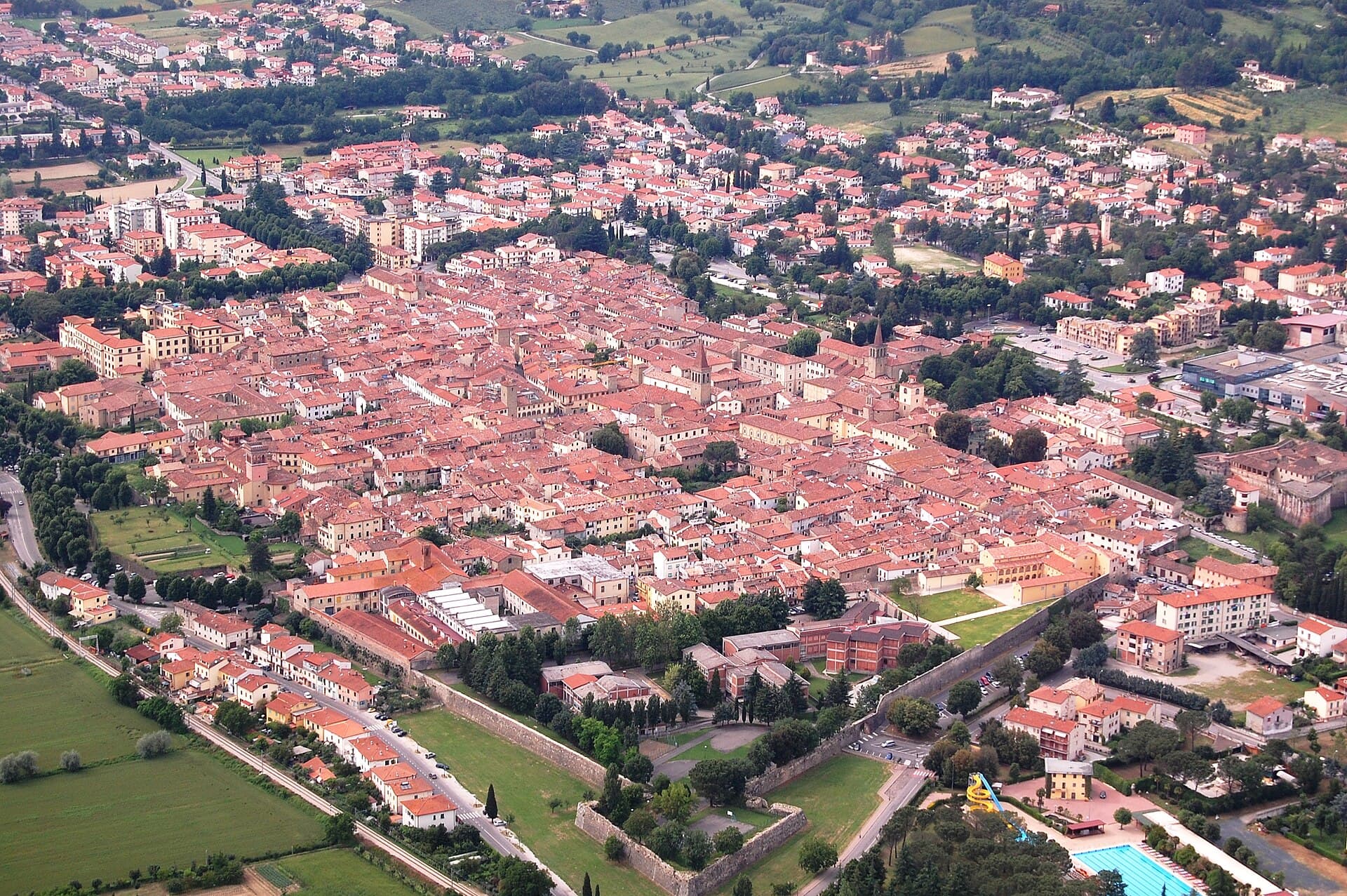 Alessandro.puleri / Public domain, via Wikimedia Commons
Tour de áudio autoguiado por Sansepolcro — rota GPS a pé, reprodução offline, narração envolvente em 32 idiomas.
“Onde o espírito renascentista e ecos medievais encontram o pulso moderno da vida toscana.”
Não os postais. As histórias que nem os locais conhecem — sussurradas ao seu ouvido, exatamente onde aconteceram.
A pintura mais celebrada de Sansepolcro, 'A Ressurreição' de Piero della Francesca, deve sua sobrevivência a um surpreendente ato de desafio durante o tumulto da Segunda Guerra Mundial.
Dentro do Duomo de Sansepolcro repousa um crucifixo de madeira de origem enigmática, um irmão de um artefato histórico em outra cidade toscana.
O estimado artista renascentista Piero della Francesca, apesar de suas amplas comissões, retornava consistentemente à sua terra natal.
Descubra cada segredo de Sansepolcro
Cada endereço, cada revelação na íntegra — no seu ouvido, exatamente onde aconteceu.
Você escolhe as suas paragens. Você caminha. A voz revela o que os outros perdem.

O seu tour áudio autoguiado de Sansepolcro está pronto — escolha os seus pontos de interesse, selecione o seu idioma e comece no momento em que chegar.
ComprarA Lume inclui um guia de realidade aumentada. Levante o telemóvel: a câmara mostra a rua à sua frente, com uma seta luminosa sobreposta à imagem real que aponta sempre para a sua próxima paragem — sem mapa para decifrar, sem voltas erradas. Como tudo na Lume, funciona totalmente offline.
Sansepolcro, carinhosamente conhecida como 'il Borgo' por seus habitantes, é uma cidade com aproximadamente 15.000 residentes situada no leste da Toscana, aos pés dos Apeninos. Ocupa um entroncamento onde a Toscana converge com a Úmbria e as Marcas, contemplando o vale do Alto Tibre. As origens da cidade estão entrelaçadas com a lenda, que diz ter sido fundada por dois peregrinos do século IX, Arcano e Egidio, que retornaram da Terra Santa com relíquias do Santo Sepulcro e construíram uma capela para abrigá-las.
Hoje, Sansepolcro é honrada como o berço do mestre do início do Renascimento, Piero della Francesca, cujas obras formam a base da identidade cultural da cidade. Além de seu legado artístico, a cidade mantém uma atmosfera medieval distinta com seu centro histórico bem preservado, cercado por muralhas do século XV. Os visitantes podem passear por passagens estreitas, descobrindo igrejas antigas e palácios renascentistas que contam séculos de caráter duradouro.
A narrativa de Sansepolcro começa com uma lenda fundacional: dois peregrinos, Arcano e Egidio, retornando da Terra Santa no século IX, teriam parado neste vale. Recebendo uma indicação divina, decidiram estabelecer uma pequena capela para proteger as relíquias sagradas que traziam de Jerusalém. Em torno deste oratório inicial, um assentamento cresceu, eventualmente nomeado Borgo Santo Sepolcro, ou 'Vila do Santo Sepulcro', refletindo suas origens sagradas. Em seus registros antigos, Sansepolcro foi até referida como a 'Nova Jerusalém'.
No século X, uma abadia beneditina foi construída no local da capela original, em torno da qual o comuna começou a tomar forma. Em 1163, Sansepolcro tornou-se uma comuna livre, embora sua localização estratégica na fronteira significasse que ela se defendia frequentemente contra incursões de regiões vizinhas como Città di Castello, Perugia e Arezzo. Ao longo dos séculos, a autoridade sobre a cidade passou por várias famílias influentes, incluindo os Tarlati e os Malatesta. Por um breve período, esteve sob governo papal antes de cair sob o domínio de Florença em 1441, após a Batalha de Anghiari.
Sob os Médici, Sansepolcro passou por um crescimento arquitetônico substancial, com fortificações ampliadas por Giuliano da Sangallo. Em 1520, o Papa Leão X elevou Sansepolcro a cidade e a estabeleceu como bispado. O período entre os séculos XIV e XVI marcou o zênite de Sansepolcro, uma época rica em cultura, arte e uma economia próspera, especialmente com a produção de pastel, uma planta processada para obter um valioso corante índigo. Essa era é vividamente aparente no centro histórico da cidade, com suas estruturas medievais e palácios renascentistas.
Sansepolcro é famosa por ser o berço de Piero della Francesca (nascido por volta de 1415), um dos mais importantes artistas renascentistas. Suas criações, como A Ressurreição e o Políptico da Madonna della Misericordia, são centrais para o patrimônio artístico da cidade. A cidade também produziu outras figuras notáveis, incluindo o matemático Luca Pacioli, um aluno de Piero della Francesca e companheiro de Leonardo da Vinci.
O desenvolvimento industrial começou no século XIX com a fundação da Buitoni, uma fabricante de alimentos que se tornou uma empresa internacional. Hoje, a economia de Sansepolcro também abrange fabricantes de prestígio de camisas, malhas e têxteis, juntamente com um setor agrícola focado em tabaco de alta qualidade, pimentões e cereais.
A cidade continua a comemorar seu passado através de eventos como o Palio della Balestra, uma competição secular de besta realizada todos os anos em setembro, que relembra a história de Sansepolcro como uma cidade livre. Esse passado militar é a origem da competição de tiro, que ainda hoje segue as mesmas regras.
Sansepolcro oferece uma experiência concentrada de arte renascentista e encanto medieval. O Museo Civico tem importância primordial, abrigando várias obras-primas de Piero della Francesca, incluindo o icônico afresco A Ressurreição (pintado entre 1450 e 1463) e o Políptico da Madonna della Misericordia. O próprio museu ocupa o Palazzo dei Conservatori do século XIV.
A Catedral de San Giovanni Evangelista, com origens antigas que remontam a mais de 1.000 anos como uma abadia beneditina, é outro local significativo. Preserva um artefato singular, o Volto Santo (Rosto Sagrado), um crucifixo de madeira.
Além desses principais pontos de interesse, explore o centro histórico da cidade, que apresenta edifícios medievais e palácios renascentistas como o Palazzo delle Laudi e o Palazzo Alberti. A Igreja de San Lorenzo abriga a Deposição de Rosso Fiorentino. O Museu Aboca oferece uma exploração envolvente na história das ervas e da saúde.
Reserve tempo para passear pela Piazza Torre di Berta, o coração social e cultural da cidade, ladeada por edifícios elegantes, cafés e lojas. Para uma compreensão mais profunda da vida de Piero della Francesca, visite seu local de nascimento, agora um museu. A Fortaleza Médici, concebida por Sangallo, é um testemunho do passado defensivo da cidade.
As épocas mais agradáveis para visitar Sansepolcro são a primavera e o outono, quando o clima é agradável para passear pelas passagens históricas e explorar. As temperaturas em outubro, por exemplo, geralmente variam de 9-19°C. Setembro é particularmente favorecido devido ao Palio della Balestra, um torneio tradicional de besta realizado no segundo domingo do mês, que enche a cidade com uma atmosfera medieval e desfiles históricos. Os verões são geralmente quentes e com poucas nuvens, sendo julho o mês mais quente, com uma média de máxima de 29°C. Os invernos são bastante frios e parcialmente nublados, sendo janeiro o mês mais frio, com uma média de mínima de 0°C.
Sansepolcro está situada no leste da Toscana, perto da fronteira com a Úmbria. As estações de trem mais próximas ficam em Arezzo e Città di Castello, com conexões de ônibus disponíveis para a cidade. Também é acessível de carro pela rodovia E45. A cidade está equipada com comodidades turísticas modernas e tradicionais, incluindo opções de agroturismo e áreas para caravanas. O centro histórico é melhor explorado a pé, portanto, sapatos confortáveis são recomendados para navegar pelas superfícies às vezes irregulares.
Para refeições, Sansepolcro oferece uma seleção de restaurantes locais, que vão de pizzarias clássicas a estabelecimentos que servem culinária tradicional toscana, asiática e do Oriente Médio. Muitos são de propriedade local, enfatizando comida e vinho de qualidade. Mercados são realizados nas manhãs de terça e sábado, com um mercado de alta qualidade no terceiro sábado de cada mês.
Sansepolcro — coreano, chinês, hebraico e mais 29 idiomas, cada parada narrada por uma voz nativa. A maior variedade de idiomas entre os passeios de áudio autoguiados.
Disponível em: