Many visitors ascend the Santa Barbara County Courthouse Clock Tower for expansive views, yet few notice a celestial secret etched into its very structure.
Pierre André / CC BY-SA 4.0, via Wikimedia CommonsSanta Barbara
“Where the mountains meet the sea, and history unfolds beneath red-tiled roofs.”
Santa Barbara, as no one tells it.
Not the postcards. The stories even locals don't know — whispered in your ear, right where they happened.
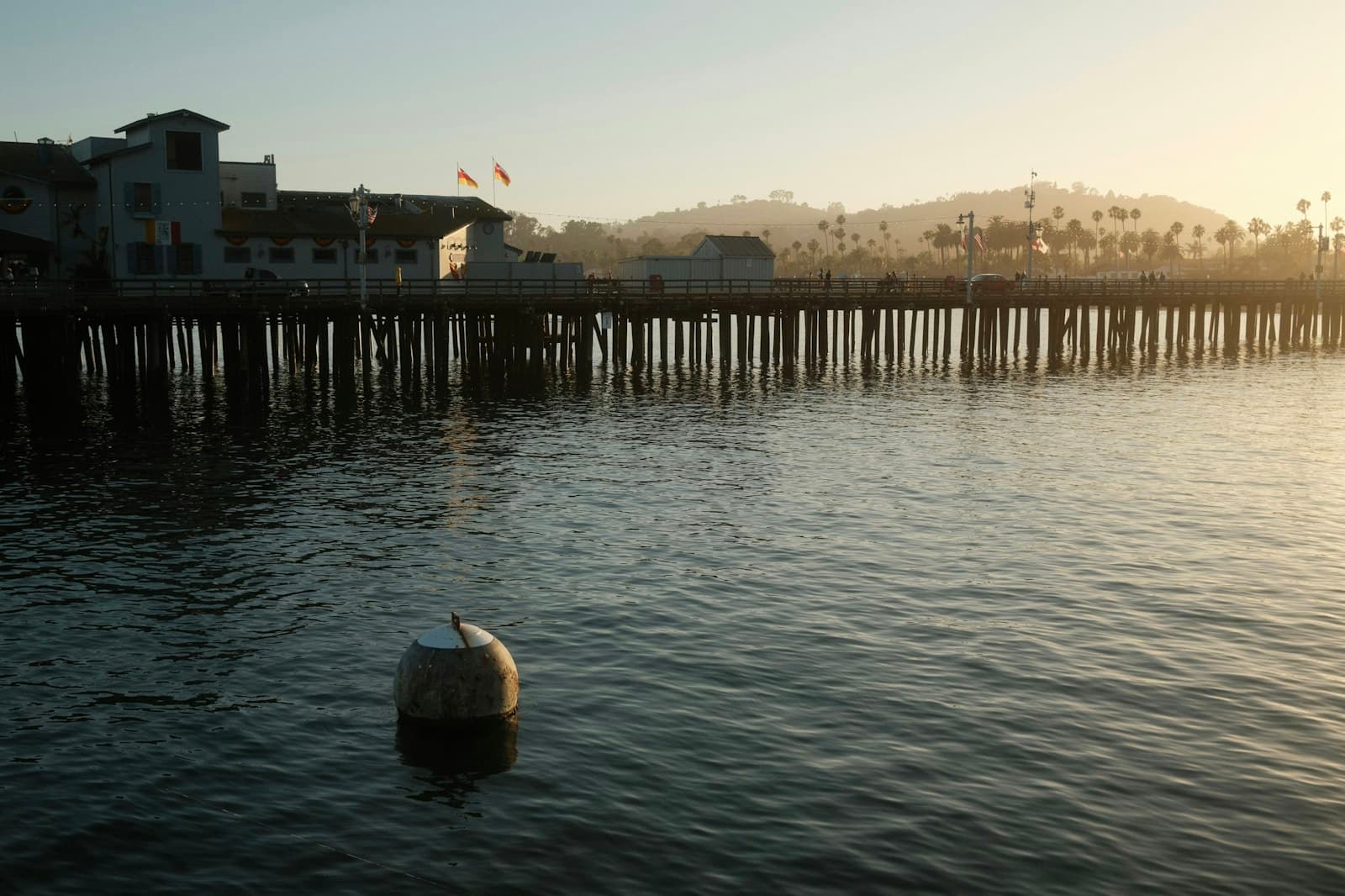
Stearns Wharf holds the distinction of being California's oldest working wooden pier, but its past includes a surprising, almost cataclysmic, event involving Civil War veterans.
Santa Barbara shelters what is believed to be the largest Moreton Bay Fig Tree in the United States, though its beginnings were surprisingly modest and somewhat migratory.
Discover every secret of Santa Barbara
Every address, every reveal in full — in your ear, right where it happened.
You pick your stops. You walk. The voice reveals what the others miss.
How long do you have in Santa Barbara?
No tours available yet. Check back soon — we're preparing them.
The story of Santa Barbara
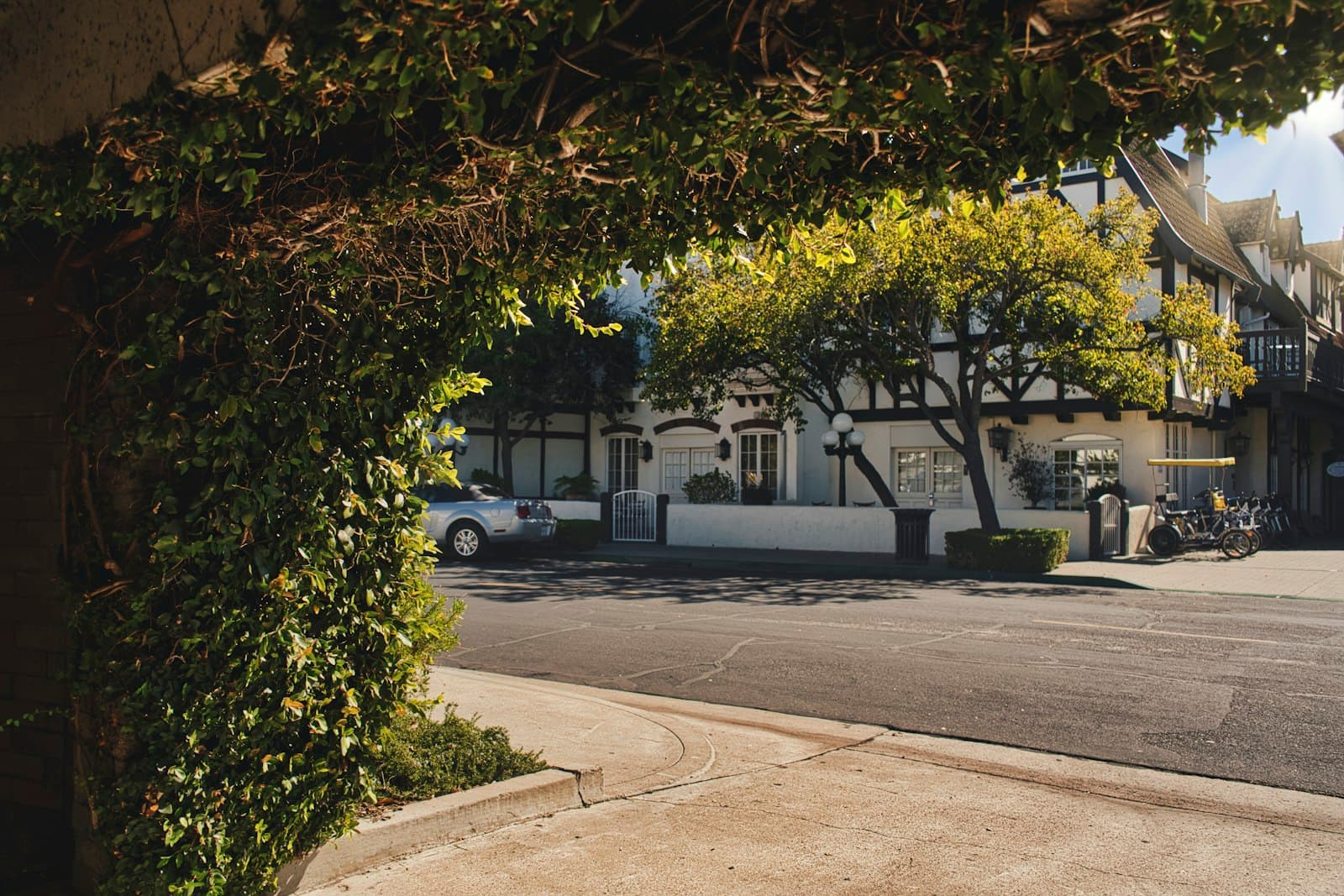
Santa Barbara, sometimes called the "American Riviera," presents an engaging fusion of Spanish Colonial Revival architecture, sun-drenched shores, and a lively cultural landscape. The city lies between the Santa Ynez Mountains and the Pacific Ocean; its unique east-west running mountain range offers a dramatic backdrop to the city's coastal allure. From its distinctive red-tiled roofs and white stucco buildings to its bustling State Street Promenade, Santa Barbara invites discovery and repose.
The city's appeal extends beyond its visual charm, providing a relaxed outdoor lifestyle with opportunities for beach activities, hiking, and exploring its extensive past. Whether you are drawn to its historic landmarks, its thriving culinary scene, or the natural splendor of the Channel Islands visible offshore, Santa Barbara promises a singular Southern California experience.
From Chumash Land to Spanish Stronghold
The story of Santa Barbara reaches back approximately 13,000 years, with the Chumash people being the region's initial inhabitants. They established around 150 independent villages, with a population of about 18,000, and were skilled basket makers and boat builders, crafting plank canoes called tomols for trade. Evidence of their profound spiritual and artistic culture can still be observed in ancient rock art found in the Los Padres National Forest.
European contact began in 1542 with a Portuguese expedition, but it was Spanish explorer Sebastián Vizcaíno who, in 1602, named the channel and one of the Channel Islands "Santa Barbara" after enduring a violent storm on Saint Barbara's feast day. Permanent European settlement commenced in 1782 with the construction of El Presidio, a Spanish military fortress designed to safeguard the California coast. The Old Mission Santa Barbara was founded by Spanish Franciscans in 1786, and notably, it remains the only U.S. mission continuously operated by Franciscans since its inception.
Earthquakes, Architecture, and Early Hollywood
Santa Barbara's architectural character was profoundly shaped by two significant earthquakes, in 1812 and 1925, which necessitated extensive rebuilding. Following the 1925 earthquake, local visionaries advocated for a uniform Spanish Colonial Revival style, leading to the formation of the country's first architectural review board with stringent design standards. This dedication to a cohesive aesthetic is apparent throughout the city's public buildings and business district.
Before Hollywood became the center of filmmaking, Santa Barbara was a considerable hub for the silent film industry. Between 1912 and 1917, Flying A Studios, one of the world's largest movie studios at the time, operated in downtown Santa Barbara, producing an estimated one thousand films. The city also played a pivotal role in the modern environmental movement, hosting the first official Earth Day celebration in 1969, an event that continues annually in Alameda Park.
Begin your exploration at the Santa Barbara County Courthouse, an impressive example of Spanish Colonial Revival architecture. Ascend the Clock Tower for 360-degree views of the city, mountains, and ocean, and explore the Mural Room, which illustrates Santa Barbara's past. A short distance away stands the Old Mission Santa Barbara, a historic landmark with beautiful gardens and a museum.
Walk along the State Street Promenade, a pedestrian-only zone spanning ten blocks in downtown Santa Barbara. Here, you will discover an array of shops, restaurants with expansive outdoor dining, and public art, fostering a lively atmosphere. At the end of State Street, Stearns Wharf, California's oldest working wooden pier, offers shops, restaurants, and opportunities for whale watching or simply enjoying the ocean views.
For those who appreciate nature, the Moreton Bay Fig Tree near the Amtrak station is a sight to behold, believed to be the largest of its kind in the United States. The Santa Barbara Botanic Garden displays native California flora across five miles of paths, including redwood areas and a Japanese teahouse. For a more active experience, consider a hike to Inspiration Point for rewarding panoramic views. Do not overlook the Funk Zone, a lively district between the ocean and Highway 101, recognized for its art galleries, wineries, breweries, and distinctive shops.
Santa Barbara enjoys a mild coastal climate throughout the year, making it an inviting destination in any season. For classic beach weather with the warmest sun and ocean temperatures, July and August are ideal, though they also attract larger crowds and higher prices. The shoulder seasons of late spring (April-May) and early fall (September-October) offer pleasant weather, fewer visitors, and often better accommodation rates. September and October are particularly favored for their warm weather, clear skies, and lighter breezes. Winter is cooler and can bring rain, but still allows for enjoyment of most attractions with fewer tourists and lower costs.
Navigating Santa Barbara is convenient, especially with the pedestrian-friendly State Street Promenade. Bicycles are permitted on the promenade, and bike rentals are readily available for exploring the coastline. Public transportation, including buses and shuttles, also serves the city. Parking is accessible, with the Santa Barbara County Courthouse providing 75 minutes of complimentary parking in a lot across the street.
When preparing for your trip, consider casual yet refined attire. Santa Barbara's climate means warm days and cooler evenings, so layers are advisable. Bring comfortable shoes for walking, beachwear, and reef-friendly sunscreen. Reservations for popular restaurants and attractions, particularly during peak season, are recommended. The city also hosts various festivals throughout the year, such as the Old Spanish Days Fiesta in August, which can influence crowd levels and hotel availability.
- What is the best time of year to visit Santa Barbara?
- The most favorable time to visit Santa Barbara is during the shoulder seasons of late spring (April-May) and early fall (September-October) for pleasant weather and fewer visitors. July and August offer the warmest beach weather but are also the busiest.
- What kind of architecture will I see in Santa Barbara?
- Santa Barbara is celebrated for its Spanish Colonial Revival architecture, distinguished by red tile roofs, white stucco exteriors, and elegant arches. This style became prominent after the 1925 earthquake.
- Can I visit the Channel Islands National Park from Santa Barbara?
- Yes, the Channel Islands, often referred to as the "Galapagos of North America" due to their distinctive flora and fauna, are visible from Santa Barbara's beaches. You can take whale watching excursions or kayaking tours to explore them.
- Is State Street pedestrian-friendly?
- Yes, State Street has been transformed into a multi-block pedestrian promenade, closed to most vehicle traffic. It is ideal for walking, biking, shopping, and outdoor dining.
- What is Stearns Wharf?
- Stearns Wharf is California's oldest working wooden pier, constructed in 1872. It features restaurants, shops, and provides opportunities for sightseeing and public fishing without a license.
- Are there any good hiking trails?
- Yes, Santa Barbara offers numerous hiking trails, including the popular Inspiration Point, which provides expansive views of the city and the Pacific Ocean. The Santa Ynez Mountains, which run east to west, offer diverse hiking possibilities.