Plaza 24 de Septiembre
Nella piazza principale della città, all'ombra delle palme, si potrebbe osservare un raduno particolare.
La storia completa si sblocca nel tour
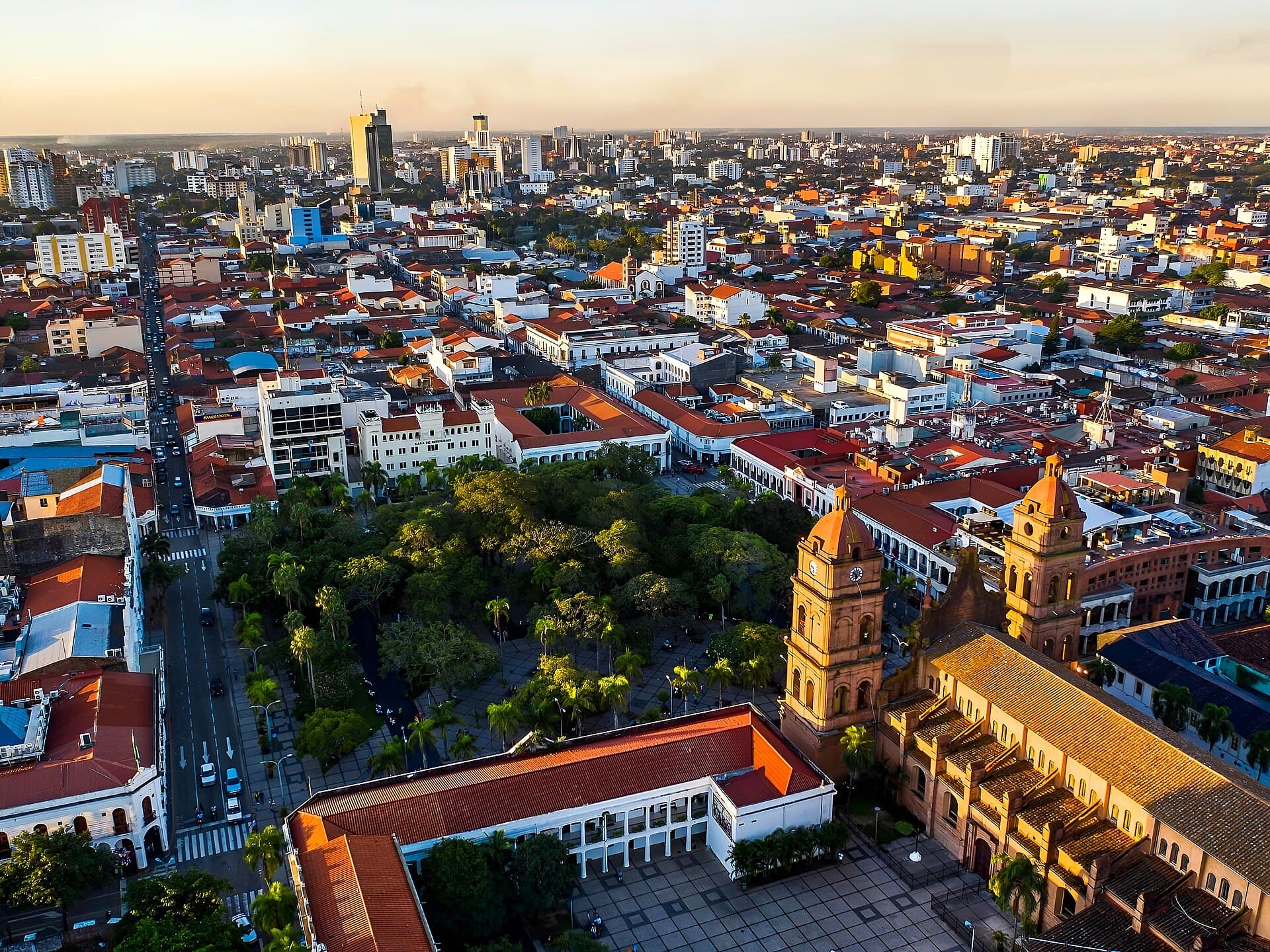 Parallelepiped09 / CC BY-SA 4.0, via Wikimedia Commons
Tour audio autoguidato di Santa Cruz — percorso GPS a piedi, riproduzione offline, narrazione coinvolgente in 32 lingue.
“Santa Cruz: il cuore tropicale della Bolivia batte con un ritmo tutto suo.”
Non le cartoline. Le storie che nemmeno i locali conoscono — sussurrate nel tuo orecchio, proprio dove sono accadute.
Nella piazza principale della città, all'ombra delle palme, si potrebbe osservare un raduno particolare.
Oltre il confine della città, una tranquilla distesa verde nasconde un dettaglio sorprendente per chi ha un occhio attento.
Salire sul campanile della cattedrale principale della città offre più di un semplice panorama.
Scopri ogni segreto di Santa Cruz
Ogni indirizzo, ogni rivelazione completa — nel tuo orecchio, proprio dove è accaduta.
Scegli le tue tappe. Cammini. La voce rivela ciò che gli altri perdono.


Il tuo tour audio autoguidato di Santa Cruz è pronto — scegli i tuoi punti di interesse, seleziona la tua lingua e inizia nel momento in cui arrivi.
AcquistaLume include una guida in realtà aumentata. Alza il telefono: la fotocamera mostra la strada davanti a te, con una freccia luminosa sovrapposta all'immagine reale che punta sempre verso la tua prossima tappa — nessuna mappa da decifrare, nessuna svolta sbagliata. Come tutto in Lume, funziona completamente offline.
Santa Cruz de la Sierra, spesso chiamata semplicemente Santa Cruz, è la città più grande e popolosa della Bolivia, un centro urbano dinamico nelle pianure orientali della nazione. A differenza delle città andine elevate, Santa Cruz offre un'esperienza tropicale, mantenendo un clima caldo e umido durante tutto l'anno. Questa metropoli energica funge da importante motore economico per la Bolivia, contribuendo quasi al 35% del PIL della nazione e attirando una parte sostanziale degli investimenti esteri diretti.
Santa Cruz funge da punto di ingresso ai diversi ecosistemi del paese, dal bacino amazzonico alle pendici andine. È una città che fonde il fascino coloniale con un'atmosfera moderna e vivace, rendendola una tappa distintiva per i viaggiatori che esplorano la Bolivia. Il sistema di strade anulari concentriche della città semplifica la navigazione e le sue vivaci piazze e mercati invitano a un'esplorazione approfondita.
Santa Cruz de la Sierra fu fondata il 26 febbraio 1561 dall'esploratore spagnolo Ñuflo de Chaves. Nominò l'insediamento in onore della sua città natale in Estremadura, Spagna, collocandola inizialmente a circa 220 chilometri a est della sua sede attuale. I primi anni della città furono caratterizzati da frequenti scontri con le tribù indigene, che portarono a diversi trasferimenti prima del suo insediamento definitivo sul fiume Piray alla fine del XVI secolo.
Per gran parte della sua esistenza, Santa Cruz rimase un avamposto relativamente isolato dell'Impero spagnolo, fungendo da punto di partenza per le missioni gesuite volte a convertire le popolazioni indigene di Chiquitos e Moxos. Questa lontananza geografica favorì un'identità culturale ed economica distinta, con un'enfasi sull'agricoltura e sull'allevamento del bestiame. I residenti, noti come 'Cruceños', coltivarono un forte senso di autosufficienza e identità regionale.
Il percorso della città verso l'indipendenza fu intrecciato con il più ampio movimento di indipendenza boliviano. Una rivolta contro il dominio spagnolo avvenne a Santa Cruz il 24 settembre 1810, segnando un momento significativo nella Guerra d'Indipendenza boliviana. Sebbene la Bolivia dichiarò formalmente l'indipendenza nel 1825, la lotta a Santa Cruz giocò un ruolo cruciale.
Una trasformazione fondamentale avvenne a metà del XX secolo con il completamento di un'autostrada che collegava Santa Cruz a Cochabamba e di una ferrovia per il Brasile. Questi progetti infrastrutturali, insieme alla scoperta di significativi giacimenti di petrolio e gas naturale, spinsero la città fuori da secoli di isolamento e in un periodo di rapida espansione economica e demografica. Alla fine del XXI secolo, Santa Cruz aveva superato La Paz diventando la città più grande della Bolivia, consolidando il suo ruolo di principale centro economico e commerciale del paese.
Inizia il tuo viaggio in Plaza 24 de Septiembre, il punto d'incontro centrale della città, dove la gente del posto si riunisce all'ombra delle palme. L'imponente Cattedrale Basilica di San Lorenzo domina la piazza, offrendo un profondo senso del passato e l'opportunità di salire sul suo campanile per ammirare ampie viste sulla città. Adiacente alla cattedrale, Manzana Uno Espacio de Arte espone opere contemporanee di artisti locali.
Per un incontro con la natura, il Giardino Botanico di Santa Cruz offre una fuga verdeggiante con diverse specie vegetali e animali. In alternativa, lo Zoo Municipale si concentra su specie boliviane autoctone, tra cui ara e tucani nel suo aviario. Un fenomeno naturale unico non lontano dal centro città sono le Las Lomas de Arena, un parco regionale con dune di sabbia e lagune dove è possibile persino provare il sandboarding.
Approfondisci la cultura locale al Museo Etnofolcloristico o al Museo Guaraní, che illumina il popolo indigeno Guaraní. Per un assaggio della vita locale, esplora il vivace Mercado General Los Pozos o altri mercati all'aperto.
Santa Cruz gode di un clima tropicale, il che significa che rimane calda e umida per gran parte dell'anno. Il periodo più favorevole per visitarla è durante la stagione secca, da maggio a settembre. Durante questi mesi, le temperature sono piacevoli e le precipitazioni sono minori, rendendolo ideale per le attività all'aperto. Sebbene ancora caldo, luglio registra tipicamente il mese più fresco. La stagione delle piogge, da novembre a marzo, porta piogge più intense e maggiore umidità.
La valuta ufficiale della Bolivia è il Boliviano (BOB), spesso chiamato peso. Sebbene i dollari USA siano ampiamente riconosciuti, è generalmente consigliabile pagare nella valuta locale per le transazioni quotidiane per ottenere il miglior valore. Il cambio valuta può essere effettuato presso uffici di cambio ufficiali ('casas de cambio') o banche; evita di cambiare denaro per strada. Gli sportelli bancomat sono facilmente disponibili nelle aree urbane per prelevare Boliviani o dollari USA.
Lo spagnolo è la lingua predominante a Santa Cruz, anche se nella regione si parlano anche lingue indigene come il Guaraní e il Chiquitano. L'inglese è generalmente compreso solo negli hotel e nelle aree turistiche. Santa Cruz è generalmente considerata sicura, ma come ogni grande città, possono verificarsi piccoli crimini, in particolare borseggi in aree affollate e all'aeroporto. È prudente utilizzare 'radio taxi' affidabili o servizi di ride-sharing come Uber, poiché sono stati segnalati furti da taxi. L'aeroporto internazionale Viru Viru (VVI) è il principale terminal aereo internazionale della Bolivia, situato a 17 km a nord della città, con taxi e servizi navetta disponibili per il centro città.
Santa Cruz — coreano, cinese, ebraico e altre 29 lingue, ogni tappa narrata da una voce madrelingua. La più ampia scelta di lingue tra i tour audio autoguidati.
Disponibile in: