De naam Santillana del Mar
Ondanks zijn naam, staat Santillana del Mar liefkozend bekend als het "Dorp van de Drie Leugens".
Volledig verhaal ontgrendeld in de tour
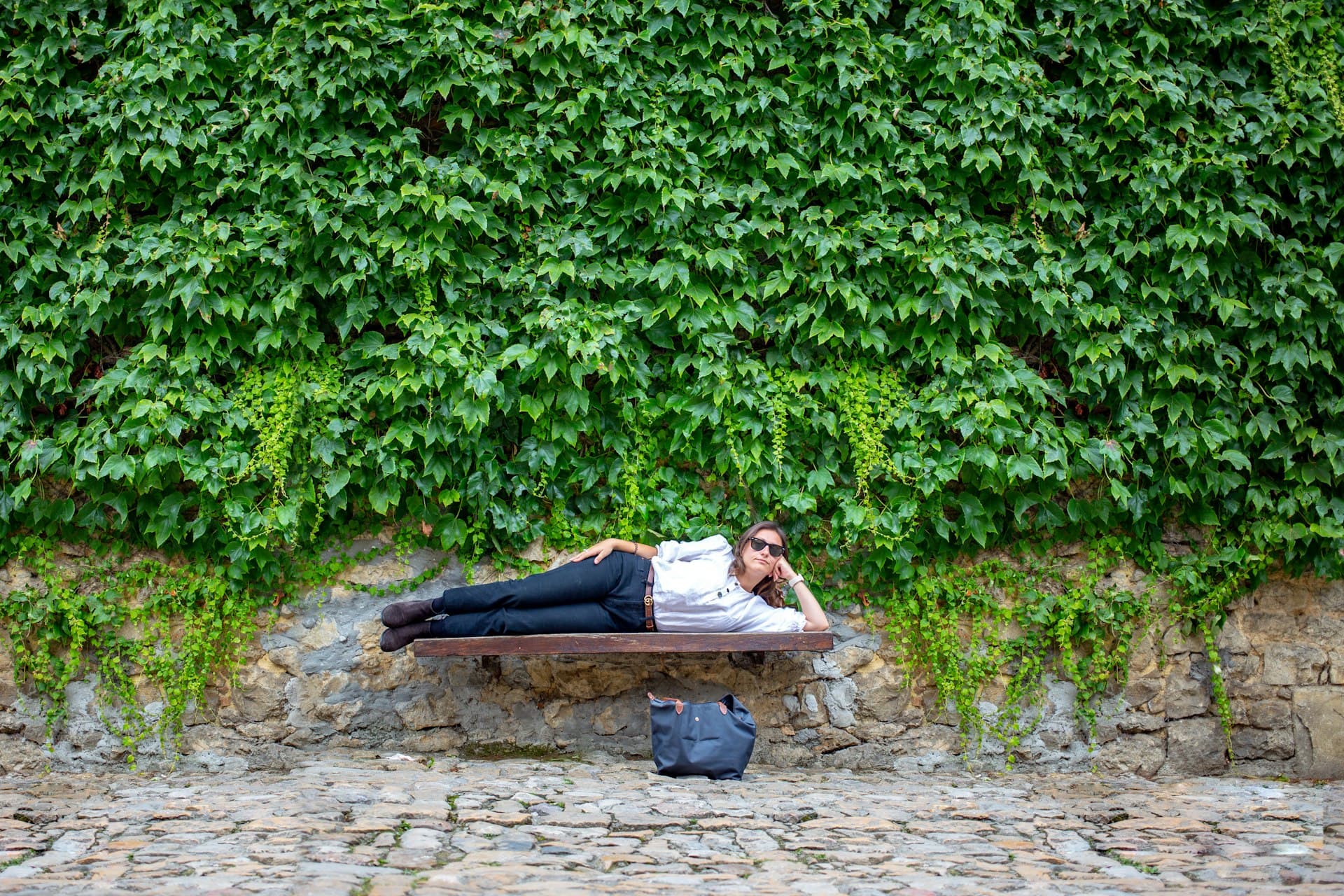 Photo: Cayetano Gros / Unsplash
Zelfgeleide audiowandeling door Santillana del Mar — GPS-route, offline afspelen, meeslepende vertelling in 32 talen.
“Oude stenen herinneren aan eeuwen van leven in dit Cantabrische dorp, waar middeleeuwse gratie de dageraad van menselijke kunst ontmoet.”
Niet de ansichtkaarten. De verhalen die zelfs locals niet kennen — gefluisterd in je oor, precies waar ze gebeurden.
Ondanks zijn naam, staat Santillana del Mar liefkozend bekend als het "Dorp van de Drie Leugens".
De onthulling van de grotschilderingen van Altamira leidde tot een wetenschappelijk debat dat tientallen jaren duurde.
Tegen de 17e eeuw hadden de inwoners van Santillana del Mar zoveel welvaart bereikt dat velen stopten met werken.
Ontdek elk geheim van Santillana del Mar
Elk adres, elke onthulling volledig — in je oor, precies waar het gebeurde.
Jij kiest je stops. Jij wandelt. De stem onthult wat de anderen missen.
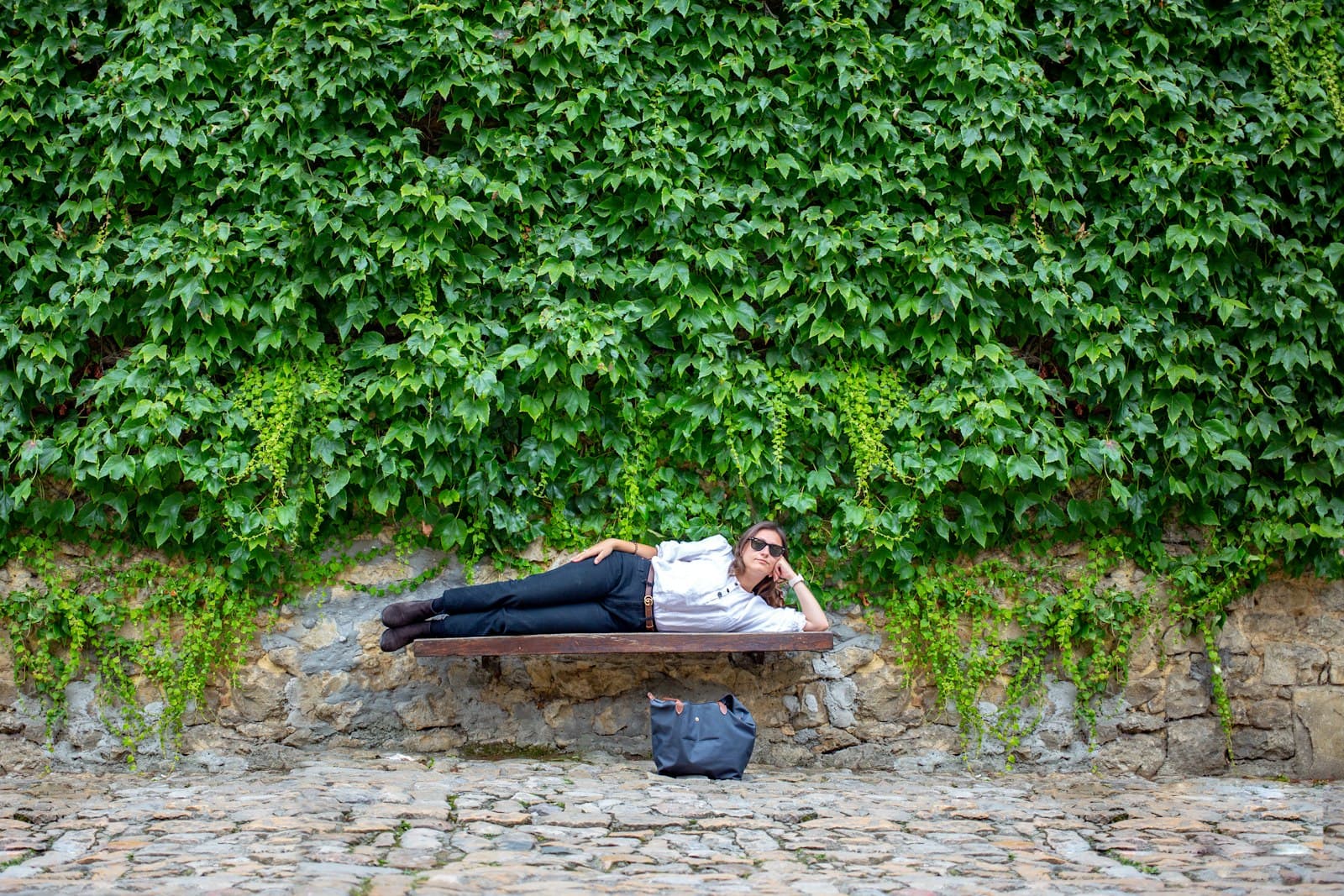

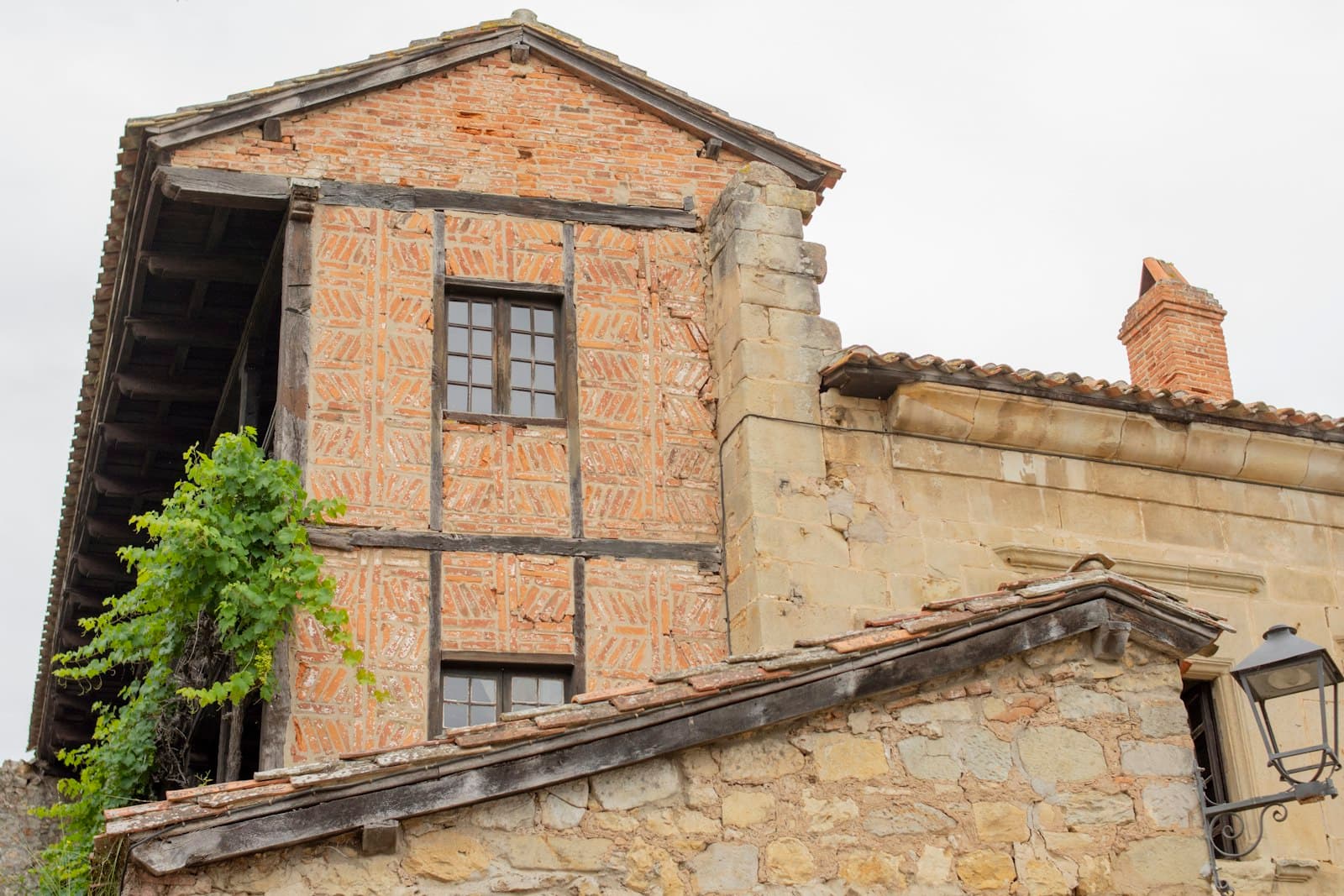
Lume heeft een ingebouwde augmented-reality-gids. Houd je telefoon omhoog: de camera toont de straat voor je, met een oplichtende pijl over het echte beeld die altijd naar je volgende stop wijst — geen kaart om uit te puzzelen, geen verkeerde afslagen. Zoals alles in Lume werkt het volledig offline.
Santillana del Mar, een middeleeuws dorp in de Spaanse regio Cantabrië, biedt een reis terug in de tijd met zijn opmerkelijk goed bewaarde historische centrum. Vaak genoemd als een van de meest aantrekkelijke stadjes van Spanje, nodigen de stenen paden, huizen met houten balkons en oude pleinen bezoekers uit om hun tempo te vertragen en de sfeer in zich op te nemen. Het hele dorp is een beschermd Nationaal Monument, met architectuur voornamelijk uit de 14e tot 18e eeuw.
Naast zijn middeleeuwse charme, heeft Santillana del Mar een diepere historische betekenis als toegangspoort tot de Grotten van Altamira, een UNESCO Werelderfgoedlocatie met enkele van 's werelds beroemdste prehistorische grotschilderingen. Gelegen op slechts 30 kilometer van Santander, is het een ideale bestemming voor een dagtocht, hoewel de charme ervan uitnodigt tot een langer verblijf.
De oorsprong van Santillana del Mar gaat terug tot de 8e eeuw, toen een klooster werd gesticht dat de relikwieën van Sint Juliana huisvestte. Deze religieuze site breidde zich geleidelijk uit en werd in de 12e eeuw de indrukwekkende Collegiale Kerk van Santa Juliana, waarrond het middeleeuwse dorp zich ontwikkelde. De Collegiale Kerk zelf wordt beschouwd als een schoolvoorbeeld van Romaanse architectuur in Cantabrië.
In de Middeleeuwen was Santillana del Mar uitgegroeid tot een belangrijk religieus en economisch centrum, en een halte op de noordelijke route van de pelgrimage naar Santiago de Compostela. In 1209 verleende koning Alfons VIII Santillana zijn stadsrechten, en het werd de hoofdstad van de Asturias de Santillana, een middeleeuwse jurisdictie die een groot deel van het huidige Cantabrië omvatte. In deze periode werden verdedigingstorens en paleizen gebouwd, wat de strategische belangrijkheid van de stad en de groeiende invloed van adellijke families weerspiegelde.
De 15e eeuw markeerde een verschuiving toen adellijke families aan invloed wonnen, waardoor de stad veranderde in een bolwerk van aristocratische macht. Veel van de grandioze herenhuizen en paleizen die vandaag de dag zichtbaar zijn, versierd met familiewapens, werden gebouwd tussen de 14e en 18e eeuw, vaak met rijkdommen die waren meegebracht door inwoners die naar Amerika waren geëmigreerd. Deze architectonische erfenis draagt bij aan het homogene en harmonieuze uiterlijk van de stad, een visuele tijdlijn van zijn diepe verleden. Het stadscentrum is erkend als nationaal monument en behoudt zijn middeleeuwse en renaissance-architectuur in uitstekende staat.
Wandelen door het autovrije historische centrum van Santillana del Mar is een ervaring op zich, met zijn stenen paden, huizen en traditionele houten balkons. De Collegiale Kerk van Santa Juliana staat in het hart van de stad, een belangrijk Romaans monument dat de relikwieën van zijn naamgeefster huisvest. Het klooster is bijzonder opmerkelijk vanwege zijn middeleeuwse beeldhouwwerken.
Twee kilometer van de stad biedt het Museum en Onderzoekscentrum van Altamira een getrouwe replica van de originele Grotten van Altamira, bekend als de "Neocave". Hoewel de originele grot gesloten is voor publiek ter bescherming, biedt de Neocave een meeslepende ervaring van de Paleolithische grotschilderingen, vaak de "Sistijnse Kapel van het Paleolithicum" genoemd.
Verken de Plaza Mayor, het centrale plein van de stad, omringd door historische gebouwen zoals het Stadhuis en de Torre de Don Borja, een middeleeuwse toren die nu tentoonstellingen huisvest. Andere opmerkelijke bouwwerken zijn het Palais van de familie Velarde, een prachtig voorbeeld van renaissance-architectuur, en de Casas de los Quevedo y Cossío, die een inkijkje geven in de Cantabrische geschiedenis en literatuur.
Voor een ander perspectief biedt het Museum van de Foltering (Inquisicion) een sombere kijk op historische instrumenten. Het Bisdommuseum Regina Coeli herbergt een collectie religieuze kunst en artefacten.
Het meest aangename weer in Santillana del Mar is van mei tot oktober, met milde temperaturen tussen 19°C en 24°C. De zomer (juni tot september) is de populairste tijd, met levendige buitenrestaurants en lange wandelingen, hoewel het ook meer bezoekers en hogere prijzen met zich meebrengt. Voor een rustiger bezoek zijn de lente (april tot mei) en de herfst (oktober) uitstekende alternatieven, met aangename temperaturen en minder toeristen. Deze schouderseizoenen zijn ideaal om de stad en nabijgelegen attracties te verkennen zonder de drukte van het hoogseizoen. Zelfs februari biedt mogelijkheden voor natuurwandelingen en culturele bezoeken, ondanks kouder, winderiger weer.
Santillana del Mar ligt in Cantabrië, Noord-Spanje, ongeveer 30 kilometer van Santander. De makkelijkste manier om er te komen is met de directe bus vanaf het busstation van Santander, een reis van ongeveer 40 minuten. Rijden is ook een schilderachtige optie, die flexibiliteit biedt om de bredere regio Cantabrië te verkennen. Betaalde parkeergelegenheid is beschikbaar aan de rand van het middeleeuwse dorp, aangezien het historische centrum autovrij is.
Comfortabel schoeisel is essentieel voor het navigeren door de stenen paden van de stad. Hoewel veel bezienswaardigheden op een dag te zien zijn, maakt een overnachting een meer ontspannen ervaring mogelijk. Accommodatie varieert van familiehotels tot traditionele stenen gebouwen en gerestaureerde herenhuizen. Overweeg om van tevoren te boeken, vooral tijdens de zomermaanden, vanwege beperkte opties en hogere prijzen. De lokale keuken omvat traditionele Cantabrische gerechten, en u vindt er ambachtelijke winkels die lokale handwerken verkopen.
Santillana del Mar — Koreaans, Chinees, Hebreeuws en nog 29 talen, elke stop verteld door een moedertaalspreker. Het grootste taalaanbod van alle zelfgeleide audiotours.
Beschikbaar in: