Rua do Giz
Esta rua no centro histórico é celebrada por sua beleza, mas seu encanto mais profundo reside além da mera estética.
História completa desbloqueada no tour
 Lechenet.com / CC BY-SA 3.0, via Wikimedia Commons
Tour de áudio autoguiado por São Luís — rota GPS a pé, reprodução offline, narração envolvente em 32 idiomas.
“Onde as origens francesas encontram a arte portuguesa e o pulso do reggae.”
Não os postais. As histórias que nem os locais conhecem — sussurradas ao seu ouvido, exatamente onde aconteceram.
Esta rua no centro histórico é celebrada por sua beleza, mas seu encanto mais profundo reside além da mera estética.
Além de sua função como local de culto, esta catedral guarda uma história de um momento crucial no passado da cidade, um testemunho de fé e luta.
Sob as avenidas coloniais de São Luís, uma lenda local fala de uma criatura colossal e invisível cujo despertar poderia trazer a ruína da cidade.
Descubra cada segredo de São Luís
Cada endereço, cada revelação na íntegra — no seu ouvido, exatamente onde aconteceu.
Você escolhe as suas paragens. Você caminha. A voz revela o que os outros perdem.


O seu tour áudio autoguiado de São Luís está pronto — escolha os seus pontos de interesse, selecione o seu idioma e comece no momento em que chegar.
ComprarA Lume inclui um guia de realidade aumentada. Levante o telemóvel: a câmara mostra a rua à sua frente, com uma seta luminosa sobreposta à imagem real que aponta sempre para a sua próxima paragem — sem mapa para decifrar, sem voltas erradas. Como tudo na Lume, funciona totalmente offline.
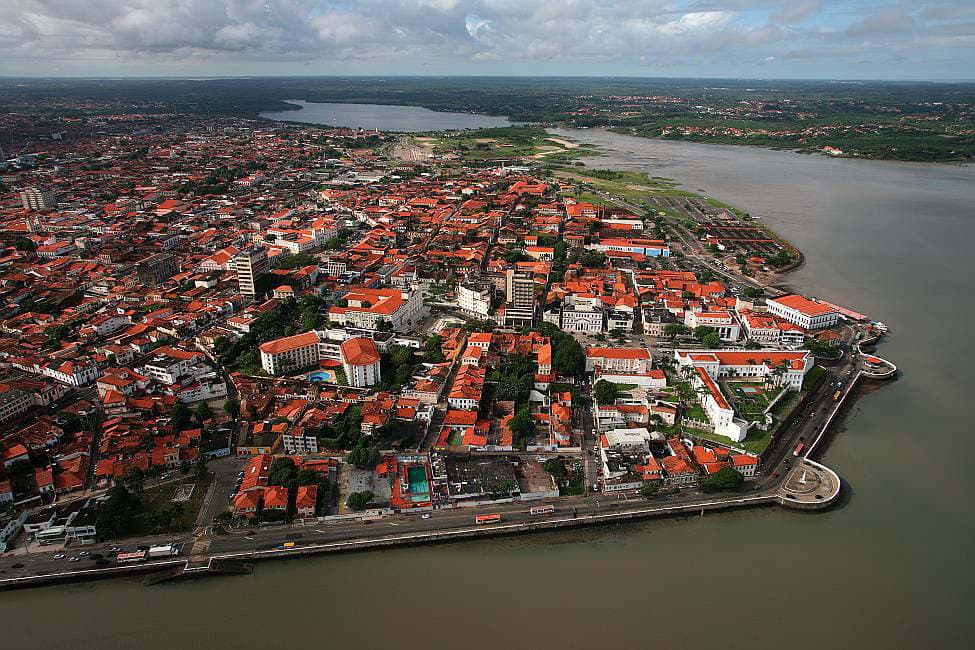
São Luís, a capital do Maranhão, apresenta um caráter distinto dentro do Brasil. Ela detém a distinção singular de ser a única capital de estado brasileira estabelecida pelos franceses, uma herança que, juntamente com subsequentes ocupações holandesa e portuguesa, teceu um tecido cultural singular. Situada em uma ilha na Baía de São Marcos, onde vários rios convergem para o Atlântico, São Luís ocupa uma posição marítima estratégica. O centro histórico da cidade, designado Patrimônio Mundial da UNESCO em 1997, funciona como um museu a céu aberto, admirado por seu traçado de ruas preservado do século XVII e um acervo excepcional de arquitetura colonial portuguesa adornada com vibrantes azulejos.
Conhecida por títulos evocativos como 'Cidade dos Azulejos', 'Jamaica Brasileira' e 'Ilha do Amor', São Luís oferece uma convergência única de ressonância histórica e cultura contemporânea vibrante. Seu legado arquitetônico, marcado por sobrados e a mais extensa coleção de azulejos exteriores no Brasil, espelha um passado colonial adaptado às condições equatoriais. Além de seu apelo arquitetônico, São Luís pulsa com uma forte identidade afro-brasileira, evidente em suas celebrações populares como o Bumba Meu Boi e o Tambor de Crioula, e seu papel inesperado como capital do reggae do Brasil. Essa fusão cria uma atmosfera que é ao mesmo tempo historicamente profunda e ritmicamente viva.
## Origem Francesa e Autoridade Mutável A história de São Luís começa não com os portugueses, como é comum em grande parte do Brasil, mas com os franceses. Em 1612, uma expedição francesa liderada por Daniel de la Touche, Seigneur de la Ravardière, estabeleceu um assentamento e forte chamado Saint-Louis de Maragnan, em homenagem ao Rei Luís XIII e São Luís IX. Este marcou o ambicioso empreendimento da 'França Equinocial'. Os franceses escolheram a ilha por sua posição geográfica estratégica, oferecendo um porto natural para defesa e navegação, e servindo como um reduto contra as potências ibéricas.
Apenas três anos depois, em 1615, os portugueses, sob Jerônimo de Albuquerque, tomaram o assentamento, expulsando os franceses e renomeando-o São Luís. Foram os portugueses que então implementaram o grid retangular de ruas que ainda define o centro histórico. No entanto, o controle português não foi absoluto. Em 1641, a cidade foi invadida e ocupada pelos holandeses como parte de suas incursões mais amplas no Brasil. Uma força de 1.000 soldados liderada pelo Almirante Jan Cornelisz Lichthart saqueou a cidade, particularmente suas estruturas católicas. A ocupação holandesa durou 27 meses, concluindo em 1644, quando os portugueses recuperaram a autoridade após uma rebelião.
## A Era do Algodão e a Quietude Subsequente São Luís experimentou um florescimento econômico durante os séculos XVIII e XIX, em grande parte impulsionado pelo próspero comércio de algodão e arroz. Sua localização vantajosa, mais próxima da Europa do que os portos do sul do Brasil, a tornou um porto primário para o embarque de algodão, especialmente durante a Revolução Americana, quando suplantou os portos dos EUA. A prosperidade gerada durante este período levou à construção de muitas mansões grandiosas, formando o conjunto arquitetônico agora reconhecido como Patrimônio Mundial da UNESCO. No entanto, com a conclusão da Revolução Americana, a proeminência de São Luís no comércio de algodão diminuiu, levando a um período de quietude econômica no início do século XX. Essa desaceleração econômica, talvez contraintuitivamente, desempenhou um papel vital na preservação da arquitetura colonial da cidade. Com pouca construção nova, um número excepcional de edifícios dos séculos XVIII e XIX perdurou, tornando São Luís um exemplo notável de uma cidade colonial ibérica. Desde 1989, extensas iniciativas têm sido realizadas para restaurar e reformar o centro histórico, garantindo sua preservação contínua.
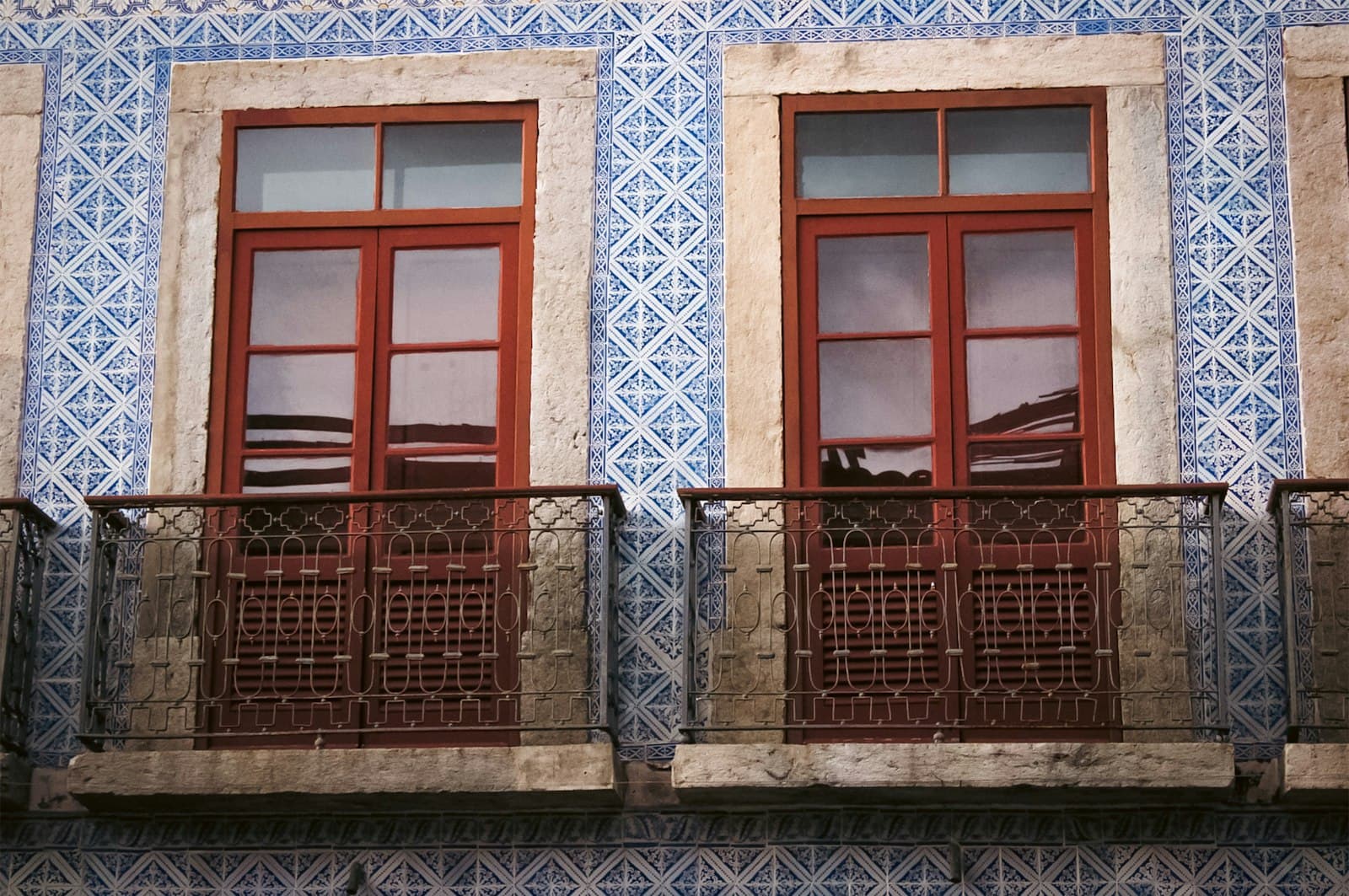
O centro de São Luís é o seu Centro Histórico, um Patrimônio Mundial da UNESCO, onde avenidas pavimentadas com pedras serpenteiam por milhares de estruturas coloniais. Considere um tour guiado para apreciar plenamente as mansões em tons pastel, igrejas e praças públicas. As fachadas revestidas de azulejos são uma característica definidora, oferecendo beleza e insights sobre a adaptação climática da era colonial.
Marcos arquitetônicos significativos incluem o Palácio dos Leões, sede do governo estadual, um edifício do século XVII que oferece vislumbres do passado e da arte da cidade. A Igreja da Sé (Catedral de São Luís) é um monumento religioso e histórico notável. Para um gostinho da vida local, visite o Mercado Central, onde você pode provar comidas tradicionais como tapioca e açaí. A Casa das Tulhas é outro mercado interno intrigante para artesanato e arte.
Além da cidade, considere uma viagem de um dia a Alcântara, uma cidade vizinha com edifícios coloniais preservados, igrejas e museus. Para aqueles que apreciam a natureza, o Parque Nacional dos Lençóis Maranhenses, com sua paisagem única de formações de areia e lagoas de água doce, é acessível por meio de passeios organizados a partir de São Luís.
São Luís experimenta um clima tropical, com temperaturas consistentemente quentes a muito quentes durante todo o ano. A época mais favorável para visitar é durante a estação seca, que geralmente se estende de agosto a novembro. Durante esses meses, a chuva é mínima e você desfrutará de sol abundante, ideal para explorar a cidade e suas praias. De julho a setembro oferece um bom equilíbrio entre clima seco e lagoas cheias nos Lençóis Maranhenses, pois as lagoas se formam durante a estação chuvosa anterior. A estação chuvosa ocorre de final de dezembro a julho, com as chuvas mais fortes geralmente em março e abril.
São Luís é servida pelo Aeroporto Internacional Marechal Cunha Machado (SLZ), com voos de grandes cidades brasileiras. Táxis e aplicativos de transporte como Uber estão disponíveis para transferências para o centro histórico, geralmente custando cerca de R$ 40-60. Dentro da cidade, caminhar é agradável no Centro Histórico devido às suas ruas para pedestres. Para distâncias mais longas, uma extensa rede de ônibus conecta várias partes da cidade, e serviços de transporte por aplicativo são uma alternativa conveniente aos táxis. Alugar um carro é uma opção, mas o congestionamento do tráfego pode ser um fator. Ao fazer as malas, priorize roupas leves feitas de tecidos naturais, sapatos confortáveis para caminhar em ruas de paralelepípedos, um chapéu e protetor solar devido ao clima tropical.
Embora o Brasil em geral exija cautela em relação ao crime, as áreas turísticas de São Luís são relativamente mais seguras. No entanto, é sempre aconselhável permanecer atento, especialmente após o anoitecer, e evitar áreas isoladas. Abstenha-se de exibir sinais de riqueza e esteja ciente do seu entorno. Para excursões a lugares como os Lençóis Maranhenses, passeios organizados são uma opção popular e frequentemente recomendada.
São Luís — coreano, chinês, hebraico e mais 29 idiomas, cada parada narrada por uma voz nativa. A maior variedade de idiomas entre os passeios de áudio autoguiados.
Disponível em: