Torre dell'Orologio di Sapporo
Questo punto di riferimento, simbolo di Sapporo, nasconde un'inaspettata curiosità sulla sua percezione.
La storia completa si sblocca nel tour
 Nryate / CC BY-SA 4.0, via Wikimedia Commons
Tour audio autoguidato di Sapporo — percorso GPS a piedi, riproduzione offline, narrazione coinvolgente in 32 lingue.
“Dove la sofisticazione urbana incontra la natura selvaggia del nord.”
Non le cartoline. Le storie che nemmeno i locali conoscono — sussurrate nel tuo orecchio, proprio dove sono accadute.
Questo punto di riferimento, simbolo di Sapporo, nasconde un'inaspettata curiosità sulla sua percezione.
Il luogo di nascita del ramen miso ha un ritmo particolare nelle sue ore più affollate.
Oltre ai suoi sentieri sereni e alla flora diversificata, questo giardino custodisce un tranquillo legame con il passato della città.
Scopri ogni segreto di Sapporo
Ogni indirizzo, ogni rivelazione completa — nel tuo orecchio, proprio dove è accaduta.
Scegli le tue tappe. Cammini. La voce rivela ciò che gli altri perdono.

Il tuo tour audio autoguidato di Sapporo è pronto — scegli i tuoi punti di interesse, seleziona la tua lingua e inizia nel momento in cui arrivi.
AcquistaLume include una guida in realtà aumentata. Alza il telefono: la fotocamera mostra la strada davanti a te, con una freccia luminosa sovrapposta all'immagine reale che punta sempre verso la tua prossima tappa — nessuna mappa da decifrare, nessuna svolta sbagliata. Come tutto in Lume, funziona completamente offline.
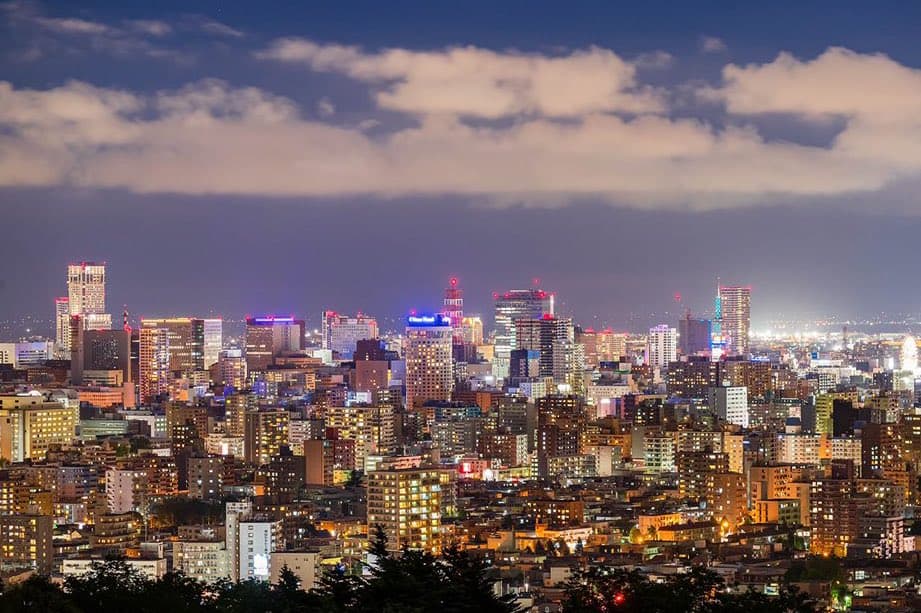
Sapporo, la capitale di Hokkaido, è una città dove la raffinatezza urbana e la bellezza selvaggia dell'isola più settentrionale del Giappone si intrecciano. Conosciuta per i suoi ampi viali alberati e un distinto sistema di strade a griglia, Sapporo offre un'atmosfera diversa da molte altre città giapponesi. Con una popolazione che si avvicina ai due milioni, è il cuore culturale, economico e politico di Hokkaido.
La città ha ottenuto riconoscimenti internazionali come prima città asiatica ad ospitare le Olimpiadi Invernali nel 1972 e continua ad essere celebrata per i suoi sport invernali, i vivaci festival e la sua distintiva scena culinaria. Dalle sue origini come piccolo villaggio nel 1857, Sapporo si è rapidamente sviluppata durante l'era Meiji, abbracciando influenze occidentali ancora visibili nella sua architettura e nella pianificazione urbana.
La storia moderna di Sapporo iniziò seriamente durante l'era Meiji (1868-1912), un periodo di rapida modernizzazione e occidentalizzazione in tutto il Giappone. La città fu ufficialmente fondata nel 1868, quando il governo giapponese cercò di sviluppare e colonizzare l'isola di Hokkaido, tradizionalmente abitata dal popolo indigeno Ainu. Il nome "Sapporo" deriva dalla lingua Ainu e significa "grande fiume secco", un riferimento al fiume Toyohira che attraversa la città.
L'assistenza americana giocò un ruolo significativo nello sviluppo iniziale di Sapporo. La città fu progettata con un sistema a griglia rettangolare ispirato al Nord America, rendendola notevolmente facile da navigare. Questa influenza occidentale è evidente anche in alcune delle sue prime strutture, come la Torre dell'Orologio di Sapporo. Costruita nel 1878 come sala di addestramento militare per il Sapporo Agricultural College (ora Università di Hokkaido), il suo stile architettonico americano contrasta con gli edifici tradizionali giapponesi dell'epoca. L'orologio stesso, installato nel 1881, fu acquistato dalla Howard Clock Company di Boston.
Dal suo iniziale focus sull'agricoltura e l'industria, inclusa la fondazione della Kaitakushi Brewery (predecessore della Sapporo Beer) nel 1876, Sapporo crebbe costantemente. Il Festival della Neve di Sapporo, iniziato nel 1950 con studenti che creavano statue di neve nel Parco Odori, divenne rapidamente un importante evento internazionale, attirando milioni di visitatori ogni anno. La popolazione della città superò il milione nel 1970, consolidando il suo status di centro commerciale di Hokkaido.
Sapporo raggiunse la fama mondiale nel 1972 quando ospitò gli XI Giochi Olimpici Invernali, segnando la prima volta che le Olimpiadi Invernali si tenevano in Asia. Questo evento stimolò un significativo sviluppo infrastrutturale, inclusa l'apertura del sistema della metropolitana municipale di Sapporo nel 1971. La città ha continuato ad ospitare importanti eventi sportivi, tra cui partite per la Coppa del Mondo FIFA 2002 e la Coppa del Mondo di Rugby 2019, e i Giochi Asiatici Invernali più volte.
Inizia la tua esplorazione dal Parco Odori, un'ampia distesa verde che si estende attraverso il centro della città. Questo parco non è solo uno spazio piacevole per una passeggiata, ma anche la sede principale di eventi importanti come il Festival della Neve di Sapporo e il Festival Estivo di Sapporo. Alla sua estremità orientale si erge la Torre della TV di Sapporo, che offre viste panoramiche sul parco e sulla città circostante dalla sua piattaforma di osservazione alta 90 metri.
A pochi passi dal Parco Odori si trova la Torre dell'Orologio di Sapporo, una struttura in legno risalente al 1878. Originariamente una sala di addestramento per il Sapporo Agricultural College, ora ospita un museo che illustra il passato della città. Nelle vicinanze, l'Ex Edificio del Governo di Hokkaido, affettuosamente conosciuto come "Ufficio in Mattone Rosso", mostra l'architettura neobarocca americana del 1888.
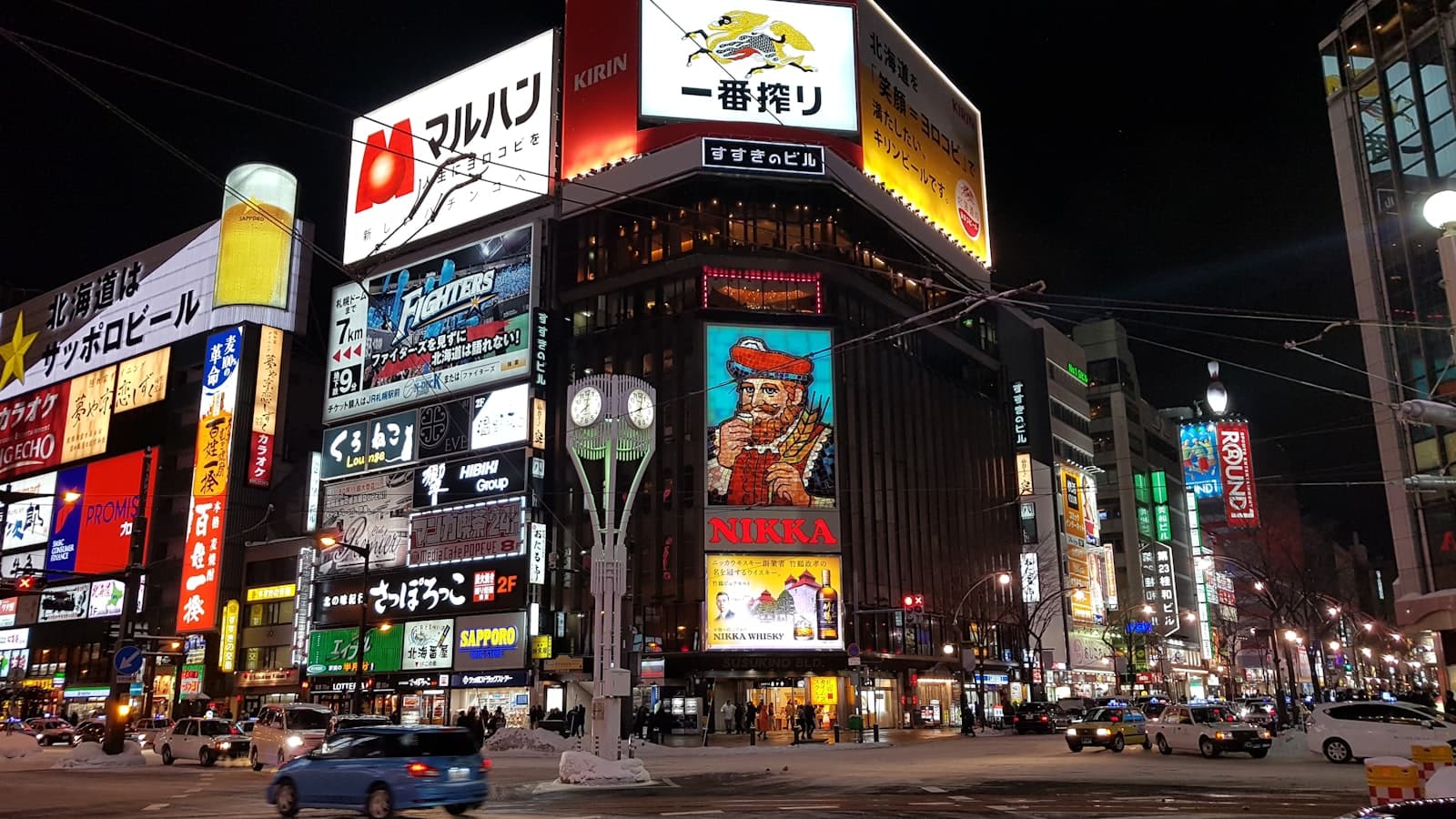
Per un assaggio della cultura locale, visita il Museo della Birra di Sapporo, situato nell'edificio del birrificio più antico del Giappone, fondato nel 1876. Qui potrai conoscere la storia della Birra Sapporo e gustare delle degustazioni. Adiacente al museo si trova il Beer Garden di Sapporo, dove potrai provare il Jingisukan (Genghis Khan) BBQ, una specialità di Hokkaido a base di agnello grigliato. Non perderti il Ganso Sapporo Ramen Yokocho, o "Vicolo del Ramen", nel quartiere di Susukino. Questo stretto vicolo è fiancheggiato da 17 ristoranti di ramen, ognuno dei quali offre varianti uniche del famoso ramen miso di Sapporo.
Sfuggite al trambusto urbano nel Giardino Botanico dell'Università di Hokkaido, fondato nel 1886. Questo giardino scientifico ed educativo presenta oltre 4.000 specie vegetali autoctone di Hokkaido, un giardino alpino, una serra e un piccolo museo Ainu. Durante l'inverno, è aperta solo la serra.
Sapporo sperimenta quattro stagioni distinte, ognuna delle quali offre un fascino unico. I mesi estivi (da giugno ad agosto) sono popolari, con temperature miti che vanno tipicamente dai 20°C ai 25°C, rendendolo piacevole per attività all'aperto e festival come il Festival Estivo di Sapporo. A differenza di altre parti del Giappone, l'estate di Sapporo è spesso priva di umidità.
L'autunno (da settembre a novembre) è altamente raccomandato, poiché la città è adornata dal fogliame autunnale e il clima è rinfrescante, con temperature tra i 10°C e i 20°C. Questo è anche il momento ideale per gustare i prodotti stagionali di Hokkaido.
La primavera (da marzo a maggio) porta temperature confortevoli (circa 10-15°C a fine primavera) e la fioritura dei ciliegi da fine aprile a maggio, seguita dai lillà da fine maggio a inizio giugno. Marzo può ancora sembrare inverno, mentre aprile porta il primo vero tepore.
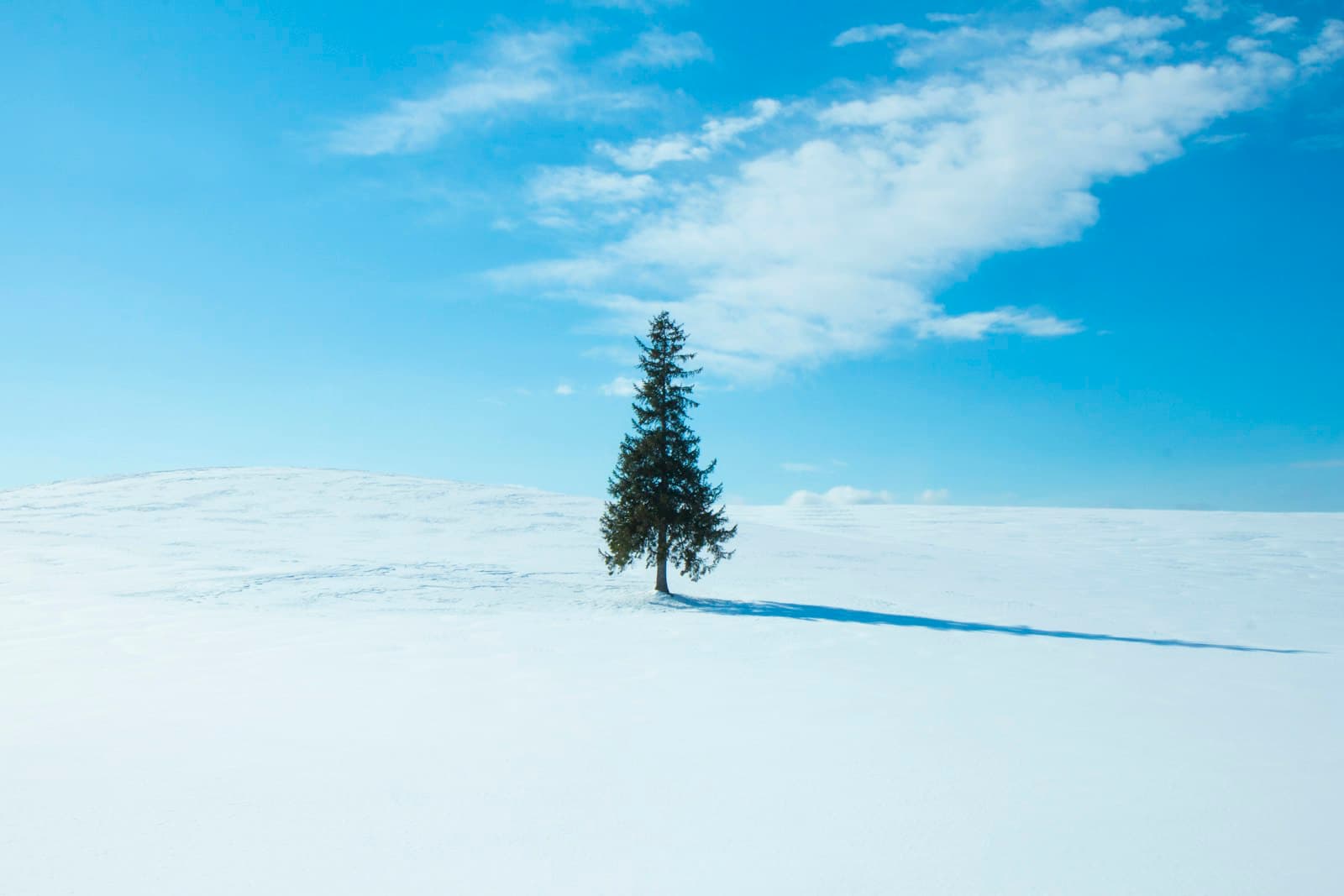
L'inverno (da dicembre a febbraio) è alta stagione grazie alle abbondanti nevicate e al rinomato Festival della Neve di Sapporo a febbraio. Sebbene fredda, con temperature medie intorno ai -3°C, la città si trasforma in un paese delle meraviglie invernale. Se visiti per il Festival della Neve, prenota l'alloggio con largo anticipo.
Sapporo è ben collegata via aerea, con il New Chitose Airport (CTS) che funge da principale porta d'accesso per voli internazionali e nazionali. Dall'aeroporto, il treno JR Rapid Airport offre un rapido viaggio di 35 minuti per la stazione di Sapporo, mentre gli autobus aeroportuali impiegano circa 50-90 minuti. Sono disponibili anche taxi, ma sono l'opzione più costosa.
Spostarsi a Sapporo è comodo grazie al suo efficiente sistema di trasporto pubblico. La città dispone di tre linee della metropolitana che convergono alla stazione di Odori, coprendo la maggior parte delle principali attrazioni. Autobus e un sistema di tram forniscono un'ampia copertura, raggiungendo aree non servite dalla metropolitana. Per le distanze più brevi, specialmente nel centro della città, i percorsi sotterranei offrono percorsi pedonali riparati. Considera l'acquisto di un pass di trasporto ricaricabile prepagato per un uso agevole. Il ciclismo è un'ottima opzione da maggio a ottobre, con un sistema di bike-sharing disponibile.
Gli inverni di Sapporo sono freddi e nevosi, quindi porta abiti caldi, inclusi un buon cappotto, guanti e una sciarpa, se visiti durante questa stagione. Sebbene sia un grande centro urbano, sono possibili incontri con la fauna selvatica, come le volpi, quindi osserva con cautela e da lontano.
Sapporo — coreano, cinese, ebraico e altre 29 lingue, ogni tappa narrata da una voce madrelingua. La più ampia scelta di lingue tra i tour audio autoguidati.
Disponibile in: