Conservatório Estadual de Saratov
Esta maravilha arquitetônica neogótica guarda um segredo além de sua grandiosa fachada.
História completa desbloqueada no tour
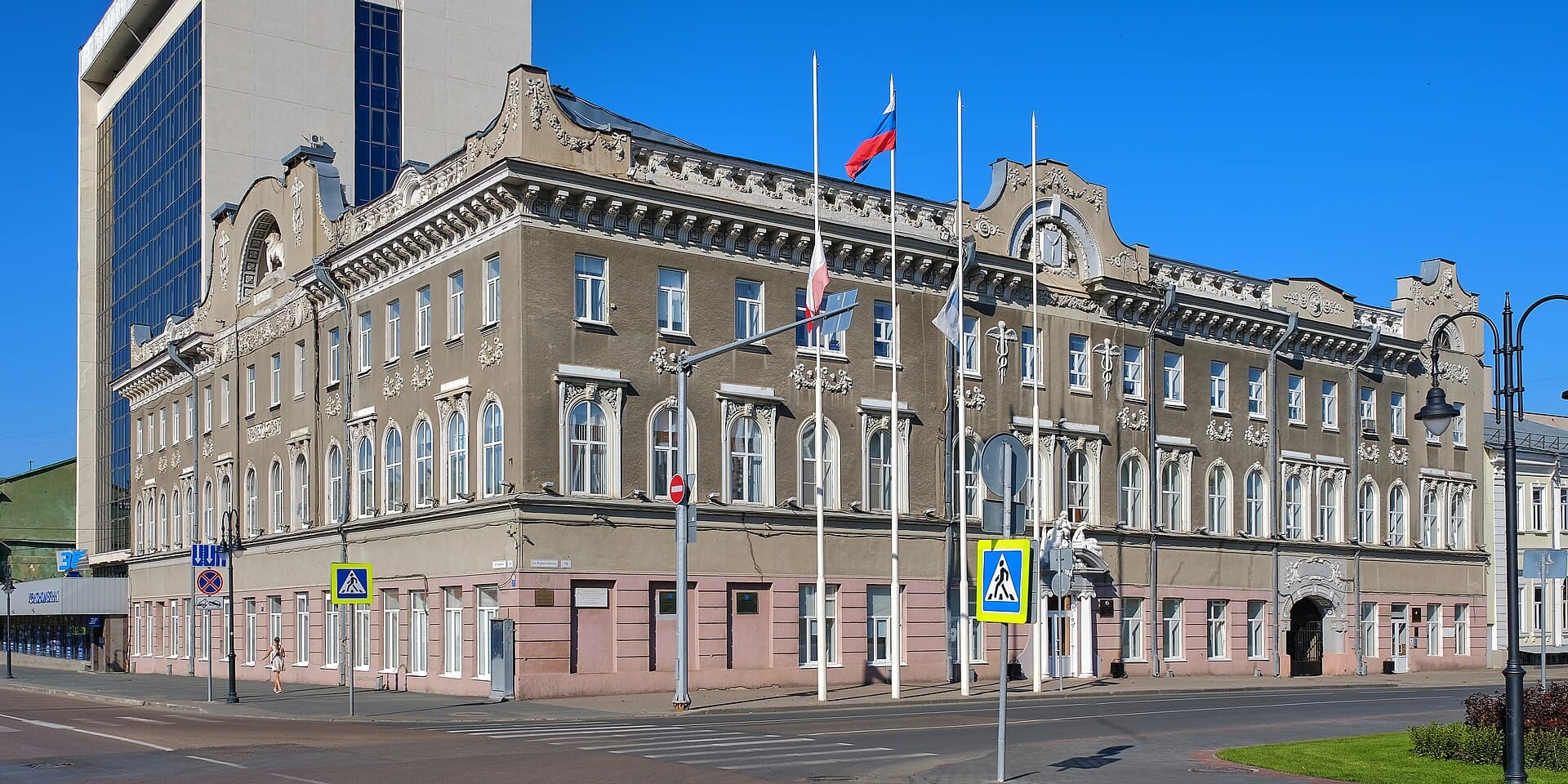 Vyacheslav Bukharov / CC BY-SA 4.0, via Wikimedia Commons
Tour de áudio autoguiado por Saratov — rota GPS a pé, reprodução offline, narração envolvente em 32 idiomas.
“Onde o Volga flui, histórias se desdobram.”
Não os postais. As histórias que nem os locais conhecem — sussurradas ao seu ouvido, exatamente onde aconteceram.
Esta maravilha arquitetônica neogótica guarda um segredo além de sua grandiosa fachada.
Esta imponente estrutura que conecta Saratov e Engels já deteve um recorde que pode surpreendê-lo.
Embora muitos saibam do histórico voo espacial de Yuri Gagarin, poucos percebem a conexão local com seu retorno à Terra.
Descubra cada segredo de Saratov
Cada endereço, cada revelação na íntegra — no seu ouvido, exatamente onde aconteceu.
Você escolhe as suas paragens. Você caminha. A voz revela o que os outros perdem.


O seu tour áudio autoguiado de Saratov está pronto — escolha os seus pontos de interesse, selecione o seu idioma e comece no momento em que chegar.
ComprarA Lume inclui um guia de realidade aumentada. Levante o telemóvel: a câmara mostra a rua à sua frente, com uma seta luminosa sobreposta à imagem real que aponta sempre para a sua próxima paragem — sem mapa para decifrar, sem voltas erradas. Como tudo na Lume, funciona totalmente offline.
Saratov, uma cidade significativa na margem direita do Rio Volga, na Rússia Europeia, oferece uma convergência única de profundidade histórica e proeminência cultural. Com uma população superior a 900.000 habitantes, serve como um porto crucial e o coração administrativo do Oblast de Saratov. Os contornos da cidade são definidos por sua posição elevada ao longo do Volga, emoldurados por colinas ondulantes e florestas densas, proporcionando vistas expansivas e um cenário natural variado.
Inicialmente concebida como uma fortaleza no final do século XVI, Saratov evoluiu de um posto militar para um centro comercial e cultural fundamental na região do Volga. Hoje, destaca-se como um centro de educação e cultura, abrigando inúmeras instituições, teatros e museus. Os visitantes podem explorar sua arquitetura distinta, passear ao longo do aterro do Volga e descobrir a profunda herança da cidade, que inclui uma conexão notável com os alemães do Volga.
As origens de Saratov remontam a 2 de julho de 1590, quando o Duque Grigoriy Zasekin a fundou como uma fortaleza na fronteira sul da Rússia, durante o reinado do Czar Feodor I. Assim como suas fortalezas vizinhas, Tsaritsyn (agora Volgogrado) e Samara, o propósito inicial de Saratov era proteger a Rússia contra incursões nômades. O local da cidade foi movido duas vezes, estabelecendo-se em sua localização atual na margem direita do Volga em 1674, após uma destruição anterior em uma revolta.
No século XVIII, Saratov começou a prosperar como um importante centro comercial, especialmente de peixe e sal do Lago Elton. Sua localização estratégica na interseção da via fluvial Volga e das rotas terrestres para Moscou solidificou seu papel como um importante centro de trânsito. Em 1780, Saratov recebeu o status de cidade governadora, o que impulsionou seu desenvolvimento administrativo e econômico, levando à construção de seus primeiros edifícios de pedra e ao estabelecimento de instituições educacionais e de saúde. O século XIX viu Saratov se transformar em uma das "capitais do grão" da Rússia e se desenvolver ainda mais como um grande centro comercial, especialmente após a conclusão da ferrovia para Moscou na década de 1870.
Um aspecto único do passado de Saratov é sua forte conexão com os alemães do Volga. Em julho de 1763, Catarina II emitiu um édito convidando colonos alemães para a região do Volga, prometendo-lhes autonomia. Muitos alemães se estabeleceram em Saratov, preservando sua língua, educação e tradições culturais, e se tornando uma parte significativa da elite mercantil e industrial da cidade. Essa comunidade desempenhou um papel proeminente na região até sua expulsão antes e durante a Segunda Guerra Mundial.
No século XX, Saratov continuou seu desenvolvimento, tornando-se sede do terceiro conservatório da Rússia em 1912 e um centro industrial crucial, especialmente para a fabricação de aeronaves militares durante a era soviética. A Ponte de Saratov, inaugurada em 1965, foi uma conquista monumental, tornando-se a ponte mais longa da União Soviética na época. Até 1991, Saratov era uma "cidade fechada" devido às suas indústrias de defesa, restringindo o acesso estrangeiro. Hoje, Saratov é um testemunho de seu passado em camadas, oferecendo um rico patrimônio cultural e um presente dinâmico.
Comece sua exploração no Aterro do Volga, oferecendo vistas expansivas do rio e um ambiente agradável para um passeio. A partir daqui, você pode admirar a impressionante Ponte de Saratov, uma maravilha de engenharia significativa que conecta Saratov à cidade de Engels do outro lado do Volga. Considere um passeio de trólebus pela ponte para uma perspectiva única.
Para os entusiastas da arte, o Museu de Arte Radishchev é uma parada vital. Frequentemente chamado de "Hermitage do Volga", abriga uma extensa coleção de mais de 15.000 obras de artistas russos e europeus, incluindo pintores russos notáveis como Ilya Repin e Ivan Shishkin. Mergulhe no coração cultural da cidade visitando o Conservatório Estadual de Saratov nomeado em homenagem a L.V. Sobinov, um edifício neogótico que foi o primeiro conservatório provincial da Rússia. Você pode assistir a um dos muitos concertos realizados lá anualmente.
Aqueles interessados em história devem explorar o Parque da Vitória na Colina Sokolovaya, lar de um Museu Militar ao ar livre e um monumento dedicado aos cidadãos de Saratov que pereceram na Grande Guerra Patriótica. O parque também oferece vistas panorâmicas da cidade. Para uma compreensão mais profunda da história e cultura regional, o Museu de História Local oferece insights sobre a etnografia, flora e fauna da área.
Não perca um passeio pela Avenida Kirov (agora Prospekt Stolypina), uma zona pedonal ladeada por lojas, cafés e restaurantes, perfeita para vivenciar a vida local. A Vila Nacional dos Povos da Região de Saratov, no Parque da Vitória, oferece uma experiência gastronômica e cultural distinta, com casas tradicionais representando diversos grupos étnicos e servindo seus pratos específicos.
A época ideal para visitar Saratov para um clima agradável e atividades ao ar livre é de início de junho a final de agosto. Durante esses meses de verão, as temperaturas médias diárias máximas excedem 21°C (69°F), com julho sendo o mês mais quente, com média de 27°C (81°F). Os céus estão mais limpos em julho, e condições de umidade são infrequentes. A primavera (maio) e o início do outono (setembro) também oferecem temperaturas amenas, adequadas para explorar os parques e sítios históricos da cidade. Os invernos são frios, com mínimas médias em janeiro e fevereiro em torno de -11°C (12°F).
Saratov é servida pelo Aeroporto de Saratov Gagarin (GSV), inaugurado em 2019 e que atende voos internacionais e domésticos. Para viagens de trem, a Estação de Passageiros Saratov-1 é o principal ponto de chegada, convenientemente localizada a cerca de 1,3 km do centro da cidade. Serve como um importante centro, conectando Saratov a Moscou (aproximadamente 15-16 horas noturnas) e a outras cidades russas como Samara e Volgogrado.
Dentro da cidade, o transporte público é robusto, abrangendo *ônibus, trólebus, bondes e marshrutkas*** (micro-ônibus de rota fixa). Os bondes são particularmente notáveis, pois Saratov possui um dos sistemas de bondes mais antigos da Rússia, oferecendo rotas cênicas pelo centro histórico. Os trólebus também fornecem um elo vital através do Volga para Engels pela Ponte de Saratov. Embora o russo seja o idioma principal, é aconselhável familiarizar-se com o alfabeto cirílico para placas de rua e usar um aplicativo de tradução offline, pois a proficiência em inglês pode ser limitada fora das áreas turísticas proeminentes. A moeda local é o Rublo Russo (RUB).
Saratov — coreano, chinês, hebraico e mais 29 idiomas, cada parada narrada por uma voz nativa. A maior variedade de idiomas entre os passeios de áudio autoguiados.
Disponível em: