Musée du Champignon (Pilzmuseum)
Saumurs unterirdische Welt birgt mehr als nur Wein; sie beherbergt eine überraschende Zucht.
Die ganze Geschichte wird in der Tour freigeschaltet
 Martin Falbisoner / CC BY-SA 3.0, via Wikimedia Commons
Selbstgeführte Audio-Walking-Tour durch Saumur — GPS-Route, Offline-Wiedergabe, erzählerische Narration in 32 Sprachen.
“Wo alter Stein auf die Anmut tanzender Pferde trifft.”
Nicht die Postkarten. Die Geschichten, die selbst Einheimische nicht kennen – dir ins Ohr geflüstert, genau dort, wo sie geschahen.
Saumurs unterirdische Welt birgt mehr als nur Wein; sie beherbergt eine überraschende Zucht.
Die erfahrenen Reiter der nationalen Reitschule von Saumur trainieren nicht nur Pferde; ihre Kleidung erzählt eine lebendige Geschichte.
Diese bedeutende Burg, ein Symbol des Loiretals, diente einst unter Napoleon einem gänzlich anderen, weniger königlichen Zweck.
Entdecke jedes Geheimnis von Saumur
Jede Adresse, jede Enthüllung vollständig – in deinem Ohr, genau dort, wo es geschah.
Du wählst deine Stationen. Du gehst. Die Stimme enthüllt, was andere übersehen.
Deine selbstgeführte Audio-Tour durch Saumur ist bereit – wähle deine Sehenswürdigkeiten, deine Sprache und starte, sobald du ankommst.
KaufenLume enthält einen integrierten Augmented-Reality-Guide. Halten Sie Ihr Handy hoch: Die Kamera zeigt die Straße vor Ihnen, mit einem leuchtenden Pfeil über dem echten Bild, der immer auf Ihren nächsten Stopp zeigt — keine Karte zum Rätseln, keine falschen Abzweigungen. Wie alles bei Lume funktioniert es komplett offline.
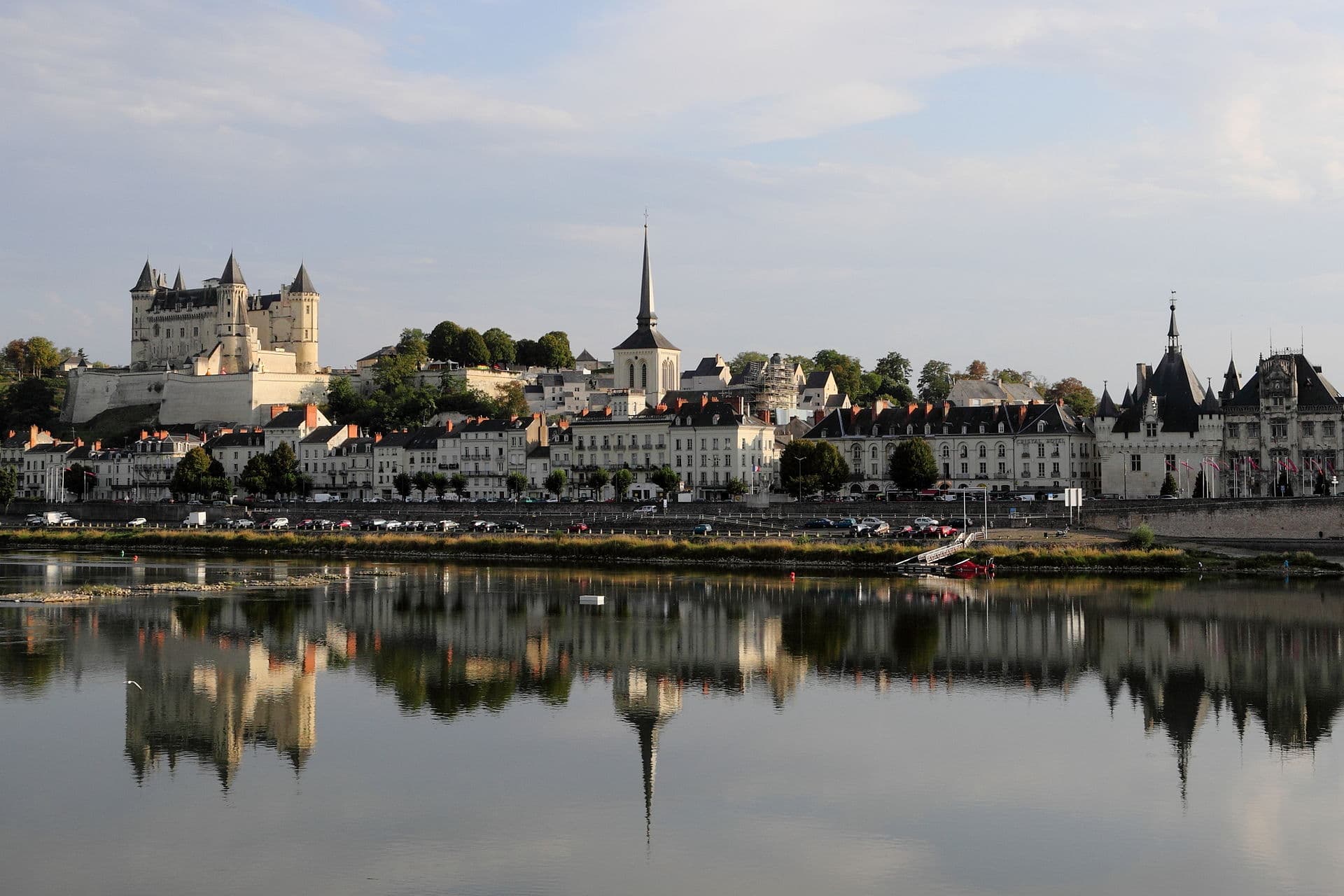
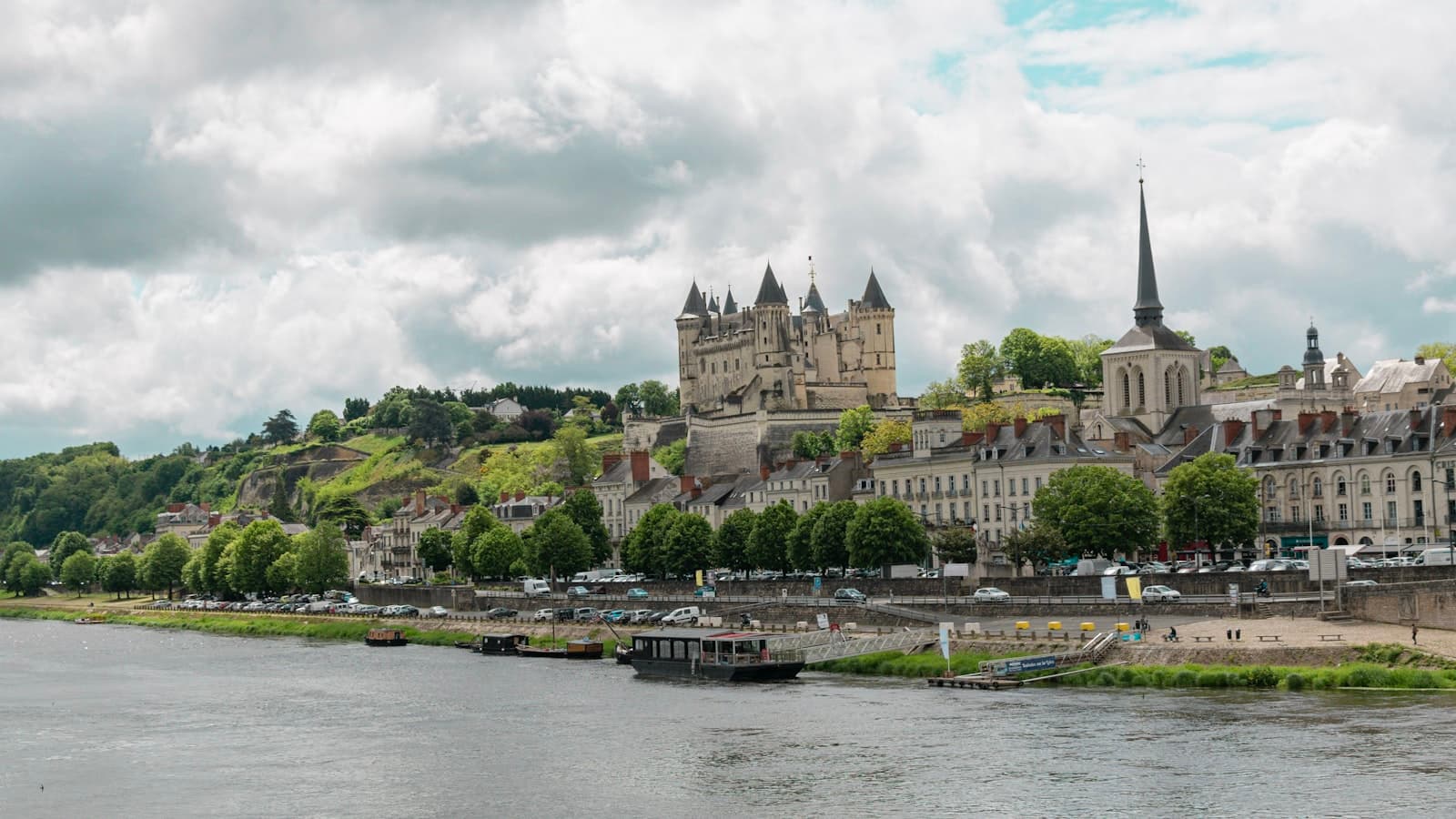
Saumur, eine malerische Stadt im Herzen des französischen Loiretals, ist ein Ort, an dem Geschichte, reiterliches Erbe und eine unverwechselbare unterirdische Welt zusammenlaufen. An der Mündung der Loire und der Thouet gelegen, ist Saumur sofort an seinem eleganten Schloss zu erkennen, das sich erhaben über der Stadt erhebt. Die Architektur der Stadt, geprägt von Gebäuden aus dem lokalen weißen Tuffstein, trägt zu ihrem einzigartigen visuellen Charakter bei.
Über seine sichtbare Anziehungskraft hinaus ist Saumur tief in reiterlicher Exzellenz verwurzelt und beherbergt das renommierte Cadre Noir, die nationale Reitschule Frankreichs. Die umliegende Landschaft bietet Weinberge, die gefeierte Schaum- und Stillweine hervorbringen, sowie ein ausgedehntes Netz von Troglodytenhöhlen, die in den weichen Kalkstein gehauen wurden und jahrhundertelange menschliche Genialität offenbaren. Saumur bietet eine Verschmelzung von kultureller Tiefe, natürlicher Pracht und einer authentischen französischen Atmosphäre, was es zu einem idealen Reiseziel für diejenigen macht, die ein einzigartiges Erlebnis im Loiretal suchen.
Die Geschichte von Saumur reicht Tausende von Jahren zurück, mit frühen Siedlungen, die durch den Dolmen de Bagneux, Frankreichs größtes neolithisches Megalith, südlich der Stadt belegt sind. Die strategische Bedeutung von Saumur, insbesondere seine Flussüberquerung am Zusammenfluss von Loire und Thouet, führte im 10. Jahrhundert zur Gründung eines Klosters und einer Verteidigungsanlage durch die Grafen von Blois. Dies markierte den Beginn von Saumurs Aufstieg als bemerkenswerte Siedlung.
Im 12. Jahrhundert kam Saumur unter die Herrschaft der französischen Krone und später des Hauses Plantagenet. Heinrich II. von England baute das Château de Saumur im späten 12. Jahrhundert nach seiner Zerstörung im Jahr 1067 wieder auf. Die Burg wechselte mehrmals zwischen Anjou und Frankreich, bis 1589. Im 14. Jahrhundert wurde sie von Ludwig I., Herzog von Anjou, Bruder von König Karl V., in einen Fürstenpalast umgewandelt und war wegen ihrer kunstvoll geschnitzten Balusterfenster sogar als 'Schloss der Liebe' bekannt.
Saumur wurde nach der Reformation zu einer bedeutenden hugenottischen Hochburg, und eine angesehene protestantische Akademie wurde dort gegründet. Die Widerrufung des Edikts von Nantes im Jahr 1685 führte jedoch zur Schließung der Akademie und zur Auswanderung vieler französischer Protestanten. Im 18. und 19. Jahrhundert prosperierte Saumur durch den Flusshandel, wobei Waren wie Wein, Salpeter und Zucker entlang der Loire transportiert wurden. Die Stadt entwickelte sich auch zu einem Reitsportzentrum, mit der Gründung der militärischen Kavallerieschule im Jahr 1783 und später des Cadre Noir. Während des Zweiten Weltkriegs erlitt Saumur 1940 Schäden, wobei die Kavallerieschule einen tapferen Widerstand gegen deutsche Truppen leistete. Heute bewahrt Saumur seine Traditionen und ist bekannt für seine Weine, Pilze und seine Rolle als Verwaltungs- und Dienstleistungszentrum.
Das Gebiet um Saumur wird von einem ausgedehnten System von Troglodytenhöhlen geprägt, die in den weichen Tuffsteinkalkstein gehauen wurden. Dieser Stein, der vor über 90 Millionen Jahren entstand, als das Loiretal ein Meeresboden war, wurde jahrhundertelang abgebaut, um viele der Burgen und Gebäude der Region zu errichten. Die entstandenen Höhlen wurden anschließend für verschiedene Zwecke umfunktioniert, von Häusern und Ställen bis hin zu Weinkellern und Pilzzuchtfarmen.
Diese unterirdischen Behausungen boten den lokalen Bewohnern eine praktische Lösung und sorgten für eine natürliche Isolierung, die sie im Sommer kühl und im Winter warm hielt und eine ziemlich konstante Temperatur von etwa 12-14 °C aufrechterhielt. Einige Troglodyten-Stätten, wie das Dorf Rochemenier, sind als Freilichtmuseen erhalten geblieben und bieten einen Einblick in die ländliche Lebensweise, die bis in die 1930er Jahre in diesen unterirdischen Häusern herrschte. Heute sind viele dieser charakteristischen Strukturen noch in Gebrauch, einige wurden sogar in Hotels, Restaurants und Weingüter umgewandelt und bieten Besuchern ein einzigartiges Erlebnis.
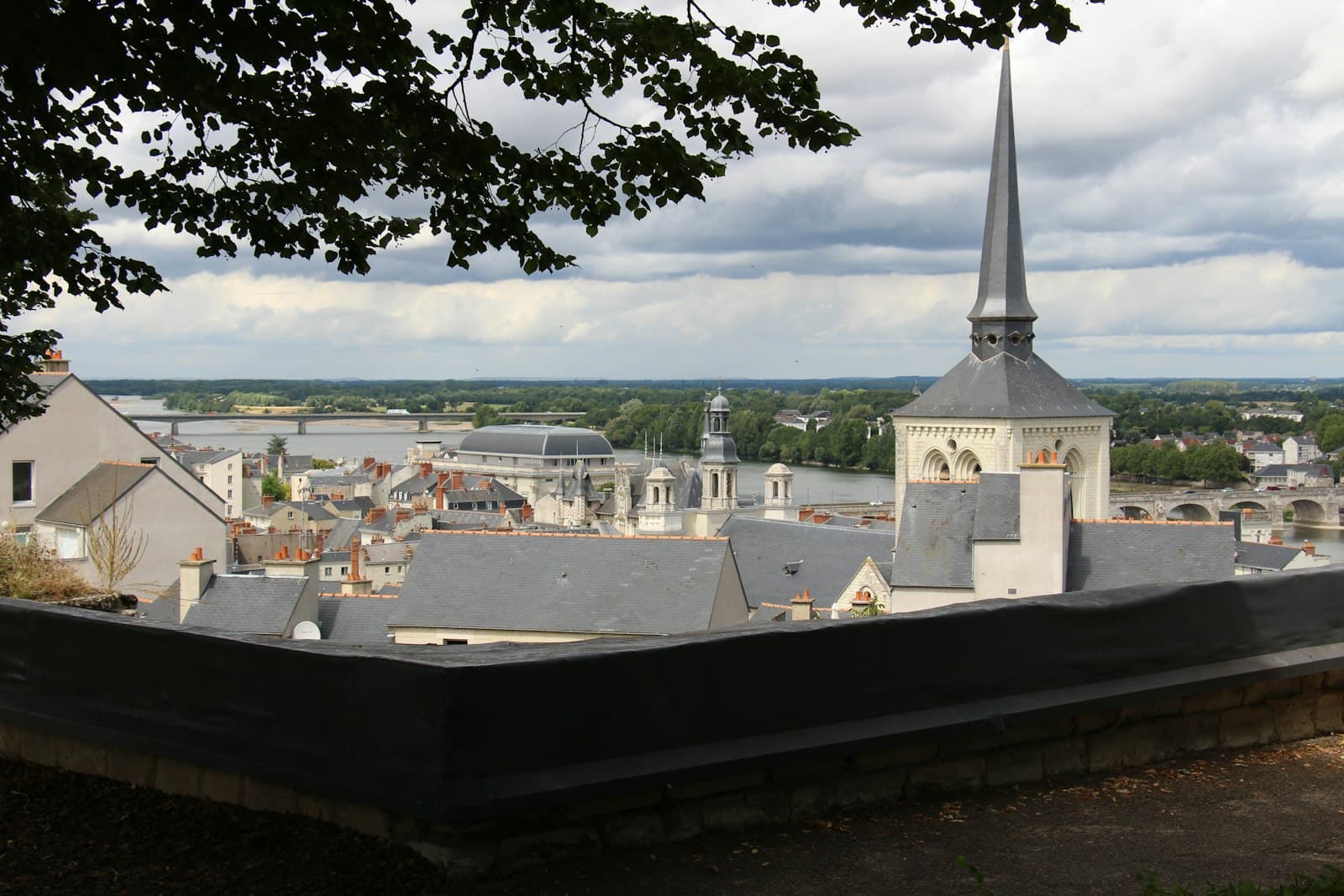
Beginnen Sie Ihre Erkundung im Château de Saumur, einer prächtigen Festung mit Blick auf die Loire. Einst eine königliche Residenz, beherbergt es heute Museen für Kunsthandwerk und pferdebezogene Artefakte. Für einen weiten Blick über die Stadt und den Fluss steigen Sie zum Belvedere auf.
Tauchen Sie mit einem Besuch des Cadre Noir, der nationalen Reitschule Frankreichs, in Saumurs reiterliches Erbe ein. Sie können die Ställe, die Reithalle und die Sattelkammer besichtigen und ihre außergewöhnlichen Pferde beobachten. Für einen tieferen Einblick in die Militärgeschichte zeigt das Musée des Blindés (Panzermuseum) eine der größten Sammlungen von gepanzerten Fahrzeugen Europas.
Erkunden Sie die charakteristischen Troglodytenhöhlen, die die Region prägen. Viele werden heute als Weinkeller genutzt und bieten Führungen und Verkostungen lokaler Schaum- und Stillweine an. Verpassen Sie nicht das Musée du Champignon (Pilzmuseum), das sich ebenfalls in einer Troglodytenhöhle befindet und einen informativen und faszinierenden Einblick in den Pilzanbau bietet.
Schlendern Sie durch Saumurs historisches Zentrum mit seinen verwinkelten Gassen und Fachwerkhäusern und besuchen Sie den Place Saint-Pierre für seinen Wochenmarkt. Erwägen Sie eine ruhige Bootsfahrt auf der Loire für eine andere Perspektive auf die Stadt und ihre Umgebung.
Die ideale Zeit für einen Besuch in Saumur ist vom späten Frühling bis zum frühen Herbst, insbesondere von Mai bis September. In diesen Monaten ist das Wetter mild und angenehm, mit Durchschnittstemperaturen von etwa 21 °C im Juli und August, perfekt für Outdoor-Aktivitäten und die Erkundung der Stadt. Während Juli und August mit französischen Urlaubern sehr belebt sein können, bietet ein Besuch im Mai, Juni oder September ein ruhigeres Erlebnis bei ausgezeichnetem Wetter. Der Herbst wird auch für Wein- und Geschichtsinteressierte empfohlen. Die Winter sind mild, aber feucht, mit häufigeren Regenfällen.
Saumur ist gut mit dem Zug erreichbar, mit Direktverbindungen von Angers, Tours und Paris (mit Umsteigen). Mit dem Auto ist es über die Autobahn A85 gut angebunden, was eine einfache Fahrt von Nantes oder Paris ermöglicht. Das Stadtzentrum ist größtenteils flach und gut zu Fuß erkundbar. Einige Attraktionen wie das Schloss erfordern jedoch Steigungen. Für weiter entfernte Orte, wie bestimmte Troglodyten-Standorte, ist ein Auto ratsam. Parkplätze in Saumur sind im Allgemeinen günstig, mit mehreren kostenlosen und kostenpflichtigen Optionen in der Nähe des Stadtzentrums und der Hauptattraktionen.
Für die Navigation in der Umgebung bietet das Tourismusbüro von Saumur kostenlose Gepäckaufbewahrung. Öffentliche Verkehrsmittel zu Orten wie dem Cadre Noir sind verfügbar, insbesondere eine Touristenlinie während des Sommers, aber Radfahren oder Taxis sind Alternativen. Bei der Vorbereitung Ihrer Reise sind bequeme Schuhe für das Gehen auf unebenen Oberflächen unerlässlich, und eine leichte wasserdichte Jacke oder ein Regenschirm ist ratsam, da das ganze Jahr über mit Regen zu rechnen ist.
Saumur — Koreanisch, Chinesisch, Hebräisch und 29 weitere Sprachen, jede Station von einer muttersprachlichen Stimme erzählt. Die größte Sprachauswahl aller selbstgeführten Audiotouren.
Verfügbar auf: