Sixtinische Kapelle von Savona
Die meisten Menschen kennen nur eine Sixtinische Kapelle, doch Savona birgt ein weniger bekanntes, ebenso fesselndes Heiligtum.
Die ganze Geschichte wird in der Tour freigeschaltet
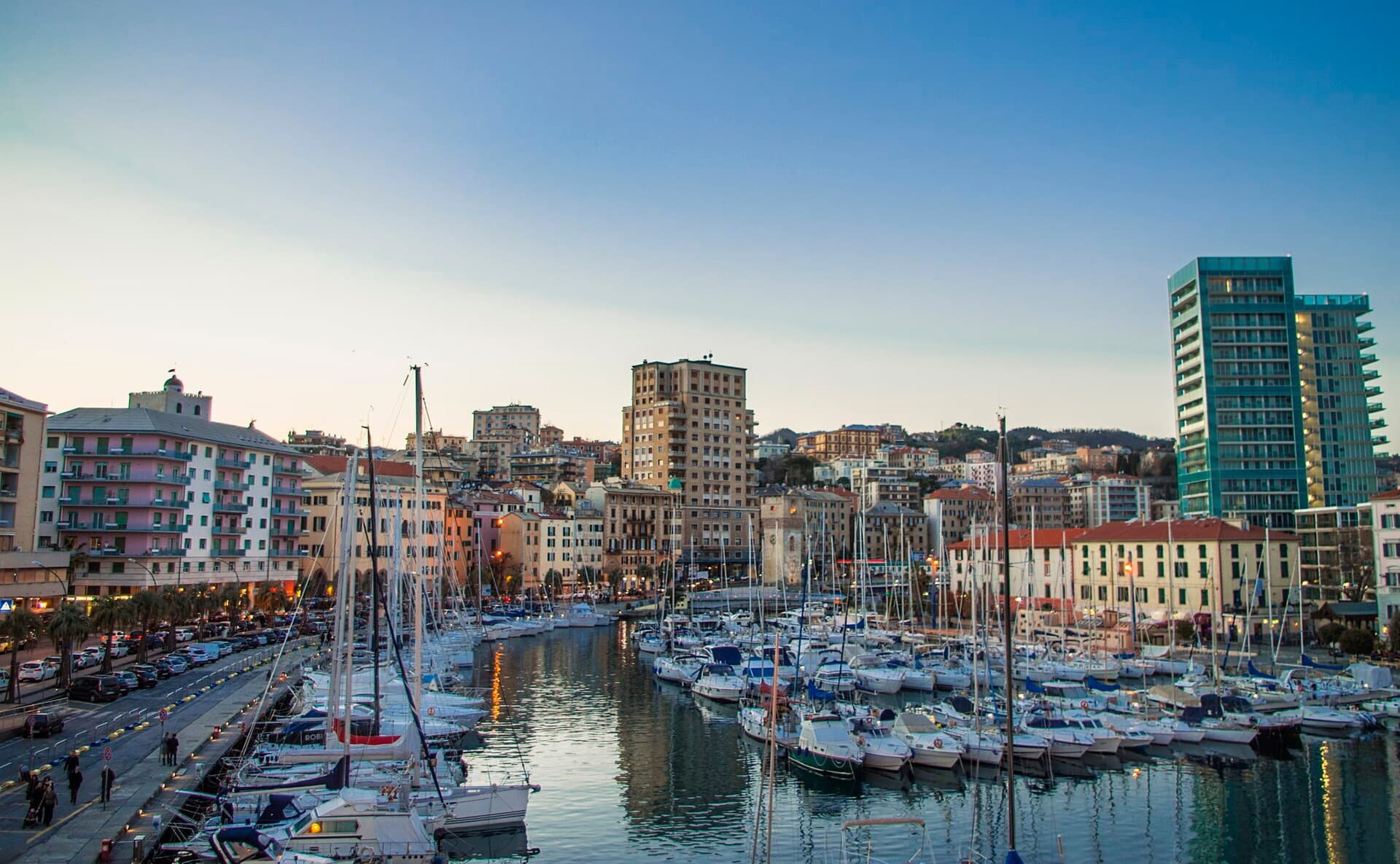 Roberta Salamone / CC BY 3.0, via Wikimedia Commons
Selbstgeführte Audio-Walking-Tour durch Savona — GPS-Route, Offline-Wiedergabe, erzählerische Narration in 32 Sprachen.
“Wo ligurische Anmut auf unerwartete Chroniken trifft.”
Nicht die Postkarten. Die Geschichten, die selbst Einheimische nicht kennen – dir ins Ohr geflüstert, genau dort, wo sie geschahen.
Die meisten Menschen kennen nur eine Sixtinische Kapelle, doch Savona birgt ein weniger bekanntes, ebenso fesselndes Heiligtum.
In einer schmalen Gasse bietet ein Geschäft ohne Schild eine einzigartige lokale Delikatesse.
Jenseits antiker Festungen und barocker Kunst widmet Savona überraschend viel Raum der modernen Technologie.
Entdecke jedes Geheimnis von Savona
Jede Adresse, jede Enthüllung vollständig – in deinem Ohr, genau dort, wo es geschah.
Du wählst deine Stationen. Du gehst. Die Stimme enthüllt, was andere übersehen.


Deine selbstgeführte Audio-Tour durch Savona ist bereit – wähle deine Sehenswürdigkeiten, deine Sprache und starte, sobald du ankommst.
KaufenLume enthält einen integrierten Augmented-Reality-Guide. Halten Sie Ihr Handy hoch: Die Kamera zeigt die Straße vor Ihnen, mit einem leuchtenden Pfeil über dem echten Bild, der immer auf Ihren nächsten Stopp zeigt — keine Karte zum Rätseln, keine falschen Abzweigungen. Wie alles bei Lume funktioniert es komplett offline.
Savona, eine Hafenstadt an Italiens westlicher ligurischer Küste, bietet eine Mischung aus maritimer Energie und einem tiefgründigen historischen Kern. Obwohl Savona manchmal von seinen bekannteren Nachbarn an der Riviera überschattet wird, bietet es eine kompakte und gut begehbare Erfahrung für diejenigen, die authentischen italienischen Charakter ohne die Menschenmassen suchen. Vom geschäftigen Hafen, wo bunte Schiffe und Kreuzfahrtschiffe anlegen, bis zu seinen mittelalterlichen Gassen und prächtigen Festungen lädt die Stadt zur Erkundung zu Fuß ein. Savona ist ein Ort, an dem Kulturbegeisterte sich wie Abenteurer fühlen können, die auf steinigen Pfaden und an salzluftigen Promenaden Schichten von Geschichte und lokalen Geschmäckern entdecken.
Die Identität der Stadt ist tief mit dem Ligurischen Meer verbunden und bietet eine ständige Verbindung zum Wasser. Erwarten Sie eine harmonische Mischung aus Bewegung, Kultur und Ruhe, mit Steintexturen, Meereslicht und dem beruhigenden Gefühl, immer den Weg zurück zur Küste zu finden. Savona ist auch als "Stadt der Päpste" bekannt, da sie die Geburtsstadt von Papst Sixtus IV. und Papst Julius II. ist, die beide ein bedeutendes künstlerisches und architektonisches Erbe hinterlassen haben. Diese unscheinbare Stadt, einst ein Industriezentrum, öffnet sich zunehmend dem Tourismus und bietet ein authentisches ligurisches Erlebnis.
## Antike Ursprünge und römischer Einfluss Savonas Geschichte reicht bis in die Antike zurück, mit Spuren von Siedlungen aus der Bronzezeit. Ursprünglich wurde es von ligurischen Stämmen bewohnt, geschickten Seefahrern, die mit Etruskern und griechischen Siedlern Handel trieben. Um 180 v. Chr. geriet die Stadt nach den Punischen Kriegen, in denen Savona mit Karthago verbündet war, unter römischen Einfluss. Nach dem Fall des Weströmischen Reiches erlebte Savona eine Abfolge von Herrschern, darunter die Ostgoten, Byzantiner und Langobarden, die die Stadt 641 n. Chr. verwüsteten. Später erholte sie sich als Grafschaftssitz im Karolingerreich.
## Mittelalterliche Unabhängigkeit und genuesische Rivalität Im 11. Jahrhundert, nach langwierigen Kämpfen gegen sarazenische Einfälle, erlangte Savona die Unabhängigkeit und wurde eine freie Kommune, die mit dem Heiligen Römischen Kaiser verbündet war. Vom 13. bis zum 16. Jahrhundert blühte Savona als Zentrum der religiösen Kultur auf, unterstützt von wichtigen Dominikaner- und Franziskanerklöstern. Diese Periode war jedoch auch von intensiver Rivalität mit der mächtigen benachbarten Republik Genua geprägt. Dieser Wettbewerb gipfelte 1528, als Genua Savona eroberte, Teile seiner Oberstadt zerstörte und seinen Hafen auffüllte, was Savonas Seemacht effektiv beendete. Die Bevölkerung nahm erheblich ab, und die Stadt wandelte sich von einer bedeutenden Seemacht zu einer eher landwirtschaftlich geprägten Stadt.
## Päpstliche Schirmherrschaft und moderne Entwicklung Trotz der genuesischen Eroberung profitierte Savona von der Schirmherrschaft zweier einheimischer Päpste aus der Familie della Rovere: Sixtus IV. und Julius II. Ihr Einfluss brachte bedeutende künstlerische und architektonische Entwicklungen in die Stadt. Im Jahr 1809 hielt Savona kurzzeitig Papst Pius VII. als Gefangenen Napoleons Bonaparte. Nach der napoleonischen Ära wurde Savona 1815 dem Königreich Sardinien-Piemont angegliedert und wurde schließlich 1861 Teil des vereinten Italiens. Das 20. Jahrhundert sah Savona sich zu einem regionalen Industriezentrum entwickeln, bekannt für seine Eisenindustrie, den Schiffbau und den Maschinenbau. Obwohl im Zweiten Weltkrieg stark beschädigt, wurde das historische Zentrum wieder aufgebaut, und heute ist Savona weiterhin eine bedeutende Hafenstadt, die zunehmend für ihre kulturellen und historischen Attraktionen anerkannt wird.
Beginnen Sie Ihre Erkundung an der Festung Priamar, einer Festung aus dem 16. Jahrhundert, die von den Genuesen erbaut wurde und einen weiten Blick über die Stadt und das Ligurische Meer bietet. Innerhalb ihrer Mauern entdecken Sie das Archäologische Museum, das Artefakte aus dem römischen und mittelalterlichen Savona ausstellt. Steigen Sie hinab in das historische Zentrum, um die Kathedrale von Savona (Cattedrale di Nostra Signora Assunta) zu finden. Daneben steht die Sixtinische Kapelle von Savona, ein prunkvolles Rokoko-Mausoleum, das von Papst Sixtus IV. für seine Eltern in Auftrag gegeben wurde.
Schlendern Sie durch die schmalen mittelalterlichen Gassen, oder carruggi, um architektonische Wunderwerke und lebhafte Plätze zu entdecken. Der Torre Leon Pancaldo, auch bekannt als La Torretta, ist ein mittelalterlicher Turm und ein Symbol der Stadt, der Ausblicke auf den Hafen bietet. Ein weiterer bemerkenswerter Turm ist der Brandale-Turm, der aus dem 12. Jahrhundert stammt. Für Kunstliebhaber beherbergt der Palazzo Gavotti die Städtische Kunstgalerie und das Keramikmuseum, das 600 Jahre Keramikkunst dokumentiert. Verpassen Sie nicht das einzigartige All About Apple Museum für eine überraschende Reise in die Technikgeschichte.
Die ideale Zeit für einen Besuch in Savona für Aktivitäten bei warmem Wetter und Feierlichkeiten ist von Mai bis September. Das späte Frühjahr bis zum frühen Herbst bietet warme Tage und angenehme Abende, perfekt für Stadtrundgänge. Für Strand- und Wasseraktivitäten bietet der späte Juni bis späte August die wärmsten Bedingungen und die konstanteste Sonneneinstrahlung, wobei die Meerestemperaturen im August ihren Höhepunkt erreichen. Wenn Sie angenehme Temperaturen, weniger Menschen und mehr Wert bevorzugen, sind die Übergangszeiten April-Mai und September-Oktober für Besichtigungen und kulturelle Erkundungen ausgezeichnet. Die Winter (November-März) sind mild mit weniger Besuchern und niedrigeren Preisen und bieten ein authentischeres lokales Erlebnis.
Savona ist gut mit dem Zug erreichbar, mit direkten Verbindungen von Genua, Mailand und Turin. Der Bahnhof liegt etwa 800 Meter vom Piazza Mameli entfernt, einem zentralen Punkt der Stadt. Für Kreuzfahrtpassagiere ist das Kreuzfahrtterminal Palacrociere gut organisiert und liegt in der Nähe des Stadtzentrums, oft nur 5 Gehminuten entfernt. Shuttles sind auch vom Hafen ins Stadtzentrum verfügbar, und lokale Busse bieten eine günstige Möglichkeit zur Fortbewegung. Taxis sind ebenfalls leicht zu finden.
Savona ist im Allgemeinen eine sichere Stadt, aber es ist immer ratsam, in belebten Gegenden grundlegende Vorsichtsmaßnahmen gegen Taschendiebstahl zu treffen, insbesondere rund um den Hafen während der Stoßzeiten. Trinkgeld ist nicht obligatorisch, da eine Servicegebühr oft in Restaurantrechnungen enthalten ist, aber eine Trinkgeld von 5-10% oder das Aufrunden der Rechnung wird für guten Service geschätzt. In Touristengebieten und am Kreuzfahrtterminal wird Englisch gesprochen.
Savona — Koreanisch, Chinesisch, Hebräisch und 29 weitere Sprachen, jede Station von einer muttersprachlichen Stimme erzählt. Die größte Sprachauswahl aller selbstgeführten Audiotouren.
Verfügbar auf: