Замок Скарборо
Эта внушительная крепость, веками служившая стражем над Северным морем, хранит тайну, связанную с самой тканью королевской истории Англии.
Полная история открывается в туре
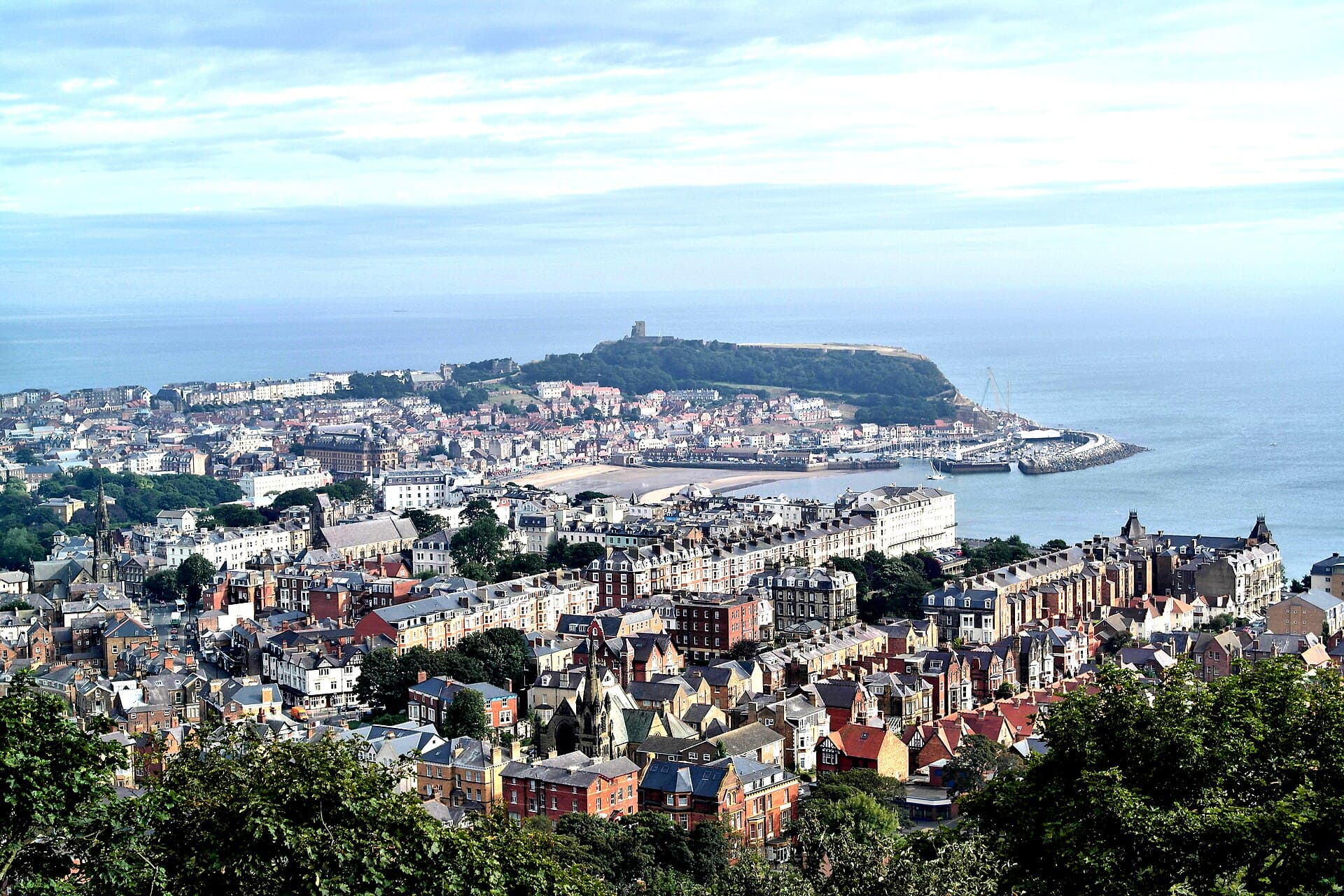 Memorialman / CC BY-SA 4.0, via Wikimedia Commons
Самостоятельная аудиопрогулка по Скарборо — GPS-маршрут, офлайн-воспроизведение, увлекательное повествование на 32 языках.
“Где драматические скалы встречаются с золотыми песками, а древние сказания витают в морском бризе.”
Не открытки. Истории, которые не знают даже местные жители — шепотом в вашем ухе, прямо там, где они произошли.
Эта внушительная крепость, веками служившая стражем над Северным морем, хранит тайну, связанную с самой тканью королевской истории Англии.
Этот знаковый викторианский отель, когда-то самый большой в Европе, — не просто величественное здание; его дизайн содержит тонкий код, вдохновленный календарем.
Помимо безмятежных восточных садов и спокойного озера, этот парк является местом уникального и неожиданного зрелища, которое очаровывает посетителей почти столетие.
Откройте для себя каждый секрет Скарборо
Каждый адрес, каждое полное раскрытие — в вашем ухе, прямо там, где это произошло.
Вы выбираете остановки. Вы гуляете. Голос раскрывает то, что упускают другие.


Ваш самостоятельный аудиотур по Скарборо готов — выберите свои достопримечательности, выберите свой язык и начните в момент прибытия.
КупитьВ Lume встроен гид дополненной реальности. Поднимите телефон: камера показывает улицу перед вами, а поверх реального изображения светится стрелка, всегда указывающая на вашу следующую остановку — не нужно разбираться с картой и сворачивать не туда. Как и всё в Lume, это работает полностью офлайн.
Скарборо, выдающийся приморский город на побережье Северного моря в Англии, предлагает неповторимое сочетание природной красоты, исторической глубины и традиционного прибрежного очарования. Разделенный драматическим скалистым мысом, город имеет два distinct залива: оживленный Южный залив, известный своими классическими приморскими развлечениями, и более тихий Северный залив, предлагающий более спокойную обстановку.
Будучи первым морским курортом Великобритании, Скарборо привлекает посетителей на протяжении веков, изначально благодаря своим минеральным источникам, обнаруженным в 1626 году, которые привели к созданию Scarborough Spa. Сегодня он остается популярным местом, предлагающим сочетание песчаных пляжей, викторианской архитектуры и оживленной развлекательной сцены. Его побережье, часто называемое "Побережьем динозавров", является важным местом для палеонтологов, где на его пляжах найдено множество окаменелостей и следов динозавров.
История Скарборо насчитывает тысячелетия, с свидетельствами человеческой деятельности на мысе, датируемыми Бронзовым веком, примерно 2100–1600 гг. до н.э. В конце IV века н.э. на мысе находилась укрепленная римская сигнальная станция, но примерно через столетие она была заброшена. Считается, что название города "Скарборо" происходит от "Skarðaborg", что означает "крепость Скарти", приписываемое викингу-налетчику по имени Торгилс Скарти, который предположительно основал город около 966 г. н.э. Однако археологических свидетельств, прямо подтверждающих это основание викингами, мало, возможно, из-за эрозии побережья.
К XII веку Скарборо начал возрождаться, и около 1136 года был построен замок. Уильям ле Грос, граф Омальский, считается его создателем, окружившим сооружение стеной и воздвигшим башню. Однако к 1154 году король Генрих II заявил права на все королевские замки, и замок Скарборо стал королевским поместьем. Генрих II значительно инвестировал в перестройку замка между 1159 и 1169 годами, потратив огромную сумму примерно в 650 фунтов стерлингов. Король Иоанн также часто посещал и далее развивал крепость.
Замок Скарборо играл ключевую роль на протяжении всего Средневековья, служа королевской резиденцией и местом содержания заключенных во время шотландских войн Эдуарда I. Он выдержал долгие осады во время Английской гражданской войны XVII века, когда парламентские силы нанесли значительный ущерб донжону и западной стене. После Гражданской войны замок использовался как тюрьма и казармы до середины XIX века. Он также пострадал во время Первой мировой войны, когда немецкие военные корабли бомбили город в 1914 году.
Открытие минеральных источников в 1626 году стало поворотным моментом, превратившим Скарборо в первый морской курорт Великобритании, поскольку посетители стекались, чтобы "попить воды" для здоровья. Прибытие железной дороги в 1845 году еще больше повысило его популярность, открыв город для более широкой публики и вызвав строительный бум. Скарборо продолжал процветать как изысканный морской курорт на протяжении XIX века, его население быстро росло. Сегодня город сохраняет большую часть своего викторианского очарования наряду с современными достопримечательностями, что делает его оживленным местом на побережье Йоркшира.
Скарборо предлагает ряд достопримечательностей, от исторических памятников до природных пространств. Замок Скарборо, расположенный на вершине утеса, открывает обширные виды на Северный и Южный заливы и дает представление об истории, насчитывающей 3000 лет. Руины приглашают к исследованию его древних стен и экспонатов.
Для спокойного отдыха Парк Пишолм в Северном заливе — это парк в восточном стиле с озером, водопадами, мини-мостами и мистическими садами. Посетители могут исследовать ущелье Пишолм, арендовать лодку или посмотреть уникальные миниатюрные демонстрации военно-морских сражений в летние месяцы.
Два главных пляжа города, пляж Южного залива и пляж Северного залива, удовлетворяют разные предпочтения. Южный залив более оживленный, с традиционными развлечениями, в то время как Северный залив предлагает более дикую атмосферу, идеально подходящую для поиска морских обитателей в скалах и занятий водными видами спорта, такими как серфинг.
Среди других примечательных мест — Музей Ротонда, один из первых в мире специально построенных музеев, посвященный геологической истории региона и окаменелостям динозавров. Scarborough Spa продолжает проводить мероприятия и является домом для последнего в Великобритании оркестра, выступающего на побережье. Для уникальной поездки один из оставшихся викторианских фуникулерных лифтов, таких как Central Tramway, доставляет посетителей между городом и набережной.
Лучшее время для посещения Скарборо для занятий в теплую погоду — с начала июля до конца августа, когда температура умеренная. В эти месяцы город находится в полном разгаре, пляжи оживлены, и проходят мероприятия. Поздняя весна (апрель-начало июня) и ранняя осень (конец сентября) также предлагают приятную погоду, меньше толп и хорошее наличие мест в местных достопримечательностях, обеспечивая более аутентичный опыт. Хотя лето предлагает наибольшую вероятность теплой погоды, рекомендуется взять с собой зонт и куртку для прохладных вечеров.
До Скарборо легко добраться на машине, поезде и автобусе. Прямые поезда соединяют с Йорком, Лидсом и Манчестером, поездка из Йорка занимает примерно один час. Для тех, кто едет на машине, дорога A64 связывает Скарборо с национальной сетью автомагистралей. Местные автобусные маршруты, обслуживаемые East Yorkshire Buses, обеспечивают транспорт внутри города и в прилегающие районы.
Город предлагает разнообразные варианты питания, от традиционных закусочных с рыбой и чипсами вдоль набережной до независимых ресторанов, предлагающих местные продукты и блюда международной кухни. Магазины варьируются от магазинов модной одежды до местных сувенирных лавок и рынков. Для передвижения по крутым утесам между городом и набережной исторические фуникулерные трамваи являются удобным вариантом.
Скарборо: корейский, китайский, иврит и ещё 29 языков — каждую остановку озвучивает носитель языка. Самый широкий выбор языков среди аудиоэкскурсий без гида.
Доступные языки: