Chianalea
Chianalea è spesso chiamata la 'Venezia del Sud', ma il suo rapporto unico con il mare va oltre i semplici canali.
La storia completa si sblocca nel tour
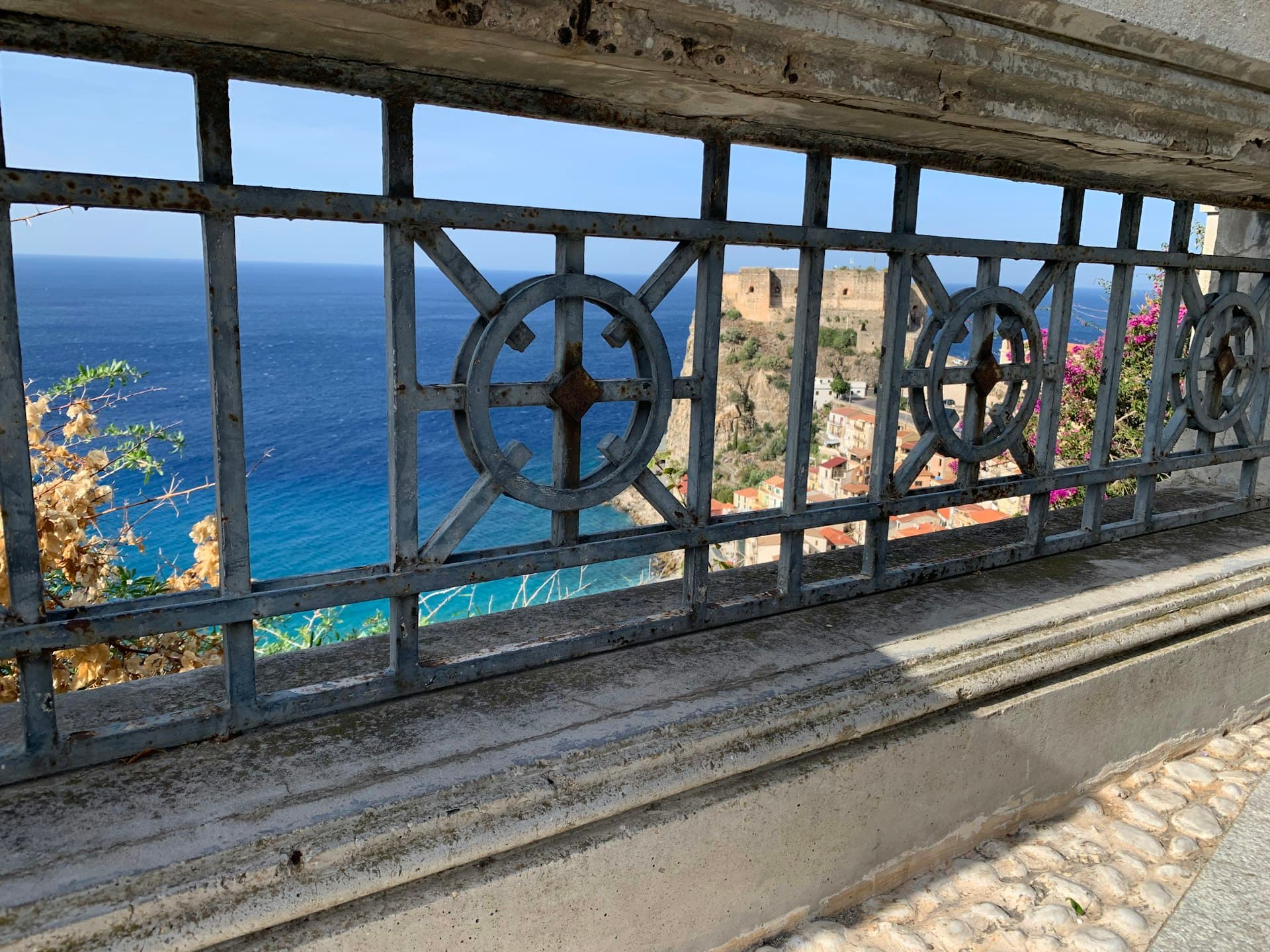 Photo: Lynn Breyfogle / Unsplash
Tour audio autoguidato di Scilla — percorso GPS a piedi, riproduzione offline, narrazione coinvolgente in 32 lingue.
“Dove scogliere cariche di miti incontrano il turchese Tirreno.”
Non le cartoline. Le storie che nemmeno i locali conoscono — sussurrate nel tuo orecchio, proprio dove sono accadute.
Chianalea è spesso chiamata la 'Venezia del Sud', ma il suo rapporto unico con il mare va oltre i semplici canali.
Il pericoloso Stretto di Messina, custodito da mostri mitologici, ospita un residente sorprendentemente aggraziato durante certi mesi.
Questa antica fortezza, sopravvissuta attraverso i millenni, un tempo offriva un'inaspettata forma di ospitalità.
Scopri ogni segreto di Scilla
Ogni indirizzo, ogni rivelazione completa — nel tuo orecchio, proprio dove è accaduta.
Scegli le tue tappe. Cammini. La voce rivela ciò che gli altri perdono.


Il tuo tour audio autoguidato di Scilla è pronto — scegli i tuoi punti di interesse, seleziona la tua lingua e inizia nel momento in cui arrivi.
AcquistaLume include una guida in realtà aumentata. Alza il telefono: la fotocamera mostra la strada davanti a te, con una freccia luminosa sovrapposta all'immagine reale che punta sempre verso la tua prossima tappa — nessuna mappa da decifrare, nessuna svolta sbagliata. Come tutto in Lume, funziona completamente offline.
Scilla, un affascinante villaggio costiero sul confine occidentale della Calabria, offre un mix unico di mitologia antica e autentico fascino italiano. Affacciata sullo Stretto di Messina, questa cittadina è intrinsecamente legata alla leggenda greca di Scilla, il mostro marino che terrorizzava Odisseo. Eppure, oggi, gli unici mostri che incontrerete sono gli scorci incantevoli sul Mar Tirreno e l'imponente Castello Ruffo.
Divisa in aree distinte, Scilla presenta due mondi: Chianalea, l'antico borgo marinaro con case costruite direttamente sull'acqua, e Marina Grande, una vasta spiaggia perfetta per crogiolarsi al sole calabrese. La posizione strategica della cittadina ha plasmato la sua storia e le sue tradizioni, in particolare il suo duraturo legame con la pesca del pesce spada. Scilla è una destinazione dove storia, mito e vita quotidiana sul mare si intrecciano, invitando i visitatori a sperimentare la sua sobria eleganza e i suoi paesaggi drammatici.
Le origini di Scilla sono profondamente radicate nell'antichità, con alcune testimonianze che fanno risalire il suo insediamento alla Guerra di Troia nel XII secolo a.C., mentre altre suggeriscono che pirati tirreni si stabilirono nell'area nel 493 a.C. Il nome stesso della cittadina deriva dalla figura mitologica greca di Scilla, una ninfa marina trasformata in un terrificante mostro a sei teste che, insieme a Cariddi, custodiva lo Stretto di Messina.
Il promontorio roccioso su cui sorge Scilla è stato un luogo strategico per millenni. Le prime fortificazioni su questo sito risalgono al V secolo a.C., durante la tirannia di Anassilao di Reggio, fungendo da punto cruciale per il controllo dei mari e la difesa dalle incursioni piratesche. Nel corso dei secoli, la struttura si è evoluta attraverso varie conquiste e demolizioni, con influenze dagli Etruschi, dalla Magna Grecia e dai Romani, che stabilirono qui una presenza.
Nel 1060, il sito divenne una fortezza militare, e ulteriori aggiunte e fortificazioni furono realizzate nel corso del XIII, XV e XVI secolo. I devastanti terremoti del 1783 e del 1908 causarono danni significativi, rendendo necessari ampi restauri. Nel 1913, fu aggiunto un faro al Castello Ruffo, che rimane attivo e utilizzato dalla marina. In tempi più recenti, il castello è passato dall'ospitare funzionari statali e un ostello della gioventù al suo attuale ruolo di importante centro culturale, sede di incontri ed esposizioni.
La storia di Scilla è anche segnata dalla sua duratura tradizione di pesca del pesce spada, una pratica che risale a oltre duemila anni fa nello Stretto di Messina. Questo profondo legame con il mare e le sue leggende continua a plasmare l'identità e il fascino della cittadina.
Iniziate la vostra esplorazione dal Castello Ruffo, scenograficamente situato su un promontorio roccioso. Passeggiate lungo i suoi bastioni per apprezzare le ampie vedute dei tetti rossi in terracotta, del mare blu profondo e dello Stretto di Messina che si estende verso la Sicilia. All'interno, un piccolo museo illustra la tradizione locale della pesca del pesce spada, e il Faro di Scilla, attivo dal 1913, si erge all'ingresso del castello.
Scendete a Chianalea, l'antico quartiere di pescatori di Scilla, spesso definito la 'Venezia del Sud'. Qui, le case sono costruite direttamente sul lungomare, con stretti vicoli e scivoli che conducono all'acqua. Passeggiate sui camminamenti in pietra, osservate le barche da pesca e scoprite ristoranti con piattaforme che si estendono sul mare.
Sul lato opposto del castello si trova la Spiaggia di Marina Grande, un tratto di 800 metri di ciottoli che offre acque limpide e viste sul castello. È un luogo ideale per nuotare, prendere il sole o godersi un aperitivo con il castello come sfondo.
Per ampie vedute dell'intera cittadina e del Mar Tirreno, visitate il Belvedere di Piazza San Rocco nel centro storico di Scilla.
Il periodo migliore per visitare Scilla va da metà maggio a metà giugno e poi da settembre a inizio ottobre. Durante questi periodi, il clima è piacevole, le temperature del mare sono adatte per nuotare e la cittadina registra meno affollamento. Luglio e agosto sono i mesi più affollati, con un numero di visitatori da moderato ad alto e temperature medie giornaliere massime intorno ai 28°C-30°C. Le precipitazioni sono più basse a luglio e più alte a dicembre.
Scilla è una cittadina piccola, facilmente esplorabile a piedi. Se arrivate in treno, la stazione si trova nella parte alta della città, richiedendo una passeggiata in discesa per raggiungere la spiaggia e il quartiere dei pescatori. Guidare è anche un'opzione, con un'uscita autostradale dedicata e parcheggi a pagamento disponibili nelle aree inferiori. Si consiglia di avere una mappa tradizionale se si percorre la panoramica SS18 costiera da luoghi come Tropea, poiché alcuni tratti possono essere tortuosi e stretti.
Per l'alloggio, troverete B&B e piccoli hotel nel centro storico che offrono viste sul mare. Cenare a Scilla ruota spesso attorno al pesce fresco, con il pesce spada come specialità locale. Molti ristoranti, in particolare a Chianalea, offrono esperienze culinarie direttamente sull'acqua.
Scilla — coreano, cinese, ebraico e altre 29 lingue, ogni tappa narrata da una voce madrelingua. La più ampia scelta di lingue tra i tour audio autoguidati.
Disponibile in: