Aqueduto Romano de Segóvia
Esta antiga proeza de engenharia não foi meramente uma construção; a tradição local atribui sua criação a forças sobrenaturais.
História completa desbloqueada no tour
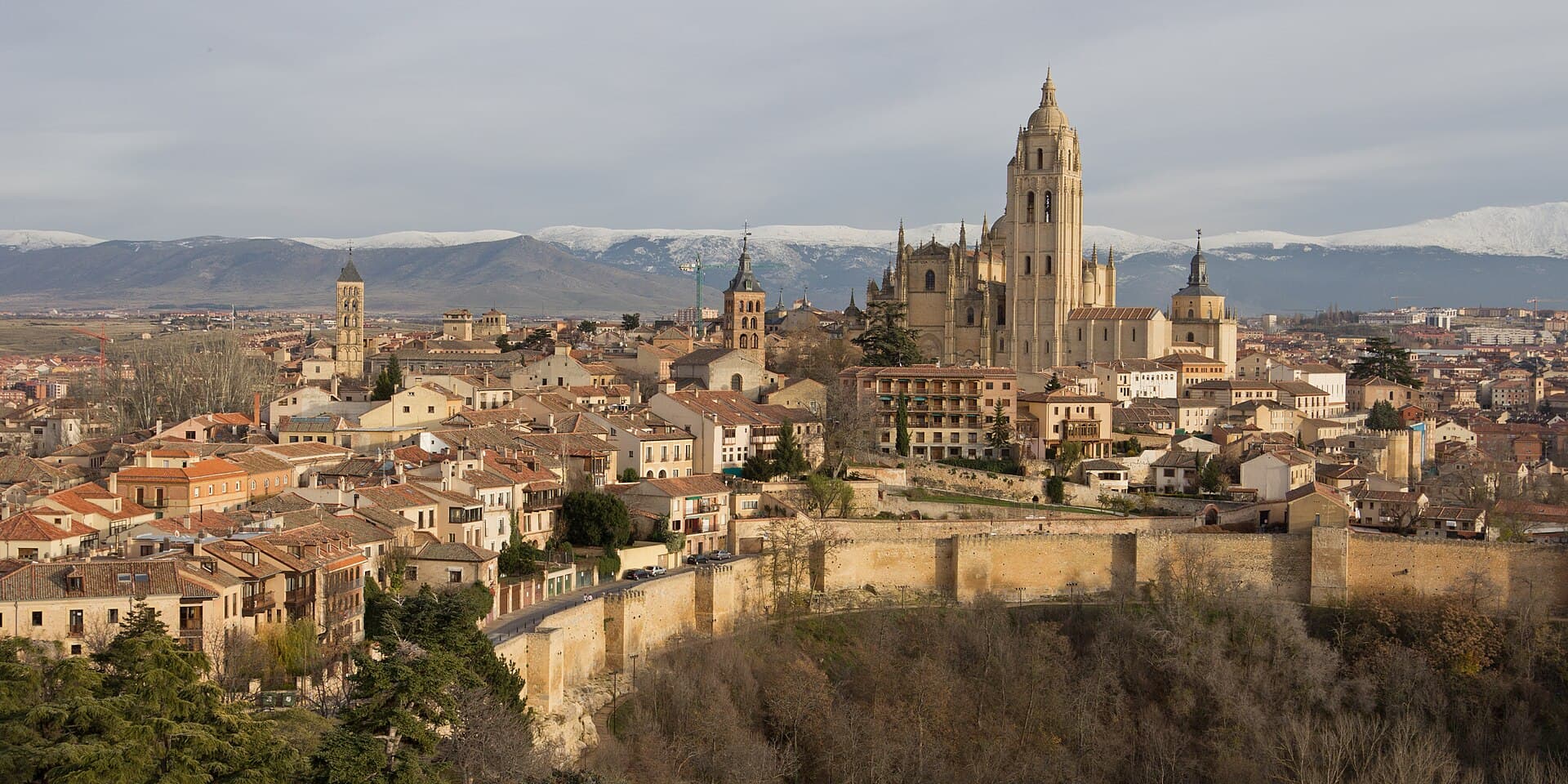 Carlos Delgado / CC BY-SA 3.0, via Wikimedia Commons
Tour de áudio autoguiado por Segóvia — rota GPS a pé, reprodução offline, narração envolvente em 32 idiomas.
“Onde a arquitetura romana antiga encontra fortalezas de contos de fadas.”
Não os postais. As histórias que nem os locais conhecem — sussurradas ao seu ouvido, exatamente onde aconteceram.
Esta antiga proeza de engenharia não foi meramente uma construção; a tradição local atribui sua criação a forças sobrenaturais.
O contorno distinto deste castelo espanhol pode parecer familiar, mesmo que você nunca tenha viajado para Segóvia.
Apesar de sua presença imponente, a 'Senhora das Catedrais' esconde um segredo arquitetônico em sua própria estrutura.
Descubra cada segredo de Segóvia
Cada endereço, cada revelação na íntegra — no seu ouvido, exatamente onde aconteceu.
Você escolhe as suas paragens. Você caminha. A voz revela o que os outros perdem.


O seu tour áudio autoguiado de Segóvia está pronto — escolha os seus pontos de interesse, selecione o seu idioma e comece no momento em que chegar.
ComprarA Lume inclui um guia de realidade aumentada. Levante o telemóvel: a câmara mostra a rua à sua frente, com uma seta luminosa sobreposta à imagem real que aponta sempre para a sua próxima paragem — sem mapa para decifrar, sem voltas erradas. Como tudo na Lume, funciona totalmente offline.
Segóvia, uma cidade designada Patrimônio Mundial da UNESCO na região de Castela e Leão, na Espanha, parece um lugar retirado diretamente de um livro de histórias. Seu centro histórico, situado em uma elevação rochosa, oferece uma jornada envolvente através de séculos de esforço humano. Das imponentes arcadas de seu aqueduto romano ao dramático Alcázar e à elegante catedral gótica, Segóvia apresenta um impressionante quadro de maravilhas antigas e medievais.
Localizada a apenas uma hora a noroeste de Madri, Segóvia é uma cidade que convida à exploração sem pressa. Suas ruas transitáveis, edifícios de pedra em tons dourados e um senso tangível de história criam uma atmosfera ao mesmo tempo romântica e profundamente envolvente. Seja sua visita de um dia ou uma estadia prolongada, Segóvia promete uma coleção de experiências memoráveis.
A narrativa de Segóvia remonta a um assentamento ibérico por volta de 700 a.C., antes de sua conquista pelos romanos por volta de 80 a.C. Os romanos deixaram uma marca duradoura, notavelmente com o aqueduto monumental, um testemunho de sua habilidade de engenharia.
No início do século VIII, a cidade caiu sob domínio mourisco, até que forças cristãs, lideradas pelo Rei Afonso VI, a reconquistaram em 1079. Segóvia entrou então em um período de considerável prosperidade e influência na Castela medieval. Serviu como residência real para monarcas como Afonso X e abrigou a Casa da Moeda espanhola de 1586 a 1730. A Idade Média também viu uma próspera indústria têxtil, contribuindo para a importância econômica da cidade.
Um momento crucial na história espanhola ocorreu em Segóvia em 13 de dezembro de 1474, quando Isabel I foi proclamada Rainha de Castela na Igreja de São Miguel. Este evento foi crucial para a eventual unificação da Espanha.
No entanto, um surto de peste no final do século XVI iniciou um longo período de declínio, com a população significativamente diminuída. As fortunas da cidade começaram a se recuperar com a chegada da ferrovia no século XIX. Hoje, a economia de Segóvia é impulsionada em grande parte por suas atrações culturais e gastronômicas, atraindo visitantes de todo o mundo para experimentar seu passado profundo. Em 1985, a cidade histórica e seu aqueduto romano foram coletivamente designados Patrimônio Mundial da UNESCO.
Comece sua exploração no Aqueduto Romano de Segóvia, uma estrutura inspiradora construída sem argamassa, com alguns arcos atingindo quase 30 metros de altura. É melhor apreciado da Plaza del Azoguejo, onde sua grandiosidade é mais aparente. De lá, suba por ruas pavimentadas em direção à Catedral de Segóvia, frequentemente referida como a 'Senhora das Catedrais'. Esta impressionante estrutura gótica, uma das últimas de seu tipo construída na Espanha, preside a Plaza Mayor. Considere subir sua torre para vistas panorâmicas da cidade e da paisagem circundante.
Continue até o Alcázar de Segóvia, um castelo de conto de fadas que parece flutuar sobre a confluência de dois rios. Este antigo palácio real, fortaleza e até prisão oferece um vislumbre cativante da história castelhana. Não perca a oportunidade de subir a Torre de Juan II para vistas verdadeiramente notáveis, especialmente ao pôr do sol. Passeie pelo Bairro Judeu (Barrio Judío), um labirinto mais tranquilo de passagens estreitas e pequenas praças com vislumbres ocasionais da catedral, oferecendo uma sensação da vida cotidiana medieval.
As épocas mais agradáveis para visitar Segóvia são a primavera (abril-junho) e o outono (setembro-outubro) para um clima agradável e menos multidões. Durante essas estações, os dias são quentes, mas não excessivamente quentes, ideais para a exploração. O verão (junho-setembro) é quente e ensolarado, com temperaturas diurnas frequentemente atingindo os 30°C (86°F) ou mais, embora as noites permaneçam frescas. O inverno (dezembro-fevereiro) é frio, com uma mistura de dias chuvosos e ensolarados, e a neve é uma ocorrência regular, criando uma atmosfera mágica, especialmente durante as festas.
Segóvia é facilmente acessível a partir de Madri. A opção mais rápida é o trem de alta velocidade AVE da estação Madrid Chamartín, levando aproximadamente 28-30 minutos até a estação Segovia-Guiomar. De lá, um ônibus local (Linha 11, €2) ou táxi pode transportá-lo para o centro histórico, a cerca de 15 minutos de distância. Para uma opção mais econômica e direta, ônibus partem da estação Moncloa de Madri, chegando diretamente ao centro da cidade de Segóvia, perto do Aqueduto, em cerca de 1,5 horas, com tarifas de ida e volta em torno de €10.
Uma vez em Segóvia, o centro histórico é maravilhosamente caminhável, permitindo que você explore a maioria das atrações a pé. Para distâncias mais longas ou para chegar à estação de trem de alta velocidade, Segóvia possui um sistema de ônibus público eficiente com 12 linhas diurnas operando diariamente. Uma passagem de viagem única custa €1,15 e é válida por uma hora. Serviços de ônibus noturnos estão disponíveis às sextas, sábados e feriados.
Segóvia — coreano, chinês, hebraico e mais 29 idiomas, cada parada narrada por uma voz nativa. A maior variedade de idiomas entre os passeios de áudio autoguiados.
Disponível em: