Lawang Sewu
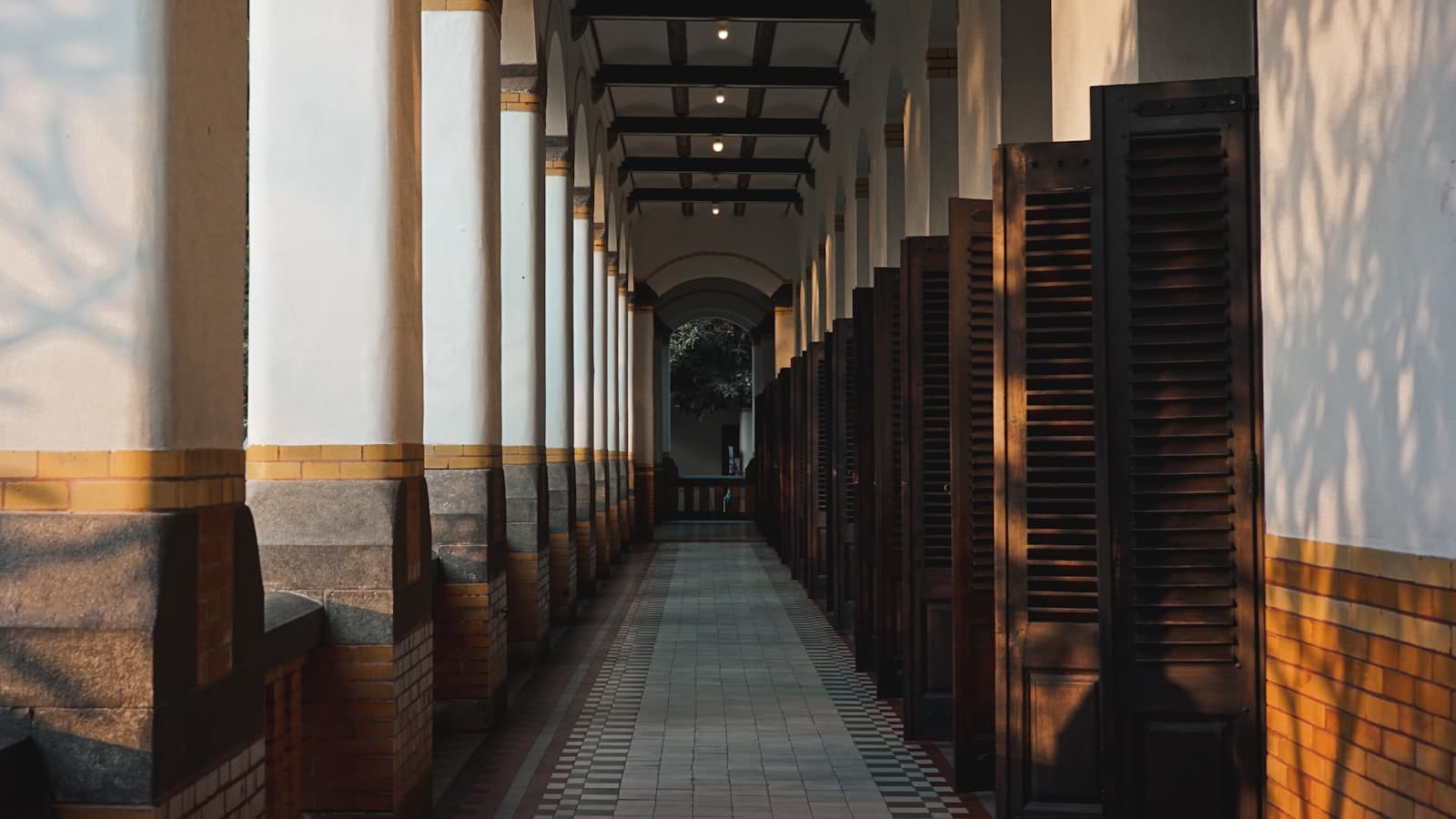
Het gebouw met de 'Duizend Deuren' bevat meer dan alleen historische verslagen; het draagt het gewicht van sombere gebeurtenissen.
Volledig verhaal ontgrendeld in de tour
 Uncredited / Public domain, via Wikimedia Commons
Zelfgeleide audiowandeling door Semarang — GPS-route, offline afspelen, meeslepende vertelling in 32 talen.
“Waar oude handelsroutes samenkomen met koloniale echo's, een stad gevormd door de zee.”
Niet de ansichtkaarten. De verhalen die zelfs locals niet kennen — gefluisterd in je oor, precies waar ze gebeurden.
Het gebouw met de 'Duizend Deuren' bevat meer dan alleen historische verslagen; het draagt het gewicht van sombere gebeurtenissen.
Dit grandioze tempelcomplex, ter ere van een legendarische admiraal, begon vanuit een bescheiden oorsprong.
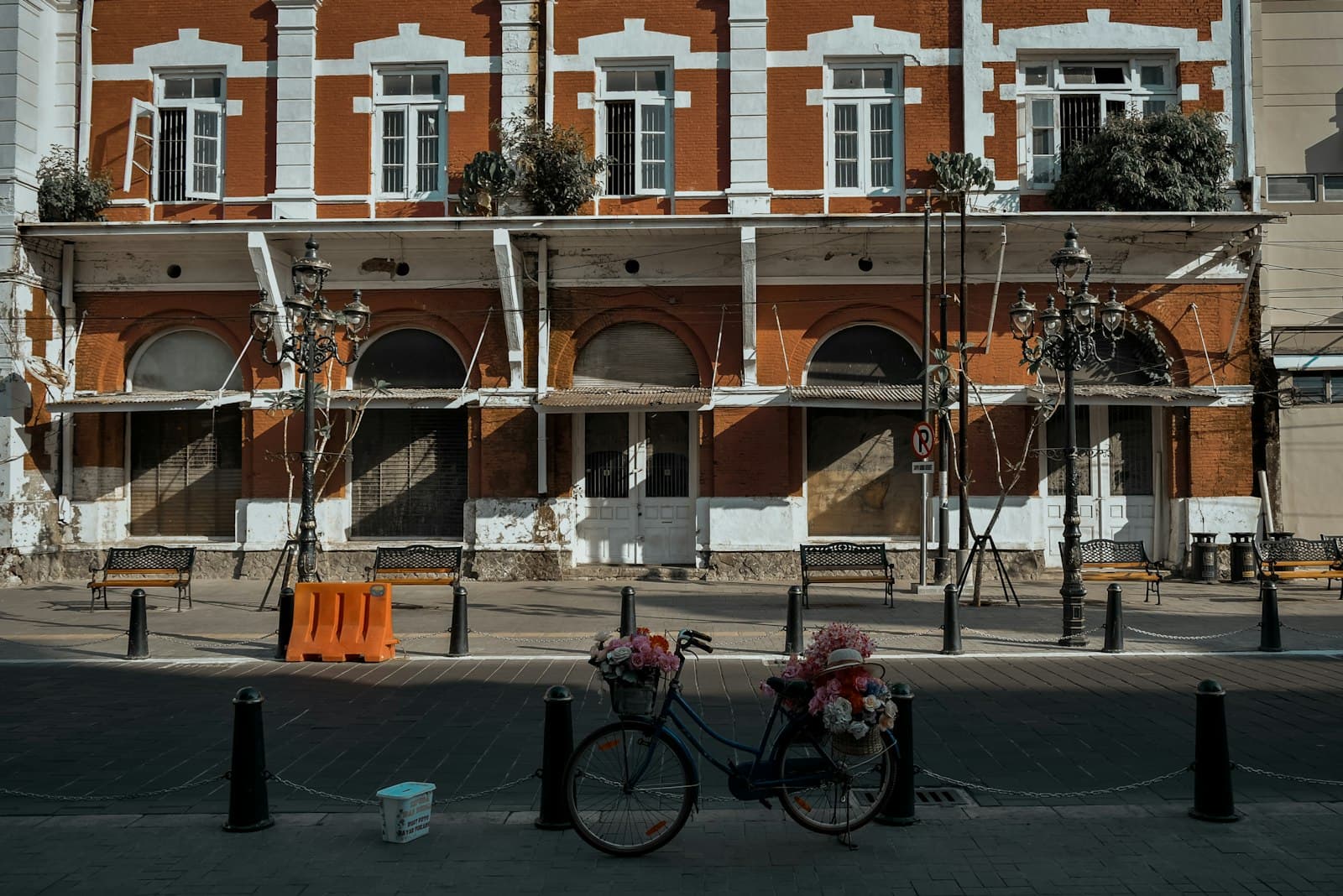
De Oude Stad van Semarang, vaak 'Nederlandje' genoemd, heeft een verrassende connectie met een cruciale verdediging.
Ontdek elk geheim van Semarang
Elk adres, elke onthulling volledig — in je oor, precies waar het gebeurde.
Jij kiest je stops. Jij wandelt. De stem onthult wat de anderen missen.
Je zelfgeleide audiotour van Semarang is klaar — kies je bezienswaardigheden, kies je taal en start zodra je aankomt.
KopenLume heeft een ingebouwde augmented-reality-gids. Houd je telefoon omhoog: de camera toont de straat voor je, met een oplichtende pijl over het echte beeld die altijd naar je volgende stop wijst — geen kaart om uit te puzzelen, geen verkeerde afslagen. Zoals alles in Lume werkt het volledig offline.
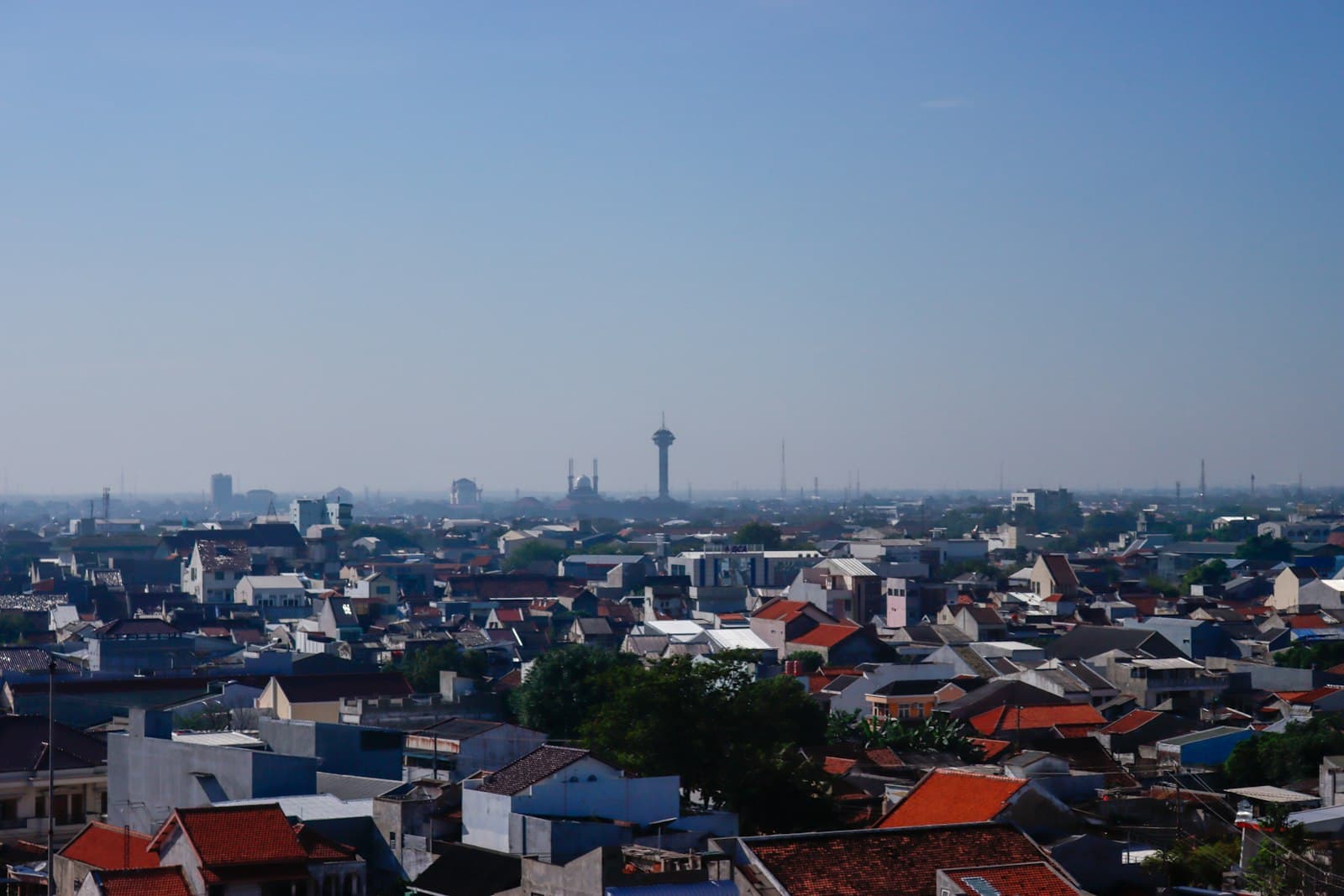
Semarang, de hoofdstad van Centraal-Java, is een bruisende havenstad aan de noordkust van het eiland. Het is een belangrijk economisch en administratief centrum in Indonesië, een plek waar eeuwenlange handel en culturele uitwisseling een uniek weefsel hebben geweven van Javaanse, Chinese, Arabische en Europese invloeden. Van de historische Oude Stad, met zijn zorgvuldig bewaard gebleven koloniale architectuur, tot levendige Chinese tempels en lokale culinaire wonderen, Semarang biedt een boeiende mix van gisteren en vandaag.
De identiteit van Semarang is diep geworteld in zijn strategische ligging als maritieme handelshub, een rol die het al sinds het pre-koloniale tijdperk speelt. Dit blijvende erfgoed manifesteert zich in zijn diverse architecturale stijlen, van de kenmerkende Nederlandse koloniale structuren van Kota Lama tot de ingewikkelde ontwerpen van Chinese tempels zoals Sam Poo Kong. De gastvrije sfeer van de stad en een sterke nadruk op culturele harmonie maken het een aantrekkelijke bestemming voor reizigers die op zoek zijn naar een authentieke Indonesische ervaring.
Hoewel Semarang misschien niet dezelfde toeristenmassa trekt als Yogyakarta of Solo, fungeert het als een handige toegangspoort tot andere belangrijke bezienswaardigheden in Centraal-Java, waaronder de majestueuze Borobudur-tempel, die ongeveer 105 kilometer verderop ligt. De stad zelf is een schatkamer van historische monumenten, levendige markten en een gevierde culinaire landschap dat een memorabele reis door zijn straten belooft.
De oorsprong van Semarang kan worden teruggevoerd tot de 9e eeuw, toen het bekend stond als Bergota. Tegen het einde van de 15e eeuw vestigde een islamitische geleerde genaamd Ki Ageng Pandan Arang een islamitische school in wat toen een vissersdorp was. Op 2 mei 1547 verklaarde Sultan Hadiwijjaya van Pajang Pandan Arang tot de eerste bupati (burgemeester) van Semarang, waarmee de stad administratief en politiek officieel werd gevestigd.
De strategische ligging van Semarang aan de noordkust van Java maakte het tot een belangrijke handelspost. Vanaf de 17e eeuw werd het een drukke entrepôt voor specerijen, rijst en textiel. In 1678 beloofde de Sultan van Mataram de controle over Semarang aan de Vereenigde Oostindische Compagnie (VOC) als onderdeel van een schuldaflossing. Tegen 1705 werd Semarang officieel een VOC-stad, die vervolgens tabaksplantages, wegen en spoorwegen ontwikkelde, waardoor het veranderde in een belangrijk koloniaal handelscentrum.
De Nederlandse koloniale periode liet een onuitwisbare indruk achter op Semarang, met name in het gebied dat nu bekend staat als Kota Lama, of Oude Stad. Dit district, vaak 'Nederlandje' genoemd, kenmerkt zich door goed bewaarde gebouwen in Europese stijl, waarvan sommige dateren uit de 18e eeuw. De VOC bouwde aanvankelijk een pentagonaal fort, 'De Vijfhoek', om het handelsgebied te beschermen, wat later het stadslandschap beïnvloedde.
Semarang speelde ook een cruciale rol in de ontwikkeling van het spoorwegsysteem van Indonesië, met de eerste spoorlijn in het land die het station Semarang Gudang verbond met Tanggung, ingehuldigd in 1867. De stad werd bezet door de Japanners tijdens de Tweede Wereldoorlog, van februari 1942 tot september 1945, een periode waarin belangrijke gebeurtenissen plaatsvonden zoals de Slag om Semarang in oktober 1945. Vandaag de dag getuigt Semarang van zijn multiculturele verleden, met de Chinese admiraal Zheng He (Cheng Ho), die hier in de 15e eeuw voet aan wal zette, nog steeds herdacht in de Sam Poo Kong Tempel.
Semarang biedt een rijke verscheidenheid aan bezienswaardigheden die zijn diverse erfgoed weerspiegelen. Begin uw verkenning in Kota Lama Semarang, de Oude Stad, waar goed bewaarde Nederlandse koloniale gebouwen een duidelijke Europese sfeer oproepen. Hier vindt u de iconische Blendukkerk, gebouwd in 1753 en erkend om zijn kenmerkende achthoekige koperen koepel. Dwaal door de straten om de architectuur te bewonderen, antiekwinkels te bezoeken en schilderachtige cafés te ontdekken.
Een ander belangrijk monument is Lawang Sewu, wat 'Duizend Deuren' betekent. Dit grandioze koloniale gebouw, ooit het hoofdkwartier van de Nederlands-Indische Spoorwegmaatschappij, staat bekend om zijn ingewikkelde ontwerp en historische betekenis, hoewel het ook de reputatie heeft spookachtig te zijn. Voor een spirituele en culturele ervaring bezoekt u Sam Poo Kong Tempel, een historisch complex ter ere van de Chinese admiraal Zheng He. Deze tempel vertoont een unieke mix van Chinese en Javaanse architecturale stijlen en dient als plaats van aanbidding en pelgrimstocht voor verschillende religieuze denominaties.
Naast de historische kern, verken Kampung Pelangi, het Regenboogdorp, waar huizen in een caleidoscoop van kleuren zijn geschilderd, wat unieke fotomomenten biedt. Voor een proeverij van het lokale leven en culinaire hoogstandjes, ga naar de Semawis Night Market in Chinatown, geopend in het weekend. U kunt ook de Grote Moskee van Centraal-Java bezoeken vanwege zijn indrukwekkende architectuur, of het Tugu Muda Monument, dat de strijd van Indonesië voor onafhankelijkheid herdenkt.
Semarang heeft een tropisch regenwoudklimaat, met het hele jaar door consistente warme temperaturen, meestal variërend van 24°C tot 31°C. De stad heeft duidelijke natte en droge seizoenen. Het droge seizoen, van april tot oktober, wordt over het algemeen beschouwd als de meest gunstige tijd om te bezoeken, met minimale regenval en aangenaam weer, ideaal voor buitenactiviteiten en het verkennen van historische bezienswaardigheden. De helderste luchten verschijnen vaak in augustus.
Omgekeerd brengt het natte seizoen, van november tot maart, meer regenval, wat reisplannen soms kan verstoren. Echter, de landschappen worden in deze periode verfrist en binnenattracties zoals musea en kunstgalerijen kunnen worden verkend. Voor degenen die minder drukte en potentieel lagere prijzen zoeken, wordt juli genoemd als de minst drukke maand.
Semarang is goed bereikbaar, met de internationale luchthaven Achmad Yani (SRG) op slechts 4 km van het stadscentrum. De luchthaven bedient jaarlijks miljoenen passagiers, met binnenlandse vluchten vanuit grote Indonesische knooppunten en internationale routes naar Singapore en Kuala Lumpur. Eenmaal in Semarang zijn er diverse transportmogelijkheden beschikbaar, waaronder bussen, taxi's en ritdeelingsdiensten zoals Gojek en Grab. Overweeg voor een meer lokale ervaring om angkot (minibusjes) te gebruiken.
Kies bij het voorbereiden van uw reis voor lichte, ademende stoffen zoals katoen of linnen vanwege het tropische klimaat en de hoge luchtvochtigheid. Comfortabele wandelschoenen zijn essentieel voor het verkennen van de historische gebieden van de stad. De lokale valuta is de Indonesische Rupiah (IDR) en hoewel creditcards worden geaccepteerd in grotere etablissementen, wordt contant geld veel gebruikt, vooral op markten en bij kleinere verkopers. Het leren van een paar basiszinnen in het Bahasa Indonesia kan uw interacties met de lokale bevolking verbeteren. Het is ook raadzaam om bescheiden te kleden bij het bezoeken van religieuze plaatsen.
Semarang — Koreaans, Chinees, Hebreeuws en nog 29 talen, elke stop verteld door een moedertaalspreker. Het grootste taalaanbod van alle zelfgeleide audiotours.
Beschikbaar in: